Multiple people sustained injuries in a car accident on US-101 Northbound near the Golden Gate Vista Point on Saturday afternoon, according to the California Highway Patrol. The collision occurred around 2:20 p.m. on November 1, 2025, creating significant traffic disruptions for drivers traveling through one of the Bay Area’s most scenic corridors.
The accident forced the closure of at least one northbound lane during the busy weekend afternoon, backing up traffic for miles as emergency crews worked to assist the injured and clear the roadway.
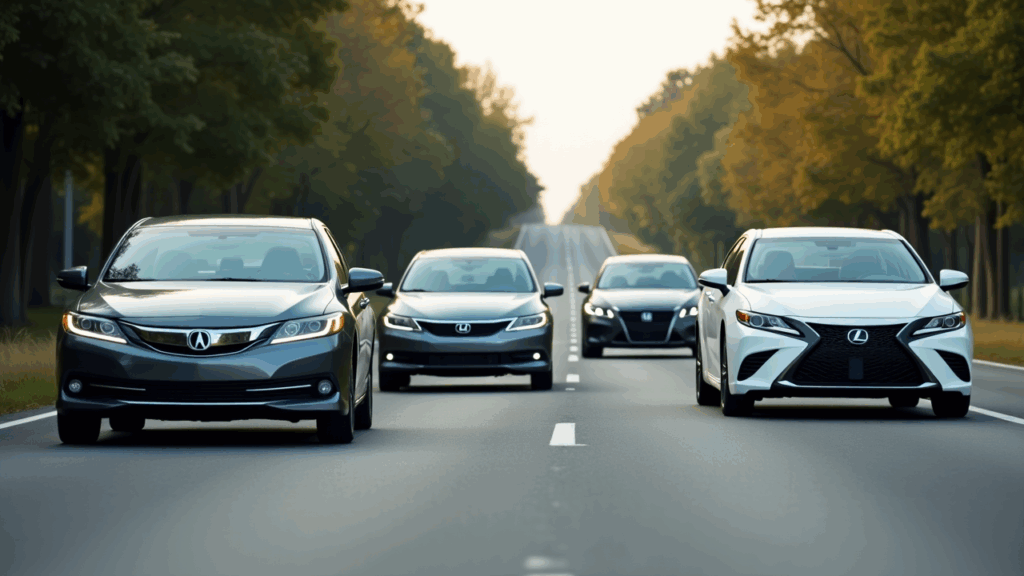
Details of the US-101 Car Accident
Emergency responders were dispatched to the northbound lanes of US-101 near the Golden Gate Vista Point shortly after the accident was reported. The crash involved at least one vehicle, though authorities have not yet released complete information about the total number of vehicles involved or the full extent of the injuries sustained by those involved.
First responders arrived promptly at the scene to provide medical assistance to the injured parties. The California Highway Patrol has not disclosed whether any victims required transportation to nearby medical facilities or the severity of their injuries. The identities of those involved have not been released pending notification to family members and the completion of the ongoing investigation.
Traffic Impact and Road Closures
The accident caused considerable traffic delays along the northbound US-101 corridor near the iconic Golden Gate Bridge. At least one lane was blocked as emergency personnel worked to clear the wreckage and debris from the roadway. Motorists traveling through the area, particularly those heading toward the scenic overlook just north of the Golden Gate Bridge, experienced significant delays during the afternoon hours.
CHP officers remained at the scene to manage traffic flow, direct vehicles around the accident site, and conduct their preliminary investigation. The roadway was gradually cleared as crews worked to remove damaged cars and restore standard traffic patterns. Drivers who regularly use this route were advised to seek alternate paths or expect delays while cleanup operations continued.
Understanding Highway Accidents Near Scenic Areas
The stretch of US-101 near the Golden Gate Vista Point is heavily traveled by both local commuters and tourists visiting one of California’s most recognizable landmarks. This section of the highway presents unique challenges due to the combination of high traffic volume, unfamiliar drivers, and motorists who may be distracted by the spectacular views of the Golden Gate Bridge and San Francisco Bay.
Several factors can contribute to accidents along this corridor:
Driver distraction remains a leading cause of highway collisions, particularly in scenic areas where motorists may divert their attention from the road. The dramatic vistas near the Golden Gate Bridge can tempt drivers to look away from traffic conditions, reducing reaction time when unexpected situations arise.
Heavy traffic congestion often develops along this section of US-101, especially on weekends and during peak tourist seasons. Stop-and-go traffic increases the risk of rear-end collisions as drivers must constantly adjust their speed and following distance.
Speed variations can create dangerous situations when some vehicles travel at highway speeds while others slow down to exit at the Vista Point or other nearby attractions. These differences in vehicle speeds require heightened awareness from all drivers.
Weather conditions in the Sausalito area can change rapidly, with fog, wind, and rain affecting visibility and road traction. The Golden Gate Bridge area is particularly known for sudden fog banks that can dramatically reduce visibility within moments.
Vehicle maintenance issues, such as brake failures or tire blowouts, can become particularly hazardous on busy highways, where high speeds and dense traffic leave little room for error.
California Highway Patrol Investigation
CHP officers have opened an investigation into the circumstances surrounding this accident. Investigators will examine multiple aspects of the collision to determine its cause, including:
The accident investigation process typically involves documenting the scene through photographs and measurements, interviewing witnesses and involved parties, reviewing any available video footage from traffic cameras or nearby businesses, analyzing vehicle damage patterns to reconstruct the sequence of events, and examining road conditions and visibility at the time of the crash.
If authorities determine that traffic violations, impaired driving, or distracted driving contributed to the accident, criminal charges may be filed against the at-fault driver. Even in cases where criminal charges are not pursued, the investigation findings can be crucial in civil personal injury claims.
Anyone who witnessed this accident or has information about what occurred is encouraged to contact the California Highway Patrol. Witness statements can provide valuable insights that help investigators understand how the collision unfolded and identify contributing factors.
Rights of Accident Victims in California
Individuals injured in traffic accidents on California highways have necessary legal rights. Under California law, victims may pursue compensation from the parties responsible for causing their injuries. This compensation can address the significant financial and personal hardships that often follow serious accidents.
California operates under a fault-based system for car accidents, meaning the driver who caused the collision and their insurance company are typically responsible for covering damages. Victims may be entitled to compensation for medical expenses, including emergency treatment, hospitalization, surgeries, rehabilitation, and ongoing medical care. Lost wages represent another essential category of damages when injuries prevent someone from working, whether temporarily or permanently. Pain and suffering compensation addresses the physical discomfort and emotional distress caused by accident injuries. Property damage coverage should address the repair or replacement of damaged vehicles and personal belongings.
California law also recognizes the statute of limitations that applies to personal injury claims. Generally, injured parties have two years from the date of the accident to file a lawsuit seeking compensation. However, waiting too long to take action can jeopardize a claim, as evidence may be lost and memories fade. Seeking legal guidance soon after an accident ensures that critical deadlines are met and evidence is preserved.
Common Injuries in Highway Car Accidents
Accidents on high-speed roadways, such as US-101, can result in severe injuries due to the forces involved in highway-speed collisions. Even accidents that initially seem minor can result in significant injuries that may not become apparent until hours or days later.
Whiplash and neck injuries are prevalent in car accidents, particularly rear-end collisions. The sudden acceleration and deceleration forces the head and neck through a violent range of motion, stretching and tearing soft tissues. Symptoms may include neck pain, stiffness, headaches, dizziness, and reduced range of motion. Some whiplash injuries result in chronic pain that persists for months or years.
Back and spinal cord injuries can range from muscle strains to devastating spinal cord damage resulting in paralysis. Herniated discs, fractured vertebrae, and nerve damage can cause chronic pain, limited mobility, and reduced quality of life. Severe spinal cord injuries may require extensive rehabilitation and long-term care.
Traumatic brain injuries can occur even in accidents where the head does not directly strike an object. The brain can be injured when it moves violently within the skull, resulting in concussions or more severe brain damage. TBI symptoms may include headaches, confusion, memory problems, mood changes, and difficulty concentrating.
Broken bones and fractures commonly affect the arms, legs, ribs, and pelvis in car accidents. These injuries typically require immobilization, surgery, and extended recovery periods. Complex fractures may result in permanent limitations or chronic pain.
Internal injuries can be life-threatening and may not be immediately apparent. Damage to organs, internal bleeding, and other internal trauma require prompt medical attention. Anyone involved in a significant accident should seek medical evaluation even if they feel uninjured.
Immediate Steps After a Highway Car Accident
Knowing what to do in the aftermath of a highway accident can protect both your health and your legal rights. Taking appropriate actions at the scene and in the days following the collision can significantly impact any future insurance claim or lawsuit.
First and foremost, ensure safety by moving to a safe location if possible. On busy highways, remaining in or near damaged vehicles can be extremely dangerous due to ongoing traffic. If you can safely exit your vehicle and move to the shoulder or another protected area, do so. Turn on hazard lights and, if available, place warning triangles or flares to alert approaching drivers.
Contact emergency services immediately by calling 911. Even if injuries seem minor, having law enforcement respond to document the accident creates an official record that can be valuable later. Request medical assistance for anyone who is injured.
Seek medical attention even if you don’t believe you’re seriously injured. Some injuries, particularly internal injuries and concussions, may not produce immediate symptoms. A medical evaluation creates documentation of your injuries and begins the treatment process.
Document the scene if you are physically able to do so safely. Take photographs of vehicle damage, road conditions, traffic signs, and the overall accident scene. These images can provide crucial evidence about what occurred.
Exchange information with other drivers involved, including names, contact information, insurance details, and license plate numbers. Obtain contact information from any witnesses who stopped at the scene.
Notify your insurance company about the accident, but be cautious about providing detailed statements before consulting with an attorney. Insurance adjusters may use your words to minimize your claim.
Preserve evidence by keeping all documentation related to the accident, including medical records, repair estimates, and correspondence with insurance companies. This documentation supports your compensation claim.
How GJEL Accident Attorneys Can Help
At GJEL Accident Attorneys, we understand the overwhelming challenges that follow a serious car accident. Victims face not only physical pain and recovery but also financial stress from medical bills and lost income. Insurance companies may pressure you to accept quick settlements that fail to compensate you for your losses adequately.
Highway accidents near areas like the Golden Gate Vista Point often involve complex liability issues, especially when multiple vehicles are involved or when driver distraction plays a role. GJEL conducts thorough investigations to identify all responsible parties and build the strongest possible case for our clients. We work to ensure that accident victims receive full compensation for their medical expenses, lost wages, and pain and suffering.
Our legal team has extensive experience handling car accident cases throughout the Bay Area, including accidents on US-101 and other major highways. We work on a contingency fee basis, which means you pay no attorney fees unless we recover compensation for you. This arrangement allows accident victims to access experienced legal representation regardless of their financial situation.
We handle all aspects of your claim, from investigating the accident and gathering evidence to negotiating with insurance companies and, if necessary, taking your case to trial. Our goal is to secure the maximum compensation available under California law, allowing you to focus on your recovery.
Safety Tips for Driving on US-101 Near the Golden Gate Bridge
The stretch of US-101 near the Golden Gate Vista Point requires particular attention from drivers due to its unique characteristics. Following these safety guidelines can help reduce the risk of accidents. Minimize distractions by putting away mobile phones and other devices before entering this high-traffic area. If you want to enjoy the views, use the designated Vista Point rather than looking while driving.
Maintain safe following distances to allow adequate reaction time if traffic suddenly slows. The three-second rule provides a good baseline; however, additional distance may be warranted in poor weather conditions. Stay alert for merging traffic as vehicles enter and exit at the Vista Point and other nearby access points. Merge lanes require heightened awareness and smooth, predictable movements.
Adjust your speed according to conditions, rather than simply following the posted limit. Fog, rain, or heavy traffic may necessitate reduced speeds to maintain safe operation. Use turn signals well in advance of lane changes or exits to give other drivers time to react to your movements. Check blind spots carefully before changing lanes, as the busy nature of this highway means vehicles may be positioned where mirrors don’t reveal them. Avoid aggressive driving behaviors such as tailgating, excessive speed, or weaving between lanes. These behaviors increase the risk of accidents for everyone on the road.
Be prepared for sudden weather changes that are common in this coastal area, particularly the notorious fog that can roll in quickly, reducing visibility to just a few feet. The microclimate around the Golden Gate Bridge can shift dramatically within minutes, transforming clear conditions into dense fog banks that make it difficult to see other vehicles, lane markings, or even the road ahead.
When fog develops, immediately reduce your speed, turn on your headlights (not just daytime running lights), and increase following distance significantly. Avoid using high beams in fog, as they reflect off the moisture and actually reduce visibility further. If the fog becomes so thick that you cannot see safely, consider pulling off at the Vista Point or another safe area to wait for conditions to improve, rather than continuing to drive in a blindfolded state.
Additionally, be aware that wind gusts near the bridge can be powerful enough to affect vehicle handling, particularly for high-profile vehicles such as trucks, RVs, and those towing trailers. Keep both hands firmly on the steering wheel and be prepared to make minor corrections to maintain your lane position when strong winds hit your vehicle.
Understanding Catastrophic Injury Settlement Calculators
Catastrophic injury accident settlement calculators serve as valuable tools for victims and their families to estimate potential compensation amounts following severe car accidents. These calculators work by considering multiple factors that influence settlement values, including the full scope of medical expenses, both past and future, lost wages and diminished earning capacity, pain and suffering multipliers based on injury severity, costs of long-term care and rehabilitation, and the degree of permanent disability or impairment.
While these calculators provide helpful preliminary estimates, it’s essential to understand that every case is unique, and actual settlement values depend on specific circumstances, the strength of the evidence, insurance policy limits, and the skill of the legal representation. Catastrophic injuries such as traumatic brain injuries, spinal cord damage, severe burns, or amputations typically warrant significantly higher settlements due to their life-altering nature and the extensive ongoing care they require.
An experienced personal injury attorney can provide a more accurate assessment of your case’s value by thoroughly evaluating all economic and non-economic damages, consulting with medical experts about future care needs, and understanding how California courts have valued similar injuries in past cases. These calculators should be viewed as starting points for understanding potential compensation rather than definitive predictions, as skilled legal advocacy often results in settlement amounts that exceed initial estimates. Call us now at +1-866-218-3776 to speak with our experts.
Take Action Today – Get the Help You Deserve
“If you were injured in this US-101 accident near the Golden Gate Vista Point, I want you to know that you’re not alone during this difficult time. Highway collisions can leave victims facing mounting medical bills, lost wages, and uncertainty about their future, all while trying to recover from painful injuries. Insurance companies may contact you quickly with settlement offers that sound appealing. Still, these initial offers rarely reflect the true value of your claim, especially when injuries require ongoing treatment or result in long-term complications. As your attorney, my role is to thoroughly investigate the incident, identify all responsible parties, and advocate for compensation that not only covers your immediate expenses but also your future medical needs and lost earning capacity. Don’t let anyone pressure you into accepting less than you deserve. California law protects your right to full and fair compensation, and at GJEL Accident Attorneys, we work on a contingency fee basis—you pay nothing unless we win your case. Contact us for a complimentary consultation to assess your situation and explore your legal options. Your focus should be on healing, not battling with insurance companies—let us handle that fight for you.”- Andy Gillin, GJEL Accident Attorneys
Don’t let financial concerns prevent you from seeking the legal representation you deserve after being injured in a car accident. At GJEL Accident Attorneys, we understand that accident victims are already facing overwhelming medical bills and lost income, which is why we work exclusively on a contingency fee basis.
This means you pay absolutely nothing upfront—no retainer fees, no hourly charges, and no out-of-pocket expenses for our services. We only collect attorney fees if we successfully recover compensation for you, and our fee comes as a percentage of your settlement or verdict, never from your own pocket. This arrangement allows everyone, regardless of their financial situation, to access experienced legal representation and level the playing field against well-funded insurance companies.
We invest our own resources into investigating your case, hiring expert witnesses, and building the most substantial possible claim because we’re confident in our ability to deliver results. If we don’t win your case, you owe us nothing. Contact GJEL Accident Attorneys today at +1-866-218-3776 or visit our Walnut Creek office for your free, no-obligation consultation, and let us explain how we can help you pursue the full compensation you deserve while you focus on your recovery.
Local Resources for Accident Victims
Several resources are available to assist individuals affected by traffic accidents in the Sausalito area:
California Highway Patrol – Marin Area Office
Regular business: (415) 924-1100
Emergency: 911
Located at 301 Bon Air Road, Kentfield, CA 94904
Website: https://www.chp.ca.gov/find-an-office/golden-gate-division/marin-area
Services: Accident reports, traffic incident information, road conditions
Sausalito Police Department
Non-emergency: (415) 289-4170
Emergency: 911
29 Caledonia Street, Sausalito, CA 94965
Website: https://www.sausalito.gov/departments/police-department
Services: Local law enforcement, accident reports, community safety resources
Marin General Hospital
(415) 925-7000
250 Bon Air Road, Greenbrae, CA 94904
Website: https://www.maringeneral.org
Services: 24-hour emergency department, trauma care, accident injury treatment
Transportation Authority of Marin (TAM)
(415) 226-0815
900 Fifth Avenue, Suite 100, San Rafael, CA 94901
Website: https://www.tam.ca.gov
Services: Traffic information, road conditions, transportation planning, real-time traffic updates
California Department of Motor Vehicles – San Rafael Office
(800) 777-0133
850 B Street, San Rafael, CA 94901
Website: https://www.dmv.ca.gov
Services: Accident reports (SR-1 forms), driver records, vehicle registration, driver’s license issues
Marin County Superior Court
(415) 444-7000
3501 Civic Center Drive, San Rafael, CA 94903
Website: https://www.marin.courts.ca.gov
Services: Legal proceedings, civil case filings, small claims court, traffic court
California Victim Compensation Board
(800) 777-9229
Website: https://victims.ca.gov
Services: Financial assistance for crime-related accidents, medical expense reimbursement, counseling services
511 Traffic Information
Dial: 511 (from any phone)
Website: https://511.org
Services: Real-time traffic updates, road closures, incident reports, trip planning for Bay Area highways
Marin County Health and Human Services
(415) 473-6835
20 North San Pedro Road, San Rafael, CA 94903
Website: https://www.marinhhs.org
Services: Mental health support, crisis counseling, community health resources for accident trauma
National Highway Traffic Safety Administration (NHTSA)
(888) 327-4236
Website: https://www.nhtsa.gov
Services: Vehicle safety recalls, crash statistics, safety ratings, consumer complaints
California Office of Traffic Safety
Website: https://www.ots.ca.gov
Services: Traffic safety programs, accident prevention resources, statistical data on California accidents
Marin Transit
(415) 226-0855
711 Grand Avenue, Suite 110, San Rafael, CA 94901
Website: https://marintransit.org
Services: Alternative transportation options during vehicle repairs, accessible transit services