In the early hours of Friday, October 30, a man lost his life after a fatal hit-and-run crash on Florin Road, and two vehicles left the scene without stopping. Neither driver has been identified, and the California Highway Patrol is searching for both vehicles. The crash that took this man’s life is a painful reminder of how quickly a night on a busy Sacramento corridor can turn tragic.
Authorities say the pedestrian was in the number one lane of Florin Road, west of 55th Street, when he was struck by one vehicle and then by a second, and neither driver stopped to call for help or wait for responders. Because both vehicles left before anyone could identify them, investigators are working to piece together what happened using the physical evidence at the scene and any information from the community.
That evidence may include debris left on the roadway, damage patterns, surveillance footage from nearby retail businesses, and accounts from anyone who traveled the area in the early hours of Friday morning. For the man’s family, the lack of answers adds a second layer of pain to an already devastating loss, since they do not yet know who was responsible or whether those drivers will be held accountable.
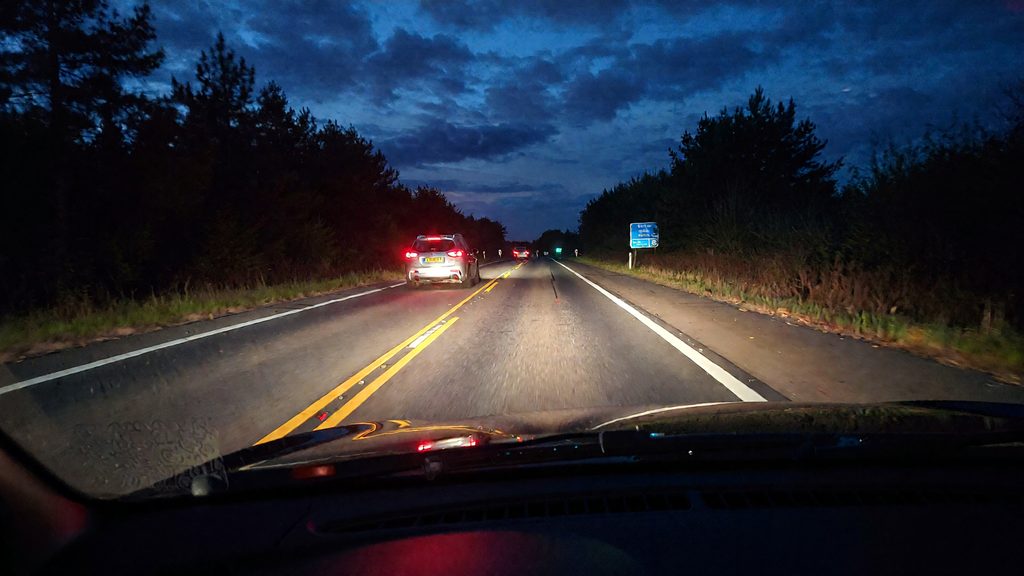
What Happened on Florin Road
Around 12:34 AM, the California Highway Patrol received reports of a person lying in the roadway on Florin Road, west of 55th Street, in a retail area near Golden State Highway. Emergency responders arrived and found the man deceased, with evidence suggesting he had been struck by a vehicle.
According to investigators, the pedestrian was in the number one lane of Florin Road when one vehicle hit him, followed by another. Both drivers fled. Anyone who was in the area overnight and may have seen a vehicle, heard a collision, or captured footage on a doorbell or business security camera is encouraged to contact the CHP.
A Loss No Family Is Prepared For
A sudden death on a public road leaves a family with grief and, often, urgent practical questions about funeral costs, lost income, and what comes next. When the people responsible leave the scene, the uncertainty can feel even heavier. Families deserve to know that a hit-and-run does not close the door on accountability or financial recovery.
Losing a loved one without warning is one of the hardest experiences a family can face, and the circumstances of a hit-and-run can make that grief even more difficult to bear. There is no chance to say goodbye, no explanation that brings comfort, and no one who stayed to help in those final moments.
In the days that follow, relatives are often asked to make decisions they never expected to face, from arranging a funeral to notifying employers and sorting out bills that were once shared. If the man who died helped support others, the financial strain can arrive almost immediately, at the very time when the family is least able to manage it.
The uncertainty of not knowing who was responsible can leave families feeling stuck, unsure where to turn or whether anyone will ever be held accountable for what happened. It is important for them to know that they do not have to navigate this alone and that the law provides ways to seek accountability and financial recovery even when the drivers have not yet been found.
Taking time to grieve is essential, and having a compassionate legal team handle the paperwork, insurance communications, and investigation can give a family the space to do so.
Hit-and-Run Is a Serious Crime in California
Under California Vehicle Code §20001, a driver involved in a crash that kills or injures someone must stop, identify themselves, and remain at the scene. Vehicle Code §20003 also requires drivers to render reasonable assistance, including arranging medical help. When a crash results in death, leaving the scene is a felony.
Fleeing does not erase civil liability, and the families of victims retain their right to seek compensation. California law places a clear obligation on every driver involved in a crash that injures or kills another person. Under Vehicle Code §20001, a driver must stop immediately at the scene, provide their name, address, and vehicle information, and remain until the required steps are completed.
Vehicle Code §20003 adds a duty to render reasonable assistance, which includes arranging for medical care when someone has been hurt. These obligations apply to each driver involved, regardless of who may have been at fault for the collision, because a prompt call for help can be the difference between life and death.
When a crash results in death or permanent, serious injury, leaving the scene can be charged as a felony, with penalties that may include a state prison sentence, fines, or both. In a case like this one, where two separate vehicles are believed to have struck the pedestrian and fled, each driver could face criminal exposure for their own decision not to stop.
Criminal prosecution and a civil claim are separate matters, however. Even if a driver is never charged or is never found, the victim’s family retains the right to pursue compensation through the civil justice system.
Wrongful Death Claims After a Fatal Pedestrian Crash
If either driver is identified, the family of the pedestrian may have grounds for a wrongful death claim against one or both of them. California Code of Civil Procedure §377.60 allows certain surviving family members, including a spouse, domestic partner, children, and, in some cases, other dependents, to bring the claim.
Drivers owe a duty of reasonable care to everyone on the road under Civil Code §1714, and a driver who strikes a person in the roadway and fails to stop may face serious questions about whether that duty was met.
A wrongful death claim can provide compensation for funeral and burial expenses, the financial support the loved one would have provided, the loss of household services, and the loss of love, companionship, comfort, and guidance. A separate survival action under Code of Civil Procedure §377.30 allows the estate to recover certain losses the deceased person suffered before death, such as medical expenses and lost earnings.
The statute of limitations for most wrongful death claims in California is two years from the date of death under Code of Civil Procedure §335.1, so acting early helps preserve evidence that can fade quickly, including surveillance video and witness memories.
When Two Vehicles Are Involved
Cases involving two vehicles add complexity. Investigators must determine which vehicle struck the pedestrian first, whether the second collision contributed to the fatal injuries, and whether one or both drivers share responsibility.
In these situations, accident reconstruction, medical examiner findings, and physical evidence from the roadway and from each vehicle become critical. An attorney can work alongside investigators to preserve that evidence and to identify potentially responsible parties.
A crash in which two vehicles are believed to have struck the same pedestrian raises questions that a single-vehicle collision does not. Investigators must determine the order of impacts, whether the first collision was already fatal, and whether the second vehicle caused or worsened the injuries.
The answers often depend on medical examiner findings, the position of the body, debris patterns on the roadway, and any available video, which is why prompt preservation of evidence matters so much. These questions also shape the civil side of a claim.
Under California law, each responsible driver can be held liable for their assigned share of fault, and if only one of the two drivers is identified, the family may still pursue that driver for the portion of the harm attributable to them.
California’s rules for apportioning damages among multiple at-fault parties, including Civil Code §1431.2, can affect how much each driver is responsible for, particularly for non-economic losses such as loss of companionship.
Because the facts of a two-vehicle hit-and-run can be difficult to untangle, families benefit from having an attorney who can work with investigators and accident reconstruction professionals to identify every potentially responsible party and protect the family’s right to recovery.
How Shared Fault Could Affect a Claim
Should negligence on the part of the pedestrian himself be found to have contributed to the accident, any settlement may be reduced. California follows a pure comparative fault system, which means compensation is reduced by the percentage of fault assigned to the injured person.
It does not bar recovery. Even if a portion of the blame were assigned to the pedestrian, his family could still receive partial compensation for the share of fault attributed to the drivers.
Insurance companies and defense attorneys often look for ways to shift blame onto the person who was hurt, and in a pedestrian case, they may point to where the person was in the roadway and whether they were crossing at a marked crosswalk.
California follows a pure comparative fault rule, established in Li v. Yellow Cab Co., which means that if a jury or insurer assigns a percentage of responsibility to the pedestrian, the family’s compensation is reduced by that percentage but is never eliminated.
For example, if a claim were valued at $1,000,000 and the pedestrian were found 20 percent at fault, the family could still recover $800,000. The law also does not excuse a driver simply because a pedestrian was outside a crosswalk.
Under Vehicle Code §21954, a pedestrian crossing outside a crosswalk must yield to vehicles, but the same statute makes clear that this does not relieve a driver of the duty to exercise due care for the safety of anyone on the road.
That distinction matters here because investigators have not released any findings about why the man was in the roadway, and it would be inappropriate to assume anything about what he was doing. Whether a driver was speeding, distracted, impaired, or failed to keep a proper lookout is a question that bears on how fault is divided.
Families should be cautious about discussing the circumstances with an insurance adjuster, since even a well-meaning comment can be used to argue for a larger share of blame. An attorney can gather evidence, challenge unfair assumptions, and keep the focus on the conduct of the drivers who struck him and then left.
How Compensation Is Valued
Insurers and attorneys commonly evaluate serious injury and death claims using methods such as the multiplier method, which applies a factor to documented economic losses to account for non-economic harm, and the per diem method, which assigns a daily dollar value to ongoing suffering or loss.
Every case turns on its own facts, including the age and earning capacity of the deceased, the family relationships involved, and the strength of the liability evidence. An experienced wrongful death attorney can help a family understand what a fair valuation looks like rather than accepting an early insurance offer.
Putting a dollar figure on the loss of a loved one is never simple, and no amount of money can replace a person, but California law recognizes that families are entitled to fair financial recovery.
In a wrongful death case, compensation is generally built from two categories of loss. Economic damages are the measurable costs, such as funeral and burial expenses, medical bills incurred before death, and the income, benefits, and household services the person would have provided over the rest of their working life.
Non-economic damages address harm that has no receipt attached to it, including the loss of love, companionship, comfort, care, and guidance. Insurers and attorneys often estimate the non-economic portion using the multiplier method, which applies a factor to documented economic losses, or the per diem method, which assigns a daily value and multiplies it over the period the family is expected to experience the loss.
These are tools for organizing a negotiation, not formulas that guarantee a result. The age of the deceased, their role in the household, the number of dependents, their earning history, and the strength of the evidence against the at-fault drivers all influence the final figure. Insurance companies frequently open with early offers that fall well short of a case’s real value.
They may be especially reluctant to pay in a hit-and-run when the evidence is incomplete. Having an attorney who understands how these losses are calculated and who can work with economists and other professionals when needed helps ensure that a family is not pressured into settling for less than the full impact of their loss.
Options if the Drivers Are Never Found
In some hit-and-run cases, those responsible escape justice. The victim’s family may then have other options available to receive compensation, which a wrongful death attorney can help them explore. If the pedestrian or a family member carried uninsured motorist coverage, that policy may respond when the at-fault driver cannot be identified.
This is also subject to the policy terms and the notice and corroboration requirements that California law places on such claims. Families may also look into the California Victim Compensation Board, which can help eligible victims’ families with expenses such as funeral and burial costs. Reviewing every available insurance policy early is one of the most useful steps a family can take.
The possibility that neither driver is ever identified is painful, but it does not necessarily leave a family without recourse. Investigations into hit-and-run crashes can continue for weeks, months, or longer, and drivers are sometimes identified well after the fact through video footage, vehicle parts left at the scene, repair shop records, or a witness who finally comes forward.
Because the statute of limitations for most wrongful death claims is two years under Code of Civil Procedure §335.1, families should not assume that an unsolved case means their legal options have expired. In the meantime, uninsured motorist coverage may be one of the most important sources of compensation.
Under California Insurance Code §11580.2, this coverage can apply when an at-fault driver cannot be identified, and a family member may be able to claim under the deceased person’s own policy or under a policy held by a relative in the same household.
These claims often carry strict notice requirements and deadlines, and insurers may request evidence to support the hit-and-run account, so reviewing every available policy early is essential.
Families may also be eligible for help through the California Victim Compensation Board, which can assist with certain expenses after a violent crime, including funeral and burial costs, and a hit-and-run involving a death may qualify. An attorney can identify which policies and programs apply, meet the required deadlines, and handle communication with insurers so the family can focus on healing.
What Families Should Do Now
Families should keep every record related to the death, including the CHP report number, medical examiner documents, funeral invoices, and proof of the deceased person’s income and household contributions. They should avoid giving recorded statements to any insurance company before speaking with an attorney, and they should share any leads with investigators rather than conducting their own search.
In the days after a hit-and-run death, a family is dealing with shock and grief, and it can be hard to know which steps matter most. A few early actions can protect the family’s rights without adding to the burden.
Relatives should keep every document related to the death, including the CHP report number, any paperwork from the medical examiner, funeral and burial invoices, and records showing the person’s income, benefits, and contributions to the household.
They should also gather any applicable insurance policies, such as auto, renter’s, or homeowner’s policies held by the deceased or family members living in the same home, since uninsured motorist coverage can play an important role when the drivers are unknown.
Families should be cautious about speaking with insurance adjusters and should avoid giving a recorded statement or signing any release before speaking with an attorney, because early comments can be used to limit a claim.
Any information about the crash, such as a name, a vehicle description, or a video clip, should be shared with the California Highway Patrol rather than pursued independently, which keeps everyone safe and protects the integrity of the investigation. Family members should also avoid posting details about the crash or the person who died on social media, since those posts can be reviewed later by insurers.
Finally, because evidence like surveillance footage is often overwritten within days, contacting an attorney early gives the family the best chance to preserve it. Taking these steps does not require having all the answers, and a compassionate legal team can guide the family through each stage at a pace that respects their grief.
Fatal Hit-and-Run Settlement Calculators and Why They Matter
A fatal hit-and-run settlement calculator is an online tool that provides families with a rough estimate of what a wrongful death claim might be worth, and it can be a helpful starting point as they try to understand where they stand.
Most calculators ask for information about the economic side of the loss, such as funeral and burial costs, medical bills incurred before death, and the income and benefits the person would have earned over the rest of their working life.
They then apply a method such as the multiplier approach, which multiplies documented economic losses by a factor to account for non-economic harm, or the per diem approach, which assigns a daily dollar value to the loss and multiplies it over the period during which the family is expected to feel its impact.
Used this way, a calculator helps families see that a claim involves far more than the immediate bills, since it can include lost financial support, lost household services, and the loss of love, companionship, and guidance.
It can also give relatives a realistic benchmark against which to compare an early insurance offer, which is often much lower than the true value of the case. A calculator has real limits, however.
It cannot weigh the strength of the liability evidence, account for shared fault under California’s comparative fault rules, factor in the available insurance coverage, or reflect how a case changes when the drivers have not been identified and recovery may depend on uninsured motorist coverage.
Because every family and every crash is different, the number a calculator produces should be treated as an educational estimate and not a prediction of what a claim will settle for. A wrongful death attorney can take that starting figure and build a full valuation from the actual evidence, helping the family pursue the compensation the circumstances warrant.
Speak With a Wrongful Death Attorney at GJEL
“When a driver leaves the scene, a family is left with grief and a hundred unanswered questions, and my heart goes out to everyone affected by this tragedy. What I want families to know is that you still have rights, even when the drivers have not been found. Evidence such as surveillance video disappears quickly, and insurance companies are not looking out for you, so please speak with an attorney before making any statements or signing anything. If you or someone you love has been hurt or lost to a crash like this, call us. We handle these cases on a contingency fee basis, so there is no cost to you unless we recover compensation, and we will carry the legal burden while you focus on healing.” – Andy Gillin, Managing Partner at GJEL Accident Attorneys
For more than 40 years, GJEL Accident Attorneys has stood beside California families after devastating losses, recovering more than $950 million for clients.
We handle wrongful death cases on a contingency fee basis, which means you pay no attorney fees unless we recover compensation for you. If your family lost a loved one in a pedestrian or hit-and-run crash, call us at 1-855-508-9565 or visit our San Francisco office for a free, confidential consultation.
Resources and Important Links
For anyone affected by this crash or seeking more information about traffic safety and victim assistance in Sacramento, the following official resources may be helpful:
California Highway Patrol
The California Highway Patrol responded to this crash and is searching for the two vehicles. Its main website is https://www.chp.ca.gov/. Families and others involved in a CHP-investigated collision can request an official collision report through the CHP’s report request page at https://www.chp.ca.gov/traffic/request-a-collision-report.
Sacramento Police Department
The Sacramento Police Department handles traffic investigations within city limits, including fatal hit-and-run cases. Its collision reporting and traffic enforcement information is available at https://www.cityofsacramento.gov/police/traffic-enforcement/collisions. Anyone who needs a copy of a police or traffic collision report can find the department’s instructions at https://www.cityofsacramento.gov/police/police-services/request-a-police-report. Guidance on when collisions must be reported, and on the separate DMV report that may be required, is posted at https://cityofsacramento.gov/police/police-services/file-a-police-report/report-vehicle-accidents.
Sacramento County Sheriff’s Office
For crashes in unincorporated parts of Sacramento County, the Sheriff’s Office is the local law enforcement agency, and its website is https://www.sacsheriff.com/.
City of Sacramento Public Works, Transportation Division
The Transportation Division manages the city’s roadway safety programs, including Vision Zero. Its main page is https://cityofsacramento.gov/public-works/transportation. The city’s Vision Zero program, which aims to eliminate traffic deaths and serious injuries and publishes a crash dashboard, is available at https://www.cityofsacramento.gov/public-works/mobility-and-sustainability/transportation-planning/vision-zero. Residents can also review and comment on the city’s Vision Zero Action Plan Update at https://www.cityofsacramento.gov/public-works/mobility-and-sustainability/transportation-planning/vision-zero/sacramento-vision-zero-action-plan-update.
California Victim Compensation Board
The California Victim Compensation Board helps eligible victims and their families with certain crime-related expenses, including funeral and burial costs and loss of support, and hit-and-run is among the covered crimes. Information is available at https://victims.ca.gov/, and applications can be submitted online at https://online.victims.ca.gov. A local advocate can help with the application through the Local Help page at https://victims.ca.gov/victims/localhelp.aspx.
Sacramento County District Attorney’s Office, Victim Witness Assistance Program
Victim advocates with the District Attorney’s Office provide crisis support, explain the criminal justice process, and help families apply for victim compensation. The program page is at https://sacda.org/victim-services/victim-witness-assistance-program/, and the office’s broader victim services page is at https://sacda.org/victim-services/.