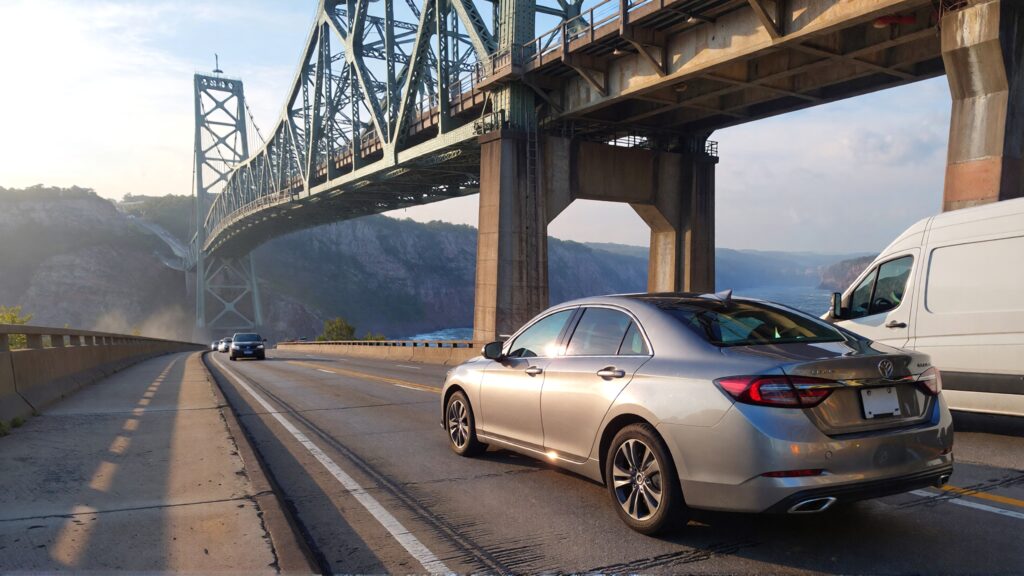
Un trágico colisión por alcance en el Puente San Mateo-Hayward el martes por la tarde cobró la vida de un automovilista. Provocó el cierre total del tránsito en dirección oeste durante varias horas. El choque mortal, que ocurrió en la dirección de no traslado al este del tramo medio del puente, resalta los peligros mortales que representan los vehículos detenidos en los principales corredores de transporte del Área de la Bahía.
El incidente sirve como un recordatorio aleccionador de que las averías mecánicas en los puentes—donde los acotamientos son limitados y las rutas de escape son inexistentes—pueden escalar rápidamente de interrupciones molestas a emergencias que ponen en peligro la vida. Con miles de personas que dependen a diario del Puente San Mateo-Hayward para conectar los condados de Alameda y San Mateo, esta tragedia subraya la importancia crítica del mantenimiento de los vehículos y las decisiones de fracción de segundo que los conductores deben tomar al encontrar peligros inesperados en estos enlaces de transporte vitales.
Detalles del Accidente: Vehículo Detenido Impactado en el Puente
La colisión mortal ocurrió poco antes de las 3 p.m. del martes cuando una camioneta comercial blanca chocó por detrás a un sedán plateado que se había detenido en uno de los carriles de tránsito en dirección oeste. Según la Patrulla de Caminos de California, el sedán estaba averiado en el carril de circulación cuando la camioneta, que llevaba la marca de la empresa de plomería Rooter Hero, lo golpeó por detrás.
El impacto ocurrió al este del tramo medio del puente, en un área donde los vehículos circulan a velocidades de autopista con opciones limitadas para maniobras evasivas. La fuerza de la colisión fue lo suficientemente grave como para cobrar la vida del conductor del sedán, quien fue declarado muerto en el lugar por los servicios de emergencia.
Un pasajero que viajaba en la camioneta comercial sufrió lesiones en el choque y fue trasladado a un hospital local para recibir tratamiento. Las autoridades no han revelado la magnitud de sus lesiones. La Patrulla de Caminos de California confirmó que ni el alcohol ni las drogas fueron factores en esta colisión, lo que sugiere que el choque fue resultado de otras circunstancias que actualmente están bajo investigación.
La ubicación del choque—al este del tramo medio en los carriles en dirección oeste—situó la colisión a varias millas de cualquiera de los extremos del puente de siete millas, complicando los esfuerzos de respuesta de emergencia y creando una situación particularmente peligrosa para los automovilistas atrapados en el puente detrás de la escena del accidente. En la dirección oeste, que lleva el tránsito de Hayward hacia Foster City durante las horas de no traslado, los volúmenes de tránsito suelen ser de moderados a ligeros por la tarde.
Aun así, los vehículos todavía circulan al límite de velocidad publicado de 50 mph o cerca de él. Los investigadores no han revelado la falla mecánica exacta del sedán. Sin embargo, las causas comunes de averías en las autopistas incluyen problemas del motor, fallas del sistema de combustible, problemas de transmisión y sobrecalentamiento—cualquiera de los cuales puede inmovilizar repentinamente un vehículo en un carril de tránsito de alta velocidad con poca advertencia para el conductor o los automovilistas cercanos.
El conductor de la camioneta comercial habría tenido poco tiempo para reconocer el vehículo detenido adelante y reaccionar, particularmente si las condiciones del tránsito, el resplandor del sol o la curvatura del puente limitaban la visibilidad del sedán averiado hasta que la camioneta ya estaba peligrosamente cerca.
Impacto en el Tránsito y Respuesta de Emergencia
La colisión mortal tuvo impactos inmediatos y significativos en el flujo del tránsito en dirección oeste a través del Puente San Mateo-Hayward, uno de los enlaces de transporte críticos del Área de la Bahía que conecta el East Bay con la Península.
Los tres carriles en dirección oeste quedaron bloqueados por la escena del choque, obligando a los oficiales de la CHP a implementar procedimientos de manejo de tránsito de emergencia. El tránsito en dirección oeste que se acercaba al puente fue desviado hacia Clawiter Road en Hayward, evitando que vehículos adicionales entraran al puente y quedaran atrapados detrás de la escena del accidente.
Los automovilistas que ya habían pasado la salida de Clawiter Road y estaban en el puente cuando ocurrió la colisión enfrentaron una situación inusual: los oficiales de la CHP dieron la vuelta a estos vehículos, dirigiéndolos a viajar en dirección este por los carriles en dirección oeste de regreso hacia la plaza de peaje. Esta técnica de manejo de tránsito a contraflujo, aunque poco común, fue necesaria para despejar el puente y permitir que el personal de emergencia tuviera acceso sin obstrucciones a la escena del choque.
El cierre total en dirección oeste duró varias horas mientras los investigadores de la CHP documentaban la escena, recolectaban evidencia y trabajaban para reconstruir la secuencia de eventos que condujeron a la colisión fatal.
Los peligros de los vehículos averiados en autopistas y puentes
Este trágico incidente resalta la vulnerabilidad extrema que enfrentan los conductores cuyos vehículos quedan inutilizados en carriles de tráfico activo, particularmente en puentes y autopistas donde puede no haber acotamiento ni área de refugio segura.
Cuando un vehículo se avería en un carril de circulación, crea un peligro inmediato y severo. Es posible que otros conductores no reconozcan el vehículo detenido hasta que estén peligrosamente cerca, especialmente si el tráfico circula a velocidades de autopista, la visibilidad es reducida, o el vehículo averiado está en una curva o sobre una elevación en la vía.
En el Puente San Mateo-Hayward, que se extiende más de siete millas a través de la Bahía de San Francisco, los conductores tienen opciones limitadas cuando un vehículo queda inutilizado. El diseño del puente incluye carriles estrechos y un espacio mínimo de acotamiento en algunas secciones, lo que dificulta que los vehículos averiados salgan por completo del flujo de tráfico.
Si su vehículo se avería en una autopista o puente:
- Active de inmediato sus luces intermitentes de emergencia para advertir al tráfico que se aproxima
- Si es posible, intente desplazarse hacia el acotamiento o el área de parada de emergencia
- Si no puede salir del carril de circulación, permanezca en su vehículo con el cinturón de seguridad abrochado y llame al 911
- No intente salir de su vehículo para empujarlo o realizar reparaciones mientras esté en un carril de tráfico activo
- Si puede salir del automóvil de manera segura, muévase a un área protegida detrás de una barrera o baranda
Los conductores comerciales que operan vehículos de la empresa tienen responsabilidades adicionales de mantener sus vehículos en condiciones seguras de funcionamiento y de responder apropiadamente a problemas mecánicos o peligros del tráfico.
Cómo entender la responsabilidad por colisiones por alcance en California
Según la ley de California, las colisiones por alcance generalmente establecen una presunción de culpa contra el conductor que va detrás. La Sección 21703 del Código de Vehículos de California exige que los conductores mantengan una distancia de seguimiento segura respecto al vehículo que va delante. Esta distancia permite al conductor detenerse de manera segura si el vehículo delantero disminuye la velocidad o se detiene repentinamente.
Sin embargo, los casos de colisiones por alcance que involucran vehículos averiados o inutilizados presentan cuestiones de responsabilidad más complejas que requieren una investigación exhaustiva.
Las posibles consideraciones de responsabilidad incluyen:
- Si el vehículo averiado tenía luces intermitentes de emergencia funcionando u otros dispositivos de advertencia activados
- Cuánto tiempo llevaba el automóvil inutilizado en el carril de circulación
- Si el conductor del vehículo averiado hizo esfuerzos razonables para salir del carril de tráfico
- La velocidad, la distancia de seguimiento y la atención del conductor que iba detrás
- Las condiciones de la vía y del clima afectan la visibilidad y la distancia de frenado
- Si el conductor del vehículo comercial operaba dentro de las regulaciones de horas de servicio y de las políticas de seguridad de la empresa
- Cualquier defecto mecánico en cualquiera de los vehículos que haya contribuido a la colisión
Mientras la investigación continúa, los investigadores de la CHP examinarán todos estos factores para determinar la causa precisa de esta colisión fatal y si ocurrieron infracciones de tránsito.
Cuando una colisión por alcance cobra una vida, las familias merecen respuestas sobre cómo y por qué ocurrió esta tragedia. Ya sea que el choque haya involucrado un vehículo averiado, un conductor distraído u otros factores, una investigación exhaustiva es esencial para entender lo que sucedió y responsabilizar a las partes responsables. Nuestro más sentido pésame para la familia que sufre esta devastadora pérdida.
Proceso de investigación de accidentes fatales
La investigación de la Patrulla de Caminos de California sobre esta colisión fatal involucrará múltiples elementos especializados:
Reconstrucción del accidente: Los investigadores de la CHP medirán y fotografiarán la escena del choque, documentarán las posiciones de los vehículos y los patrones de daño, y calcularán las velocidades y las distancias de frenado para entender la mecánica de la colisión.
Examen de los vehículos: Ambos vehículos serán inspeccionados en busca de defectos mecánicos, mantenimiento adecuado y evidencia de frenado o maniobras evasivas antes del impacto.
Declaraciones de testigos: Los investigadores entrevistarán a cualquier testigo que haya observado el sedán averiado en el carril o que haya visto los momentos previos a la colisión.
Registros del vehículo comercial: Dado que la camioneta involucrada era un vehículo comercial, los investigadores pueden revisar las calificaciones, la capacitación y las horas de servicio del conductor, así como los registros de mantenimiento del vehículo de la empresa.
Pruebas toxicológicas: Aunque la CHP ya ha declarado que el alcohol y las drogas no fueron factores, aún pueden realizarse pruebas toxicológicas estándar como parte de la investigación integral.
El plazo de la investigación puede extenderse semanas o meses mientras las autoridades recopilan y analizan toda la evidencia disponible. Los hallazgos se incluirán en el informe oficial de colisión de tránsito de la CHP, el cual puede convertirse en un documento crucial en cualquier procedimiento legal posterior.
Dada la naturaleza comercial de uno de los vehículos involucrados, es probable que los investigadores examinen minuciosamente los registros de mantenimiento de vehículos de Rooter Hero, los protocolos de capacitación de conductores y las políticas de seguridad para determinar si la empresa mantenía una supervisión adecuada de su flota y conductores. Las regulaciones de la Administración Federal de Seguridad de Autotransportes exigen que los operadores de vehículos comerciales realicen inspecciones previas al viaje, mantengan registros detallados de mantenimiento de los vehículos y garanticen que los conductores reciban capacitación adecuada en técnicas de manejo defensivo y reconocimiento de peligros.
Los investigadores examinarán si el conductor de la camioneta operaba dentro de los límites permitidos de horas de servicio, ya que la fatiga del conductor es un factor contribuyente significativo en muchos accidentes de vehículos comerciales. La CHP también puede solicitar los datos del dispositivo de registro electrónico si la camioneta estaba equipada con dicha tecnología, lo cual proporcionaría un registro detallado de las actividades del conductor previas al choque.
Además, los investigadores analizarán cualquier grabación disponible de la cámara de tablero de la camioneta comercial o de otros conductores que hayan presenciado la colisión, ya que la evidencia en video puede proporcionar información crítica sobre las velocidades de los vehículos, la activación de las luces de freno, el funcionamiento de las luces intermitentes de emergencia del sedán averiado y el tiempo de reacción del conductor de la camioneta.
Los registros del teléfono celular pueden solicitarse mediante citación para determinar si la distracción del conductor tuvo algún papel en la colisión. La investigación también considerará factores ambientales, incluyendo las condiciones de iluminación al momento del choque, la presencia de reflejo solar que pudo haber obstruido la visibilidad, y si algún elemento de la infraestructura del puente, como señalización, barreras o el diseño de la vía, contribuyó a la colisión.
Derechos legales de las familias tras accidentes fatales en puentes
Cuando un ser querido muere en una colisión de tránsito, los familiares sobrevivientes pueden tener el derecho de presentar una demanda por muerte por negligencia contra las partes cuya negligencia contribuyó al choque fatal.
La ley de muerte por negligencia de California permite que ciertos familiares—incluyendo cónyuges, parejas de hecho, hijos y, en algunos casos, padres u otros dependientes—busquen compensación por:
- Gastos funerarios y de sepelio
- Pérdida de la ayuda económica que el fallecido habría proporcionado
- Pérdida de compañía, amor y orientación
- El dolor y sufrimiento de la persona fallecida antes de su muerte
- La pérdida de servicios y beneficios del hogar
En casos que involucran vehículos comerciales, la responsabilidad puede extenderse más allá del conductor individual para incluir al empleador bajo la doctrina legal de "respondeat superior", que responsabiliza a los empleadores por actos negligentes cometidos por los empleados en el curso de su empleo.
Además, si un defecto del vehículo contribuyó a la avería inicial o a la gravedad de la colisión, el fabricante del vehículo o el proveedor de piezas puede tener responsabilidad bajo las leyes de responsabilidad por productos de California.
Las demandas por homicidio culposo están sujetas a un plazo de prescripción de dos años en California, lo que significa que las familias generalmente deben presentar su reclamo dentro de los dos años a partir de la fecha del fallecimiento. Sin embargo, iniciar de inmediato el proceso de investigación y preservación de evidencia es fundamental, ya que la evidencia física puede deteriorarse y los recuerdos de los testigos pueden desvanecerse con el tiempo.
La experiencia de GJEL con accidentes en puentes del Área de la Bahía
GJEL Accident Attorneys ha representado a familias y víctimas de lesiones en accidentes graves en los principales puentes del Área de la Bahía por más de 50 años. Nuestros abogados entienden los desafíos únicos que presentan los accidentes en puentes, incluyendo:
- Cuestiones complejas de múltiples jurisdicciones cuando los accidentes ocurren en puentes que conectan diferentes condados
- Investigar las limitaciones de acceso cuando las escenas de choques están en corredores de transporte activo
- La participación de vehículos comerciales requiere un análisis de las regulaciones federales y estatales de camiones
- Posibles reclamos contra entidades gubernamentales por defectos en el diseño o mantenimiento del puente
Trabajamos con destacados expertos en reconstrucción de accidentes, ingenieros biomecánicos y otros especialistas para construir casos integrales que establezcan exactamente cómo y por qué ocurrieron los accidentes en puentes.
Nuestra firma opera con honorarios de contingencia, lo que significa que las familias no pagan honorarios de abogado a menos que recuperemos compensación en su nombre. Esta estructura de "sin ganar, no hay honorarios" garantiza que todas las familias tengan acceso a una representación legal experimentada sin importar su situación económica.
Calculadoras de acuerdos por colisiones por alcance: cómo estimar su compensación
Calculadoras de acuerdos por colisiones por alcance proporcionan a las víctimas de accidentes una herramienta práctica para comprender el valor potencial de sus reclamos por lesiones personales en función de las circunstancias específicas de su caso. Estas calculadoras interactivas ayudan a las partes lesionadas a estimar una compensación justa al analizar múltiples factores que los ajustadores de seguros y los abogados consideran al evaluar los reclamos por accidentes de colisión trasera, incluidos los gastos médicos (tanto los costos de tratamiento pasados como los proyectados a futuro), salarios perdidos y la disminución de la capacidad de ganancia, los daños a la propiedad del vehículo, y el dolor y sufrimiento padecidos como resultado de la colisión.
La calculadora tiene en cuenta la gravedad de las lesiones comúnmente asociadas con los impactos traseros—como el latigazo cervical, las lesiones cerebrales traumáticas, el daño a la médula espinal, las hernias de disco y las lesiones de tejidos blandos—ya que estas condiciones influyen significativamente en los valores de acuerdo en función de la duración del tratamiento, la permanencia de la incapacidad y el impacto en la calidad de vida de la víctima.
Los casos de colisión trasera por lo general establecen una fuerte presunción de responsabilidad contra el conductor de atrás bajo la Sección 21703 del Código de Vehículos de California, lo que a menudo resulta en valores de acuerdo más altos porque la culpa es evidente. Los demandados tienen defensas limitadas, lo que hace que las compañías de seguros estén más dispuestas a negociar acuerdos justos en lugar de arriesgarse a veredictos desfavorables del jurado.
La calculadora también considera si la colisión trasera involucró vehículos comerciales, conductores distraídos u otros factores agravantes que pueden aumentar sustancialmente la compensación mediante reclamos adicionales de responsabilidad y el acceso a límites más altos de las pólizas de seguro. Al ingresar detalles como el total de facturas médicas, las necesidades de tratamiento continuo, el tiempo perdido de trabajo, los límites de cobertura de seguro del demandado y la presencia de lesiones o discapacidad permanente, las víctimas reciben un rango estimado de acuerdo que refleja tanto los daños económicos (pérdidas financieras cuantificables) como los daños no económicos (perjuicios subjetivos como el dolor, la angustia emocional y la pérdida del disfrute de la vida).
Si bien estas calculadoras brindan una orientación preliminar valiosa, no pueden tener en cuenta cada matiz de un caso individual, como la credibilidad de la víctima, la jurisdicción donde se presentará el caso, la habilidad de la representación legal, o las estrategias de defensa específicas que se puedan emplear. Nuestras calculadoras de acuerdos se han desarrollado utilizando datos de miles de casos de accidentes de colisión trasera de California y brindan a las víctimas expectativas realistas sobre el valor de su reclamo, empoderándolas para tomar decisiones informadas sobre las ofertas de acuerdo y para comprender cuándo la oferta de una compañía de seguros no alcanza una compensación justa por sus lesiones y pérdidas. Llámenos ahora al +1-866-218-3776 para hablar con nuestros expertos.
Actúa hoy: obtén la ayuda que mereces
“Cuando un vehículo detenido provoca una colisión mortal, las familias tienen derecho a saber si esta tragedia pudo haberse evitado. El conductor de esa camioneta comercial tenía el deber de mantener una distancia de seguimiento segura y estar alerta a los peligros que tenía por delante—deberes que se vuelven aún más críticos al operar un vehículo de empresa en un puente concurrido donde los conductores no tienen a dónde ir. Si bien la investigación continúa, las familias deben saber que tienen derechos legales para buscar respuestas y responsabilidad. Si perdió a un ser querido en este accidente de puente o si resultó lesionado, comuníquese con nosotros. Revisaremos las circunstancias del choque, preservaremos la evidencia crítica antes de que se pierda y lucharemos para asegurar que reciba la compensación completa que merece. Durante este momento difícil, no debería tener que enfrentarse solo a las compañías de seguros—para eso estamos aquí.” — Gillin, Socio Director, GJEL Accident Attorneys
Si usted o un ser querido estuvo involucrado en esta colisión del Puente San Mateo-Hayward o en cualquier accidente de colisión trasera mortal en el Área de la Bahía, los compasivos abogados de muerte injusta de GJEL Accident Attorneys están aquí para ayudarle a atravesar este momento devastador. Nuestro equipo legal ha estado luchando por las víctimas de accidentes y sus familias en todo el Norte de California durante más de 50 años, recuperando más de $1 mil millones en compensación y manteniendo una tasa de éxito del 99% en los casos que manejamos.
Entendemos que perder a un familiar en un accidente trágico crea no solo un profundo dolor emocional, sino también graves preocupaciones financieras sobre facturas médicas, gastos funerarios, ingresos perdidos y la seguridad futura de quienes quedan. Por eso GJEL opera exclusivamente bajo la base de honorarios de contingencia—lo que significa que usted no paga absolutamente nada a menos que recuperemos con éxito una compensación en su nombre.
No hay costos por adelantado, ni honorarios por hora, ni gastos de su bolsillo por nuestros servicios legales. Nosotros adelantamos todos los costos de investigar su caso, contratar testigos expertos y construir el reclamo más sólido posible, y solo cobramos si ganamos su caso mediante un acuerdo o un veredicto en juicio. Esta estructura de sin victoria, sin honorarios garantiza que cada familia, sin importar su situación financiera, tenga acceso a la misma representación legal de alta calidad que ha hecho de GJEL uno de los bufetes de lesiones personales más respetados de California.
No se enfrente solo a las compañías de seguros durante este momento difícil—comuníquese hoy con GJEL al 1-866-218-3776 o visite nuestro oficina de Richmond para una consulta gratuita y confidencial donde escucharemos su historia, responderemos todas sus preguntas, explicaremos sus derechos legales y le ayudaremos a comprender el camino a seguir hacia la justicia y una compensación justa por su pérdida.
Información de Contacto y Recursos
California Highway Patrol - Hayward Area Office
Dirección: 25951 Mission Boulevard, Hayward, CA 94544
No Urgencias: (510) 489-1365
Emergencia: 911
Página web: https://www.chp.ca.gov/find-an-office/golden-gate-division/hayward
Para informes de colisiones e información de investigación
Patrulla de Carreteras de California - Oficina del Área de Redwood City
Dirección: 835 Fifth Avenue, Redwood City, CA 94063
No Urgencias: (650) 369-6261
Emergencia: 911
Página web: https://www.chp.ca.gov/find-an-office/golden-gate-division/redwood-city
Para reportes de colisiones en el lado del puente correspondiente al condado de San Mateo
Departamento de Policía de San Mateo
Dirección: 200 Franklin Parkway, San Mateo, CA 94403
No Urgencias: (650) 522-7700
Emergencia: 911
Página web: https://www.cityofsanmateo.org/2206/Police-Department
Para asistencia y registros de las fuerzas del orden locales
Departamento de Policía de Foster City
Dirección: 1030 East Hillsdale Boulevard, Foster City, CA 94404
No Urgencias: (650) 286-3300
Emergencia: 911
Página web: https://www.fostercity.org/police
Para incidentes cerca del extremo oeste del puente
Departamento de Policía de Hayward
Dirección: 300 West Winton Avenue, Hayward, CA 94544
No Urgencias: (510) 293-7000
Emergencia: 911
Página web: https://www.hayward-ca.gov/your-government/departments/police-department
Para incidentes cerca del extremo este del puente
Oficina del Médico Forense del Condado de Alameda
Dirección: 480 4th Street, Suite 100, Oakland, CA 94607
Teléfono: (510) 382-3000
Fax: (510) 268-7022
Página web: https://www.acgov.org/sheriff/coroner.htm
Para certificados de defunción e información de autopsias en incidentes del condado de Alameda
Oficina del Forense del Condado de San Mateo
Dirección: 1700 South El Camino Real, Suite 100, San Mateo, CA 94402
Teléfono: (650) 312-5528
Fuera de horario: (650) 363-4800
Página web: https://www.smcgov.org/coroner
Para certificados de defunción e información de autopsias en incidentes del condado de San Mateo
Eden Township Healthcare District – Hospital San Leandro
Dirección: 13855 East 14th Street, San Leandro, CA 94578
Servicio de urgencias: (510) 357-6500
Línea principal: (510) 357-6500
Página web: https://www.edenmedcenter.org
Centro de trauma más cercano al este del puente
Stanford Health Care
Dirección: 300 Pasteur Drive, Stanford, CA 94305
Línea principal: (650) 723-4000
Servicio de urgencias: (650) 723-5300
Página web: https://stanfordhealthcare.org
Importante centro de trauma de Nivel I al oeste del puente
Mills-Peninsula Medical Center
Dirección: 1501 Trousdale Drive, Burlingame, CA 94010
Línea principal: (650) 696-5400
Servicio de urgencias: (650) 696-5270
Página web: https://www.sutterhealth.org/mpmc
Hospital de servicio completo con atención de emergencias
Caltrans Distrito 4
Dirección: 111 Grand Avenue, Oakland, CA 94612
Teléfono: (510) 286-5400
Servicio al Cliente: 1-800-427-7623
Página web: https://dot.ca.gov/caltrans-near-me/district-4
Para información sobre las condiciones de los puentes, mantenimiento y problemas de infraestructura
Autoridad de Peajes del Área de la Bahía (BATA)
Teléfono: (415) 778-6757
Violaciones de Peaje: 1-877-229-8655
Página web: https://www.bayareafastrak.org
Correo electrónico: info@bayareafastrak.org
Para consultas relacionadas con peajes e información sobre FasTrak
Comisión de Transporte Metropolitano (MTC)
Dirección: 375 Beale Street, Suite 800, San Francisco, CA 94105
Teléfono: (415) 778-6700
Página web: https://mtc.ca.gov
Agencia regional de planificación del transporte que supervisa los puentes del Área de la Bahía
Departamento de Vehículos de Motor de California (DMV)
Oficina de San Mateo: 425 North Amphlett Boulevard, San Mateo, CA 94401
Oficina de Hayward: 150 Appellate Court, Hayward, CA 94545
Teléfono: 1-800-777-0133
Página web: https://www.dmv.ca.gov
Para registros de conductores, registro de vehículos e información sobre licencias
La Junta de Indemnización a las Víctimas de California
Teléfono: 1-800-777-9229
Página web: https://victims.ca.gov
Correo electrónico: info@victims.ca.gov
Proporciona asistencia financiera a las víctimas de delitos violentos y accidentes vehiculares para gastos como facturas médicas, costos funerarios, tratamiento de salud mental y salarios perdidos
la Administración Nacional de Seguridad del Tráfico en Carretera (NHTSA)
Línea Directa de Seguridad Vehicular: 1-888-327-4236
Página web: https://www.nhtsa.gov
Para quejas sobre defectos de vehículos e información sobre retiros de seguridad
Administración Federal de Seguridad de Autotransportes (FMCSA)
Teléfono: 1-800-832-5660
Página web: https://www.fmcsa.dot.gov
Para información sobre seguridad de vehículos comerciales y registros de seguridad de empresas
Madres Contra Conductores Ebrios (MADD) – Norte de California
Línea de Ayuda para Víctimas las 24 Horas: 1-877-623-3435
Página web: https://www.madd.org/california
Proporciona servicios de apoyo para las víctimas de accidentes causados por conductores en estado de ebriedad
Sociedad de Asistencia Legal del Condado de San Mateo
Dirección: 330 Twin Dolphin Drive, Suite 123, Redwood City, CA 94065
Teléfono: (650) 558-0915
Página web: https://www.legalaidsmc.org
Servicios legales gratuitos para residentes de bajos ingresos que califiquen
Bay Area Legal Aid
Teléfono: 1-800-551-5554
Página web: https://baylegal.org
Asistencia legal civil gratuita para personas de bajos ingresos en el Área de la Bahía
Departamento de Seguros de California
Línea directa para consumidores: 1-800-927-4357
Página web: https://www.insurance.ca.gov
Para quejas sobre seguros, preguntas sobre cobertura y protección al consumidor
511 Información de Tráfico del Área de la Bahía
Teléfono: 511 (o 1-877-229-8655 desde fuera del Área de la Bahía)
Página web: https://511.org
Condiciones de tránsito en tiempo real, cierres de puentes y alertas de transporte
Servicios de Salud del Comportamiento y Recuperación del Condado de San Mateo
Línea de Acceso: (650) 573-2662
Línea de crisis: 1-800-273-8255
Página web: https://www.smchealth.org/bhrs
Servicios de salud mental y apoyo en crisis para el trauma por accidentes
Servicios de Atención de Salud Conductual del Condado de Alameda
Servicios de Apoyo en Crisis: 1-800-309-2131
Página web: https://www.acbhcs.org
Apoyo de salud mental y asesoramiento para las víctimas de accidentes y sus familias