A six-year-old boy is dead following a fatal incident at an after-school program tragedy at McKinley Elementary School in Burlingame, leaving his family devastated and parents across the community shaken. According to news reports, the child suffered fatal injuries on Wednesday, May 19, 2026, when a table reportedly fell on him during the program. The boy, a resident of Burlingame and student at Meadows Elementary School, was attending the program at McKinley Elementary when the incident occurred.
Authorities have not yet released full details about what caused the table to fall or the precise sequence of events leading to the tragedy. As the investigation continues, the child’s family faces an unimaginable loss — and may also be confronting serious questions about whether this death could have been prevented.
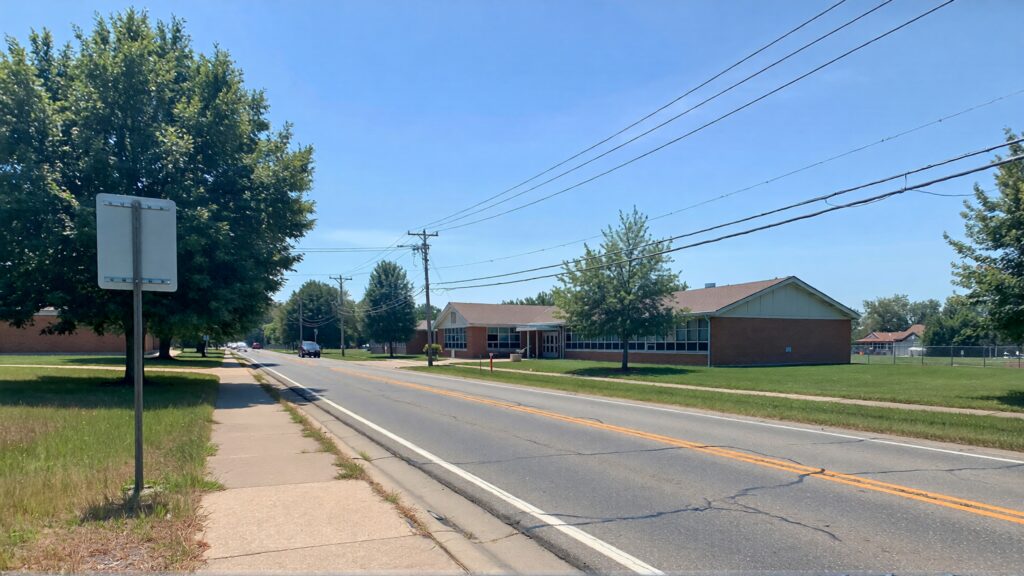
What Happened at McKinley Elementary School
The incident took place during an after-school program at McKinley Elementary School in Burlingame on Wednesday afternoon. Officials confirmed that the six-year-old boy sustained fatal injuries after a table reportedly fell on him. The child, who attended Meadows Elementary School as his home campus, was present at the McKinley program at the time.
Law enforcement and school officials have not publicly detailed how the table fell, whether adult supervisors were present, or what safety protocols were in place at the time. Those details are likely to be central to any investigation — civil or criminal — that follows.
The after-school program at McKinley Elementary is operated separately from the school’s regular academic day, and questions are already emerging about who was responsible for overseeing the space and the children present at the time. After-school programs in California are governed by a combination of state licensing requirements, district policies, and contractual obligations — particularly when a third-party provider operates the program on school grounds.
Whether the program was run directly by the Burlingame School District or administered through an outside organization is a detail that will likely carry significant legal weight. If a private vendor or nonprofit operated the program, that entity may share liability alongside the district, potentially expanding the pool of responsible parties a family’s legal team could pursue.
California Law and Wrongful Death Claims Involving Children
When a child dies due to unsafe conditions or negligence in a school or childcare setting, California law gives surviving family members the right to pursue a wrongful death claim. Under California Code of Civil Procedure § 377.60, eligible claimants include the child’s parents.
A wrongful death action allows the family to seek compensation for their losses, including the loss of the child’s companionship, emotional distress, funeral and burial expenses, and other damages. Separately, a survival action under CCP § 377.30 may allow the estate to recover for pain and suffering the child experienced before death, depending on the circumstances.
California’s general negligence standard, established under Civil Code § 1714, imposes a duty on individuals and organizations to exercise reasonable care to avoid causing harm to others. In a school or program setting, that duty extends to the children in their care — including ensuring that furniture, equipment, and the surrounding environment are safe.
Families generally have two years from the date of death to file a wrongful death lawsuit under CCP § 335.1. However, if a government entity — such as a public school district — is involved, the timeline is significantly shorter. Under the California Government Claims Act, a claim must typically be filed with the responsible public agency within six months of the incident before a lawsuit can proceed. Missing this deadline can permanently bar a family from recovery, which is why speaking with an attorney as early as possible is critical.
Government Liability and Public School Settings
McKinley Elementary School is a public school within the Burlingame School District. When a fatal accident occurs on public school property or during a publicly administered program, Government Code § 835 may apply. Under this code, a public entity can be held liable for injuries caused by a dangerous condition of its property if the entity knew — or should have known — about the hazard and failed to take reasonable steps to address it.
A dangerous condition does not have to be obvious or long-standing. If a table was improperly stored, damaged, poorly maintained, or placed in an area accessible to young children without adequate supervision, that may satisfy the legal threshold for dangerous condition liability. The question investigators and attorneys will likely examine is whether those responsible for the program had actual or constructive notice of the hazard.
It is also worth noting that liability in a public school setting does not rest solely with the district itself. Individual employees — including program supervisors, site coordinators, or administrators — may bear personal responsibility if their actions or inactions directly contributed to the child’s death. Beyond that, if the after-school program was operated by a third-party contractor, that organization and its employees could face independent negligence claims.
Outside the Government Claims Act framework, the shorter six-month filing deadline may not apply to all parties involved. A thorough legal investigation will seek to identify every entity that had a duty of care to the children in that program — from the district that owned the property to the organization that staffed it — and evaluate where that duty broke down on the day of the tragedy.
What Attorneys Look For in School Accident Cases
When a fatal accident occurs in a school or childcare setting, the legal investigation typically focuses on several key areas:
Supervision: Were adequate adult supervisors present at the time of the incident? California law and school district policies often set specific ratios for adult supervision of children, particularly in after-school programs. A failure to maintain proper supervision can be a significant factor in establishing negligence.
Equipment and furniture condition: Was the table that fell in proper working condition? Had it been inspected recently? Any records of prior damage, repairs, or complaints about the furniture could be highly relevant.
Facility safety protocols: Did the school or program have documented safety procedures for the space where children were present? Were those procedures followed on the day of the incident?
Notice of hazard: Did program staff, school administrators, or district personnel have any prior knowledge that the table or the area posed a risk?
Training and staffing: Were staff members properly trained in child safety and emergency procedures?
Attorneys representing families in cases like this will typically seek access to incident reports, surveillance footage, maintenance logs, staffing records, and witness accounts from staff and other children who were present.
One additional area attorneys will closely examine is the history of the specific space where the incident occurred. If the after-school program was held in a multipurpose room, gymnasium, cafeteria, or other shared facility, attorneys will investigate how that space was configured and whether it was appropriately set up for use by young children at the time of the incident.
Tables and folding furniture commonly found in school multipurpose rooms can pose serious hazards if they are not properly locked, stored, or secured — and if staff are not trained to recognize or address those risks. Attorneys may also consider whether the program has ever experienced prior safety incidents or near-misses that should have prompted a review of how the space was being used.
Any internal communications, inspection records, or prior complaints about the facility could become critical evidence in establishing that those responsible knew — or should have known — that conditions in that space posed a risk to the children entrusted to their care.
Why Families File Civil Lawsuits After a Child’s Death
A civil lawsuit following the death of a child is not only about financial recovery. For many families, the legal process serves a broader purpose. It can be the most effective mechanism for compelling full disclosure of what actually happened, holding individuals and institutions accountable, and forcing systemic change so that other children are not put at risk.
A wrongful death lawsuit can require the production of documents and testimony under oath that would otherwise never become public. Families can learn whether warning signs were ignored, whether staff acted appropriately, and whether the tragedy was truly unforeseeable — or the result of known, uncorrected hazards. When negligence is proven, settlements and judgments can also push organizations to change policies, improve training, and upgrade safety standards.
Compensation Available to Surviving Family Members
In a successful wrongful death claim, California law allows surviving parents to recover damages that may include:
- The loss of the child’s love, companionship, comfort, and affection
- Emotional distress and grief suffered by the parents
- Funeral and burial expenses
- Medical expenses incurred prior to the child’s death
- Any other economic losses directly tied to the death
While no amount of money can undo the loss of a child, compensation can relieve the financial burden that often accompanies tragedy and help families focus on healing.
It is also important for families to understand that California does not cap wrongful death damages in cases involving ordinary negligence — meaning there is no legal ceiling on what a jury can award for the loss of a child’s companionship, the parents’ grief, or other non-economic losses.
This is distinct from medical malpractice cases, which are subject to California’s MICRA damage caps. In a case involving a school or after-school program, where the negligence of an institution entrusted with a child’s safety is at issue, juries have historically been willing to award substantial damages that reflect the profound and irreplaceable nature of the loss.
An experienced wrongful death attorney can help a family understand the full range of compensation they may be entitled to pursue and build the strongest possible case for maximum recovery.
Understanding Wrongful Death Settlement Calculators
A wrongful death settlement calculator is a tool that helps surviving family members develop an informed estimate of the potential value of their legal claim before or during the settlement process.
While no calculator can predict with certainty what a jury might award or what an opposing party might agree to pay, these tools serve an important practical function by organizing and quantifying the various categories of damages a family may be entitled to recover. Attorneys and their teams typically use two primary methods when estimating settlement value.
The first is the multiplier method, which takes the family’s total documented economic losses — such as funeral costs and medical expenses — and multiplies that figure by a number that reflects the severity of the circumstances, typically ranging from 1.5 to 5 or higher in cases involving the death of a child due to institutional negligence.
The second is the per diem method, which assigns a daily dollar value to the family’s pain, grief, and loss of companionship, then multiplies that amount by a reasonable estimate of the number of days the parents are expected to carry that loss over the course of their lifetimes. In a case like the Burlingame tragedy, a young child died in a setting specifically designed to keep him safe.
Both methods would take into account the extraordinary nature of the loss, the child’s age, and the degree of negligence involved. A skilled wrongful death attorney will use these frameworks not as a final answer, but as a foundation for building a compelling case for full and fair compensation. Call us now at +1-866-218-3776 to speak with our experts.
Taking the First Step Toward Justice
“No family should ever have to bury a child who was simply attending an after-school program. When parents drop their kids off at a school activity, they are placing their trust in the adults and institutions responsible for keeping those children safe — and when that trust is broken with devastating consequences, families deserve answers, accountability, and justice. At GJEL, we understand that no legal action can undo this loss, but we also know that pursuing the truth about what happened can be one of the most important steps a grieving family takes. If your child was killed or seriously injured in a school or program setting, please do not wait to speak with an attorney. The legal deadlines in cases involving public institutions are unforgiving, and the sooner an investigation begins, the better the chance of preserving the evidence your family will need. We are here to help, and we will fight for your family every step of the way.” — Andy Gillin, Managing Partner, GJEL Accident Attorneys
At GJEL Accident Attorneys, we have spent more than 40 years fighting for California families who have lost loved ones due to the negligence of others. We have recovered over $950 million for our clients, including families who have faced devastating losses in settings where their children should have been safe.
If your child was injured or killed in a school program, after-school activity, or childcare setting, our team will conduct a thorough investigation, identify every responsible party, and pursue maximum compensation on your behalf. We handle every case on a contingency fee basis — meaning you pay nothing unless we recover for you.
Time is critical in cases involving public entities. The six-month government claims deadline can come quickly, and evidence can disappear. Contact GJEL Accident Attorneys today for a free consultation at +1-866-218-3776 or visit our Berkeley office.
Local Resources for Burlingame Families
Burlingame School District 1825 Trousdale Drive, Burlingame, CA 94010 (650) 259-3800 burlingameschools.org
San Mateo County Sheriff’s Office 400 County Center, Redwood City, CA 94063 (650) 363-4911 smcsheriff.com
San Mateo County Behavioral Health and Recovery Services (Crisis Line) (800) 686-0101 Available 24 hours a day for families in crisis
California Department of Education — Uniform Complaint Procedures 1430 N Street, Sacramento, CA 95814 (916) 319-0800 cde.ca.gov