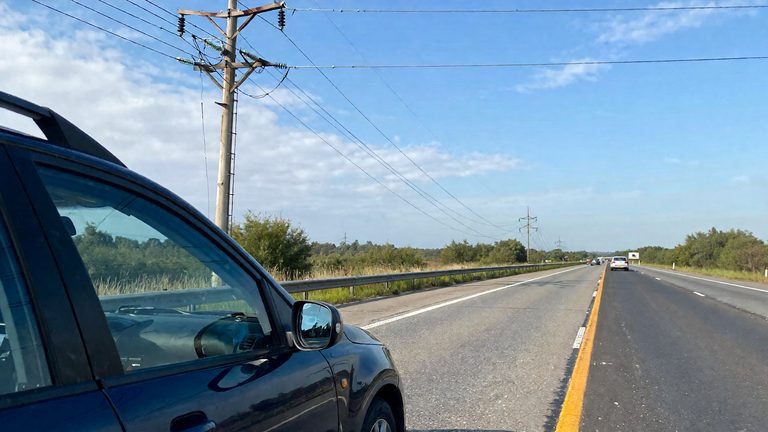
A quiet afternoon in the rural San Joaquin County community of Linden turned tragic on Monday, November 16, 2026. At approximately 4:22 p.m., California Highway Patrol (CHP) Stockton Area officers responded to a pedestrian crash involving two juvenile pedestrians on State Route 26 (SR-26), near Ione Street, directly in front of Orlando’s Market.
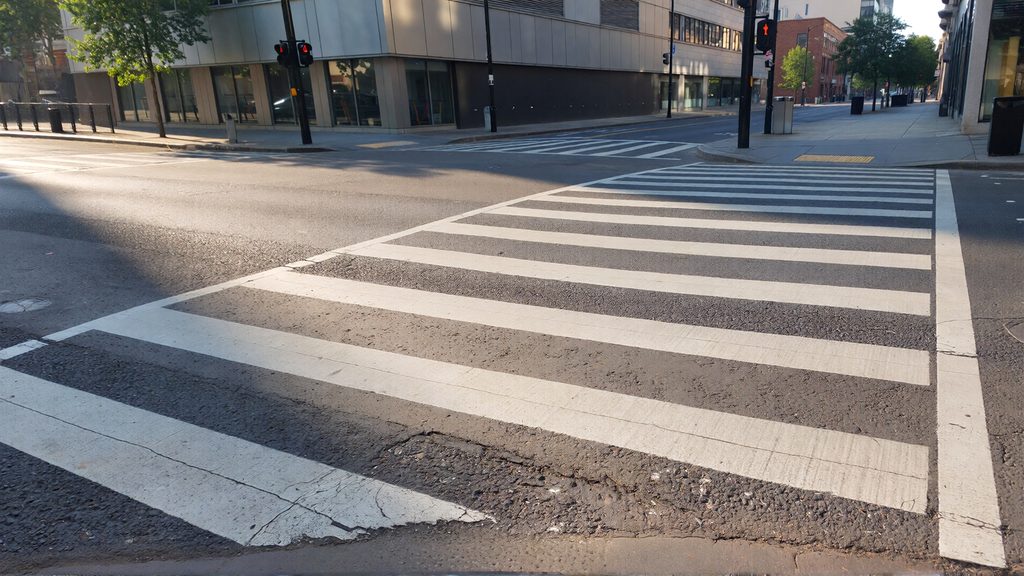
According to the preliminary investigation, two girls, ages 15 and 16, were walking within a marked crosswalk when a Toyota minivan traveling westbound on SR-26 struck them. The 15-year-old suffered serious injuries and was taken to a hospital, where she later died. The 16-year-old sustained minor injuries.
What Investigators Have Shared So Far
CHP reports that the driver of the Toyota cooperated with investigating officers. Alcohol and drugs do not appear to be contributing factors in the collision. The CHP Stockton Area is continuing to investigate, and the circumstances that led to the crash have not been fully determined. Questions about speed, visibility, driver attention, lighting conditions, and crosswalk design will likely be examined as the investigation progresses.
Until investigators release their findings, it is important not to draw conclusions about what happened or who may be responsible. Investigations into pedestrian fatalities are often detailed and can take weeks or longer to complete. In cases like this, CHP investigators commonly document the scene with measurements and photographs, examine the vehicle involved, and interview the driver and any witnesses.
They may also look for security or surveillance footage from nearby businesses and review data recorded by the vehicle itself, which can show details such as speed and braking leading up to the impact. Because this crash occurred in front of a local market, footage and eyewitness accounts could help clarify how it unfolded.
Once the investigation is finished, the findings are typically compiled into an official collision report. Families and their legal representatives can request a copy from the CHP Stockton Area office, and the report can be an important source of evidence in any subsequent civil claim. In the meantime, anyone who saw the crash or has video of it should contact CHP rather than posting it online alone, so investigators can review it.
Why Crosswalk Crashes Are So Devastating
A pedestrian has no protection against a moving vehicle. Even at moderate speeds, the force of an impact with a minivan can cause catastrophic head trauma, spinal injuries, internal bleeding, and fatal injuries, especially for young people. State routes that run through small communities add to the danger.
Roads like SR-26 often serve as both a local main street and a through route for commuters, agricultural traffic, and delivery vehicles, which means drivers may be traveling at highway speeds just as pedestrians step into a crosswalk near shops and homes.
California law places a clear duty on drivers in these situations. Under Vehicle Code section 21950, drivers must yield the right-of-way to pedestrians crossing in a marked or unmarked crosswalk and must exercise due care for their safety.
A driver’s obligation to watch for pedestrians exists even when conditions are challenging, such as low light and long shadows in the late afternoon during November.
Legal Options for Families After a Pedestrian Fatality
When a child is killed in a traffic collision, the legal process is the last thing a family wants to think about. Still, understanding the options early can protect important rights. California’s general negligence principle, found in Civil Code section 1714, holds people responsible for injuries caused by their failure to use ordinary care.
A claim after a pedestrian death typically takes the form of a wrongful death action under Code of Civil Procedure section 377.60, which allows certain family members, including parents, to seek compensation for their loss. Those damages can include funeral and burial expenses, financial contributions the family would have received, and the loss of love, companionship, comfort, care, and guidance.
A separate survival action under Code of Civil Procedure section 377.30 allows the estate to pursue losses the injured person herself experienced before her death, such as medical expenses incurred during treatment. Both types of claims are generally subject to the two-year statute of limitations in Code of Civil Procedure section 335.1.
If a public entity may share responsibility, for example, because of an alleged dangerous condition on a public roadway under Government Code section 835, much shorter deadlines can apply. A claim against a government agency generally must be filed within six months, making early legal guidance especially important.
California follows a pure comparative fault system, so a person’s compensation can be reduced by their own share of responsibility but is not eliminated entirely. In a crosswalk case, a thorough investigation of the driver’s speed, attention, and the roadway itself is essential to determining how fault should be allocated.
The Injured 16-Year-Old and Her Family
The 16-year-old who survived this crash may have endured more than the physical injuries described as minor. Witnessing the death of a friend can cause lasting emotional trauma, including anxiety, sleep disruption, and fear of crossing streets. Minor physical injuries can also conceal problems that show up later, which is why follow-up medical care matters.
Because she is a minor, special rules apply to her potential claim. California law generally pauses the filing deadline for injured minors until they turn 18, and any settlement involving a minor typically requires court approval to ensure the child’s interests are protected.
Beyond the immediate physical recovery, the 16-year-old’s family may face challenges in the weeks and months ahead that are easy to overlook. Emergency room visits, follow-up appointments, imaging, physical therapy, and counseling can add up quickly, and keeping organized records of every visit, bill, and out-of-pocket expense helps preserve an accurate picture of the harm she has experienced.
Emotional recovery deserves the same attention as physical healing. Teens who survive a traumatic event, particularly one in which a friend was killed, may struggle with nightmares, difficulty concentrating at school, withdrawal from friends and activities, or fear around crosswalks and traffic.
These reactions are common and treatable, and seeking support from a pediatrician, school counselor, or mental health professional is a sound step for any family in this position. From a legal standpoint, a minor who is injured by a negligent driver may have her own claim for the physical and emotional harm she endured, and her parents may have a claim for the medical expenses they have paid or owe on her behalf.
Because she is under 18, California law generally gives her additional time to bring a claim, and any settlement on her behalf typically must be approved by a court to ensure her interests are protected. Speaking with an attorney early can help the family understand these protections and avoid signing anything with an insurance company before they understand the full scope of her injuries and recovery needs.
How Compensation Is Evaluated
Attorneys and insurers commonly use two approaches to estimate the value of a serious injury claim. The multiplier method sums the documented economic losses, such as medical bills and lost income, and applies a multiplier reflecting the severity of the harm and the strength of the liability evidence.
The per diem method assigns a daily dollar value to the pain and suffering a person endures and multiplies it by the length of the recovery. In a wrongful death case, evaluation looks different, focusing on the family’s economic losses and the profound personal loss of the child.
No formula can capture what a family has lost, but a careful, well-documented valuation helps ensure that insurers and the courts take that loss seriously. Once the full extent of a family’s losses is understood, attorneys and insurers turn to evaluating the value of a claim, and two methods are commonly used for injured survivors.
The multiplier method begins with the documented economic losses, including medical bills, future treatment costs, and lost income, and applies a multiplier that reflects factors such as the severity of the injury, the length of recovery, the strength of the evidence of fault, and the lasting impact on the person’s life.
The per diem method assigns a reasonable daily dollar amount to the pain, anxiety, and disruption a person experiences and multiplies it by the number of days she is expected to endure them. Neither method is a fixed rule, and insurers often use them as starting points for negotiation, which is why thorough documentation matters so much.
Evaluating a wrongful death claim looks different because the focus shifts to what the family has lost. This can include funeral and burial expenses, the financial support and household services a loved one would have provided, and the loss of love, companionship, comfort, and guidance that a parent experiences after the death of a child.
No dollar figure can replace a daughter, but a carefully prepared valuation, supported by records, testimony, and a complete investigation of how the crash occurred, helps ensure that an insurer or a jury understands the true weight of that loss.
Families should also be cautious about early settlement offers, since a quick payment may be made before the full scope of the harm is known and may require them to give up their right to pursue additional compensation.
Wrongful Death Settlement Calculators and Why They Matter
When a family loses a loved one in a preventable crash, one of the first questions they face is what a fair settlement might look like, and a wrongful death settlement calculator can offer a helpful starting point. These online tools generally ask for details such as funeral and medical expenses, the age and health of the deceased, the financial support and household services they provided, and the degree of fault attributed to each party.
The calculator then applies a formula, often a multiplier of the documented economic losses, to produce a rough range. This is useful because it shows families that the value of a claim is based on specific, documented categories of loss rather than guesswork, and it can encourage them to start gathering bills, records, and other evidence early.
In a case involving the death of a child, a calculator has real limits, since a young person has no earnings history and the largest part of the loss is the parents’ loss of love, companionship, comfort, and guidance, which no formula can measure precisely. Other factors can also change the outcome, including available insurance coverage.
Whether a public entity may share responsibility and how fault is allocated under California’s pure comparative fault rules. For these reasons, a calculator is best treated as an educational tool for understanding how compensation is evaluated, not as a promise of what a family will receive.
An experienced wrongful death attorney can take those estimates, test them against the evidence and the law, and build a valuation that reflects the true extent of the family’s loss. Call us now at 1-855-508-9565 to speak with the experts.
Speak With GJEL Accident Attorneys
“When a crash like this one takes a life or leaves a young person injured, the days that follow are overwhelming, and the last thing a family should have to carry is the fear of facing the legal process alone. If you or someone you love was hurt in this collision, please focus first on medical care and healing. When you are ready, speak with an experienced accident attorney before you talk with an insurance company or sign anything, because early decisions can affect your rights and the deadlines that apply to your claim. We are here to listen, to answer your questions, and to fight for the answers and the compensation your family deserves.” – Andy Gillin, Managing Partner of GJEL Accident Attorneys
GJEL Accident Attorneys has more than 40 years of experience representing families after serious and fatal accidents and has recovered over $950 million for clients. If you or someone you love has been affected by a pedestrian crash in Linden or anywhere in California, we offer free, confidential consultations.
We handle cases on a contingency fee basis, which means you pay no attorney fees unless we recover compensation for you. Call 1-855-508-9565 or visit our Walnut Creek office to speak with our team.
Local Resources and Where to Find Help
Families and witnesses affected by this crash have several public agencies and support organizations they can turn to for information, official records, and assistance:
California Highway Patrol
The CHP Stockton Area office is investigating the collision and is the best place to share information or ask about the status of the case. The office is located at 2720 Wilcox Road, Stockton, CA 95215, and can be reached at (209) 938-4800. Office details and hours are available at https://www.chp.ca.gov/find-an-office/valley-division/offices/(265)-stockton, and the CHP’s main website is https://www.chp.ca.gov.
Parents, legal guardians, and other parties of interest can request a copy of the official collision report once it is available through the CHP Crash Portal at https://crashes.chp.ca.gov. Instructions for requesting a report by mail or in person, including the CHP 190 form, are posted at https://chp.ca.gov/traffic/request-a-crash-report/. General traffic safety information and instructions for filing a traffic complaint about a hazardous roadway condition are available at https://www.chp.ca.gov/traffic.
Caltrans District 10
SR-26 is a state highway, which means the roadway, crosswalk markings, signage, and lighting are generally the responsibility of the California Department of Transportation. Caltrans District 10 serves San Joaquin County from its Stockton office at 1976 E. Dr. Martin Luther King Jr. Blvd., Stockton, CA 95205.
Its website is https://dot.ca.gov/caltrans-near-me/district-10, and its Public Information Office can be reached at (209) 948-3849 or district10publicaffairs@dot.ca.gov. Residents who want to report a roadway safety concern can use the contact information on that page. Anyone considering a claim involving the condition of a state roadway should know that claims are submitted to the District 10 Claims office at P.O. Box 2048, Stockton, CA 95201, with questions directed to (209) 948-7864. Because claims against public entities carry short deadlines, speaking with an attorney promptly is strongly advised.
San Joaquin County Sheriff’s Office
Linden is an unincorporated community, so local law enforcement questions that fall outside the CHP’s role on state routes may involve the San Joaquin County Sheriff’s Office. Its website is https://www.sjgov.org/sheriff, and its main line is (209) 468-4400.
California Victim Compensation Board
The California Victim Compensation Board (CalVCB) helps eligible victims and their family members cover expenses such as counseling, medical care, lost income, and funeral costs. Eligibility depends on the circumstances of the incident, so families should contact CalVCB to find out whether they qualify. Information and the online application are available at https://victims.ca.gov, and customer service can be reached at 1-800-777-9229. Hearing-impaired callers can reach CalVCB through the California Relay Service at 711.
Victims of Crime Resource Center
The Victims of Crime Resource Center provides education, legal referrals, and resource information to crime victims across California. Its website is https://1800victims.org, and its toll-free line is 1-800-VICTIMS (1-800-842-8467).
California DMV Accident Reporting
When a crash involves injury or death, drivers involved are generally required to report it to the DMV within 10 days using form SR-1, regardless of whether police filed a report. Information on this requirement is available at https://www.dmv.ca.gov/portal/dmv-virtual-office/accident-reporting/. A family’s attorney can often help ensure that these filings are handled correctly.