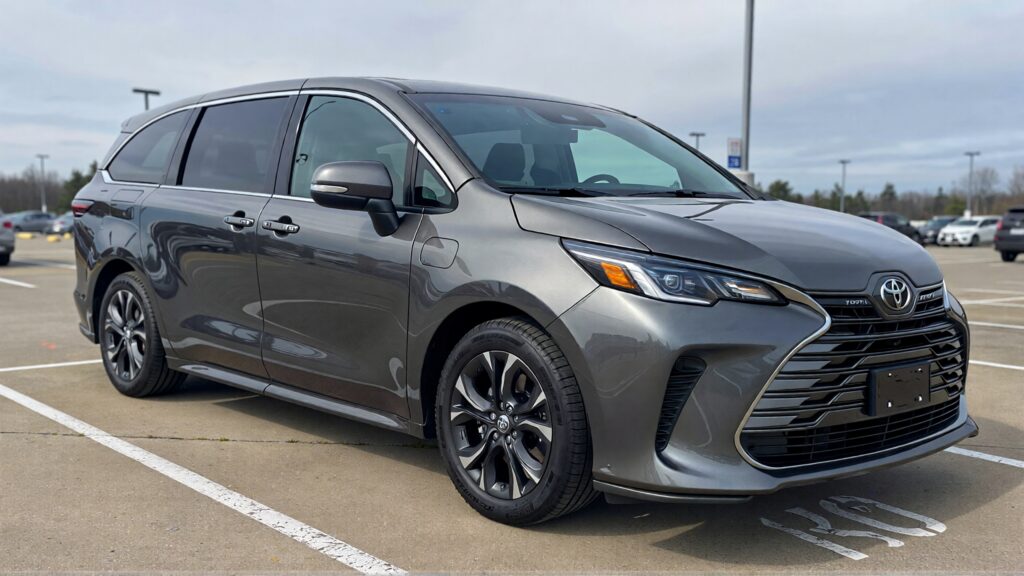
A toddler killed while walking in the driveway of a San Jose apartment complex on Tuesday afternoon was fatally struck by a driver in a minivan, according to the San Jose Police Department. The victim had barely begun to walk when his life was cut short in a place where families live, children play, and residents expect a measure of safety.
The tragedy has left a community grieving and raises serious questions about pedestrian safety in private residential spaces — spaces that lack the traffic controls, crosswalks, and speed enforcement that public roads provide, yet can be just as deadly for the youngest and most vulnerable among us.
What Happened on Canoas Garden Avenue
The collision occurred around 4:23 p.m. at Canoas Garden Townhomes in the 2100 block of Canoas Garden Avenue, just west of the Almaden Expressway. The San Jose Police Department said that the toddler was walking in the parking area when the van struck him.
The man driving the taxi remained on the scene and cooperated with investigators. Neither alcohol nor drugs was believed to be a factor in the collision. Police spokesperson Stacie Shih later said at a press conference on Wednesday that the preliminary investigation has so far determined that speed was also not a factor.
The parking area at Canoas Garden Townhomes is a shared residential space where tenants, visitors, and children move through daily. On an ordinary Tuesday afternoon, a family’s world was shattered in a matter of seconds. Investigators continue to piece together the precise sequence of events that led to the collision, including the roles visibility, vehicle positioning, and other environmental factors may have played.
Until those answers are known, the full picture of how this tragedy unfolded remains incomplete. Witnesses told ABC7 that emergency responders attempted CPR at the scene before the boy was taken to a hospital, where he later died. This marks San Jose’s 16th deadly collision and seventh pedestrian death of 2026, according to police.
Pedestrian Safety in Parking Areas and Private Driveways
Many people assume that pedestrian danger is concentrated at intersections and along busy roadways. But tragedies like this one make clear that apartment complex driveways and parking areas can be just as hazardous — particularly for young children, who move unpredictably and may be difficult for drivers to see.
In California, drivers owe a duty of care to all pedestrians, whether on a public street or in a private residential parking area. Under California Civil Code §1714, every person is responsible for injuries caused by their lack of ordinary care. In a parking area shared by residents and their families, that duty demands heightened vigilance — slow speeds, careful observation, and an awareness that children may be present at any time of day.
Residential parking areas present unique dangers that are often underestimated. Unlike public roads, they typically have no posted speed limits, no crosswalks, no traffic signals, and no designated pedestrian pathways. Drivers navigating these spaces may be distracted, unfamiliar with the layout, or simply unprepared for a toddler who steps into their path without warning.
For children at or below the sightline of most vehicle hoods — as an 18-month-old would be — the risk of going unseen is tragically real. Property owners and management companies also have a responsibility to design and maintain parking areas to reduce these risks, including providing clear pedestrian routes, adequate lighting, speed bumps, and visible signage.
When a collision occurs, the responsible driver is legally required to remain at the scene, render reasonable assistance, and fully cooperate with law enforcement. The driver in this case did fulfill those obligations, which may factor into the civil and criminal proceedings that follow.
Wrongful Death Rights for Families in California
When a child dies as a result of someone else’s negligence — even negligence that was not intentional — California law gives surviving family members the right to pursue a wrongful death claim. Under California Code of Civil Procedure §377.60, eligible claimants include the child’s parents and other close family members who have suffered a loss.
A successful wrongful death claim can recover compensation for medical expenses incurred before death, funeral and burial costs, and the profound emotional suffering that comes with losing a child. California’s two-year statute of limitations under CCP §335.1 governs most personal injury and wrongful death claims, though special rules may apply in cases involving minors or government entities, making early legal consultation essential.
Beyond the immediate financial losses, California wrongful death law also recognizes the longer-term impact on a family’s life. Parents who lose a child may recover damages for the loss of the child’s companionship, comfort, and the relationship they were robbed of watching grow. In cases where the child survived briefly before passing.
A separate survival action under CCP §377.30 may also be filed on behalf of the estate to recover damages for the pain and suffering endured in the moments between the collision and death. These claims are distinct but can be pursued together, and an experienced wrongful death attorney can help families understand which avenues of recovery apply to their specific circumstances and how to build the strongest possible case.
In cases where a driver flees or is otherwise uninsured, families may still have recourse. Uninsured motorist coverage through a family auto insurance policy can provide a path to compensation even when the at-fault driver cannot be held directly accountable.
Understanding Wrongful Death Settlement Value in California
Calculating the potential value of a wrongful death claim is one of the most complex aspects of pursuing legal action after a tragic loss, and it is an area where an experienced attorney’s guidance is indispensable. California courts and legal practitioners typically rely on two primary methodologies when estimating settlement value.
The first is the multiplier method, which multiplies the total economic damages — medical bills, funeral costs, and lost future contributions — by a figure reflecting the severity of the loss and the degree of negligence involved. The second is the per diem method, which assigns a daily dollar value to the family’s pain and suffering and multiplies it by the number of days that loss is expected to affect their lives.
For a toddler, that figure can span decades. Both methods account for factors such as the victim’s age, the financial and emotional dependency of surviving family members, the strength of the evidence, and the degree to which each party may share fault under California’s comparative negligence framework.
While no calculation can capture the true cost of losing a child, these methodologies provide a structured basis for negotiating a fair settlement with insurance companies or presenting a damages case before a jury. An attorney who handles wrongful death claims regularly will know how to apply these tools accurately and advocate for a result that reflects the full weight of what a family has lost. Call us now at +1-866-218-3776 to speak with our experts.
Take Action Today – Get the Help You Deserve
“The death of a child is a loss no family should ever have to endure, and my heart goes out to the parents and loved ones of little Olivier during what must be an unimaginably painful time. As an attorney who has worked with grieving families for over 40 years, I want them to know that they do not have to face what comes next alone. California law exists to protect families like theirs, and pursuing a wrongful death claim is not about reducing their child’s life to a dollar amount — it is about holding the responsible parties accountable and securing the financial stability a family needs to begin rebuilding. If you have lost a child or a loved one in a parking area collision or any pedestrian accident, I urge you to speak with an experienced attorney as soon as possible. Evidence fades, witnesses’ memories fade, and the window to act has legal limits. At GJEL, we will listen to your story, explain your options clearly, and fight for every dollar your family deserves — at no cost to you unless we win.”— Andy Gillin, Managing Partner, GJEL Accident Attorneys
GJEL Accident Attorneys has been fighting for injured Californians and grieving families for more than 40 years. With over $950 million recovered on behalf of our clients, we understand what is at stake when a family loses everything. We handle wrongful death cases on a contingency fee basis — meaning you pay nothing unless we win.
At GJEL, we ensure that all evidence is properly preserved and that all potential sources of compensation are thoroughly investigated, allowing families to focus on healing. Talk to an experienced GJEL accident attorney for a free legal consultation. Contact us at +1-866-218-3776 or visit our Sacramento office.
Local Resources for San Jose Families
San Jose Police Department — Traffic Investigations Unit: The San Jose Police Department’s Traffic Investigations Unit handles all fatal and serious-injury collisions within the city. Families seeking updates on an ongoing investigation or anyone with information about this crash can reach out directly. 4305 Charter Oak Drive, San Jose, CA 95128 Non-Emergency Line: 408-277-8900 Traffic Investigations: 408-277-4654 Website: www.sjpd.org Collision Reports: www.sjpd.org/records/traffic-collision-reports
Santa Clara County Medical Examiner-Coroner’s Office. The Medical Examiner-Coroner’s Office manages identification, cause of death determinations, and death certificates for fatalities occurring within Santa Clara County. Families needing official documentation for legal or insurance purposes can contact this office directly. 2220 Moorpark Avenue, San Jose, CA 95128 Phone: 408-793-1900 Website: www.sccgov.org/sites/mec
Valley Medical Center — Santa Clara Valley Health — is Santa Clara County’s only Level I Trauma Center and the primary public hospital serving San Jose residents. It provides emergency, trauma, and follow-up care for collision victims. 751 South Bascom Avenue, San Jose, CA 95128 Phone: 408-885-5000 Emergency Department: 408-885-5000 Website: www.scvmc.org
California Highway Patrol — San Jose Area Office The CHP San Jose Area Office oversees traffic safety enforcement and collision investigation on state highways and expressways in the region, including the Almaden Expressway near the site of this crash. Families involved in collisions on state roads or expressways can request reports through this office. 2030 Junction Avenue, San Jose, CA 95131 Phone: 408-961-0900 Website: www.chp.ca.gov Collision Records Request: www.chp.ca.gov/programs-services/services-information/request-collision-report
Santa Clara County Roads and Airports — Traffic Engineering Santa Clara County’s Traffic Engineering division oversees traffic safety on county expressways, including the Almaden Expressway. Residents and families who believe roadway design or signage contributed to a collision can file a concern or request a traffic safety review through this department. 1555 Berger Drive, Suite 300, San Jose, CA 95112 Phone: 408-573-2408 Website: www.sccgov.org/sites/roads
City of San Jose — Department of Transportation The San Jose Department of Transportation manages traffic safety initiatives, pedestrian infrastructure, and Vision Zero — the city’s commitment to eliminating traffic fatalities. Residents can report dangerous intersections or request traffic safety improvements through this department. 200 East Santa Clara Street, San Jose, CA 95113 Phone: 408-535-3555 Website: www.sanjoseca.gov/transportation Vision Zero San Jose: www.sanjoseca.gov/your-government/departments-offices/transportation/vision-zero
California Victim Compensation Board The California Victim Compensation Board provides financial assistance to victims of violent crime and their families, covering costs such as medical expenses, mental health counseling, and funeral costs for qualifying applicants. P.O. Box 3036, Sacramento, CA 95812 Phone: 1-800-777-9229 Website: www.victims.ca.gov Online Application: www.victims.ca.gov/victims/how-to-apply.aspx
Bay Area Legal Aid — Santa Clara County Office Bay Area Legal Aid provides free civil legal services to low-income residents of the Bay Area, including assistance navigating insurance claims, benefits, and other legal needs following a serious accident or loss. Phone: 408-283-3700 Website: www.baylegal.org
California Department of Insurance — Consumer Hotline. If you are having difficulty filing a claim or believe an insurance company is acting in bad faith following a collision, the California Department of Insurance can provide guidance and accept formal complaints. Phone: 1-800-927-4357 Website: www.insurance.ca.gov File a Complaint: www.insurance.ca.gov/01-consumers/101-help/index.cfm