
Non-traumatic brain injuries can have devastating consequences, but you may be entitled to compensation if negligence played a role. GJEL Accident Attorneys have extensive experience handling these complex cases. Learn about the causes, symptoms, and legal options available to you. Contact us today for a free consultation.
Many non-traumatic brain injury lawyers handle these cases on a contingency-fee basis, which means attorney’s fees are typically paid only if compensation is recovered.
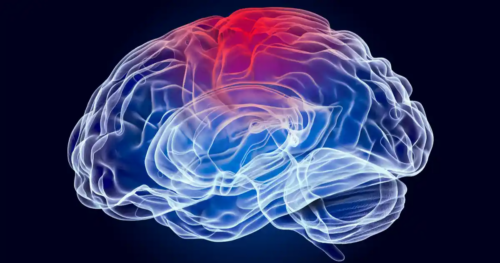
Non-traumatic brain injuries can be serious. They may have a significant impact on your life and can cause significant financial losses. Generally, you can seek compensation if someone else’s negligence or misconduct caused your non-traumatic brain injury.
Although no amount of compensation can completely remedy your brain injury, it may help you cover the bills and damages you sustained from your injury. Compensatory damages can also help alleviate the financial strain, ease suffering, and mitigate long-term financial impacts.
If you’ve experienced a non-traumatic brain injury because of another person’s negligence, you should speak with an experienced brain injury lawyer who understands these cases and can fight for your compensation. Fortunately, GJEL Accident Attorneys will work tirelessly to fight for your compensation. Our top-rated attorneys are client-centered, meaning we focus on your specific needs while fighting for your rights. Contact us today.
In many non-traumatic brain injury cases, the legal challenge is proving damage caused by internal events such as oxygen deprivation, toxic exposure, or medical error. These injuries can be harder to document than injuries caused by a direct blow to the head, so it is important to work with a lawyer who can review medical records, identify negligence, and clearly show how the injury affects your daily life.
Types of Brain Injury
Generally, there are two main types of brain injuries: traumatic and non-traumatic. Below, we define each and describe the differences between the two.
Non-Traumatic Brain Injury Definition
A non-traumatic brain injury is also called an acquired brain injury. A non-traumatic brain injury is generally caused by internal factors. Some causes of non-traumatic brain injury include:
- Reduced oxygen supply to the brain;
- Immense pressure from a tumor or swelling;
- Internal bleeding in the brain caused by an aneurysm, burst blood vessel, or stroke;
- Exposure to toxins;
- Problems with other organs that disrupt the oxygen supply to the brain;
- Autoimmune diseases and infections; and
- Substance abuse.
Oxygen deprivation injuries may happen after a near-drowning incident, carbon monoxide poisoning, anesthesia errors, cardiac arrest, or other medical emergencies that reduce the brain’s oxygen supply.
Non-traumatic brain injuries often result from an ongoing illness or injury. However, traumatic brain injuries from an accident can cause non-traumatic brain injuries if they go undiagnosed for a prolonged period or are improperly treated.
Examples of non-traumatic brain injuries include:
- Stroke,
- Aneurysm,
- Near-drowning,
- A tumor,
- Meningitis, and
- Lack of oxygen to the brain from a heart attack.
If you suspect that you have a non-traumatic brain injury, see a doctor immediately.
Traumatic Brain Injury
A traumatic brain injury (TBI) usually results from something external damaging the brain. An outside force, such as a violent blow or jolt, can cause a TBI. A TBI can also result from an object piercing the skull and entering the brain. A serious TBI can lead to severe and permanent disability and death. Some TBI injuries are immediately apparent. Others appear gradually over time.
TBIs are generally classified into two different categories: penetrating and non-penetrating TBI.
Both can cause temporary or short-term problems with normal brain function, including problems with how the person communicates, thinks, understands, moves, and acts. They can also cause permanent long-term disabilities.
Examples of a Non-Traumatic Brain Injury
Non-traumatic brain injuries are internal, which means their causes are often internal. However, accidents resulting from another person’s negligence can cause non-traumatic brain injuries. Some common causes of non-traumatic brain injuries that may result from someone else’s negligence or misconduct are below.
Stroke
One of the most common causes of non-traumatic brain injuries is strokes. A stroke on its own is generally not caused by someone else’s conduct. However, medical malpractice or other negligence may lead to a stroke, depending on your circumstances. You should speak with an attorney if you believe medical malpractice led to your stroke.
For example, a doctor’s failure to recognize stroke symptoms, delays in diagnosis, or failure to timely begin treatment may increase the risk of permanent brain damage.
Drowning Accidents
Not all drowning incidents result in death, but many leave the victim suffering from the long-term effects of non-traumatic brain injuries. According to the Centers for Disease Control (CDC), there are 8,000 non-fatal drowning incidents per year, mostly involving children. While some drownings are pure accidents, others are caused by someone’s negligence.
Drowning causes non-traumatic brain injuries due to asphyxiation from an extended period under the water. Asphyxiation refers to when the brain is deprived of oxygen. Surviving a non-fatal drowning accident can result in permanent brain injuries and impairment, including:
- Memory loss,
- Loss of motor functions,
- Loss of the ability to speak, and
- Learning disabilities.
Depending on how long the brain is deprived of oxygen will impact the severity of any injuries. While some drownings are pure accidents, others are caused by negligence. Some examples of negligence leading to drowning include:
- Failure to provide adequate supervision,
- Failure to maintain a pool, and
- Failure to secure the pool with a gate or barrier.
Under these circumstances, you may be able to seek compensation for a non-traumatic brain injury.
Medical Malpractice
Advancements in medical technology and techniques have undoubtedly helped to reduce medical errors, but malpractice still occurs. Medical malpractice and surgical mistakes can lead to non-traumatic brain injuries. Examples of malpractice that can lead to non-TBIs include:
- Surgical mistakes,
- Untreated blood clots,
- Failure to timely treat a stroke,
- Incorrect medication dosage, and
- Incorrect anesthesia administration.
Physicians are human and make mistakes, and machines malfunction. All of these can lead to a non-TBI injury.
Medical malpractice can also involve birth-related oxygen deprivation, delayed response to a patient in distress, or other hospital errors that interrupt oxygen flow to the brain.
Exposure to Toxic Chemicals
Exposure to toxic chemicals or neurotoxins—especially long-term exposure —can lead to brain injury and damage. Generally, neurotoxins are toxic chemicals or components poisonous to the human brain. They can destroy brain tissue. While many people think of exposure to neurotoxins as occurring through the air, you can also ingest neurotoxins.
Toxic exposure cases may involve harmful chemicals, environmental pollutants, or unsafe workplace conditions. In some claims, the issue is not just exposure itself, but whether an employer, property owner, manufacturer, or other responsible party failed to warn people, follow safety rules, or remove a known hazard.
Symptoms of Non-Traumatic Brain Injuries
Symptoms of non-traumatic brain injuries often overlap those of traumatic brain injuries. Individuals with brain injuries often experience much of the same symptoms, whether they are suffering from a TBI or non-TBI. These symptoms can range from mild to severe and from short-term to permanent.
Common symptoms of brain injuries include the following:
- Loss of consciousness,
- Nausea,
- Vomiting,
- Persistent headache,
- Sudden personality change,
- Confusion and brain fog,
- Depression and anxiety,
- Fatigue,
- Changes in appetite,
- Changes in sleep patterns,
- Dizziness,
- Loss of coordination and balance,
- Convulsions and seizures,
- Sensitivity to light,
- Vision problems,
- Slurred speech,
- Memory loss,
- Trouble focusing,
- Increased aggression, and
- Learning disabilities.
Seek medical attention if you experience any of these symptoms.
Some non-traumatic brain injuries are sometimes described as “invisible” injuries because the full extent of the damage may not appear clearly on standard imaging right away. Even so, cognitive, emotional, behavioral, and functional changes can still be serious and life-changing.
The long-term effects of a mild traumatic brain injury can vary widely from individual to individual. However, one of the possible long-term effects is a non-traumatic brain injury.
What to Look for in a Non-Traumatic Brain Injury Lawyer
When you are dealing with a non-traumatic brain injury claim, legal experience matters. These cases often involve complicated medical records, expert opinions, and long-term care issues.
A strong non-traumatic brain injury lawyer should understand the medical issues behind stroke, oxygen deprivation, toxic exposure, and other acquired brain injuries. They should also have access to medical experts, rehabilitation specialists, and life-care planners who can help show the full cost of future treatment, lost income, and daily support needs.
It is also important to look for a law firm with a proven record in serious injury litigation. Brain injury claims can involve substantial damages, especially when the injury leads to permanent cognitive, physical, or emotional impairment.
Non-Traumatic Brain Injury Lawyers
For over 40 years, GJEL Accident Attorneys have helped Californians seek the compensation they deserve for injuries caused by someone else. We are here if you or someone you love suffers a non-traumatic or traumatic brain injury. We understand the difficulties involved in recovering from a serious injury. We believe that your focus should be on your recovery. Trust your legal case with us. Contact us today.
Visit our office nearest to you.