
Quick Definition & Stages
CTE stands for chronic traumatic encephalopathy, a progressive degenerative brain condition linked to repeated head impacts and traumatic brain injuries (TBIs) over time. Unlike a single isolated concussion, CTE develops gradually as brain tissue and neurons deteriorate, impairing memory, mood, impulse control, and motor function. Doctors can evaluate clinical symptoms during life, though a formal diagnosis currently requires examining brain tissue postmortem.
Mild symptoms such as short-term memory loss, headaches, minor depression, and increased frustration.
Stronger mood and behavioral changes, including severe depression, aggression, headaches, and language trouble.
Marked decline in attention and concentration, explosive behaviors, and difficulty with fine motor tasks.
Severe memory loss, dementia symptoms, paranoia, aggression, and difficulty walking or speaking.
Legal options in California: When preventable negligence, defective protective gear, unsafe sports protocols, or an assault causes or worsens repeated brain trauma, victims and families may be eligible for financial recovery. See when you can pursue compensation for CTE.
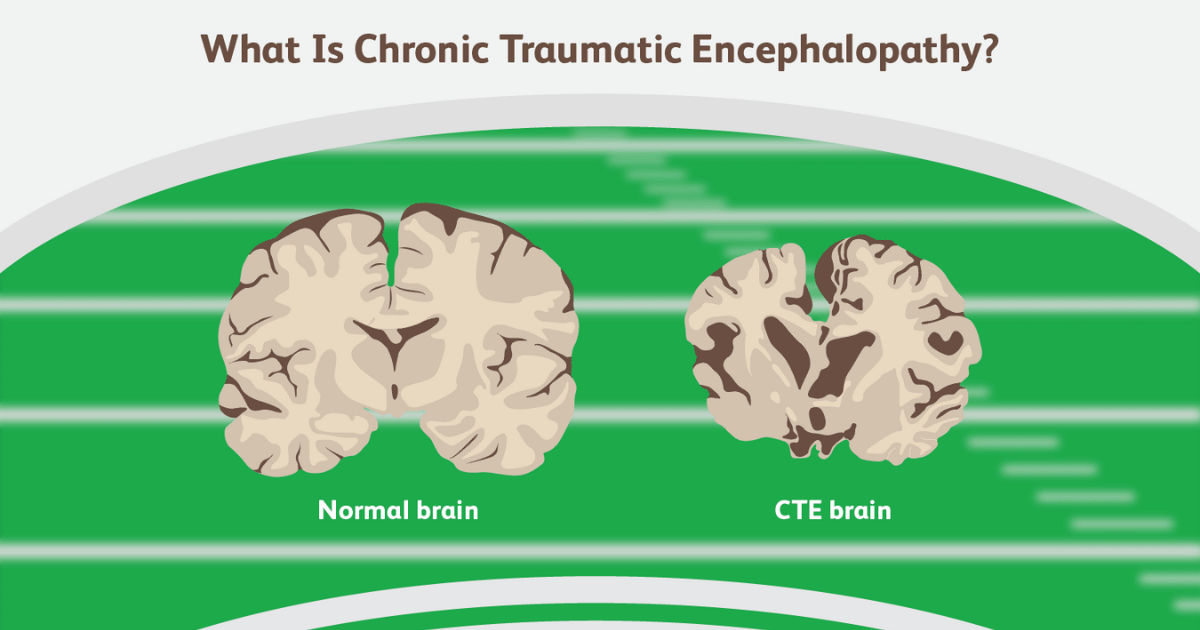
Researchers are still refining the clinical criteria and long-term trajectory for chronic traumatic encephalopathy. With new research and growing awareness around TBIs, especially in contact sports, military service, and motor vehicle collisions, scientists are better able to distinguish CTE from other degenerative conditions such as Alzheimer’s disease and dementia. Doctors are also better equipped to recognize CTE symptoms early and help patients manage them. You may be eligible for compensation if you develop CTE or related brain trauma because of someone else’s wrongful actions.
GJEL Accident Attorneys fight for injury victims to help them improve their quality of life and obtain justice for what happened to them. No one should have to live with physical or mental pain because of someone else’s intentional or negligent misconduct. We advocate for injury victims to help them reclaim their agency and begin to move forward.
What Does CTE Mean and How Does It Affect the Brain?
CTE is an often fatal brain condition stemming from repeated TBIs. Military veterans, sports players, victims of domestic violence, and others who routinely encounter head trauma are most at risk of developing CTE. Because of its degenerative nature, researchers long thought it was a type of Alzheimer’s or dementia. The medical profession began recognizing CTE as a distinct condition in 1949, but its current name did not appear until much later.
Researchers believe that repeated injuries to the brain cause the tissue and neurons to deteriorate and suffer damage. The condition presents symptoms similar to Alzheimer’s and dementia, affecting people’s memory, mood, coordination, and behavior in a degenerative fashion. Further, like other degenerative conditions, those with CTE may get worse over time, although people can take steps to manage the risk of getting further head injuries.
Who Is at Risk of Developing CTE?
Anyone can potentially develop CTE, but those who are most at risk include people who suffer repeated head injuries. Populations that are at risk include the following:
- Survivors of domestic violence,
- Military veterans,
- Police officers,
- Football players,
- Boxers,
- Car accident victims,
- People with epilepsy,
- Those with autism or other conditions who engage in head-banging activities,
- Soccer players, and
- Hockey players.
People should try to avoid situations where they repeatedly suffer injuries to their heads. If someone involuntarily puts another in a position where they are at risk of suffering a TBI, experienced TBI attorneys can help them identify and assert their legal rights.
What Are the 4 Stages of CTE?
Currently, the only reliable way for doctors to formally diagnose CTE in patients is to view their brain tissue. Because of this, many diagnoses are only confirmed postmortem. Researchers have identified four stages of CTE, although they are still learning more about the condition and the symptoms it displays. Stage I CTE typically involves mild symptoms, such as memory loss, minor depression, or increased frustration tendencies. Stage II CTE includes more significant psychiatric, behavioral, and physical limitations, including severe depression and aggression. People with Stage II CTE also commonly experience headaches and memory and language problems.
Stage III CTE results in a notable decrease in attention and concentration abilities, increased explosive behaviors, and difficulties with tasks that require fine motor skills and concentration (such as buttoning a shirt or writing). Finally, those with Stage IV CTE often experience severe memory loss and symptoms of dementia. They also may have difficulty walking, talking, and staying calm, often accompanied by paranoia and aggression.
Can CTE Cause Seizures?
CTE, like other TBIs, may increase someone’s risk of having seizures or even cause someone to develop a seizure disorder. The person’s risk of developing epilepsy after a TBI increases with the severity of the head injury. Other risk factors include age and overall health. Some people may experience seizures immediately after the head injury, while others may not have a seizure until days or weeks after the incident. The medical term for when someone with a TBI develops an injury-related seizure disorder is post-traumatic epilepsy.
Recent Study on CTE in Sports
The dangers of contact sports are well-documented, but only recently are people and players beginning to fully understand the risk of developing severe and irreversible brain damage. In a study published by Boston University CTE Center in February 2023, researchers found evidence of CTE in 91.7% (345 out of 376) of deceased NFL players who donated their brains to science. As Ann McKee notes, head traumas are the primary indicator for developing CTE, a diagnosis that currently requires viewing a sample of the brain. Additional research is underway to understand more about this complex disease.
Can You Receive Compensation for Developing CTE?
You may be eligible to receive compensation if the underlying cause of your condition is or might be due to someone else’s actions. For example, a daycare provider may be responsible for injuries suffered by a child with autism if the provider did not put on the child’s helmet or take steps to prevent them from repeatedly hitting their head. Military veterans may also receive compensation if they receive defective or insufficient protective equipment while training or on active duty. In short, if someone else’s conduct may have caused or contributed to your injury, you may be able to pursue compensation to cover your medical expenses, pain and suffering, lost wages, and other damages.
Frequently Asked Questions About CTE
What does CTE stand for in medical terms?
CTE stands for chronic traumatic encephalopathy. It is a progressive degenerative brain condition associated with repeated traumatic brain injuries (TBIs) and recurring blows to the head over time.
How is CTE diagnosed?
Currently, a formal diagnosis of CTE can only be confirmed postmortem by examining brain tissue directly. During a patient’s lifetime, neurologists and doctors evaluate medical history, exposure to repeated head trauma, and cognitive, mood, or motor symptoms to rule out other conditions and guide symptom management.
What are the early warning signs of CTE?
In Stage I and Stage II CTE, commonly reported symptoms include short-term memory loss, recurring headaches, mild to severe depression, heightened frustration, mood swings, aggression, and language difficulties. In later stages, symptoms progress toward impaired concentration, fine motor trouble, and dementia.
When can someone pursue a brain injury claim related to CTE in California?
If another person, organization, care provider, or product manufacturer negligently caused or contributed to repeated head trauma, such as failing to follow concussion safety protocols, providing defective protective gear, or causing a serious crash or assault, injured victims and families may pursue compensation for medical care, lost income, and pain and suffering under California law.
GJEL Accident Attorneys: Dedicated Personal Injury Lawyers Serving California
CTE can have devastating consequences on your physical, mental, and emotional well-being, changing the way you interact with and perceive the world. No one should suffer these effects because of another’s thoughtless or malicious actions.
Our team tirelessly fights for victims to uncover all possible avenues of recovery. We understand what is at stake and are here to hold the bad actors accountable. Kristin Lucey has over 27 years of experience helping injury victims recover compensation and has been recognized as a Northern California Super Lawyer in 2010 and every year since 2014.
If you suffer from CTE or a serious head injury because of someone else’s actions, contact our office today to schedule a no-obligation consultation.
Visit our office nearest to you.
If a crash or a fall caused a head injury in the East Bay, our Fremont brain injury lawyers offer a free case review.