
This article explores cutting-edge bicycle safety technologies that prevent injuries, including smart helmets, turn signals, and distracted driving apps. Innovative solutions like handlebar traffic control aim to increase driver awareness of cyclists.
Today’s bicycle safety technology goes beyond passive protection. Many new systems are designed to prevent crashes before they happen by improving situational awareness, increasing rider visibility, and helping bicycles and vehicles communicate in real time.
While technology offers promising advancements, traditional safety measures like wearing helmets and obeying traffic laws remain crucial. Discover how these technologies can make cycling safer and encourage a “share the road” attitude.
Explore the San Jose bicycle crash map for a historical view of reported bicycle-involved collisions from 2020–2024.
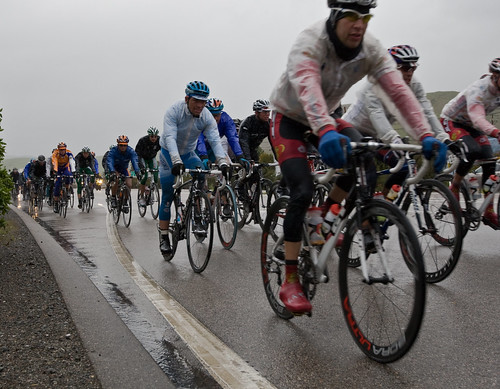
Cars seem destined for distracted driving. Though paying attention to the road and traffic signs is essential, most cars come equipped with a navigation screen, a complicated control panel, or, at the very least, a radio. So, driver safety technology has a lot to compete with.
However, the matter differs for bicyclists, who aren’t protected by a metal and glass shield and must always be aware of their surroundings. That doesn’t mean technology can’t help reduce bicycle accident injuries. In honor of National Bike Month, we’ve compiled a list of five of the most interesting technologies designed to improve bicycle safety. Take a look, and let us know of others in the comments section or our Facebook page.
Head Injury Helmet Sensor
If your bicycle crashes in the forest and no one hears, will anyone find out? Well, thanks to top chef Biju Thomas’ new experimental helmet technology. Thomas and a team of scientists and product designers have developed the SenseTech HALO helmet technology to sense major head injuries and alert medical authorities through cell phones to help the injured cyclist.
The new helmet design includes a high-tech sensor beneath the helmet’s foam surface programmed to know when the cyclist has experienced a major accident. The sensor then transmits a signal via Bluetooth to the cyclist’s smartphone, which alerts the closest relevant hospital or medical center on the location and severity of injury to the cyclist.
Thomas, a past chef for bicycle superstar Lance Armstrong and current chef for US cyclist Levi Leipheimer, came up with the idea after cycling for hours alone recreationally. “Being around such a beautiful yet dangerous and individual sport for years led me to the ‘Aha!’ moment,” he said.
Newer smart helmets build on this idea by combining crash detection with visibility and awareness features. Some models include integrated LED lighting, automatic brake lights, cameras, and blind-spot alerts that can warn riders about vehicles they may not see.
Helmet Stink Bomb!
Even if your bike helmet looks normal, minor structural problems could harm it and render it ineffective in a serious bicycle accident. That led the Fraunhofer Institute for Mechanics of Materials to develop a brilliant way to determine when to buy a new, more secure bicycle helmet: make it stink.
Not all the time, of course, but the new helmet is packed with stinky chemical capsules that are released when the helmet’s shell deteriorates. The smell leaves cyclists with no choice but to bite the bullet and buy a new helmet.
Helmet design has also improved in another important way: rotational impact protection. Systems such as MIPS use a low-friction layer inside the helmet so the shell can shift slightly during a crash, which may reduce the rotational force transferred to the brain. Similar technologies are becoming more common as riders look for added protection beyond standard foam construction.
Helmet Turn Signals
Tired of throwing your hands out every which way to indicate which way you’re turning while cycling in the city? Well, Blink has a helmet design solution for you.
The helmet works exactly like car turn signals in that other drivers, pedestrians, and cyclists can determine which way you intend to turn just by seeing which side of your head is lighting up. To turn left, the cyclist just taps the turn light on the left side of his or her head. To turn right, he or she taps the right turn signal. To turn the signals off, the cyclist taps again after the intersection.
The design, which won an award at the 2010 Seoul Cycle Design Competition, is a brilliant concept with some clear drawbacks. First, since drivers and pedestrians currently expect hand turn signals from cyclists, they’re not likely to notice this high-tech helmet.
The turn signals are so small that they could be difficult to view from many angles, leaving cars and pedestrians unable to tell which way the cyclist will turn. Still, the Blink design is a great idea that could really take off with a few improvements.
Other visibility innovations try to solve that problem by making cyclists easier to spot from farther away and from more angles. Some systems project a laser bicycle symbol or “safety zone” onto the road, while others add brighter all-around LED lighting to helmets and bikes. These features can be especially helpful near intersections, in traffic, and in low-light conditions.
Distracted Driving & Cell Phone Suppressants
Distracted driving among vehicle drivers has been a hot topic recently. Since the dangerous practice kills nearly 6,000 drivers and injures 500,000 each year, Secretary of Transportation Ray LaHood has made eliminating distracted driving a key focus. However, distracted driving is also a serious problem for bicyclists.
For this reason, California Senator Joe Simitian has included cyclists in his plan for increased distracted driving penalties. “The cycling community is of mixed minds on this,” said Simitian, noting that many cyclists don’t want to face additional fines. But, he says, “common sense tells us it’s not a safe habit, given all the risks that cyclists have to contend with.”
The best strategy to combat distracted driving and cycling is to turn off your phone in transit. A number of cell phone companies and safety advocates have developed cell phone apps that prevent distracted driving by blocking incoming calls and texts and replying with an automated message that the driver or cyclist is in transit and will reply when they reach the destination safely. This is a low-cost way to reduce distracted cycling and make the roads safer for drivers, cyclists, and pedestrians.
Rear-Facing Radar and Hazard Detection
One of the biggest shifts in bicycle safety is the rise of active detection tools. Rear-facing radar devices can detect vehicles approaching from behind, sometimes from as far as 140 meters away, and send visual or audible alerts to a bike computer or smartphone. For riders on busy roads, this kind of early warning acts like an extra set of eyes and can provide more time to react, change lane position, or prepare for a passing vehicle.
Handlebar Traffic Control
Wouldn’t it be great if cars and trucks knew when cyclists were approaching a busy intersection? That’s a distinct possibility based on research developed by the city of Copenhagen, Denmark. As a test project, the city equipped 300 bicycles with R-fid chips on the handlebars, sending out radio frequencies while approaching an intersection.
When the radio frequency is received, an illustration illuminates under the “walk” and “don’t walk” signals to notify drivers that a cyclist is near. Supposedly, this will coax drivers into watching out for cyclists and pedestrians.
This idea points toward a larger trend in connected safety technology. Bike-to-vehicle communication systems are being developed so bicycles and cars can share position data directly. In more advanced setups, the vehicle can warn the driver, trigger automatic braking, or alert the cyclist through vibrations or signals if a collision risk is detected.
Related driver-assistance technology may also help prevent one of the most common urban bike crashes: dooring. Some newer vehicle systems use blind-spot sensors to detect an approaching cyclist and stop a car door from opening until the rider has passed.
Crash Mitigation Beyond the Helmet
Helmet upgrades are only part of the picture. Wearable airbag systems, including vests and collar-style devices, are being developed for both commuters and competitive riders. These systems are designed to inflate almost instantly when they detect the motion pattern of a crash, helping reduce impact forces to the head, neck, or upper body.
Some bicycles, especially e-bikes, are also beginning to use safety features such as anti-lock braking systems. ABS can help prevent wheel lock and skidding during hard braking, which may give riders more control in emergency stops.
All the technologies mentioned above could greatly improve traffic safety by preventing serious head injuries, reducing distractions, and increasing road awareness. However, when it comes to reducing bicycle accident injuries, the best solution is to keep a “share the road” attitude, obey all traffic signs, and wear a helmet. If you’re ever injured in a crash caused by a negligent driver, speaking with an experienced cycling accident attorney can help you understand your rights and options. Be safe! And enjoy National Bike Month.
Photo credit: mikebaird