
GJEL Accident Attorneys · Oakland, California
Oakland, CA Car Accident Lawyers
A car accident or car crash on an Oakland street can throw your life into chaos without warning.
A lawyer will personally review your case and call you shortly.
We’ll call from a local number and tell you when to expect us.
Legal help after an injury in Oakland
A car accident or car crash on an Oakland street can throw your life into chaos without warning. Medical bills pile up before you’ve finished your first follow-up appointment, the insurance company assigns an adjuster whose only mission is to minimize what they pay, and the physical pain makes every routine task feel impossible. At GJEL Accident Attorneys, our Oakland car accident lawyer team handles the legal complexity while you direct your energy toward healing.
As personal injury attorneys in California, GJEL has represented injured Californians since 1972. The firm has recovered more than $980 million statewide and has a 99% success rate in the cases it accepts. Our Oakland office is in Jack London Square. If you were hurt while riding, our Oakland motorcycle accident lawyers can review your case.
Oakland’s 2024 High Injury Network uses 2017–2021 crash data and identifies the 8% of city streets where 60% of severe and fatal crashes were concentrated. The city’s traffic-fatality table records 33 deaths in 2023. These are dated citywide measures, not a finding about who caused an individual crash.
Your first conversation with our team costs nothing and obligates you to nothing. We work on a contingency fee, which means you pay zero upfront and our fee comes only from the compensation we secure. No win, no fee.
Free Case Review for Oakland Car Accident Victims
Call GJEL at (510) 839-0707 to speak with an Oakland injury attorney at no charge. We’ll assess the facts of your collision, walk you through your rights, and outline a concrete plan of action. There’s no cost unless we obtain compensation on your behalf.
Oakland injury cases we handle
A car crash is the most common way people get hurt on Oakland roads, but it is far from the only one. If one of these happened to you or your family, GJEL can help.
Immediate Steps After a Car Accident in Oakland
After a crash, focus first on safety and medical care. When it is safe to do so, the steps below can help preserve information about what happened.
Seek Medical Attention Promptly
Call 911 for an emergency and follow the responders’ instructions. The CDC explains that concussion symptoms can appear hours or days after an injury. Tell a healthcare professional about new or worsening symptoms and keep the records of your care. Highland Hospital provides adult Level I trauma care in Oakland; emergency responders determine the appropriate destination.
Report the Accident and Obtain Official Documentation
City-street collisions in Oakland are investigated by the Oakland Police Department. Crashes on I-880, I-580, I-980, or SR-24 fall under the California Highway Patrol. The resulting accident reports and traffic collision report provide an independent factual record, often including the officer’s preliminary fault assessment and any traffic citation issued at the scene.
Document the Accident Scene
Photograph vehicle positions, vehicle damage, road markings, traffic signals, and your visible injuries from multiple angles. Secure traffic camera footage from nearby businesses or city cameras. Gather witness statements and contact information before people scatter. If the other driver was using a phone, note the time so your attorney can later subpoena cell phone records. Preserve all evidence from the accident scene immediately.
Contact an Oakland Car Accident Lawyer Before the Adjuster
The insurance adjuster will call quickly, sounding concerned while probing for statements to weaponize. Before providing any recorded account, signing a medical release, or accepting a check, talk to an Oakland car accident lawyer who can gauge what your case is genuinely worth. Avoid posting anything about the collision on social media. Opposing parties monitor victim accounts and will use even innocent posts to undercut your insurance claim.
Why Car Accidents Keep Happening on Oakland Roads
Identifying the precise cause of your collision is how our Oakland personal injury lawyers establish negligence and assign liability. Oakland’s crash patterns reveal persistent negligent behaviors.
Distracted and Reckless Drivers
Phone use and other distractions can take a driver’s attention from the road. Investigating a crash may involve witness accounts, available video and other evidence of what a driver was doing. Speed, following distance and traffic-signal compliance also need to be assessed against the facts of the crash.
Speeding, DUI, and Impaired Motorists
The California Office of Traffic Safety reports 1,355 alcohol-impaired-driving deaths statewide in 2023. That figure covers crashes involving a driver or motorcycle rider with a blood alcohol concentration of at least 0.08. It does not establish how impaired-driving crashes are distributed across Oakland neighborhoods.
Intersection Crashes, Road Hazards, and Vehicle Defects
Intersection crashes, rear-end impacts and collisions involving a road condition or a possible vehicle defect each require their own investigation. Relevant questions include how the crash happened, who controlled the road or vehicle, and whether the condition contributed to the injuries. A worn tire or damaged part alone does not establish a manufacturing defect.
Oakland Roads and the High Injury Network
The 2024 Oakland High Injury Network maps streets and intersections using 2017–2021 crash data. The city reports that the network covers 8% of streets where 60% of severe and fatal crashes were concentrated. It guides safety investment; being on the network does not establish negligence in a particular case.
I-880, I-580, and the MacArthur Maze
Caltrans describes the MacArthur Maze as an interchange involving I-80, I-580 and I-880. I-980 is a separate nearby freeway. For a freeway crash, the exact roadway, direction, ramp and lane can help identify the responsible agency and locate available evidence.
International Boulevard, MacArthur Boulevard, and East Oakland
For a crash on International Boulevard, MacArthur Boulevard, Foothill Boulevard or Seminary Avenue, record the specific intersection or street segment. The city’s High Injury Network map provides local safety context. Photos, witness accounts and the conditions at the time of the crash remain important to understanding what happened.
Downtown Oakland, Jack London Square, and Uptown
A crash in Downtown, Uptown or Jack London Square may involve a person walking, cycling, driving or using a rideshare service. Record the precise location and, if a rideshare vehicle was involved, what the driver was doing at the time. Those facts can affect which insurance coverage may apply.
Local Courts, Medical Care, and Crash Reports in Oakland
Court information, medical records and the investigating agency’s crash report can each help you understand the next steps after an Oakland accident. The resources below explain where to find that information.
Alameda County Superior Court, Oakland
The Alameda County Superior Court’s civil division handles personal-injury disputes at multiple locations. The René C. Davidson Courthouse is at 1225 Fallon Street in Oakland and provides civil services. Check the assigned department and court notices for the location of a particular hearing or trial.
Highland Hospital and Oakland’s Trauma Network
Highland Hospital provides adult Level I trauma care in Oakland. UCSF Benioff Children’s Hospital Oakland has a verified Level I pediatric trauma center. Emergency responders and treating clinicians determine appropriate care. Keep records of the treatment you receive; a records request does not depend on a special relationship between a lawyer and the hospital.
Oakland Police Department and CHP
Request the report from the agency that investigated your crash. Oakland provides instructions for obtaining an OPD vehicle-collision report. If CHP investigated, its CHP 190 instructions explain how an eligible party can request a copy. Review the report alongside photos, witness information and other available evidence.
Injured in an Oakland Car Accident? Talk to Us Now.
You can ask questions about your crash and the next steps in a free case review. Call our Oakland office at (510) 839-0707 or submit a consultation request online. We’ll evaluate your case, address every concern, and design a strategy built around your specific injuries. No fee unless we secure a recovery.
Your Legal Rights After an Oakland Car Accident
California law holds the negligent driver financially accountable for all harm caused by the collision. But insurance company defense teams use every tool at their disposal to shrink what they owe. Here’s what Oakland collision victims need to understand.
Comparative Negligence
California’s comparative-fault rule can reduce damages by the injured person’s share of responsibility. For example, if damages are established and the injured person is assigned 25% of the fault, that amount is reduced by 25%. Recovery still depends on proving the claim and other applicable rules. See CACI No. 405.
Statute of Limitations
Most California personal-injury lawsuits have a two-year deadline under Code of Civil Procedure section 335.1. A personal-injury claim against a California public entity generally must first be presented within six months after the claim accrues under Government Code section 911.2. Different accrual rules, exceptions and later lawsuit deadlines may apply. Check the California Courts deadline guide and ask a lawyer to assess the dates for your situation.
Dealing with Insurance Companies
Before signing a release or accepting a settlement, understand what claims and losses it covers. Your own uninsured or underinsured motorist coverage may also be relevant, depending on the policy and the circumstances. We can review the available coverage and explain the next steps.
Compensation Our Oakland Car Accident Lawyers Pursue
Each Oakland car accident case presents a unique pattern of harm. Our role is to catalog every loss and pursue the maximum recovery through negotiation or trial.
Economic Damages
Quantifiable financial losses include medical bills, medical expenses for future care, lost income and diminished earning capacity, property damage including vehicle repairs or replacement, property damages to personal belongings, recovery expenses for rehabilitation, prescriptions, and adaptive equipment, and any diagnostic imaging tests or specialist consultations needed to document harm. We issue a formal demand letter that itemizes every economic loss with supporting documentation.
Non-Economic Damages
Depending on the claim and the evidence, non-economic damages may include pain, emotional distress, loss of enjoyment of life, disfigurement and physical impairment. These losses are evaluated separately from medical bills and lost earnings. See CACI No. 3905A.
Punitive Damages and Wrongful Death
Punitive damages are different from compensation for an injury. Civil Code section 3294 generally requires clear and convincing evidence of oppression, fraud or malice; a serious crash or reckless-driving allegation alone does not establish that standard. Availability in a case involving a death requires separate legal review.
Eligible family members bringing a wrongful-death claim may seek losses such as financial support, funeral and burial expenses, and loss of companionship, subject to the facts and applicable law. Compensation for the survivors’ grief or sorrow itself is not included in the usual wrongful-death measure. See CACI No. 3921.
Injuries Our Oakland Attorneys Handle
Auto accident injuries range from neck and back pain that resolves over weeks to catastrophic conditions requiring decades of medical management.
Traumatic Brain Injuries and Head Injuries
Traumatic brain injuries encompass mild concussions through severe cognitive and motor impairment. Head injuries and brain injury cases are among the most complex because damage may not appear on initial diagnostic imaging tests. Our brain injury lawyers engage neurologists who build the complete clinical picture and connect every functional deficit to the collision.
Spinal Cord Injuries and Paralysis
Spinal cord injuries can erase a person’s ability to walk, work, and live without constant assistance, with projected care costs stretching into the millions. Our spinal cord injury attorneys and paralysis lawyers develop comprehensive life-care projections that account for every anticipated medical, adaptive, and residential expense.
Broken Bones, Soft Tissue Damage, and Catastrophic Harm
Broken bones, soft tissue injuries, severe burns, amputations, and permanent disfigurement represent some of the most devastating outcomes of Oakland collisions. Catastrophic injury claims demand attorneys who understand how to project lifetime surgical, therapeutic, and vocational costs. Our catastrophic injury lawyers hold negligent parties and their insurers fully accountable.
Beyond Car Accidents: Additional Claims We Handle in Oakland
GJEL’s Oakland practice includes serious motorcycle, truck, pedestrian and bicycle accident claims, as well as other personal-injury matters. Our California car accident lawyers can discuss whether the firm can help with your situation.
How Our Oakland Car Accident Lawyers Handle Your Case
Clarity and accountability guide every phase. Here’s what our Oakland auto accident attorney team delivers from your first call to final resolution.
Step 1: Free Case Evaluation
We listen to your account, examine the evidence at hand, and give you a frank assessment of where your claim stands. This consultation costs nothing and creates no obligation.
Step 2: Investigation and Evidence Assembly
Our personal injury attorneys obtain accident reports, secure traffic camera footage and surveillance video, interview witnesses, subpoena cell phone records when distraction is suspected, and retain collision reconstruction professionals when liability is disputed. We assemble your complete medical file, coordinate with orthopedic specialists and treating physicians, and compile diagnostic imaging tests to project future care needs.
Step 3: Demand, Negotiation, or Trial
We prepare a demand supported by the available evidence and discuss settlement options with you. If a case proceeds to court, its assigned department determines where hearings and trial take place. You decide whether to accept a settlement. Past results do not guarantee an outcome in your case. Our guide to the stages of an injury claim explains the possible next steps after a demand, during a lawsuit, and after settlement.
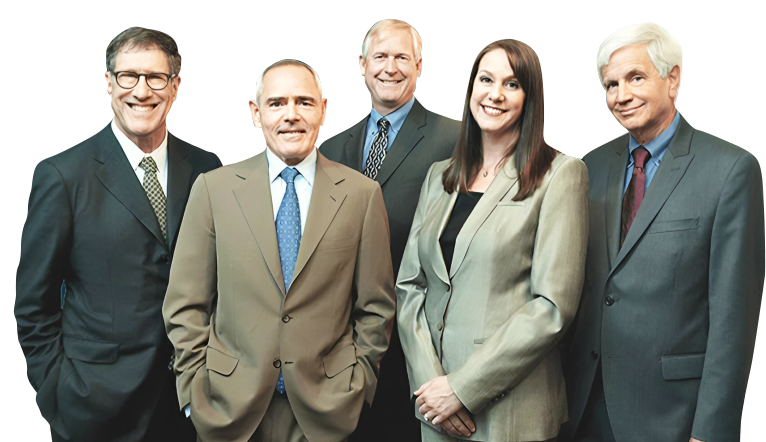
Why Oakland Accident Victims Choose GJEL
Oakland has no shortage of personal injury advertisements, but track record and client relationships are what distinguish one firm from another.
GJEL has represented injured Californians since 1972, recovered more than $980 million statewide, and has a 99% success rate in the cases it accepts. Review our published results and learn about our team. Past results do not guarantee a future outcome.
Frequently Asked Questions About Oakland Car Accidents
What is the deadline to file an Oakland car accident lawsuit?
Most California personal-injury lawsuits must be filed within two years under Code of Civil Procedure section 335.1. A claim against a California public entity generally must first be presented within six months after it accrues under Government Code section 911.2. Different rules and exceptions may apply, so have the dates and the type of claim reviewed promptly.
What is Oakland’s High Injury Network?
Oakland’s 2024 High Injury Network uses 2017–2021 crash data and identifies the 8% of city streets where 60% of severe and fatal crashes were concentrated. The city’s traffic-fatality table records 33 deaths in 2023. Network inclusion provides safety context; it does not establish who is legally responsible for a particular crash.
Where are Oakland car accident victims treated?
Highland Hospital provides adult Level I trauma care. UCSF Benioff Children’s Hospital Oakland has a verified Level I pediatric trauma center. The appropriate facility depends on the patient’s needs and decisions by emergency responders and clinicians.
Can I recover compensation if I was partly responsible for the Oakland crash?
You may be able to recover damages if another party is legally responsible, even if you share some fault. Under California’s comparative-fault rule, established damages are reduced by your assigned share. For example, 30% fault reduces that amount by 30%; it does not guarantee a payment. See CACI No. 405.
How much does an Oakland car accident lawyer at GJEL cost?
Not a single dollar upfront. We operate on a contingency-fee basis, collecting only from the compensation we win for you. If the case produces no recovery, you owe us nothing. This ensures that experienced personal injury lawyers are accessible to every Oakland resident regardless of financial circumstances.
What types of evidence strengthen an Oakland car accident case?
Police reports, witness statements, traffic camera footage, cell phone records, vehicle black box data, diagnostic imaging tests, and expert testimony from collision reconstruction professionals all strengthen your case. Our attorneys also gather medical proof linking your injuries to the crash and compile a complete medical diagnosis file to support the demand letter we send to the insurance company.
Legal services in Oakland
Choose the type of accident or injury to see information written for this city.
Our Office in Oakland
Our office is located at 11 Embarcadero West #133, Oakland, CA 94607, United States. The office sits along the Oakland waterfront near Jack London Square. It’s close to restaurants, the ferry terminal, and the waterfront promenade. You can reach the office easily from I-880, with access through Jack London Square and the Embarcadero area. Metered street parking is available nearby, with public parking garages in and around Jack London Square.
Our other office on the I-880 corridor is in Fremont, serving Fremont, Newark, Union City and Milpitas.
South along I-880, our Hayward office on B Street serves Hayward, Castro Valley and San Lorenzo.
Tell us what happened. We handle the rest.
Tell us what happened. An Oakland lawyer will personally review your case. There is no cost and no obligation to find out where you stand.
- Free case review, no obligation
- No win, no fee
- We come to you, at home or in the hospital
- Hablamos español
Not sure you have a case? That’s what the call is for. Even if you think you were partly at fault, call.
If you lost someone you love, we can handle the legal side while your family grieves. California law limits how long you have to file. Don’t wait to find out where you stand.
A lawyer will personally review your case and call you shortly.
We’ll call from a local number and tell you when to expect us.