
Riding a motorcycle can be an exciting experience for teens, but safety should always be the top priority. This article provides essential information for young riders in California, including sobering statistics on accidents, the steps to obtain a permit, and key safety guidelines to follow. Learn how to minimize the risks and enjoy the freedom of the open road responsibly.
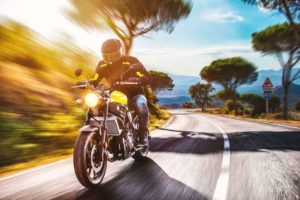
Now that summer is here to stay, along with warmer weather and safer road conditions, you can expect to see more motorcyclists taking to the streets for long rides throughout California and across the country.
Though a relatively small proportion of motorcyclists are under the age of 18, teens are often the most susceptible to motorcycle injuries and fatalities. If you’re a parent or a teen thinking of getting a motorcycle, it’s important to review the safety statistics related to teens on motorcycles.
In addition to taking the safety courses required to get a motorcycle permit, all teens should obey all laws and wear the appropriate safety equipment. Most states, for example, have passed motorcycle helmet laws for all teen riders. In California, these rules are especially strict. Teens can begin the permit process at age 15½, but they cannot receive a full M1 or M2 motorcycle license until age 16. California also requires all riders and passengers to wear a DOT-compliant helmet under the state’s universal helmet law. But first, take a look at the following statistics for teen motorcyclists, based on National Highway Traffic Safety Administration reports from 2005 and 2009.
Teen Motorcycle Statistics
- 205 young motorcycle riders 15 to 20 years old were killed, and 5,000 were injured in 2009.
- 26 percent of motorcycle riders between 15 and 20 years old who were fatally injured in 2009 were not wearing helmets.
- Of the young motorcycle riders involved in fatal crashes in 2009, 39 percent were either unlicensed or driving with an invalid license.
- 326 young motorcycle operators 15 to 20 years old were killed and 9,000 were injured in 2005.
- 32 percent of the motorcycle drivers between 15 and 20 years old who were fatally injured in 2005 were not wearing helmets.
- Of the young motorcycle drivers involved in fatal crashes in 2005, more than one-third (40%) were either unlicensed or driving with an invalid license.
As you can see, the statistics of teen motorcycle accident injuries and fatalities have improved a great deal since 2005. In 2009, for example, there were 37 percent fewer teen motorcycle deaths and 44 percent fewer injuries than only four years before. But while the trend is encouraging, 200 teen deaths and 5000 injuries are far too many, and state governments should take serious steps toward improving motorcycle safety. One clear lesson from these numbers is that licensing, training, and helmet use matter. A large share of fatal crashes involved riders who were unlicensed or improperly licensed, which is why California requires young riders to complete training and move through a permit phase before getting a full license. If a teen rider is seriously injured in a crash, speaking with a motorcycle accident personal injury lawyer can help families understand their legal options.
California Minors’ Motorcycle Permit Requirements
The statistics are daunting, but they do not mean that teenagers should not automatically stay away from motorcycles. If teens drive cautiously, obey all traffic signs, and wear the appropriate safety equipment, they can ride just as safely as adult motorcyclists. So if you or your teenager is still interested in getting a motorcycle here in California, follow these steps to fulfill the requirements to get a teen motorcycle permit. Visit the California DMV for more information.
- Be 15 ½ years of age and bring proof you have finished both driver education and driver training. (Certificates of Completion of Driver Education and Completion of Driver Training are required) or be currently licensed. If the teen is under 17½, these driver education and behind-the-wheel training steps must be completed before moving forward.
- Complete the application requirements.
- Have your parents’ * signatures on the application form. Minors must have written permission from a parent or legal guardian to apply for a permit or license.
- Provide a Completion of Motorcycle Training Certificate (DL389) from an approved CHP motorcycle rider training course. Applicants under 21 years of age are required by law to provide a DL 389 before issuance of an instruction permit. Motorcycle training courses are located throughout California. For more information and to locate the nearest training site, call 1-877RIDE-411 or visit www.ca-msp.org. This training is part of the California Motorcyclist Safety Program (CMSP). The course includes 15 hours of instruction, with 5 hours in the classroom and 10 hours of on-cycle training. After completion, the DL 389 certificate can allow the DMV to waive the motorcycle skills test.
- Pass a vision exam and a written motorcycle knowledge test at the California DMV.
California Minors’ Motorcycle License Requirements
- Complete the requirements listed above.
- Be at least 16 years old.
- Hold a Class M1/M2 permit for 6 months before the issuance of a motorcycle license.
Important Permit Restrictions for Teen Riders
While riding with a motorcycle instruction permit in California, teens must follow several important restrictions designed to reduce crash risk while they gain experience.
- No passengers: A permit holder may not carry another person on the motorcycle.
- No night riding: Riding is limited to daylight hours.
- No freeways or highways: Permit holders cannot ride on freeways or other major highways.
Essential Motorcycle Safety Gear for Teens
A helmet is only the starting point. Safety experts often recommend “All The Gear, All The Time” (ATGATT), which means wearing full protective gear on every ride, even for short trips around town.
- Full-face helmet: A DOT-compliant full-face helmet offers the best protection for the head, face, and chin.
- Abrasion-resistant clothing: Leather or heavy-duty riding jackets and pants can help reduce serious road rash in a fall.
- Gloves: Full-fingered gloves improve grip and help protect hands from cuts and impact injuries.
- Boots: Over-the-ankle boots with non-slip soles offer better stability and foot protection.
- Bright or reflective gear: High-visibility clothing makes it easier for other drivers to see a motorcycle’s smaller profile.
Practical Safety Tips for Parents and Teens
Parents can play a major role in keeping young riders safe. In addition to making sure a teen is licensed and properly trained, it helps to encourage pre-ride safety habits and clear riding rules.
Parents and new riders can explore the San Jose motorcycle crash map for historical 2020–2024 records involving motorcyclists of all ages.
- Use the T-CLOCS checklist before every ride: Check Tires, Controls, Lights, Oil, Chassis, and Stand to make sure the bike is safe to operate.
- Build skills gradually: Teens should start with short daytime rides on familiar local roads before moving into more complex traffic situations.
- Discuss passenger safety: After a teen has a full license and is legally allowed to carry a passenger, the passenger should be at least 8 years old and able to reach the footrests.
- Set firm expectations: No speeding, no showing off, no distracted riding, and no riding without full protective gear.
So if you’re a teen who’s planning to get your motorcycle permit this summer, be sure you follow all traffic laws, wear a helmet, and share the road with other cars, motorcycles, bicycles, and pedestrians. Just as important, follow the rules of your permit, complete the required CMSP training, and make sure every ride starts with a quick safety check of your motorcycle and gear.
Motorcycle riding offers a sense of freedom and adventure, but teens and their parents must understand the inherent risks involved. By prioritizing safety, obtaining proper training, and adhering to traffic laws, young riders can significantly reduce their chances of accidents and enjoy a lifetime of safe riding experiences. Remember, responsible riding not only protects yourself but also those around you.