
Truck rollovers typically aren’t just accidents. They are often preventable incidents as someone’s negligence is to blame. Every truck driver, whether new or highly experienced, is at risk of a rollover. Semi-trucks are significantly larger and heavier than passenger vehicles, which is why rollovers are some of the most deadly collisions. A truck’s high center of gravity also makes it much more likely to tip than a passenger vehicle, especially during curves, sudden maneuvers, or when cargo shifts unexpectedly. However, taking the proper precautions can reduce the risk of a rollover on California roads and highways.
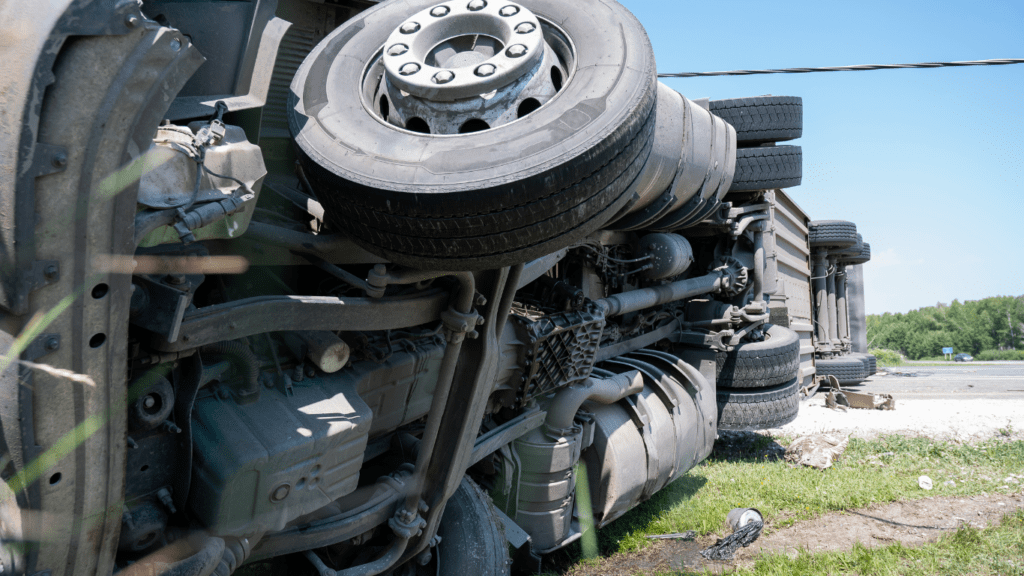
At GJEL Accident Attorneys, we have years of experience representing injured victims in California truck rollover accidents, and speaking with an experienced truck accident injury lawyer can help you understand your legal options. From our experience, we have gained an understanding of what causes truck rollovers. Here are seven essential tips to keep in mind to help you avoid a truck accident and rollover.
1. Avoid Distractions While Driving

Distractions are a leading cause of truck rollovers. Inattention is frequently cited as one of the biggest contributing factors in rollover crashes because even a brief lapse can keep a driver from noticing a curve, stopped traffic, or a sudden change in road conditions. Looking at your phone, eating, or fiddling with the radio can have catastrophic consequences. The key to avoiding distractions is preparation and discipline. Set your GPS and playlists before you start driving. If you need to take a call, use hands-free devices. Don’t try to eat while driving; instead, pull over and take a break to finish your meal. Keeping your eyes far down the road also helps you spot hazards early so you are less likely to make a sudden correction that can destabilize the truck.
2. Follow Speed Limits and Adjust Speed for Prevailing Conditions

Speed is a significant factor in many types of truck accidents, especially rollovers. It’s crucial to adhere to all speed limits. However, sometimes, you need to adjust your speed below the posted speed limit. Load type and weight, weather conditions, and traffic are just a few factors that impact the speed at which you should travel. Generally, the faster you drive, the harder it is to stop or react to sudden changes.
Curves and turns are especially notable points of danger. You should always reduce your speed before reaching a curve, especially on an unfamiliar road. Ramps and curves are common rollover locations because advisory speeds are often based on passenger vehicles, not fully loaded tractor-trailers. In many situations, trucks may need to travel 5 to 10 mph below the posted advisory speed to stay stable.
3. Monitor Weather and Road Conditions

Weather can be unpredictable, especially when driving on roads prone to snowfall and high winds. Always adjust your driving style for the prevailing weather conditions. Watch for wet or icy roads, and be mindful of crosswinds that can make your truck less stable. If there’s a wind warning in effect, it might be better to stop and wait rather than risk being blown over. A common safety rule is to reduce speed by at least one-third on wet roads and by one-half on snowy or icy roads. Drivers should also be especially careful with empty or top-heavy trailers because strong gusts can make them much easier to tip.
4. Conduct Regular Vehicle Maintenance

Regular maintenance is essential for any vehicle. However, it’s even more crucial that large trucks undergo regular maintenance and safety checks. For example, worn-out brakes and underinflated tires can spell disaster for a truck driver. An undiagnosed problem with the truck’s suspension system could cause the truck to roll when the driver makes a sudden maneuver. Worn shocks and other suspension problems can also reduce stability in turns and make it harder for the truck to stay balanced when road conditions change.
Truck drivers should have a routine in place regarding pre-trip inspections. Don’t agree to transport cargo if your company is skipping safety checks and inspections. Detecting a minor issue beforehand can reduce the risk of rollover and ultimately save your life.
5. Prioritize Rest to Avoid Fatigue

Driving while fatigued is a significant hazard in the trucking industry. Some companies push drivers to exceed the federal mandates on the maximum hours a driver can be on the road. Prioritizing rest isn’t just about compliance with driving hour regulations; it’s about acknowledging your body’s limits. Ensure you take adequate breaks and get sufficient sleep before long hauls.
Try to adhere to a consistent sleep schedule, even when not driving. If you feel drowsy when you’re behind the wheel, don’t push through. Utilize rest areas and plan your route with scheduled stops. Fatigue can slow reaction time and increase the chance of overcorrecting during an emergency, which is one of the ways rollover crashes begin.
6. Ensure Proper Loading and Weight Distribution
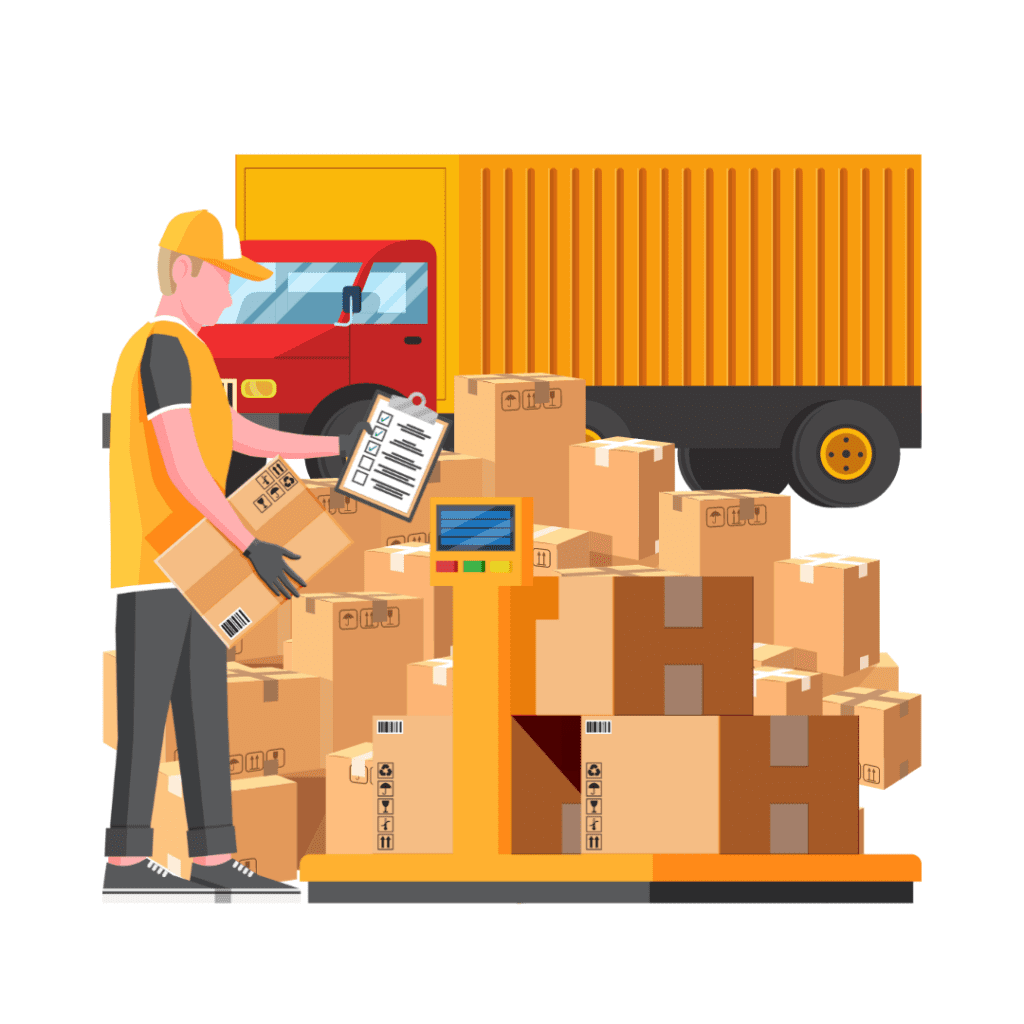
Uneven or improper cargo loading can lead to imbalance and make your truck more prone to rollovers. A trailer with an unsafe load can cause your truck’s center of gravity to shift. That can increase the risk of a rollover, especially if you have to make a sudden maneuver.
Before getting on the road, drivers should verify the load is secure and within the required weight restrictions. Carrying a load that exceeds maximum capacity can have catastrophic results in the event of a rollover. Heavy items should be loaded as low to the trailer floor as possible to help keep the truck’s center of gravity lower. Drivers should also confirm cargo is evenly distributed and secured with proper tie-downs so it does not slide or shift during turns, lane changes, or hard braking.
7. Take a Truck Safety Course
Advanced driver training goes beyond the basics and will make you a more defensive driver. These programs often include practical techniques for avoiding truck rollovers, such as emergency maneuvering, skid control, and advanced braking methods. Look for reputable training programs that offer hands-on experience and confirm they teach up-to-date safety information. Good training also teaches drivers to steer gently and avoid abrupt lane changes or panic moves. Sudden steering can create a “crack-the-whip” effect, where the trailer swings more violently than the tractor and increases the chance of a rollover.
Contact a California Truck Accident Lawyer at GJEL Accident Attorneys
At GJEL Accident Attorneys, we understand the unique challenges truck drivers face. It’s important to know that you have legal rights if you were injured in an accident involving a truck rollover. Contacting a truck accident attorney following an accident is important because these can be complicated claims to pursue.
Our attorneys have years of experience representing severely injured victims and can help you seek justice for your damages. Call GJEL to schedule a free, no-obligation consultation if you need assistance. Let us review your case and help you decide the best course of legal action.
California Truck Accident Help & Resources
Find the right next step fast. Explore local lawyers near you, practical guides, tools, case results, and recent crash updates. Questions now? Call (866) 268-7118 for a free case review.
- Local Counsel Near You
- Crash Types & Causes
- Legal Process & FAQs
- Tools & Calculators
- Injury Guides
- Case Results & Settlements
- Recent Truck Accident News & Safety Updates
- Other Serious Crashes We Track
Local Counsel Near You
- San Francisco Truck Accident Lawyers Help with major injury and wrongful death trucking cases in San Francisco.
- Sacramento Truck Accident Lawyers Local team for crashes on I‑5, I‑80, and regional corridors.
- San Jose Truck Accident Lawyer Guidance after big‑rig and commercial vehicle crashes in San Jose and South Bay.
- Oakland Truck Accident Lawyers Advocates for complex East Bay trucking claims.
- Fresno Truck Accident Lawyer Central Valley trucking collisions, including Highway 99.
- Fremont Truck Accident Lawyers Support after crashes on I‑880 and major arterials.
- Pleasanton Truck Accident Lawyer Local counsel for I‑580 and Tri‑Valley incidents.
- Richmond Truck Accident Lawyers Experienced team for port and refinery corridor crashes.
- Fairfield Truck Accident Lawyers Help for I‑80 and Highway 12 trucking wrecks.
- Stockton Truck Accident Lawyer Representation for San Joaquin County truck collisions.
- Orinda Truck Accident Lawyers Tailored support for Contra Costa County cases.
- Concord Truck Accident Lawyers Serious injury trucking claims in and around Concord.
- Walnut Creek Truck Accident Lawyer Strategic help for complex commercial vehicle crashes.
- Hayward Truck Accident Lawyers Support for I‑880 and SR‑92 trucking incidents.
- Antioch Truck Accident Lawyer Help navigating claims in East Contra Costa.
- Gilroy Truck Accident Lawyer Representation for South Santa Clara County crashes.
- Berkeley Truck Accident Lawyers Local guidance for trucking and delivery vehicle cases.
- San Jose Truck Accident Legal Help: What To Do Next Step‑by‑step actions and how a lawyer strengthens your claim.
Crash Types & Causes
- Jackknife Truck Accidents Common causes, liability, and evidence to prove fault.
- Underride Crashes How underride happens and steps to reduce risk and prove negligence.
- Truck Rollovers Why rollovers occur and how they impact injury claims.
- Logging Truck Accidents Unique hazards, violations, and case strategy.
- Truck Driver Fatigue Hours‑of‑service, warning signs, and fatigue liability.
Legal Process & FAQs
- When To Hire a Truck Accident Attorney The timeline that preserves evidence and maximizes leverage.
- What a Truck Accident Attorney Actually Does Investigation, expert workups, negotiation, and trial prep.
- Benefits of Hiring a Truck Accident Attorney Why specialized trucking experience matters for results.
- If the Driver or Company Is From Another State Jurisdiction, where to file, and how cross‑state claims work.
Tools & Calculators
- Logging Truck Accident Settlement Calculator Get a rough estimate, then confirm value with a free attorney review.
Injury Guides
- Traumatic Brain Injury After a Semi‑Truck Crash Symptoms, treatment, life‑care planning, and compensation paths.
Case Results & Settlements
- California Truck Accident Verdicts & Settlements Browse outcomes and see how similar cases resolved.
- $1 Million Semi‑Truck Collision Settlement How expert analysis established liability for a minor client.
- $420,000 Sacramento Truck Accident Settlement Strategic workup that delivered a strong result.
Recent Truck Accident News & Safety Updates
- Semi‑Truck Collision on SR‑36 in Humboldt County Major injuries reported and why rural highway cases are complex.
- Fatal Semi‑Truck Collision Near Turlock Details and legal considerations for families.
- Crane Truck Crash in Salinas Commercial vehicle hazards and liability questions.
- Truck Goes 200 Feet Down Embankment in Shasta County Rescue timeline and potential causes.
- Semi‑Truck Crash on Highway 395 Critical injuries and how investigations proceed.
- Dump Truck Driver Suffers Major Injuries on I‑680 Case factors when a professional driver is hurt.
- Dump Truck Collision in Rancho Cordova Minor injuries and fuel spill response.
- Fatal Pedestrian‑Truck Collision on Highway 37 Rights of families after a catastrophic loss.
- Motorcycle and Truck Collision in San Francisco Downtown risks and reconstruction issues.
- Motorcycle Lodged Under Semi on I‑80 in Davis Multi‑vehicle dynamics and liability splits.
- Fire Truck Rollover in Fresno County Emergency vehicle rules and how they affect claims.
Other Serious Crashes We Track
- Petaluma Pedestrian Crosswalk Crash Safety reminders for drivers and pedestrians.
Last updated: August 18, 2025. This hub is for information only and not legal advice. For immediate help, call (866) 268-7118 or request a free case review.