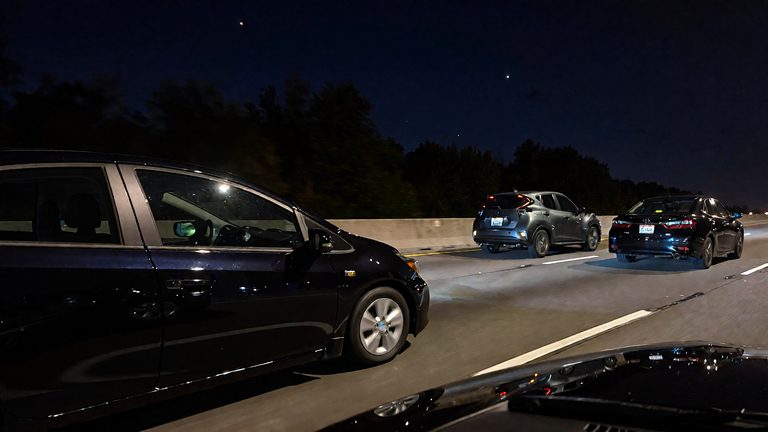
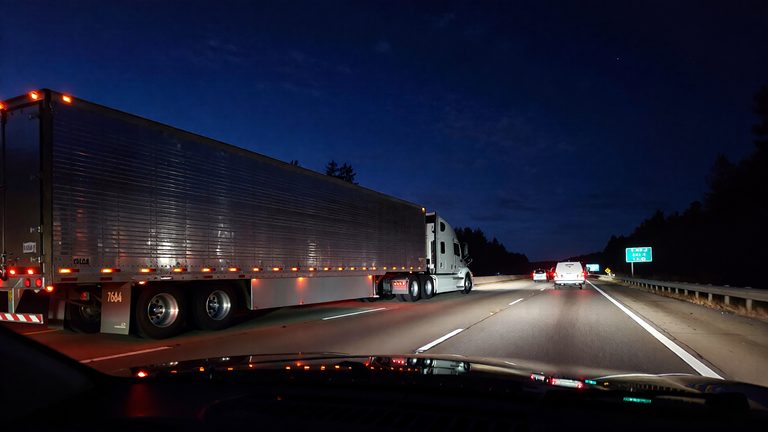
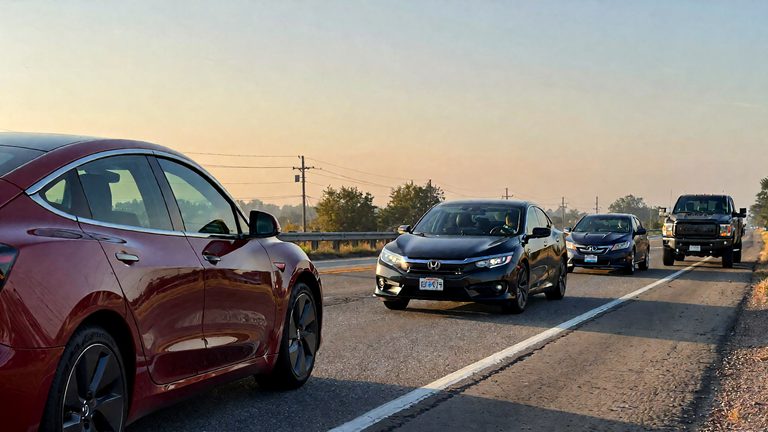
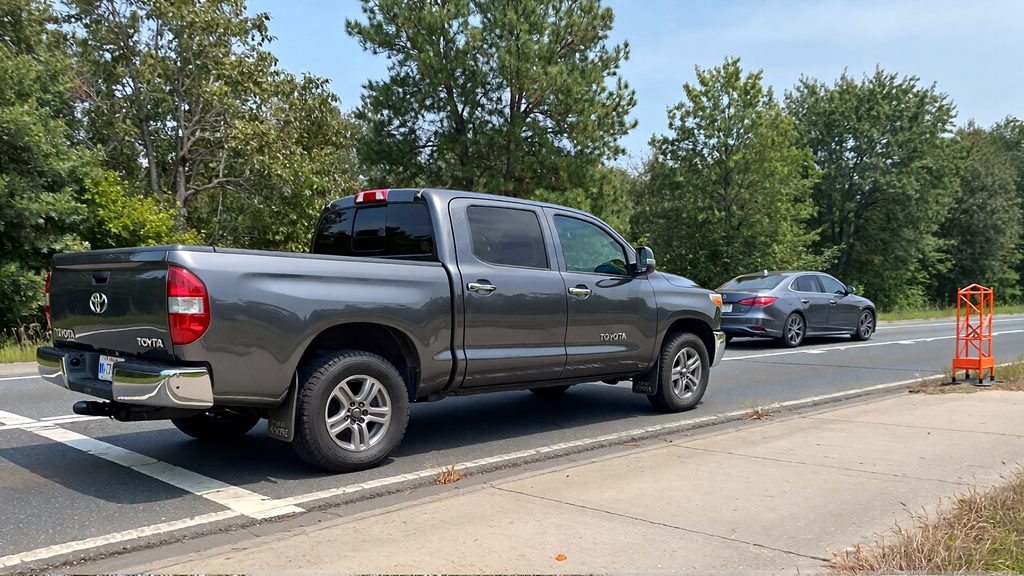
Two pickup trucks collided at the intersection of Carrolton Road and Dodds Road, south of Stockton, on Thursday, Oct. 22, 2026. According to the California Highway Patrol, the crash was reported around 7 a.m. and involved a white Ford pickup truck and a white Ford work truck. At least one person suffered minor injuries.
CHP reported that one of the vehicles partially left the roadway, scattering debris at the scene. Stockton Fire Department crews responded to assist those hurt, including one person who complained of pain in the neck and head from the seatbelt. The cause of the two-truck collision and who may be liable remain under investigation.
Why “Minor” Injuries Deserve Serious Attention
When early reports describe injuries as minor, it is easy to assume the story ends at the scene. In practice, neck and head complaints after a collision are exactly the kind of symptoms that deserve a careful medical follow-up.
Seatbelts save lives, but the force that tightens a belt across the shoulder and chest can also strain the neck’s soft tissues and cause the head to snap forward and back. Whiplash, concussion, and related injuries do not always show their full extent in the first hours.
Symptoms such as persistent headaches, dizziness, stiffness, tingling in the arms, trouble concentrating, or sleep disruption may emerge or worsen in the days that follow.
Anyone involved in a crash like this one should see a physician promptly, even if they declined transport at the scene. Prompt care protects your health and creates a medical record linking your symptoms to the collision.
Understanding Fault in a Two-Vehicle Intersection Crash
Intersection collisions often turn on questions of right-of-way, speed, attention, and visibility. Under California Civil Code §1714, every driver has a duty to use ordinary care and avoid causing harm to others.
Determining whether that duty was breached usually requires piecing together the CHP report, witness statements, vehicle damage, roadway evidence, and any available video.
California follows a pure comparative fault system. This means an injured person can still recover compensation even if they share some responsibility for a crash, although their recovery is reduced by their percentage of fault.
A driver who is found 20 percent responsible, for example, would see their damages reduced by 20 percent. Because fault is often disputed in early investigations, it is wise not to assume how the final determination will play out.
Fault in an intersection crash is rarely settled by a first impression, and the CHP’s early statement that the cause is under investigation is a reminder of that. Right-of-way rules in the California Vehicle Code do much of the work.
Vehicle Code §21800 sets out who must yield at intersections not controlled by signals or signs; §21801 requires a driver turning left to yield to oncoming traffic; and §22350 prohibits driving at a speed unsafe for the conditions, even when the posted limit is not exceeded.
Which of these rules applies depends on how the Carrolton Road and Dodds Road intersection is controlled and on what each driver was doing in the moments before impact, details that have not been made public.
Investigators and attorneys typically look at the point of impact, vehicle damage patterns, tire marks, debris fields, witness accounts, and any nearby surveillance or dash-camera footage. Many newer trucks also record speed, braking, and throttle data in the seconds before a collision, and that information can be lost if it is not preserved quickly.
An officer’s conclusions in a report are valuable but are not the final word, and insurers sometimes use incomplete information to assign a larger share of blame to an injured person than the evidence supports.
Because California’s pure comparative fault rule reduces compensation by the percentage of responsibility assigned, even a modest shift in that figure can change the outcome of a claim, which is why gathering evidence early and carefully matters.
When One of the Vehicles Is a Work Truck
This crash involved a vehicle that CHP described as a work truck. When a driver is operating a vehicle in the course of their job, the employer may share legal responsibility for a collision under the doctrine of respondeat superior. That can matter a great deal to an injured person, because commercial and employer-provided coverage may differ from a typical personal auto policy.
Whether that applies here depends on facts that have not been released, including who was driving, for whom, and for what purpose. Preserving that information early is one reason speaking with an attorney soon after a crash can be valuable.
Employer liability is not automatic, and it often hinges on details that only surface through a thorough investigation. California’s going-and-coming rule generally shields an employer when a worker is simply commuting to or from the job, but exceptions can apply when the driver is running a work errand, traveling between job sites, or using a vehicle the employer provides for business purposes.
Because this crash happened around 7 a.m. on a Thursday, it is far too early to say which category, if any, applies, and nothing in the CHP’s early account answers that question. Beyond respondeat superior, an employer can also face direct claims for negligent hiring, supervision, or entrustment if it lets someone with a poor driving record operate a company vehicle.
Separately, Vehicle Code §17150 can make a vehicle’s owner responsible when someone drives it with the owner’s permission, though California limits the amount recoverable under that statute. These theories matter because work vehicles are frequently covered by commercial auto policies that differ from personal coverage, which can affect the resources available to compensate an injured person.
Employers and their insurers also tend to respond quickly after a crash, so injured parties should be careful about what they say and sign. Asking early on that the vehicle’s maintenance records, driver logs, dashcam or telematics data, and any company incident report be preserved can make a real difference down the road.
How Compensation Is Evaluated in Injury Claims
Even when injuries are reported as minor, a claim can include medical expenses, lost income, reduced earning capacity, and the pain and suffering that come with recovery.
Two common approaches help estimate the value of non-economic damages. The multiplier method takes the documented medical costs and multiplies them by a factor that reflects the severity, duration, and impact of the injuries.
The per diem method assigns a daily dollar amount to the pain and disruption a person experiences and multiplies it by the number of days they are expected to be affected. Neither method is a guarantee, and insurers apply their own formulas, which is why thorough documentation matters.
Time limits also apply. Under California Code of Civil Procedure §335.1, most personal injury lawsuits must be filed within two years of the date of injury. Separately, California Vehicle Code §20008 requires drivers involved in a crash causing injury to report it to the DMV within 10 days, so injured drivers should confirm their reporting obligations promptly.
Steps to Take After a Collision
If you were hurt in a crash, seek medical evaluation as soon as possible and follow your provider’s treatment recommendations. Photograph the vehicles, the roadway, and any visible injuries. Collect names and contact information for other drivers and witnesses, and request the CHP incident or collision report number.
Be cautious when speaking with insurance adjusters, as early recorded statements can be used to minimize a claim. Keep a simple journal of symptoms, missed work, and daily limitations. The minutes and days after a collision can feel overwhelming, but a few deliberate steps can protect both your health and your claim.
If you are able, move to a safe spot away from traffic, call 911, and accept medical attention from responding crews even if you feel only mild discomfort, since adrenaline can mask pain. Exchange names, phone numbers, license plate numbers, and insurance details with the other driver, and gather contact information from anyone who saw what happened.
Take photographs of the vehicles, the intersection, skid marks, debris, traffic signals or signs, and any visible injuries before anything is moved or repaired. Be courteous at the scene, but avoid speculating about what caused the crash or apologizing, because even well-meant remarks can later be characterized as an admission of fault.
Ask the responding CHP officer for the report number so you can request a copy once it is available. Notify your own insurance company promptly, but be cautious about giving a recorded statement to the other driver’s insurer before you understand the full extent of your injuries. Follow through with every medical appointment and treatment recommendation, because gaps in care are often used to argue that injuries were not serious.
Keep a running record of symptoms, medical bills, mileage to appointments, and missed work, and save all correspondence related to the crash. Finally, remember the deadlines, including the 10-day DMV reporting requirement for qualifying crashes and the two-year filing window for most personal injury lawsuits, and consider speaking with an attorney early to preserve evidence while it is still available.
Truck Accident Settlement Calculators: Why They Matter When Estimating Claim Value
A truck accident settlement calculator is an online tool that gives injured people a rough, educational estimate of what a claim may be worth by organizing the main parts of a damages claim into a structured formula. Most calculators begin with economic damages, which include past and future medical bills, lost wages, reduced earning capacity, rehabilitation, and property damage.
They then estimate non-economic damages such as pain, suffering, and loss of enjoyment of life, usually through either the multiplier method or the per diem method. The multiplier method takes documented economic losses and multiplies them by a factor that reflects the severity and permanence of the injuries.
The per diem method assigns a daily dollar value to the pain and disruption a person endures and multiplies it by the expected length of recovery. These tools matter because they help injured people understand how value is built, spot costs they may be overlooking, such as future care or lost earning potential, and judge whether an early insurance offer is reasonable.
They are especially useful in truck cases, where injuries tend to be more serious and the damages more complex. Commercial truck claims can involve multiple liable parties, including the driver, the motor carrier, and sometimes a cargo loader or maintenance company, and may involve insurance policies that differ from standard auto coverage.
Federal rules set minimum financial responsibility requirements for many commercial carriers, which can affect the resources available to compensate an injured person. A calculator cannot account for everything, however. It cannot weigh how strong the liability evidence is, how California’s pure comparative fault rule may reduce a recovery by the injured person’s percentage of responsibility.
How a jury in a particular county might react, or how an insurer will actually evaluate the claim. Treat its output as a starting point for informed conversation rather than a promise of any outcome. Because most California personal injury lawsuits must be filed within 2 years under Code of Civil Procedure § 335.1.
Anyone injured in a truck collision should use a calculator to get oriented, then speak with an experienced attorney who can evaluate the full scope of the claim before accepting any offer. Call us now at 1-855-508-9565 to speak with the experts.
How GJEL Accident Attorneys Can Help
“A crash like this one can turn an ordinary morning into weeks of pain, missed work, and uncertainty, and I am sorry for anyone who is dealing with that right now. Even when injuries are initially described as minor, symptoms such as neck and head pain can worsen over time, so please seek a medical evaluation and keep all records. Be careful about giving statements to an insurance adjuster before you understand the full extent of your injuries, because early comments can be used to limit what a claim is worth. California law also sets strict deadlines, so waiting can put your rights at risk. You focus on healing, and we will handle the rest, and you pay nothing unless we recover compensation for you.”-Andy Gillin, Managing Partner, GJEL Accident Attorneys
With more than 40 years of experience and over $950 million recovered for clients, GJEL Accident Attorneys helps injured Californians understand their options and pursue the compensation they deserve.
We handle personal injury cases on a contingency fee basis, which means you pay no attorney fees unless we recover compensation for you. If you or someone you love was injured in a crash near Stockton, call us at 1-855-508-9565 or visit the Fresno office for a free consultation.
Local Resources for Those Affected
California Highway Patrol, Stockton Area Office
The CHP Stockton Area office handles crashes in the Stockton area and serves San Joaquin County. Its public line is (209) 938-4800. Anyone involved in a CHP-investigated crash can request a copy of the report as a proper party of interest, including drivers, passengers, vehicle owners, and legal representatives. The request can be made online through the CHP crash report page or by submitting form CHP 190 in person or by mail to the nearest Area office. Office information: https://www.chp.ca.gov/find-an-office/valley-division/265-stockton-communications-center. Crash report requests: https://chp.ca.gov/traffic/request-a-crash-report/. The same CHP traffic page explains how to report a hazardous roadway condition to your local CHP office: https://www.chp.ca.gov/traffic/
Stockton Police Department
If a crash happens inside Stockton city limits, the Stockton Police Department may be the investigating agency. The non-emergency line is (209) 937-8377, and the Records Section can be reached at (209) 937-8495 for report requests. Requests can also be submitted through the city’s Ask Stockton service. Department page: https://stocktonca.gov/services/police_department/
San Joaquin County Sheriff’s Office
Crashes in unincorporated areas outside city limits are sometimes handled by the Sheriff’s Office. The non-emergency line is (209) 468-4400, and the Records Division is open Monday through Friday from 8:00 a.m. to 5:00 p.m. at 7000 Michael Canlis Blvd., French Camp, CA 95231. Reports can be requested in person or by mail using the office’s request form. Records Division: https://sjsheriff.org/records-division
San Joaquin County Department of Public Works, Roads and Traffic
This department maintains the county’s 1,600 miles of roads, along with signs, striping, pavement markings, and roadside vegetation. Residents can contact it about damaged signage, faded markings, debris, or other roadway conditions near a crash site. It is located at 1810 East Hazelton Avenue, Stockton, CA 95205, and can be reached at (209) 468-3000 from 8:00 a.m. to 5:00 p.m., Monday through Friday. Questions can also be emailed to pwinfosupport@sjgov.org. Roads and Traffic page: https://www.sanjoaquin.gov/department/pwk/roads-and-traffic
San Joaquin Council of Governments
The San Joaquin Council of Governments is the regional agency that plans and coordinates transportation, including traffic safety improvements, with San Joaquin County and the cities of Stockton, Lodi, Manteca, Tracy, Ripon, Escalon, and Lathrop. It also manages the Measure K transportation sales tax program. Residents interested in regional road safety projects can start here: https://www.sjcog.org
Stockton Fire Department
Stockton Fire Department crews provide fire protection and emergency medical services. For emergencies, dial 9-1-1. For non-emergency questions, Fire Administration is at 400 E. Main Street, 4th Floor, Stockton, CA 95202, and can be reached at (209) 937-8801. Department page: https://stocktonca.gov/services/fire_department/
California Department of Motor Vehicles, Accident Reporting
California requires an SR-1 report to the DMV within 10 days if anyone is injured, no matter how minor the injury, or killed, or if property damage exceeds $1,000. The driver, an insurance agent, or a legal representative can file it, and it is required in addition to any report made to law enforcement or an insurance company. Online SR-1 filing: https://dmv.ca.gov/portal/dmv-virtual-office/accident-reporting/
Superior Court of California, County of San Joaquin
Injured people who decide to pursue a civil claim can find forms, local rules, fee schedules, and filing information through the court. The courthouse is at 180 E Weber Avenue, Stockton, CA 95202. Court website: https://www.sjcourts.org/