A woman was killed, and two others sustained injuries after a big rig struck two vehicles on northbound Highway 99 in Sacramento on Thursday afternoon, November 5, 2026. The multi-vehicle crash is a painful reminder of how quickly a routine roadside breakdown can turn into a life-altering event.
Highway 99 is one of the busiest north-south corridors in the Central Valley, carrying a heavy mix of commuters, delivery vehicles, and commercial freight through Sacramento County every day. When a large truck leaves the travel lanes on a route like this, the consequences often extend well beyond the vehicles directly involved.
An overturned big rig can block multiple lanes and the center divide, force lengthy closures, and put other drivers at risk as traffic slows or stops without warning. For the families affected by this multi-vehicle crash, the immediate priority is recovery and grief, but the questions that follow, including why the truck left the roadway and who may be responsible, are ones that deserve careful and thorough answers.
What Happened in the Multi-Vehicle Crash
According to the California Highway Patrol, the collision was reported around 1:31 p.m. south of Eschinger Road. A preliminary investigation indicated that a Mazda had broken down and was awaiting roadside assistance. A Nissan driven by a relative of the Mazda driver had stopped behind it to provide help.
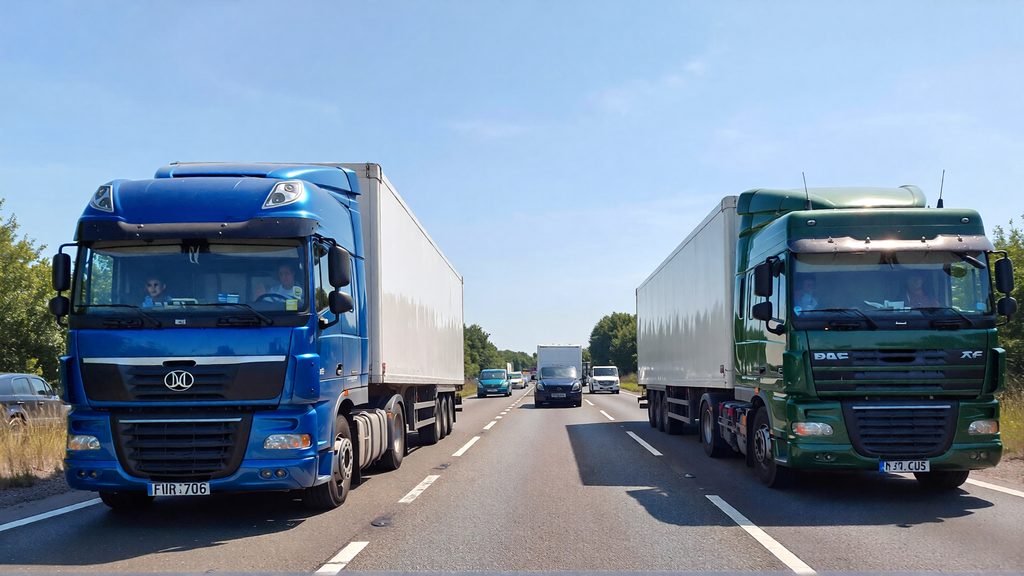
CHP said a northbound big rig veered onto the right shoulder for an unknown reason and struck both vehicles. The truck then overturned onto its left side, blocking the No. 1 lane and the center divide.
The crash unfolded in the early afternoon, when what began as an ordinary roadside breakdown placed several people in the path of a fast-moving commercial truck. The Mazda’s driver had been forced to stop and was waiting for help to arrive, and a relative had pulled over in a Nissan directly behind the disabled car to offer assistance.
Neither group had any indication that a big rig would leave the lane and travel onto the right shoulder where they were stopped. After striking both vehicles, the truck overturned onto its left side and came to rest across the No. 1 lane and the center divide, which created a major obstruction on the northbound side of the highway.
Emergency crews responded to the scene, and the three people from the passenger vehicles were taken to the hospital. The California Highway Patrol has not released a reason why the truck veered off the roadway, and the investigation into the cause of the collision remains ongoing.
Injuries and Loss of Life
The Nissan driver and passenger, along with the Mazda driver, were transported to a hospital with injuries ranging from moderate to critical. The Nissan driver later died at the hospital. Our thoughts are with the family and loved ones of the woman who lost her life, as well as the two people who remain in recovery after this devastating collision.
The crash unfolded in the early afternoon, when what began as an ordinary roadside breakdown placed several people in the path of a fast-moving commercial truck. The Mazda’s driver had been forced to stop and was waiting for help to arrive, and a relative had pulled over in a Nissan directly behind the disabled car to offer assistance.
Neither group had any indication that a big rig would leave the lane and travel onto the right shoulder where they were stopped. After striking both vehicles, the truck overturned onto its left side and came to rest across the No. 1 lane and the center divide, which created a major obstruction on the northbound side of the highway.
Emergency crews responded to the scene, and the three people from the passenger vehicles were taken to the hospital. The California Highway Patrol has not released a reason why the truck veered off the roadway, and the investigation into the cause of the collision remains ongoing.
Why Roadside Stops Carry Serious Risk
Pulling onto the shoulder or stopping behind a disabled vehicle is often the safest and most compassionate thing a driver can do. Yet the shoulder of a high-speed highway offers very little margin for error. When a heavy commercial truck leaves its lane, the force involved can be catastrophic for anyone nearby, especially those standing outside or sitting in stopped passenger vehicles.
Drivers can help protect themselves by moving as far from traffic as safely possible, turning on hazard lights, and exiting vehicles on the side away from moving lanes when it is safe to do so.
Even a brief stop on the shoulder of a high-speed highway places people in a vulnerable position. Vehicles traveling at freeway speeds, particularly heavy commercial trucks, need a long distance to slow down, and a driver who drifts toward the shoulder for even a moment can leave a stopped car and the people near it with almost no time to react.
Disabled vehicles are especially difficult to see for drivers who are tired, distracted, or looking elsewhere, and the shoulder does not provide the buffer many people assume it does. Drivers who break down can lower their risk by pulling as far from the travel lanes as possible, turning on hazard lights, and calling for roadside assistance right away.
When it is safe to do so, occupants should exit on the side away from traffic and wait at a distance from the vehicle, such as behind a guardrail. Those who stop to help a stranded friend or relative, as the Nissan driver did in this crash, are acting out of care, but they also share the exposure that comes with stopping beside moving traffic.
When a collision happens in this kind of setting, the responsibility often rests with the party whose vehicle left its lane, and a thorough investigation is needed to determine why it happened.
Understanding Liability After a Truck Collision
The reason the big rig left the roadway has not been made public, and the CHP investigation is ongoing. Determining what caused a truck to veer onto a shoulder can involve many possibilities, including driver fatigue, distraction, mechanical failure, improper maintenance, or issues related to how the vehicle was loaded or operated.
Because these crashes often involve more than one responsible party, liability may extend beyond the driver to the trucking company, a vehicle owner, a maintenance provider, or another party depending on what the evidence shows.
Determining who is legally responsible after a truck collision rarely comes down to the driver alone. Commercial trucking involves a network of parties, and each one may have played a role in how a crash happened. The driver’s conduct is often the first thing examined, including hours of service, possible fatigue, distraction, or impairment.
Beyond that, the trucking company may bear responsibility for how it hired, trained, scheduled, and supervised its drivers, and for whether the truck was properly maintained and inspected. Other parties can also come into the picture, such as a vehicle owner, a maintenance contractor, a cargo loader, or a parts manufacturer, if a mechanical failure contributed to the incident.
Evidence tends to disappear quickly in these cases, so it is important to preserve items like electronic logging device data, dashcam footage, maintenance records, and driver qualification files before they are lost or overwritten. In a crash like this one, where the CHP has not said why the big rig veered onto the shoulder, the answer may depend on information that only emerges as the investigation continues.
Families who lost a loved one and those recovering from serious injuries often face medical bills, lost income, and funeral costs while still processing what happened, which is why a careful review of every potentially responsible party matters. California applies comparative fault rules, so identifying how each party contributed can directly affect the compensation available.
How a Truck Accident Attorney Can Help
Truck accidents involving several vehicles can cause critical injuries and, in some cases, loss of life. Injured people and grieving families may benefit from legal guidance to understand their rights and options.
Truck accident lawyers can help by investigating how the collision occurred and reviewing evidence, including police reports and trucking company records. They can also help determine liability among the parties involved, including the truck driver, the carrier, and any other responsible parties. In addition, they can assist in pursuing compensation for medical expenses, lost income, funeral and burial costs, loss of companionship, and other damages where applicable.
When a truck collision causes a death or serious injuries, the legal questions can feel overwhelming at a time when families are focused on grief and recovery. A truck accident attorney can take on the task of piecing together what happened, which often begins with obtaining police reports, interviewing witnesses, and sending preservation requests to ensure critical records and electronic data are not lost.
Attorneys can also request trucking company records, including driver logs, inspection and maintenance histories, and hiring files, and they often work with accident reconstruction specialists to analyze how and why a vehicle left its lane.
With that information, an attorney can identify every party who may be responsible, whether that is the truck driver, the carrier, or another company involved in operating or servicing the truck, and deal with insurance companies on the family’s behalf. For those who were injured, an attorney can help pursue compensation for medical expenses, future care, lost income, and pain and suffering.
For families who lost a loved one, compensation may include funeral and burial costs, loss of companionship, and the financial support the person would have provided.
Having a legal advocate also means survivors and relatives can focus on healing while someone else handles deadlines, paperwork, and negotiations. Because every case depends on its own facts, speaking with an attorney early can help families understand their rights and the options available to them.
Time Limits for Taking Legal Action
California law sets deadlines for filing personal injury and wrongful death claims, and in many cases, the general time limit is two years from the date of the incident or death. Certain circumstances can shorten or change that window, so families and injured people are encouraged to seek legal guidance promptly. Early action also helps preserve evidence, such as vehicle data and company records, that can be critical to understanding what went wrong.
California sets strict deadlines for filing legal claims after a crash, and missing one can prevent a family from recovering any compensation. In many personal injury and wrongful death cases, the general time limit to file a lawsuit is two years from the date of the injury or the date of death, which means the deadline connected to the November 5, 2026 collision would generally fall in November 2028.
Certain circumstances can change that timeline, however. Claims against a government entity, for example, can require a written notice of claim within a much shorter period, often just six months, and cases involving minors or other special situations may follow different rules.
Because the details of each case vary, families should not assume the standard two-year window applies to them. Waiting also carries practical risks beyond the filing deadline itself.
Trucking companies may overwrite electronic logging data and dashcam footage on a regular schedule; vehicles may be repaired or sold, and witnesses’ memories fade over time. Reaching out to an attorney early helps preserve these records while they still exist and gives families a clear understanding of which deadlines apply to their situation, so important rights are protected while they focus on healing.
Supporting Those Affected
The aftermath of a crash like this one reaches far beyond the roadway. A family is grieving the loss of a woman who stopped to help a relative, and two other people face the physical and emotional work of recovery after injuries that ranged from moderate to critical. In moments like these, community support, patience, and access to reliable information can make a meaningful difference.
Anyone affected by a serious truck collision may find it helpful to keep a record of medical visits, bills, and missed work; follow up with their doctors; and lean on trusted friends, family, or counseling resources as they process what happened. Those who witnessed the crash or were nearby when it occurred may also be coping with lasting stress, and they deserve care and understanding as well.
Our firm extends its heartfelt condolences to the loved ones of the woman who died and wishes a full and steady recovery to those who were hurt. For anyone with questions about their rights after a collision involving a big rig, speaking with a compassionate attorney can provide clarity and direction during an uncertain time, allowing families to focus on healing while their legal options are carefully reviewed.