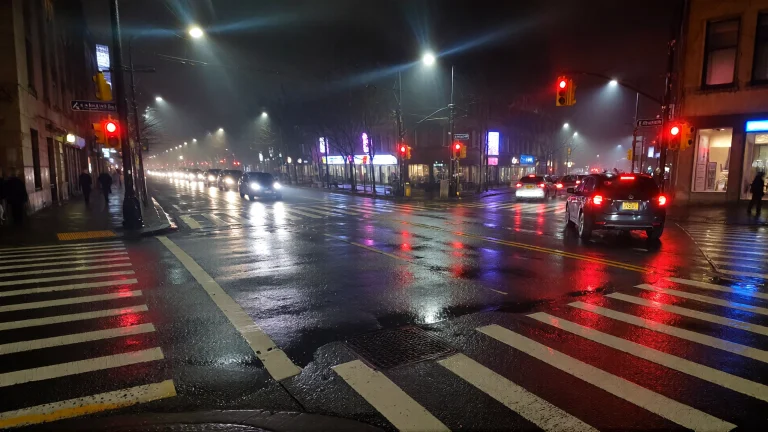
A pedestrian was airlifted to a medical facility on the night of Tuesday, November 3, 2026, after a pickup truck struck him on Oro Dam Boulevard East in Oroville. The Oroville Police Department responded to the 800 block of Oro Dam Boulevard East, a retail area near Highway 70, at approximately 6:16 PM. The crash happened as evening traffic moved through a busy commercial stretch, and the severity of the man’s injuries prompted a rapid emergency response that included an air ambulance.
Police have not released his name or an update on his condition, and the investigation into how the collision occurred is still active. Incidents like this one are a sobering reminder of how quickly an ordinary evening trip through a shopping area can turn into a life-altering emergency for pedestrians and their families.
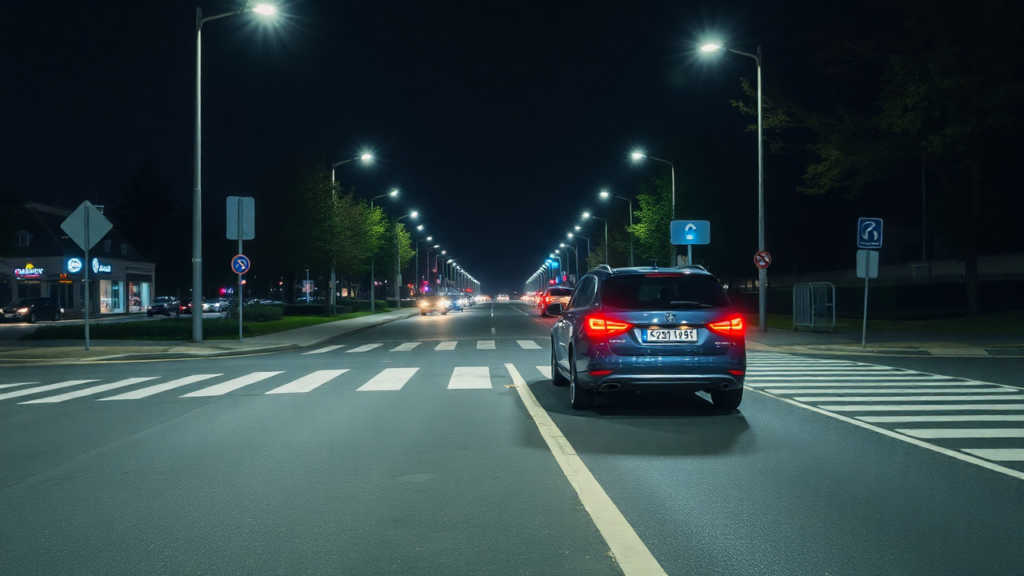
What Officers Found at the Scene
Officers arriving at the scene found the male pedestrian lying in the roadway with major injuries, including broken bones and head trauma. He was transported by air ambulance to a medical facility for treatment. His current condition has not been released.
Officers arriving at the scene found the male pedestrian lying in the roadway with major injuries, including broken bones and head trauma. He was transported by air ambulance to a medical facility for treatment. His current condition has not been released.
Because of the seriousness of his injuries, responders worked quickly to stabilize him and arrange the airlift, a step typically reserved for patients who need advanced trauma care as soon as possible. The driver of the pickup truck, who was not hurt, remained at the scene and spoke with officers as they began documenting the roadway, the vehicle, and the surrounding area.
Details such as the point of impact, the pedestrian’s position, and the lighting conditions at the time can become important pieces of evidence as the investigation continues.
What Witnesses Reported
According to witness statements, the pedestrian was struck by a vehicle traveling eastbound on Oro Dam Boulevard East. The driver was not injured and remained at the scene. The driver cooperated with officers as the initial investigation got underway. Police do not suspect that driver intoxication played a role in the crash, and the investigation is ongoing.
According to witness statements, the pedestrian was struck by a vehicle traveling eastbound on Oro Dam Boulevard East. The driver was not injured and remained at the scene. The driver cooperated with officers as the initial investigation got underway. Police do not suspect that driver intoxication played a role in the crash, and the investigation is ongoing.
Accounts from people who saw the collision can be some of the most valuable evidence in a pedestrian case, since they may help clarify how fast the truck was traveling, whether the driver had time to react, and where the man was in the roadway when he was hit. Investigators typically compare these statements against physical evidence and any available video from nearby businesses to build a complete picture of the crash.
Because memories fade and details can shift over time, witness information gathered in the first hours after a collision is often especially important as the case moves forward.
The Serious Risks Pedestrians Face
Pedestrians have no protection when a vehicle strikes them, and even a collision at moderate speed can cause devastating harm. Head injuries, fractures, and internal trauma are common in these crashes, and recovery can take months or years. Busy commercial corridors like Oro Dam Boulevard East, where shoppers, drivers entering and exiting parking lots, and highway traffic share limited space, can be especially dangerous after dark, when pedestrians are harder to see.
Pedestrians have no protection when a vehicle strikes them, and even a collision at moderate speed can cause devastating harm. Head injuries, fractures, and internal trauma are common in these crashes, and recovery can take months or years. Busy commercial corridors like Oro Dam Boulevard East, where shoppers, drivers entering and exiting parking lots, and highway traffic share limited space, can be especially dangerous after dark, when pedestrians are harder to see.
Pickup trucks and other larger vehicles add to the danger, since their greater weight and higher front ends can increase impact force and make it more likely that a pedestrian suffers serious upper-body and head injuries. Early evening hours in November are also a high-risk window, as fading daylight, glare from headlights, and distracted drivers heading home or running errands reduce visibility and reaction time.
For survivors, the aftermath often involves surgeries, long hospital stays, and extended rehabilitation, and families can find themselves facing mounting medical bills and lost income while they focus on the recovery of someone they love.
A Driver’s Duty of Care to Pedestrians in California
California law holds drivers to a heightened standard of care toward pedestrians because of their vulnerability to serious injury. Under the California Vehicle Code, drivers must yield to pedestrians in marked and unmarked crosswalks, and they must also exercise due care for the safety of any pedestrian on a roadway, even outside a crosswalk. That means staying alert, controlling speed, and adjusting driving to conditions such as darkness and heavy retail traffic.
A driver who falls short of that duty can be held civilly liable for the harm they cause, even when police find no sign of impairment and file no criminal charges. Criminal and civil cases are separate. A criminal case asks whether the state can prove a crime beyond a reasonable doubt, while a civil injury claim asks whether the driver was negligent and whether that negligence caused the victim’s injuries, a much lower standard of proof.
Compensation Available in a Pedestrian Injury Claim
If the pedestrian chooses to pursue a personal injury claim, he may be able to recover compensation for both economic and non-economic damages. Economic damages cover measurable financial losses, such as emergency transport, hospital care, surgeries, rehabilitation, ongoing medical needs, and lost income while he is unable to work.
Non-economic damages address the human cost of the injury, including physical pain, emotional distress, and the loss of the ability to enjoy daily life. In cases involving serious head trauma, long-term care and diminished earning capacity can become significant parts of a claim.
If the pedestrian chooses to pursue a personal injury claim, he may be able to recover compensation for both economic and non-economic damages. Economic damages cover measurable financial losses, such as emergency transport, hospital care, surgeries, rehabilitation, ongoing medical needs, and lost income while he is unable to work.
Non-economic damages address the human cost of the injury, including physical pain, emotional distress, and the loss of the ability to enjoy daily life. In cases involving serious head trauma, long-term care and diminished earning capacity can become significant parts of a claim, since a brain injury may affect a person’s memory, concentration, and ability to return to the same kind of work.
Fully valuing a claim like this often means looking beyond the bills collected so far and accounting for future surgeries, therapy, home modifications, and the years of lost earnings that may follow.
Because the full extent of a serious injury may not be clear for months, it is important to document every stage of treatment and recovery and to avoid settling before a physician can say what long-term care the injured person is likely to need. Families may also be affected, and in some situations, they can seek compensation for the loss of companionship and support that a severe injury takes from the household.
How Shared Fault Can Affect a Claim
California follows a pure comparative negligence rule. If the pedestrian is found to have acted negligently in some way, such as crossing at an unsafe moment, a settlement or verdict may be reduced by his percentage of fault. For example, a person found 20 percent responsible would see their recovery reduced by 20 percent.
Insurance companies often try to shift blame onto injured pedestrians to lower what they pay, so a careful review of the evidence matters. Surveillance footage from nearby businesses, witness accounts, vehicle data, lighting conditions, and the final police report can all help establish what happened.
California follows a pure comparative negligence rule. If the pedestrian is found to have acted negligently in some way, such as crossing at an unsafe moment, a settlement or verdict may be reduced by his percentage of fault. For example, a person found 20 percent responsible would see their recovery reduced by 20 percent.
Under this rule, an injured person can still recover compensation even if they are found mostly at fault, though the amount shrinks as their share of responsibility grows. Insurance companies often try to shift blame onto injured pedestrians to reduce what they pay, citing claims that the person stepped out suddenly, wore dark clothing, or was not paying attention.
These arguments are not always supported by the facts, and drivers remain responsible for watching for pedestrians and adjusting their speed to conditions, particularly in a busy retail area after dark. A careful review of the evidence matters, and surveillance footage from nearby businesses, witness accounts, vehicle data, lighting conditions, and the final police report can all help establish what actually happened.
Because this video and other evidence can disappear quickly, injured pedestrians and their families benefit from speaking with an attorney early, before the insurance company has a chance to define the story of the crash.
Steps Injured Pedestrians and Families Can Take
After a serious crash, the first priority is medical care. Beyond that, injured people and their families should keep all medical records and bills, avoid giving recorded statements to an insurance adjuster without legal guidance, and preserve any evidence they can. California generally gives injured people two years from the date of the accident to file a personal injury lawsuit, and evidence like video footage can be erased quickly, so acting early can make a real difference.
After a serious crash, the first priority is medical care. Beyond that, injured people and their families should keep all medical records and bills, avoid giving recorded statements to an insurance adjuster without legal guidance, and preserve any evidence they can.
California generally gives injured people two years from the date of the accident to file a personal injury lawsuit, and evidence like video footage can be erased quickly, so acting early can make a real difference.
Families can also help by keeping a simple record of the injured person’s symptoms, appointments, missed work, and daily limitations, since this kind of ongoing documentation can show how the injuries have changed a person’s life far better than medical bills alone.
Photographs of the injuries, the clothing worn at the time, and the crash location can also be useful, as can the names and phone numbers of any witnesses who stopped to help. It is wise to be cautious about posting details of the crash or the recovery on social media, since insurance companies may use posts to dispute the seriousness of an injury.
When a loved one is unable to handle these tasks because of a head injury or a long hospital stay, a family member can help gather records and communicate with the legal team so that important deadlines and opportunities to preserve evidence are not missed.
Pedestrian Accident Settlement Calculators: What They Can and Cannot Tell You
After a serious pedestrian crash, one of the first questions injured people and their families ask is what a claim might be worth, and settlement calculators are a common starting point. These pedestrian accident settlement calculators are online tools that typically ask for details such as medical expenses, lost income, injury severity, and sometimes the injured person’s share of fault.
They then apply a formula, often adding up economic damages like hospital bills and missed wages and multiplying that total to account for non-economic damages like pain and suffering. A calculator can be useful because it gives families a rough sense of the categories of compensation that may be available, shows why keeping every medical bill and pay record matters, and helps them see how a finding of shared fault could reduce a recovery under California’s comparative negligence rule.
Even so, a calculator is only an estimate and should never be treated as a promise of what a claim will pay. It cannot weigh the unique facts of a crash, such as the nature of a head injury, the need for future surgeries or long-term care, the strength of the evidence, or the limits of the at-fault driver’s insurance coverage.
It also cannot predict how an insurance company will respond or how a judge or jury might view the case. This is why the number a calculator produces is best used as a starting point for a conversation rather than a final figure.
An experienced personal injury attorney can review the full medical picture, account for future costs that are easy to overlook, and help ensure that a settlement offer reflects the true and lasting impact of the injuries before anyone agrees to accept it. Call us now at 1-855-508-9565 to speak with the experts.
Speak With a California Pedestrian Accident Attorney
“Being struck by a vehicle as a pedestrian can change a person’s life in an instant, and our hearts go out to the man injured in this crash and to everyone who loves him. Recovery from injuries like these is often long and expensive, and the insurance company’s interests are not the same as yours. If you or someone close to you has been hurt in a pedestrian accident, do not wait to find out where you stand. Evidence disappears quickly, and legal deadlines are real, so speaking with an experienced attorney early can protect your rights and take some of the weight off your family while you focus on healing.” — Andy Gillin, Managing Partner at GJEL Accident Attorneys
Our thoughts are with the man injured in this crash and his loved ones as they face a difficult recovery. If you or someone you love has been hurt in a pedestrian accident in Oroville or anywhere in California, the attorneys at GJEL Accident Attorneys can explain your rights and options. Call our office today for a free consultation.
Contact GJEL Accident Attorneys today for a free, no-obligation consultation. Call us at 1-855-508-9565 or visit our Concord office to schedule your consultation. Remember, California has time limits for filing a claim, so acting promptly is crucial.
Resources for Pedestrian Accident Victims and Families in Oroville
Oroville Police Department
The Oroville Police Department is the agency that responded to this crash, and it is the first place to go for questions about the investigation. The department’s main page is at https://cityoforoville.prod-as.govaccess.org/services/police-department. It is located at 2055 Lincoln Street, Oroville, CA 95966, and can be reached at (530) 538-2452 Monday through Thursday.
The department’s Public Information Office, which handles press releases and updates, can be found at https://cityoforoville.prod-as.govaccess.org/services/police-department/public-information. The City of Oroville website also has a Police Community Links page, which includes a way to request police reports and a portal for crime maps, arrests, and incidents: https://www.orovilleca.gov/QuickLinks.aspx?CID=36. The City of Oroville homepage is https://www.orovilleca.gov.
California Highway Patrol, Oroville Area Office
The CHP patrols State Route 70 and other highways around Oroville, and it handles crashes on state routes and unincorporated county roads. Its Oroville Area office page, with hours, contact details, and local court information, is at https://www.chp.ca.gov/find-an-office/valley-division/240-oroville/. The office is at 2072 Third Street, Oroville, CA 95965, and the phone number is (530) 538-2700. Collisions that happen near the highway can involve more than one agency, so it is worth asking both the police department and the CHP which one holds the report.
Butte County District Attorney
If criminal charges are filed in a pedestrian crash, the Butte County District Attorney’s Office handles the prosecution. The office is at 25 County Center Drive, Oroville, CA 95965, and the main number is 530-538-6540. Its listing in the county directory is at https://www.buttecounty.ca.gov/m/directory/department?did=32, and the county homepage is https://www.buttecounty.ca.gov. Victims and witnesses can ask the office about the status of a case.
Butte County Superior Court
Any civil lawsuit arising from a crash like this would be filed with the Butte County Superior Court. The court’s locations page, with addresses and phone numbers, is at https://www.butte.courts.ca.gov/locations. The Butte County Courthouse is at One Court Street, Oroville, CA 95965, and the main line is (530) 532-7002. The court’s home site is https://www.butte.courts.ca.gov.
State Agencies That Can Help
Caltrans manages the state highway system, including Highway 70 near this crash site, and its District 3 office covers Butte County: https://dot.ca.gov. The California Office of Traffic Safety publishes pedestrian safety programs and crash data: https://www.ots.ca.gov. The California Victim Compensation Board may help eligible crime victims with some expenses, and it is worth reviewing if criminal charges are filed: https://victims.ca.gov. The California DMV has information on traffic collision reporting and driver records: https://www.dmv.ca.gov.