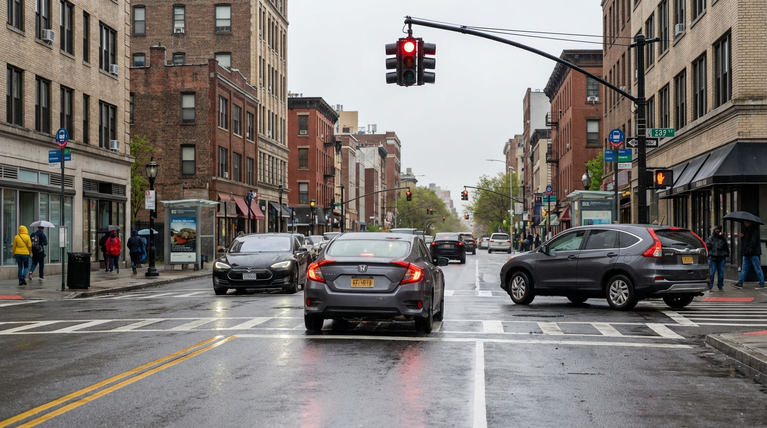
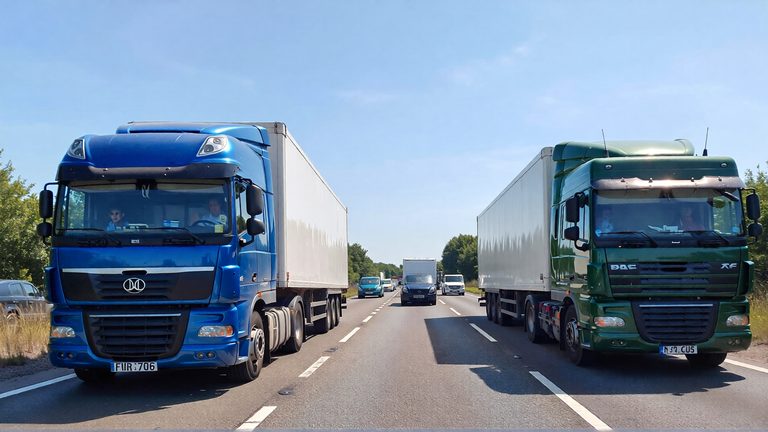
A passenger lost their life in an early-morning hit-and-run crash in the Rio Linda area of Sacramento County, and the driver left the scene before help could ask a single question. According to the California Highway Patrol, officers responded around 2:21 a.m. on Friday, Nov. 6, to reports of a collision near Elkhorn Boulevard and Marnice Road. Investigators determined that a sedan carrying a driver and a passenger struck an unoccupied, parked car hauler trailer. The passenger was pronounced dead at the scene, and the driver fled on foot.
Elkhorn Boulevard has since reopened. On Monday, Nov. 9, CHP announced that officers located and arrested the suspected driver, who was booked into the Sacramento County Jail. The passenger’s identity has not been publicly released. Anyone arrested in connection with a crash is presumed innocent until proven guilty, and the criminal investigation is ongoing.
Why Early-Morning Crashes Are So Dangerous
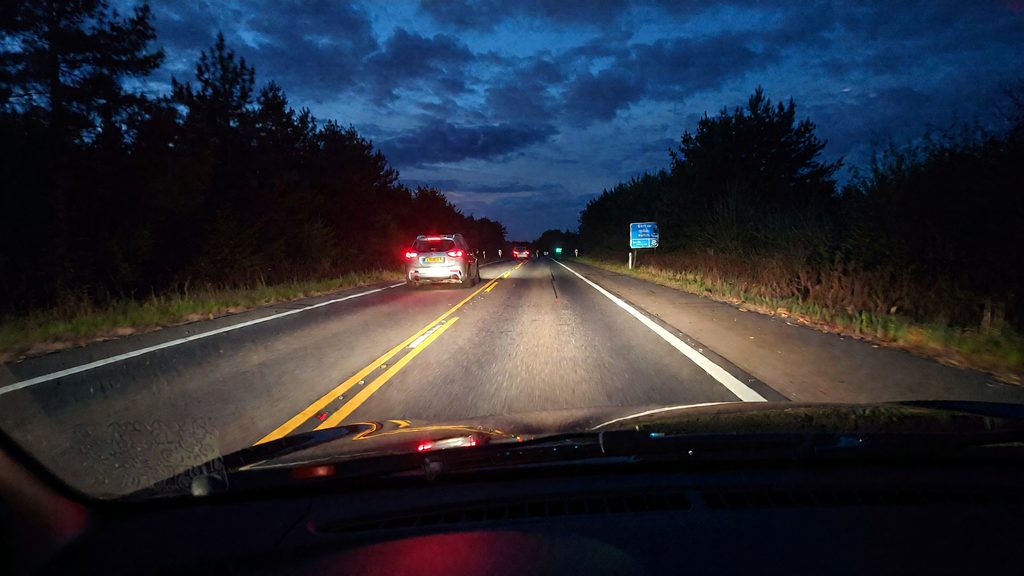
Pre-dawn hours carry a distinct set of risks on rural and industrial roads, such as those around Elkhorn Boulevard. Visibility is limited, large vehicles and trailers are often parked along the roadway, and fatigued or impaired drivers are more likely to be on the road. A parked trailer can be nearly invisible to a driver who is not paying attention, and the force of a collision with a heavy, stationary object frequently proves fatal to the people inside the car.
Early-morning hours also pose risks to people who have nothing to do with the road itself. California bars and restaurants must stop serving alcohol at 2 a.m., which means the hours that follow often put impaired drivers on the same roads as people heading to early shifts.
Drowsiness is another serious factor because the body’s natural sleep drive is strongest in the pre-dawn hours, and a fatigued driver can experience slowed reactions, lapses in attention, or microsleeps that last only seconds but cover a great distance at highway speeds.
Light traffic can also lead drivers to feel comfortable speeding or looking away from the road, while sparse lighting on rural and industrial stretches leaves less time to notice a hazard such as a parked trailer.
These same conditions mean fewer witnesses are nearby when a crash happens, which can delay emergency calls and make it harder to identify a driver who leaves the scene. Investigators have not publicly said what caused the Rio Linda crash, and no conclusions should be drawn about the driver’s condition, but understanding these risks helps explain why families and attorneys act quickly to preserve evidence after a pre-dawn collision.
California’s Hit-and-Run Law
Under California Vehicle Code §20001, a driver involved in a crash that injures or kills another person must stop immediately, provide identifying information, and render reasonable assistance. Fleeing the scene of a crash that results in death can be charged as a felony.
Vehicle Code §20003 separately requires drivers to help injured people, including arranging medical transportation when needed. These criminal consequences are decided in court, but they are distinct from the civil rights a grieving family holds.
California law treats leaving the scene of a serious crash as a crime in its own right, separate from whatever caused the collision. Under Vehicle Code §20001, any driver involved in a crash that injures or kills someone must stop immediately, provide their name, address, and vehicle registration, show their driver’s license if asked, and remain until the legal duties are met.
This obligation applies whether or not the driver was at fault, which means even a driver who believes the crash was unavoidable must stay. Vehicle Code §20003 adds a duty to render reasonable assistance, including arranging medical transportation, and §20004 requires a driver involved in a fatal crash to report it to law enforcement without delay.
When a crash results in death, a hit-and-run violation is a felony that can carry two to four years in state prison and fines of up to $10,000, and the charge is in addition to any other offenses prosecutors may bring, such as vehicular manslaughter.
These penalties are decided in the criminal courts, and a driver is presumed innocent until proven guilty. A family’s civil rights run on a separate track, so a wrongful death claim does not depend on the outcome of a criminal case, and fleeing the scene does not shield a driver from financial responsibility for the harm caused.
Can a Passenger’s Family Pursue a Claim?
A driver owes passengers a duty of reasonable care under California Civil Code §1714, which establishes that people are responsible for injuries caused by their failure to use ordinary care.
When a passenger dies because of a driver’s negligence, surviving family members may bring a wrongful death claim under California Code of Civil Procedure §377.60. Eligible plaintiffs generally include a spouse or domestic partner, children, and others who would inherit under California law, and, in some circumstances, dependent parents or stepchildren. The estate may also pursue a survival action under CCP §377.30 for losses the person suffered before death.
California applies pure comparative fault, so every party’s share of responsibility is weighed when damages are calculated. Liability insurance covering the driver’s vehicle often applies to passengers, and uninsured or underinsured motorist coverage on the family’s own policy may provide additional protection in some situations. Because these claims turn on policy language and the facts of the crash, early legal review matters.
How Wrongful Death Damages Are Evaluated
Wrongful death damages can include funeral and burial costs, lost financial support, the value of household services, and the loss of love, companionship, comfort, and guidance. Attorneys and insurers commonly use two illustrative methods to value the non-economic damages in a serious claim.
The multiplier method takes documented economic losses and multiplies them by a figure that reflects the severity and lasting impact of the harm. The per diem method assigns a daily dollar value to the suffering and multiplies it by the expected duration of the loss. Neither formula guarantees an outcome, and every case is valued on its own evidence, but they show how a claim can be built on a clear, documented foundation.
Time Limits Families Should Know
California generally gives families two years from the date of death to file a wrongful death lawsuit under CCP §335.1. Claims involving government entities, such as a dangerous road condition on a public roadway, follow much shorter notice rules under Government Code §835 and related claim statutes, sometimes as little as six months. Evidence like surveillance footage, vehicle data, and witness memories can disappear quickly, which is another reason not to wait.
Talk to GJEL Accident Attorneys
If you lost a loved one in a Sacramento County crash, you do not have to navigate the legal process alone. GJEL Accident Attorneys has more than 40 years of experience and has recovered over $950 million for injured clients and grieving families. We work on a contingency fee basis, which means you pay no attorney fees unless we recover compensation for you. Call 1-855-508-9565 or visit gjel.com for a free, confidential consultation, available 24/7.