A 10-year-old boy was struck by a vehicle while walking in a marked crosswalk in Petaluma on Thursday afternoon, April 2, 2026, in what authorities are investigating as a DUI hit-and-run. The collision occurred at the intersection of Washington Street and Howard Street in Sonoma County, sending the child to the hospital with injuries that are expected to be non-life-threatening.
The suspect allegedly fled the scene westbound on Bodega Avenue immediately after the impact — an act that witnesses on the scene were quick to document. Thanks to bystanders who provided license plate numbers to responding officers, police were able to track the vehicle to the registered owner’s address within hours of the incident.
A 63-year-old Petaluma resident was contacted, allegedly admitted to striking the child, and was subsequently arrested on suspicion of DUI hit-and-run after officers observed signs of intoxication. He was booked into the Sonoma County Jail. The case is a sobering reminder of the dangers posed by impaired drivers and the critical role that community witnesses play in ensuring accountability when drivers choose to flee.
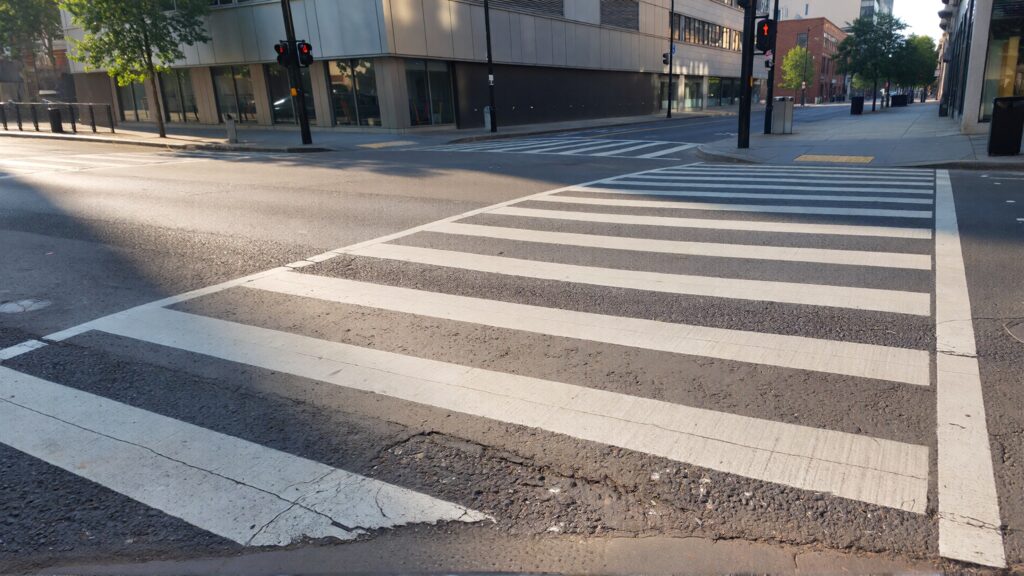
What Happened in the DUI Hit-and-Run Accident
According to the Petaluma Police Department, officers responded at approximately 4:12 p.m. to the intersection of Washington Street and Howard Street after multiple 911 callers reported that a vehicle had struck a child. The vehicle reportedly continued westbound on Bodega Avenue after the collision rather than stopping to render aid.
Responding officers located the boy at the scene. He had sustained minor injuries and was transported to a medical facility for treatment. He is expected to make a full recovery. Early reports indicate he was walking in a marked crosswalk at the time of the collision — a protected area under California law specifically designed to safeguard pedestrians.
The intersection of Washington Street and Howard Street sits within a residential and mixed-use corridor in Petaluma, an area where foot traffic — including children walking to and from school and neighborhood destinations — is common in the afternoon.
The fact that the boy was using a marked crosswalk at the time of the collision is significant: crosswalks are designated safety infrastructure intended to give pedestrians a protected right-of-way, and drivers approaching them are required under California law to slow, observe, and yield. Instead, according to investigators, the suspect’s vehicle struck the child without stopping — and the driver continued down Bodega Avenue, leaving a 10-year-old injured in the road.
Multiple witnesses who observed the collision immediately called 911, with several callers reporting the incident simultaneously, reflecting the severity of what they had witnessed. The quick response from the community and from Petaluma Police officers — who arrived and located the injured boy within minutes — was instrumental in both providing timely care for the child and launching an investigation that led to an arrest the same day.
Suspect Identified, Arrested on DUI Hit-and-Run Charges
Witnesses at the scene provided responding officers with a license plate number. That information led investigators to the registered owner’s address, where officers contacted a 63-year-old Petaluma resident. The suspect allegedly admitted to striking the child and leaving the scene without stopping.
Authorities noted that the suspect displayed signs of alcohol intoxication during the interview. He was arrested on suspicion of DUI, hit-and-run, and subsequently booked into the Sonoma County Jail. The investigation remains ongoing.
The arrest underscores how quickly a hit-and-run investigation can move when witnesses act decisively. In many flee-the-scene cases, suspects evade accountability for days or longer — or are never identified at all. In this instance, bystanders who witnessed the collision had the presence of mind to record the vehicle’s license plate and relay that information to emergency dispatchers in real time.
That single piece of evidence gave investigators a direct path to the suspect’s door. When officers arrived at the registered owner’s residence, the 63-year-old Petaluma man did not deny his involvement — he allegedly admitted to striking the child and leaving without rendering aid or identifying himself, as California law requires.
The additional observation by officers of signs consistent with alcohol intoxication elevated the charges beyond a standard hit-and-run. Facing a DUI hit-and-run allegation involving a child victim, the suspect now confronts serious criminal exposure under California law — potential consequences that may also have a significant bearing on any civil liability claims brought on behalf of the injured boy and his family.
California Law: Crosswalk Rights and Driver Obligations
California law provides strong protections for pedestrians — particularly children — using marked crosswalks. Under California Vehicle Code § 21950, drivers are required to yield the right-of-way to pedestrians crossing within any marked or unmarked crosswalk. Failing to do so is a traffic violation that can serve as direct evidence of negligence in a personal injury claim.
California Civil Code § 1714 further establishes that every person is responsible for injuries caused by their failure to exercise ordinary care. When a driver operates a vehicle under the influence, the standard of care is considered severely breached — and courts and juries take this especially seriously when the victim is a child.
Leaving the scene of an injury accident is a separate and serious criminal offense under California Vehicle Code § 20001, which requires any driver involved in a collision resulting in injury to immediately stop, render aid, and provide identifying information. A driver who flees is subject to criminal prosecution independent of any underlying DUI charge.
The protections afforded to child pedestrians under California law are especially robust. California Vehicle Code § 21952 specifically prohibits drivers from driving upon any sidewalk except at a permanent or temporary driveway, and courts have consistently interpreted the state’s pedestrian protection statutes broadly when minor victims are involved.
Beyond the Vehicle Code, California’s common law duty of care places a heightened obligation on drivers to anticipate the presence of children near crosswalks, schools, and residential intersections — areas where young pedestrians are foreseeably likely to be present and where a reasonable driver is expected to exercise extra caution.
When a driver is additionally impaired by alcohol, that already-elevated duty of care is compounded by the recklessness inherent in choosing to operate a vehicle while intoxicated. California courts have long recognized that driving under the influence is not merely a lapse in judgment but a conscious decision that places every person in the vehicle’s path at grave risk — a standard of conduct that falls far below what the law demands, and one that can carry serious consequences in both criminal proceedings and civil litigation.
Liability in DUI Hit-and-Run Pedestrian Cases
When a child is struck in a crosswalk by an allegedly impaired driver who then flees, multiple layers of civil liability may apply:
Driver negligence and negligence per se: A DUI driver who strikes a child in a marked crosswalk may be considered negligent per se under California law. This legal doctrine holds that violating a safety statute — such as the duty to yield to pedestrians or to remain at the scene — establishes negligence without requiring further proof of fault.
Punitive damages: California Civil Code § 3294 allows courts to award punitive damages when a defendant’s conduct is found to be malicious, oppressive, or in conscious disregard of others’ rights. Driving under the influence has been recognized by California courts as conduct that may support a punitive damages claim, potentially increasing total compensation significantly beyond economic losses.
Insurance coverage: Under California law, drivers are required to carry minimum liability insurance. Depending on the suspect’s policy terms and coverage limits, the injured child’s family may be entitled to compensation through the at-fault driver’s insurer. If the at-fault driver carries insufficient coverage, the family’s own uninsured/underinsured motorist (UM/UIM) policy may provide additional recovery.
It is also worth noting that liability in a DUI hit-and-run case involving a child is rarely limited to the at-fault driver alone. California’s dram shop laws, codified under Business and Professions Code § 25602, generally limit the liability of commercial alcohol vendors; however, exceptions exist, particularly when alcohol is furnished to an obviously intoxicated person or to a minor.
If investigators determine that the suspect was served alcohol at a bar, restaurant, or other licensed establishment prior to the collision, that establishment may face scrutiny as a potentially liable third party. Additionally, if the vehicle involved was owned by someone other than the driver, the vehicle’s owner may share liability under California’s permissive use doctrine, which holds that an owner who knowingly allows another person to operate their vehicle can be held responsible for damages caused during that use.
For the injured child’s family, identifying every potentially liable party is a critical step in ensuring that the full extent of the boy’s damages — physical, emotional, and financial — is covered. An experienced personal injury attorney will conduct a thorough investigation into all possible avenues of recovery, leaving no stone unturned in building the strongest possible case.
Understanding Compensation for an Injured Child
When a minor is injured due to another party’s negligence, California law allows recovery for a wide range of damages. Any personal injury settlement involving a minor must be approved by a court under California Probate Code § 3500 to ensure the child’s best interests are protected.
Compensable damages in this type of case can include:
Medical expenses: Emergency transport, hospital evaluation, diagnostic imaging, follow-up care, and any future medical needs related to the injuries.
Pain and suffering: California allows recovery for the physical pain and emotional distress caused by an accident. For a child struck by a vehicle in a crosswalk, these non-economic damages can be substantial.
Psychological trauma: Children involved in serious accidents — even those that result in relatively minor physical injuries — can experience lasting fear, anxiety, or post-traumatic stress. These psychological injuries are compensable under California law.
Loss of enjoyment of life: If the child’s injuries have limited his ability to participate in activities he previously enjoyed, that loss may be factored into the damages calculation.
It is also important for families to understand that the compensation process for an injured minor in California involves procedural safeguards that do not apply to adult claimants. Under California Probate Code § 3500, any settlement reached on behalf of a minor must receive court approval before it becomes binding — a requirement designed to ensure that the terms of the settlement genuinely serve the child’s best interests rather than those of the insurer or any other party.
During this process, a judge will review the proposed settlement amount, the nature and extent of the child’s injuries, the anticipated costs of future care, and the fees to be paid to the child’s attorney. Once approved, settlement funds are typically placed into a blocked account or structured settlement that the child cannot access until reaching the age of majority.
While this process adds a procedural step that adult claimants do not face, it also provides meaningful protection — ensuring that a child who has suffered harm is not left without adequate resources as they grow and their needs evolve. Families navigating this process benefit enormously from having an attorney experienced in minor’s compromise proceedings who can advocate effectively for the child’s long-term financial security throughout every stage of the case.
Settlement Value: How Attorneys Calculate Compensation
Personal injury attorneys typically use two primary methodologies to estimate the value of a claim:
The multiplier method calculates a victim’s total economic damages — medical bills, future care costs, and any other quantifiable losses — and multiplies that figure by a number between 1.5 and 5 (or higher in cases involving egregious conduct). In DUI hit-and-run cases involving a child victim, courts and juries have historically applied higher multipliers given the severity of the misconduct involved.
The per diem method assigns a daily dollar value to a victim’s pain and suffering and multiplies it by the number of days the victim is expected to experience the effects of their injuries. For a child with ongoing anxiety or physical discomfort following the collision, this period can extend well beyond the initial recovery.
Because this incident involves a DUI driver who struck a child in a protected crosswalk and then fled, the potential for punitive damages may meaningfully increase the overall value of any civil claim.
A Note on the Statute of Limitations
Under California Code of Civil Procedure § 335.1, adults injured through another’s negligence generally have two years from the date of the incident to file a personal injury lawsuit. However, for minor victims, California tolls (pauses) the statute of limitations until the child turns 18, giving the family additional time to pursue a claim. That said, consulting with an attorney promptly helps preserve key evidence, witness statements, and medical documentation.
In cases involving a government entity or public property, different notice requirements may apply under Government Code § 835. An experienced personal injury attorney can identify all potentially liable parties and ensure all deadlines are met.
Beyond the statute of limitations, there are practical reasons why families should not delay in consulting with an attorney even when the law provides additional time. Physical evidence — skid marks, vehicle damage, crosswalk conditions, and traffic camera footage — can disappear or be lost within days or weeks of an incident. Witness memories fade, and witnesses themselves can become difficult to locate over time.
Medical records and emergency response documentation are most complete and accessible in the immediate aftermath of an accident. Insurance companies, meanwhile, are rarely idle during the period between an incident and a formal claim — adjusters may begin building a defense, making recorded statements, or taking other steps to limit the insurer’s exposure long before a family has had the chance to fully understand their legal rights.
In DUI hit-and-run cases, the parallel criminal investigation may also yield evidence — police reports, toxicology results, booking records, and witness statements — that can be highly valuable in a civil proceeding but must be preserved and obtained through the proper legal channels before it becomes unavailable. Engaging an experienced personal injury attorney as early as possible ensures that none of this critical evidence is lost and that the family’s legal position is protected from the very beginning.
Injured in a Hit-and-Run? GJEL Accident Attorneys Can Help
“When I hear about a child being struck in a crosswalk by an allegedly drunk driver who then drove away, it’s deeply troubling — not just as an attorney, but as a member of this community. That child was doing everything right, and he deserved to be protected. My team is committed to standing up for families in situations like this one, making sure they understand their rights and that the people responsible are held fully accountable. If your child was hurt in a hit-and-run or DUI accident, please don’t wait to reach out — we’re here to help.” — Andy Gillin, Managing Partner, GJEL Accident Attorneys
At GJEL Accident Attorneys, we have spent more than 40 years fighting for injured Californians and have recovered over $950 million for our clients. We handle DUI pedestrian accidents, hit-and-run cases, and injuries to children throughout Sonoma County and across Northern California.
We work on a contingency fee basis — meaning you pay nothing unless we win your case. At GJEL, we ensure that all evidence is properly preserved and that all potential sources of compensation are thoroughly investigated, allowing families to focus on healing. Talk to an experienced GJEL accident attorney for a free legal consultation. Contact us at +1-866-218-3776 or visit our Hayward office to talk to the experts.
Resources for Petaluma and Sonoma County Families
Petaluma Police Department 969 Petaluma Blvd. N, Petaluma, CA 94952 (707) 778-4372 www.cityofpetaluma.org/police Primary investigating agency for this incident; handles traffic collision reports and public records requests.
Sonoma County Sheriff’s Office 2796 Ventura Ave, Santa Rosa, CA 95403 (707) 565-2511 www.sonomasheriff.org Oversees the Sonoma County Jail, where the suspect was booked; can assist with booking records.
Sonoma County Superior Court 600 Administration Dr, Santa Rosa, CA 95403 (707) 521-6500 www.sonomacourts.ca.gov Handles civil personal injury filings and minor’s compromise petitions in Sonoma County.
California Highway Patrol – Sonoma Area 2550 Corby Ave, Santa Rosa, CA 95407 (707) 588-1400 www.chp.ca.gov May assist with traffic collision investigation coordination and accident records.
Sonoma County Victim/Witness Assistance Center 600 Administration Dr, Suite 212J, Santa Rosa, CA 95403 (707) 565-2983 www.sonoma-county.org/da/victim-witness Provides support services, case updates, and assistance to crime victims and their families throughout the criminal justice process.
Children’s Hospital & Research Center Oakland (UCSF Benioff Children’s Hospital) 747 52nd St, Oakland, CA 94609 (510) 428-3000 www.ucsfbenioffchildrens.org Regional pediatric trauma center for children requiring specialized care following serious accidents.