A man has died after losing control of an electric scooter in King City, leaving a family without answers and a community reminded of how quickly a routine ride can turn tragic. Our thoughts are with his loved ones as they begin to cope with this loss. The e-scooter accident is a sobering reminder of the risks associated with electric scooters, which have become a common way to get around in small cities like King City.
Many riders use them for short trips to work, school, or errands, and few expect that an ordinary ride could end in a life-threatening emergency. In this case, the man’s identity has not been released while police notify his next of kin, which means that for now, those closest to him may still be absorbing the news. Investigators have said the crash involved no other vehicles or people, and their preliminary findings are still being reviewed.
Families in this situation often face difficult questions about what caused the fall, whether something could have been done to prevent it, and what steps they can take next. Understanding the facts, the safety rules that apply to scooter riders, and the legal options available under California law can bring some clarity during an overwhelming time.
What Happened in the E-Scooter Accident
According to the King City Police Department, officers responded at about 5:16 p.m. on Nov. 9 to a reported collision in the 100 block of Bassett Street. They found an adult male lying in the street, unconscious and suffering from an apparent traumatic head injury.
Officers, King City Fire Department personnel, and ambulance crews performed lifesaving measures at the scene. The man was then taken to Natividad Medical Center, where he later died. Bassett Street is a local roadway in the heart of King City, and the 100 block is part of the everyday routes residents use to get around town.
When the call came in on the evening of Nov. 9, responding officers arrived to find a scene no one hopes to encounter. The rider was alone in the roadway, and the severity of his head injury was apparent from the start. Emergency personnel from the police department, the fire department, and local ambulance services worked together to stabilize him before he was taken to Natividad Medical Center, but he did not survive.
Police have said there is no indication that another vehicle or person was involved, so the investigation is focused on how and why the rider lost control. Details such as the condition of the road surface, the mechanical condition of the scooter, and the speed at which he was traveling can help explain a single-rider crash, and they may become clearer as the investigation continues.
What Investigators Have Found So Far
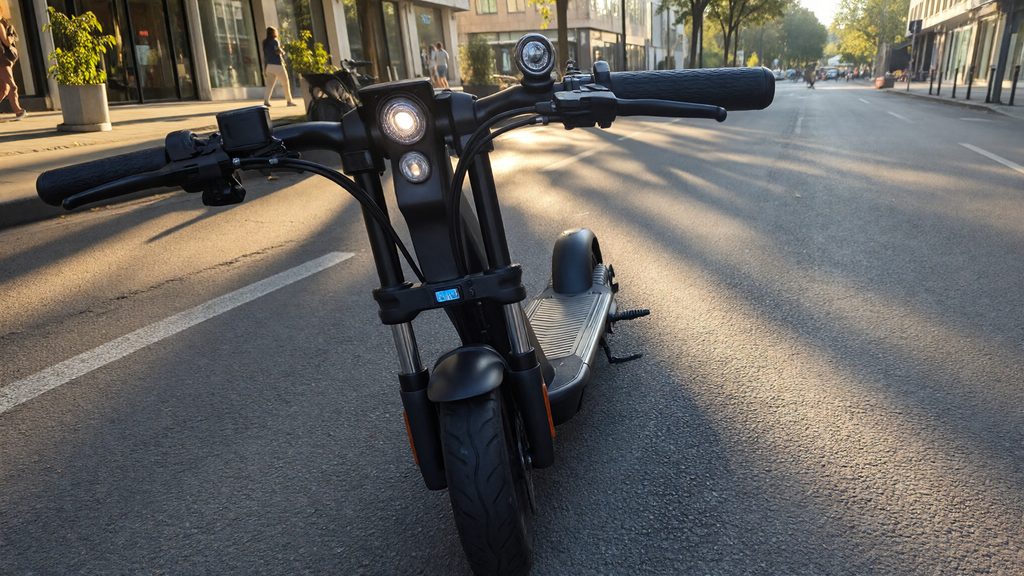
A preliminary investigation determined that the man was riding an electric scooter eastbound on Bassett Street without a helmet when he lost control and struck the roadway. Police said investigators found no indication that other vehicles or people were involved. His identity is being withheld until his next of kin has been notified.
In a public reminder, police urged e-scooter riders to wear helmets, ride at responsible speeds, and follow all relevant traffic laws. The investigation is preliminary, and the full circumstances of the crash may not be known for some time.
According to the King City Police Department, the preliminary investigation indicates that the man was riding an electric scooter eastbound on Bassett Street when he lost control and struck the roadway, sustaining significant injuries. Police reported that he was not wearing a helmet at the time.
Investigators found no indication that other vehicles or people were involved in the collision, suggesting a single-rider crash rather than a collision with traffic or a pedestrian. The man’s identity is being withheld until his next of kin have been notified, and police have not released further details about what caused him to lose control.
Because the findings are preliminary, they may change as investigators complete their work. Questions such as the scooter’s speed, the condition of the roadway, and whether a mechanical problem played any role have not been addressed in the information released so far. For a grieving family, the difference between an unexplained fall and one with an identifiable cause can be significant, which is why a careful and independent review of the facts matters in cases like this one.
Why Head Injuries Are So Dangerous in Scooter Crashes
Electric scooters offer little protection to the rider. There is no frame around the body, no airbag, and often only a few inches between a rider’s head and the pavement. A fall at modest speed can cause a traumatic brain injury, which can range from a concussion to a fatal injury.
Roadway surface conditions, a sudden mechanical problem, or a loss of balance can all cause a rider to fall, and the consequences are frequently severe. Head injuries are among the most serious outcomes of a scooter crash because the rider’s head is often the first point of impact. An electric scooter offers no enclosed frame, no seat belt, and no airbag, and the rider stands with their head several feet above a hard road surface.
Even a fall at a modest speed can cause the brain to strike the inside of the skull, leading to bruising, bleeding, or swelling that can quickly become life-threatening. Traumatic brain injuries range from concussions to severe damage that affects breathing, consciousness, and the body’s ability to function, and the most serious cases may require immediate surgery.
Symptoms can also worsen in the minutes and hours after a fall, which is why prompt emergency care is so critical. A helmet cannot prevent every injury, but it is designed to absorb and spread out impact forces that would otherwise reach the skull and brain. For this reason, safety experts encourage riders of every age to wear one on every trip, no matter how short the ride or how familiar the route.
California Rules for Electric Scooters
California Vehicle Code Section 21235 sets the rules for motorized scooters, including limits on speed, restrictions on carrying passengers, and requirements for where riders may travel. Riders under 18 must wear a helmet, and safety experts recommend that riders of every age do the same. Following these rules matters for safety, and it can also shape how responsibility is evaluated after a crash.
California law treats electric scooters as motorized scooters and regulates them under Vehicle Code Section 21235. Under that statute, riders generally must hold a valid driver’s license or instruction permit, may not carry passengers, and may not travel faster than 15 miles per hour.
Scooters are not permitted on sidewalks and are generally restricted to roads with posted speed limits of 25 miles per hour or less, unless a separated bikeway is available. Riders must also follow the same basic traffic rules that apply to other road users, including obeying signals and signs and riding in a safe and reasonable manner.
Helmets are required for riders under 18, and while adults are not legally required to wear one, safety experts and law enforcement strongly encourage every rider to do so. These rules exist to reduce the risk of serious injury, and how closely they were followed can become relevant when a crash is investigated.
At the same time, a rider’s compliance with, or departure from, a particular rule is only one piece of a larger picture, and it does not by itself determine whether another party may share responsibility for what happened.
Can a Single-Vehicle Scooter Crash Still Involve a Legal Claim?
When no other vehicle is involved, many families assume there is nothing to pursue. That is not always the case. Several circumstances can give rise to a claim, and an independent review of the facts is the only way to know whether any apply.
A defect in the scooter itself, such as a brake, throttle, steering, or battery failure, may support a product liability claim against the manufacturer or distributor. If the scooter was rented through a sharing company, questions about maintenance and inspection may arise. A hazardous road condition, such as a pothole, debris, or a poorly maintained surface, can also contribute to a crash.
Claims involving public property are governed by California Government Code Section 835, which addresses dangerous conditions on public property, and these claims are subject to strict, short deadlines. Under the Government Claims Act, a claim against a public entity generally must be filed within 6 months of the incident, so families should not delay in seeking guidance.
Many families assume that when no other vehicle is involved, there is no one to hold accountable, but a single-rider crash can still give rise to a legal claim depending on what caused the fall. A defect in the scooter, such as a failure of the brakes, throttle, steering, or battery, may support a product liability claim against the manufacturer, distributor, or seller.
If the scooter was rented through a sharing company, questions may also arise about whether it was properly maintained and inspected before it was made available to riders. The condition of the roadway can matter as well, since potholes, loose gravel, uneven pavement, or other hazards can easily throw a scooter off balance.
When a dangerous condition exists on public property, California Government Code Section 835 may allow a claim against the responsible public entity, but such claims are subject to short deadlines; a claim against a government agency generally must be presented within six months of the incident.
A rider’s own choices, such as not wearing a helmet, may be considered when responsibility is evaluated, yet California’s pure comparative fault rule means that shared fault does not automatically prevent recovery from another responsible party.
Because the answers depend on evidence that can be lost quickly, including the scooter itself, its battery and electronic data, and the condition of the road, families benefit from having the facts reviewed early by an attorney who handles these cases.
How California Law Treats Shared Fault
California follows a pure comparative fault system. Even if a rider is found to share some responsibility for a crash, such as by not wearing a helmet, that does not automatically bar recovery. Any compensation may be reduced by the percentage of fault assigned to the rider, but the other responsible parties can still be held accountable for their share.
Civil Code Section 1714 establishes the general duty to use ordinary care and avoid causing harm to others. California follows a pure comparative fault system, which means that a person who is partly responsible for their own injuries is not automatically barred from recovering compensation.
Instead, a jury or insurer assigns a percentage of fault to each party involved, and any recovery is reduced by the share attributed to the injured person. For example, if a rider is found to be 20 percent at fault and the total damages are established at a certain amount, the recovery would be reduced by that 20 percent.
In a scooter crash, this principle can matter when questions arise about helmet use, speed, or whether the rider was following traffic rules. At the same time, those factors do not erase the responsibility of a manufacturer that sold a defective product, a rental company that failed to maintain its scooters, or a public entity that allowed a dangerous roadway condition to exist.
Civil Code Section 1714 establishes the general duty of every person to use ordinary care and avoid causing harm to others and provides the foundation for how responsibility is assessed in such cases. Because insurers often try to emphasize a rider’s own conduct in order to reduce what they pay, an independent investigation of the facts is important to make sure that fault is assigned fairly and that every responsible party is considered.
Wrongful Death and Survival Actions
When a death is caused by the wrongful act or neglect of another, California law allows certain family members to bring a wrongful death action under Code of Civil Procedure Section 377.60. This generally includes a surviving spouse or domestic partner, children, and, in some cases, other dependents or heirs.
The decedent’s estate may also pursue a survival action under Code of Civil Procedure Section 377.30 for losses the person suffered before death. The general statute of limitations for these claims is two years under Code of Civil Procedure Section 335.1, though exceptions apply, especially when a public entity is involved.
When a death is caused by the wrongful act or neglect of another, California law gives surviving family members two distinct legal avenues. A wrongful death action under Code of Civil Procedure Section 377.60 is brought by certain surviving family members, which generally include a spouse or domestic partner, children, and the children of a deceased child, and in some situations, parents, dependent stepchildren, or others who would inherit under California law.
This type of claim focuses on what the family has lost, including financial support, household services, and the companionship, comfort, and guidance of their loved one, as well as funeral and burial expenses. A survival action under Code of Civil Procedure Section 377.30 is separate and allows the decedent’s personal representative or successor in interest to pursue the claims the person could have brought had they lived, such as medical expenses and lost income between the injury and the time of death.
The general deadline to file either type of claim is two years from the date of death under Code of Civil Procedure Section 335.1, but exceptions apply, and claims involving a public entity carry much shorter notice requirements. Families dealing with sudden loss are rarely in a position to track these rules while they grieve, which is why speaking with an attorney early can help protect their rights and keep important evidence from being lost.
How Compensation Is Evaluated
In a fatal crash, damages can include medical and funeral expenses, loss of financial support, loss of household services, and the loss of love, companionship, and guidance. Attorneys and insurers often discuss value using two common approaches. The multiplier method takes the documented economic losses and applies a factor that reflects the severity and permanence of the harm.
The per diem method assigns a daily dollar value to non-economic suffering and multiplies it by the length of the affected period. Neither method is a formula that guarantees a result, and every case depends on its own evidence, the applicable insurance coverage, and the degree of shared fault.
In a fatal crash, compensation is evaluated by looking at both the measurable financial losses and the deeply personal losses a family experiences. Economic damages include medical bills, funeral and burial costs, and the income and benefits the person would have provided over the years ahead, as well as the value of household services they performed.
Non-economic damages address the loss of love, companionship, and guidance, which carry no price tag but are often the most significant part of a wrongful death claim. Attorneys and insurers commonly discuss value using two approaches.
The multiplier method takes the documented economic losses and applies a factor, generally reflecting the severity of the harm and the strength of the evidence, to estimate the non-economic component. The per diem method assigns a daily dollar value to the suffering and multiplies it by the duration of the period affected.
Neither method is a formula that guarantees a result, and the outcome of any case depends on its own evidence, the available insurance coverage, any shared fault assigned under California’s comparative fault rule, and the identity of the responsible parties. Because insurers often value claims conservatively, a careful and well-documented presentation of the family’s losses is essential to making sure that the full impact of the death is recognized.
Talk With GJEL Accident Attorneys
“Our hearts go out to the family and everyone touched by this loss in King City. When a crash happens suddenly, families are often left with more questions than answers, and the last thing anyone should have to worry about is where to turn for help. If you or someone you love has been hurt or lost in a scooter or roadway crash, please do not wait to find out what your options are. Evidence can disappear quickly, and important legal deadlines can be much shorter than people expect, especially when a public roadway is involved. Speaking with an experienced attorney early costs you nothing, and it allows us to investigate what truly happened and protect your family’s rights while you focus on healing.”-Andy Gillin, Managing Partner, GJEL Accident Attorneys
If your family has lost a loved one in a scooter, bicycle, or other roadway crash anywhere in California, you do not have to navigate the process alone. With more than 40 years of experience and over $950 million recovered for clients, GJEL Accident Attorneys is ready to listen. We handle these cases on a contingency fee basis, which means you pay nothing unless we recover compensation for you. Call 1-855-508-9565 or visit our Fresno office for a free consultation.
Local Resources
King City Police Department. The department investigating this collision is located at 415 Bassett Street, King City, CA 93930, and can be reached at (831) 385-4848 for questions about the investigation. Non-emergency calls can also be routed through Monterey County Communications at (831) 385-8311. In an emergency, always call 9-1-1. The department’s information, forms, and police records requests are available through the City of King website: https://www.kingcity.com
California Highway Patrol, King City Area Office. The CHP serves southern Monterey County and can assist with questions about traffic collision reports and roadway safety. The office is located at 2 Broadway Circle, King City, CA 93930, with a phone number of (831) 387-3800, and is open Monday through Friday from 8:00 a.m. to 5:00 p.m. Office details are available here: https://www.chp.ca.gov/find-an-office/coastal-division/735-king-city
Monterey County Sheriff-Coroner’s Office. The Coroner Unit conducts medicolegal investigations into deaths in Monterey County and makes family death notifications. Families seeking coroner reports or autopsy records can contact the Coroner Unit at (831) 755-3792 or coroner@countyofmonterey.gov. The Sheriff’s Office is located at 1414 Natividad Road, Salinas, CA 93906, and its general line is (831) 755-3700. Coroner Unit information: https://mcso.countyofmonterey.gov/enforcement-operations-bureau/coroner-unit and the Sheriff’s Office home page: https://www.countyofmonterey.gov/government/departments-i-z/sheriff-coroner/home
Natividad Medical Center. The county-owned hospital and trauma center where the rider was taken is located at 1441 Constitution Boulevard, Salinas, CA 93906, with a general information line of (831) 755-4111. Families who need to request medical records or ask about care provided can start with the hospital’s main contact page: https://www.natividad.com/contact-and-location/
Monterey County Public Works, Facilities and Parks. Roads within King City limits are generally maintained by the city, while county roads in unincorporated areas fall under the county. Anyone who believes a hazardous road condition contributed to a crash on a county road can submit a road repair and safety request. The department is located at 1441 Schilling Place, 2nd Floor, Salinas, CA 93901, and can be reached at (831) 755-4800 on weekdays from 8:00 a.m. to 5:00 p.m. Request for Service page: https://www.countyofmonterey.gov/government/departments-i-z/public-works-facilities-parks/pw-request-for-service-rfs
Transportation Agency for Monterey County. TAMC plans and funds major road improvement projects throughout the county, and its website is a useful place to learn about regional transportation safety planning and bicycle and pedestrian programs: https://www.tamcmonterey.org
California Office of Traffic Safety. This state agency provides public education on traffic safety, including resources on safe riding practices for micromobility users such as e-scooter riders: https://www.ots.ca.gov
SaferProducts.gov. Operated by the U.S. Consumer Product Safety Commission, this site allows consumers to report injuries or safety concerns involving consumer products, including electric scooters and their batteries: https://www.saferproducts.gov