
Traumatic brain injuries (TBIs) can have devastating consequences. This article outlines common Traumatic Brain Injury symptoms, explains frequent causes like falls and car accidents, and emphasizes the importance of seeking prompt medical and legal help. Learn what to look for and contact GJEL for a free consultation.
A traumatic brain injury is a disruption in normal brain function caused by an external force, such as a bump, blow, jolt, or a penetrating injury to the head. TBIs are often described as mild, moderate, or severe depending on the force involved, the symptoms present, and which part of the brain is affected.
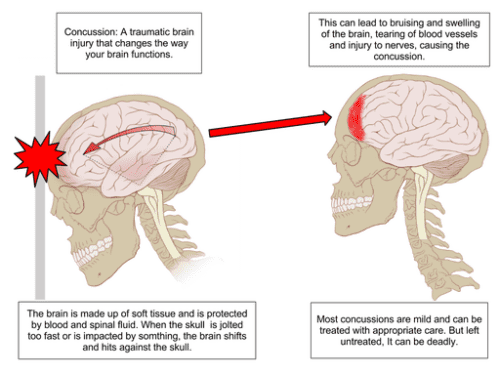
Traumatic brain injuries are a serious public health issue throughout the United States. The Centers for Disease Control (CDC) estimates that almost 2 million in the United States suffer some form of Traumatic Brain Injury each year. The seriousness of these injuries may range from relatively mild to quite severe.
Some brain injuries may even cause death – Traumatic Brain Injury was the cause of death for approximately 50,000 people in 2010.
Signs and Symptoms of TBI’s
Traumatic Brain Injury may affect some or several of the brain’s motor and cognitive functions. The severity of the trauma causing the injury will influence the number of affected functions as well as the extent of the damage.
A victim will display symptoms whenever he or she is suffering from traumatic brain injury, and it is important to be able to identify the common signs and symptoms associated with a TBI. Properly identifying symptoms of traumatic brain injury may make a difference in the way victims are affected and ultimately recover. Failing to identify potential traumatic brain injury may result in serious, lasting complications.
TBI symptoms do not always appear right away. In some cases, symptoms begin immediately after a head injury. In others, they may develop over the next several hours, days, or even weeks, which is one reason every suspected brain injury should be taken seriously.
Some examples of symptoms associated with traumatic brain injury include:
- Loss of consciousness if even for a moment
- Memory lapses
- Difficulty concentrating
- Nausea or vomiting
- Dizziness, confusion, or fogginess
- Loss of balance
- Persistent headaches or headaches that worsen
- Difficulty sleeping or sleeping more than usual
- Feeling depressed or anxious
- Sensory problems such as blurred vision
- Seizures or convulsions
- Slurred speech
- Dilation of the victim’s pupils
- Weakness or a loss of sensation in the victim’s fingers or toes
- Unusual behavior
Other symptoms may include fatigue, ringing in the ears, sensitivity to light or sound, changes in taste or smell, irritability, poor coordination, numbness in the arms or legs, or clear fluid draining from the nose or ears. In more serious cases, a person may be difficult to wake, unable to awaken from sleep, or may lose consciousness for minutes or hours.
As the list above shows, traumatic brain injury may affect a variety of different functions. A victim may experience deficits regarding one or several combined functions as a result. Therefore, it is imperative to seek appropriate and timely medical attention when there is a reason to believe that a brain injury may exist.
Medical attention is especially urgent when symptoms get worse instead of better. A worsening headache, repeated vomiting, seizures, increasing confusion, weakness, or unusual drowsiness after a head injury may point to a more serious brain injury and should be treated as an emergency.
Signs of TBI in Children
Children with traumatic brain injuries may show different warning signs than adults, especially infants and toddlers who cannot clearly describe what they feel. Parents and caregivers should watch for changes in eating or nursing habits, persistent crying, unusual irritability, loss of interest in favorite toys or activities, seizures, or unusual sleepiness.
What Can Cause Brain Injuries?
Several things may lead to a brain injury. Brain injuries are most often associated with a significant blow to the victim’s head. This may be the result of a car accident, a fall, a cycling accident, or a sports injury. The CDC found that most cases of traumatic brain injury are the result of a fall. Unintentional blunt trauma and motor vehicle crashes are the second and third leading causes of trauma, respectively.
Falls are especially common among older adults and young children. Motor vehicle crashes also remain a major cause of moderate to severe brain injuries because the brain can move or twist inside the skull during a violent impact.
Importantly, victims can still sustain TBIs even in the absence of physical contact. For example, whiplash can cause the head to jerk back and forth with such force as to result in the brain hitting against the inside of the skull. In some cases, this type of event can cause a TBI and other serious complications. TBIs are a common result of many different types of accidents, including the following:
- Car accidents
- Truck accidents
- Pedestrian accidents
- Bicycle accidents
Other common causes include assaults, domestic violence, child abuse such as shaken baby syndrome, high-contact sports like football, boxing, and hockey, explosive blast injuries often seen in military settings, and penetrating injuries involving objects such as bullets or shrapnel.
Importantly, TBI victims may be entitled to recover damages from the individual who caused their injury. It is recommended for victims of traumatic brain injury to retain an experienced attorney to have the best chance to receive compensation. The long-term effects of a TBI can be profound, impacting every aspect of a person’s life.
From cognitive difficulties and physical limitations to emotional challenges and financial strain, the road to recovery can be long and arduous. If you or a loved one has suffered a TBI due to someone else’s negligence, it’s crucial to seek legal representation.
An experienced brain injury attorneys team can investigate the circumstances of your injury, gather evidence to prove liability, and fight for the full and fair compensation you deserve for medical bills, lost wages, pain and suffering, and other damages.
Don’t hesitate to contact us online or call GJEL directly at 1-855-508-9565.
Information Center
Frequently asked questions
- What is the difference between a traumatic brain injury and an acquired brain injury?
- Are brain injury victims eligible for social security payments?
- TBI Settlement Questions
- What are the typical TBI medical expenses?
- What are the signs and symptoms of head injuries in adults?
Further Reading