
Traumatic brain injury (TBI) is a type of head injury that disrupts brain functioning. TBIs are a critical public health concern, impacting nearly 60 million people worldwide. These brain injuries may cause changes in thinking, sensation, language, and emotions and may not be readily apparent. Brain injury personality changes can impact many aspects of a person’s activities of daily living and livelihood. Studies have shown that TBIs from motor vehicle accidents are estimated to result in over 200,000 emergency department visits, 57,000 hospitalizations, and over 16,000 deaths annually.
Personality changes after a TBI may be temporary as the brain heals, but they can also be long-lasting or permanent, especially after a moderate or severe injury. In many cases, family members and close friends notice the changes first because the injured person may have reduced self-awareness and may not fully recognize how their behavior has changed.
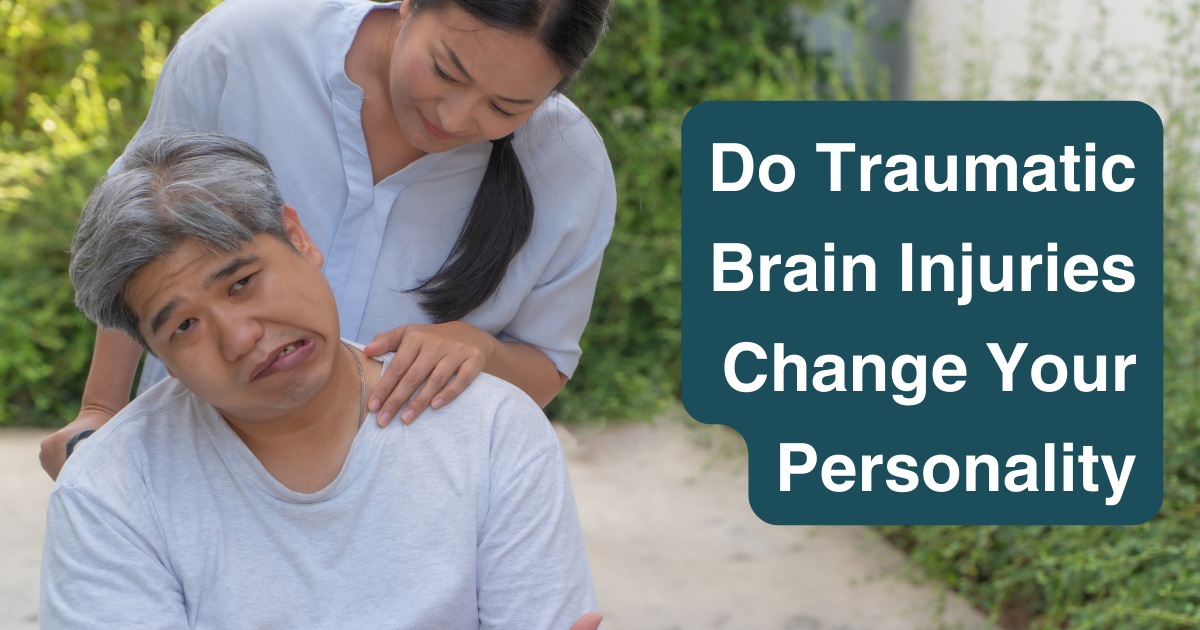
Those experiencing brain injury symptoms after a California car accident should consult an experienced personal injury attorney. TBIs can lead to high socioeconomic costs for accident victims and their loved ones. These injuries can lead to long-term disability and death. An attorney can help car accident victims understand their rights and remedies under California’s personal injury laws.
Symptoms of Traumatic Brain Injury After a Car Accident
TBIs typically occur when a person’s brain experiences damage following an external direct or indirect force and can range from mild to severe intensity. Commonly, TBI is identified by the Glasgow Coma Scale. The 15-point Glasgow Coma Scale helps emergency medical personnel assess the severity of the person’s initial brain injury.
Mild TBI Symptoms
Mild TBIs can stem from a bump, blow, or jolt to the head or from a hit to the body that causes the head and brain to move quickly. The sudden movement can cause the brain to twist or bounce, experience chemical changes, and stretch the brain cells. Those who notice difficulties with learning, memory, concentration, or problem-solving skills after an accident may have experienced a TBI.
Moderate to Severe TBI Symptoms
Similar to mild TBIs, moderate to severe TBIs typically result from a bump, blow, jolt, or skull penetrating injury. Studies indicate severe TBIs often result from motor vehicle accidents, firearm-related incidents, and falls. Research shows that patients with TBI might experience an increased risk of neurodegenerative diseases, cognitive impairments, affective disorders, substance use disorders, and personality disorders.
How Brain Injury Can Cause Personality Changes
Damage to the brain can clearly alter your personality, just like it can alter your physical abilities. People who experience moderate or severe TBI may notice changes in their behavior. Researchers often categorize personality changes under five main subtypes:
- Effectively labile,
- Aggressive,
- Disinhibited,
- Apathetic, and
- Paranoid.
Personality changes following a TBI occur for many reasons, primarily involving changes in how the brain processes and interprets information.
Direct damage to the frontal lobe can affect judgment, emotional regulation, motivation, and social behavior. Injury to the orbitofrontal cortex can also reduce impulse control, making it harder for a person to pause before speaking or acting. TBIs may also disrupt the brain’s normal chemical signaling and neurocircuitry, which can change how emotions are processed and expressed.
In some cases, the personality shift is not caused only by the physical injury itself. The emotional toll of losing physical abilities, memory, independence, or work capacity can also contribute to depression, anxiety, grief, and frustration that appear as personality changes.
Factors that Impact Personality Changes After a TBI
Individuals of any age may show signs of personality changes after a TBI. However, personality changes are a significant psychiatric complication for children and youth. Personality and behavior changes may occur immediately after an accident or develop and change over time.
Many factors impact the extent and permanence of post-TBI personality changes. Factors that might affect a personality change after an accident include the following:
- Injury severity;
- Person’s age, pre-injury status, comorbid conditions;
- Socioeconomic status; and
- Neurocognitive function.
Depending on these factors, your personality can be impacted in a variety of ways.
How Do These Changes Impact Victims?
These personality changes may cause the following issues in a victim.
- Difficulty with focusing, thinking, communicating, processing information, and responding to information. These problems may challenge keeping up with a conversation or understanding a situation.
- Individuals with TBI might encounter problems with thinking skills and might need help understanding why things happen and how to react to situations. This can lead to irritability and a refusal or failure to do things they agreed to do.
- Poor impulse control. TBIs can cause brain changes that hinder impulse control and cause victims to act or say things before thinking.
Some victims develop a “short fuse” and become angry or frustrated much more easily than they did before the accident. Others may make socially inappropriate comments, spend money recklessly, or take risks they would have avoided before the injury.
Apathy is also common after a TBI. A person may seem lazy, withdrawn, or no longer interested in hobbies, work, or relationships, even when the real cause is damage to brain areas involved in motivation. Some people also experience emotional lability, which can lead to sudden crying, laughing, or rapid mood swings that do not fit the situation.
Personality changes can also affect empathy and relationships. A victim may seem more self-centered than before or may have difficulty understanding how their words and actions affect other people, which can put strain on marriages, family life, friendships, and employment.
While car accidents can cause various types of injuries, those who experience any blow to the head should consult with a doctor to discuss any personality changes due to a head injury.
For additional guidance on your legal options, you may also benefit from speaking with experienced TBI attorneys who can help you pursue compensation for the long-term effects of a brain injury.
Treatment and Recovery after TBI
Living with someone with frontal lobe damage because of a TBI can be challenging and emotionally daunting. Many TBI patients require assistance with various aspects of their daily lives. Some patients diagnosed with mild TBI might recover from their symptoms within a few weeks. However, a small but meaningful group of patients suffering from mild TBI may experience symptoms that significantly impact their quality of life and that of their families. Moreover, patients diagnosed with moderate to severe TBI may experience lifelong disabilities.
Prompt and consistent treatment after an accident can reduce the likelihood of permanent disability. Treatment after a TBI includes the following:
- Immediate emergency care,
- Medications,
- Surgery, and
- Rehabilitation.
Managing Personality Changes After a TBI
Personality and behavior changes often improve with structured support. A neuropsychologist can assess cognitive and emotional deficits, identify problem areas, and recommend coping strategies for both the injured person and their family. Cognitive behavioral therapy (CBT), counseling, and rehabilitation programs may also help patients rebuild social skills, manage frustration, and improve emotional regulation.
Family education is another important part of recovery. Loved ones can learn to recognize triggers such as fatigue, stress, pain, or overstimulation that may worsen irritability or impulsive behavior. Adjusting communication styles, simplifying routines, and creating calm environments can reduce conflict and support recovery at home.
Survivors and caregivers may also benefit from educational resources and support organizations such as the Brain Injury Association of America and the Model Systems Knowledge Translation Center (MSKTC), which offer practical guidance on behavior changes after TBI.
Treatment for TBI can result in costly imaging tests, medications, and specialist treatments. Those who experienced a TBI, or suspect they have, should reach out to a dedicated California injury lawyer for immediate assistance.
Compensation for TBI
Those who suffer a TBI in an accident may hold the at-fault party liable for their damages. In California, TBI victims may recover damages for their medical bills, lost earnings, disability, pain and suffering, and other losses. Further, while punitive damages are rare, in some cases, the court may award such relief. But punitive damages are only available in cases where the at-fault party’s conduct was particularly malicious, egregious, or intentional.
Are You Experiencing Brain Injury Personality Changes?
If you were recently injured in a California accident and are experiencing signs of a traumatic brain injury, reach out to the dedicated injury lawyers at GJEL Accident Attorneys. At our California personal injury law firm, we handle all types of accident cases involving TBIs, including car accidents, slips and falls workplace accidents, and more. Our accident injury lawyers have recovered over $980 million on behalf of our clients, and we have a 99% success rate among the cases we’ve handled.
To schedule a free consultation today, call GJEL Accident Attorneys at (415) 986-4777. You can also connect with us through our online contact form. Calling is free, and because we take all TBI personal injury cases on a contingency basis, it means we won’t collect any fee for our representation unless we recover compensation on your behalf.
Nearby Locations
Visit our office nearest to you.