
Concussion causes are nearly too numerous to list. They include everything from the rapid acceleration and deceleration in car collisions to the impacts sustained in slip-and-fall accidents. One thing concussions have in common is that they can be catastrophic for the injury victim and their family. We know how overwhelming it can be to get back on your feet after a significant accident. That is why our attorneys are here to guide you and help you to receive the compensation you need. Below are the six main types of concussions to be aware of when filing your claim.
Concussions are commonly classified in two ways: by severity and by clinical subtype. While the traditional grade 1 through grade 3 system is still widely referenced, many healthcare providers now also focus on symptom-based subtypes to better match treatment to the patient’s symptoms.
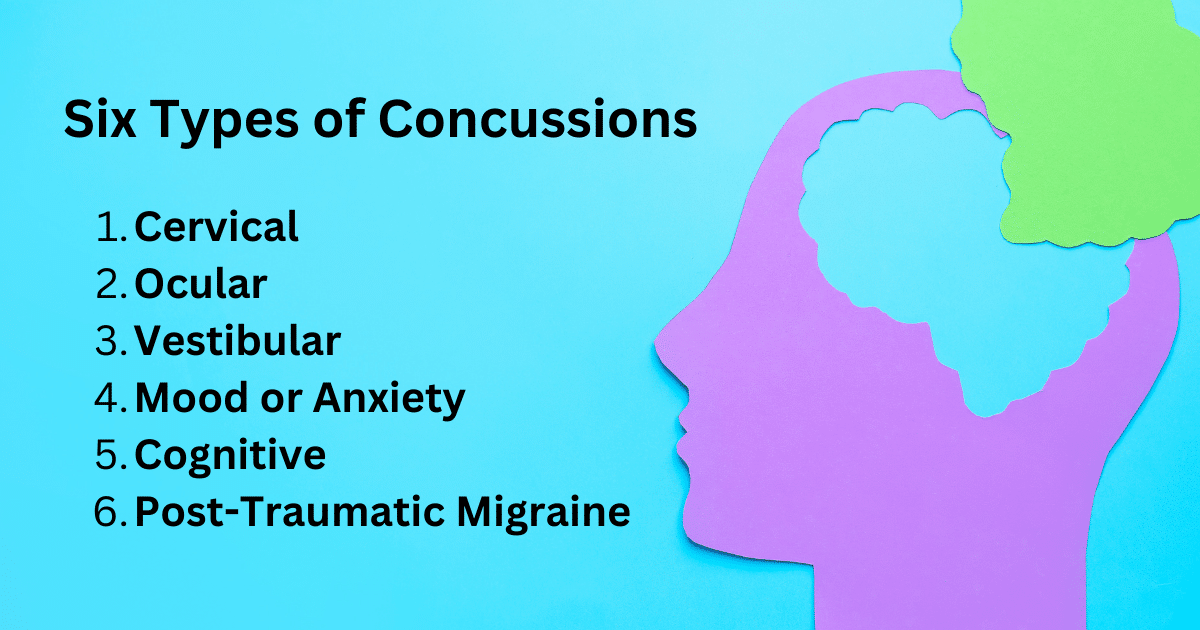
The Six Types of Concussion
There are six general types of concussions. Understanding the differences will help you recognize the contours at play in your claim for your injuries. If you have any questions, reach out to our accomplished lawyers at GJEL Accident Attorneys.
It is also important to understand that a person may experience more than one concussion subtype at the same time. For example, someone may have both vestibular symptoms and ocular symptoms after the same accident.
Cervical
A cervical concussion occurs due to a sprain in the cervical spine. Carrying a large backpack or having improper posture can worsen symptoms of this kind of concussion. There are several symptoms of a cervical concussion, including the following:
- Headaches,
- Neck stiffness, and
- Dizziness.
Cervical concussions are often associated with whiplash-type trauma and may stem from injury to the upper spine, muscles, and surrounding soft tissue in the neck.
If you have suffered from a concussion, contact our compassionate traumatic brain injury lawyer today. We can advocate for you and help you to recover the compensation you deserve.
Ocular
An ocular concussion can make it challenging to perform visual tasks. Multiple symptoms may point to an ocular concussion. A few of those potential signs consist of the following:
- Eye pain,
- Eye strain, and
- Difficulty reading.
This subtype is often described as an ocular-motor concussion because it affects eye movement and visual coordination. Some people also experience blurred vision, double vision, or trouble focusing on near work such as screens or books.
Seeking medical care as soon as possible is vital if you believe you have suffered a concussion. A qualified medical professional can help you determine the appropriate course of treatment.
Vestibular
You may feel like the room is spinning when you have a vestibular concussion. You may also have trouble balancing or difficulties with your vision. Besides these symptoms, other signs of a vestibular concussion involve:
- Nausea,
- Eye strain, and
- Spatial impairment.
Vestibular concussions affect the body’s balance system and can also cause lightheadedness or difficulty knowing where your body is in space.
You may need numerous kinds of medical care after this type of concussion, including vestibular therapy. Vestibular therapy can help you increase your coordination and balance.
Mood or Anxiety
Another type of concussion is a mood or anxiety concussion. This can often be exacerbated by a family history of anxiety or ongoing worry. Signs of a mood or anxiety concussion may consist of the following:
- Excessive worrying,
- Extreme rumination, and
- Abnormal sleeping patterns.
People with this subtype may also feel more irritable, sad, nervous, or easily overwhelmed after the injury.
Stressful events or a history of migraines can also cause anxiety or mood concussions. Treatments that can help you include counseling or a prescribed exercise plan.
Cognitive
A cognitive concussion can create difficulties with mental tasks and trouble with attention levels. It can also cause a person to have memory problems. Other effects of a cognitive concussion include:
- Slurred speech,
- Irritability, and
- Convulsions.
Many people with a cognitive concussion describe feeling “brain fog.” They may struggle with concentration, mental processing, memory, or fatigue after reading, problem-solving, or other thinking tasks.
Contact your healthcare provider to analyze your symptoms further. You may need a magnetic resonance imaging (MRI) scan or other tests to determine the extent and nature of your concussion.
Post-Traumatic Migraine
A post-traumatic migraine is a type of concussion that can appear up to seven days after sustaining an injury. Individuals typically heal from this kind of concussion in three months, but the healing process can be much longer for some people. Symptoms of a post-traumatic migraine include:
- Memory issues,
- Poor concentration, and
- Personality changes.
This subtype is often marked by severe headaches and may also involve sensitivity to light or sound.
Depending on the severity of your concussion, the medical treatment necessary may vary. If your concussion is mild, you might recover in a matter of days. If it is more severe, healing may take weeks or months. Untreated concussions can have significant consequences, so it is essential to see a doctor right away.
What Are the Various Levels of Concussions?
In an accident, there are numerous grades of concussions that a person may experience. You should seek medical care right after an accident to ensure that you do not have any hidden injuries. Individuals can typically heal over time from a concussion with appropriate medical treatment.
The traditional grading system looks at symptom duration and whether the person lost consciousness. Although this system is still commonly referenced, modern treatment often considers both severity and symptom subtype.
Grade One
A grade one concussion is the mildest level of concussion. Mild concussion symptoms might include memory loss, nausea, and headaches. You may also experience difficulty concentrating. Typically, after a grade one concussion, you can get back to everyday activities after several days.
In the traditional grading system, grade one concussion symptoms last for less than 15 minutes and do not involve loss of consciousness
Grade Two
A grade two concussion is equivalent to a moderate concussion. Moderate concussion symptoms may involve a temporary loss of consciousness in addition to the symptoms mentioned above. You might not be able to return to everyday activities for several days after experiencing a grade two concussion.
Traditionally, grade two concussion symptoms last longer than 15 minutes but do not involve loss of consciousness.
Grade Three
A severe concussion involves a loss of consciousness for over five minutes. Severe concussion symptoms might consist of amnesia, seeing stars, and speech difficulty. There may also be behavioral or cognitive difficulties as a result of a grade three concussion.
Under the traditional grading system, grade three concussions involve loss of consciousness for any amount of time, even if it lasts only a few seconds.
Related Concussion Conditions
Some concussion-related conditions do not fit neatly into one subtype but are still important to understand. A coup-contrecoup injury can happen when the brain is injured both at the site of impact and on the opposite side as it moves inside the skull. Second impact syndrome is a rare but life-threatening condition that can occur when a person suffers another concussion before the first one has fully healed. Post-concussion syndrome refers to symptoms that continue for weeks or months beyond the usual recovery period.
Because symptoms can evolve over time, it is important to watch for warning signs after an accident and avoid returning to sports, physical work, or other high-risk activity too soon. Prompt medical care can help identify the subtype involved, guide treatment, and reduce the risk of further injury.
How Our Lawyers Can Help
At GJEL Accident Attorneys, we are here to assist you if you have suffered from a concussion. Our lawyers can help you to file your claim and receive the compensation you need for your injuries. Furthermore, we can aid you with every aspect of your claim. This includes communicating with your health insurance company, gathering medical records, negotiating settlements, and pursuing a remedy through litigation.
We have fought for our clients in California for more than 40 years. With a 99% success rate, we are prepared to advocate for you. Do not hesitate to reach out to our friendly team if you have any questions. Give our experienced attorneys a call today for a free consultation at 1-866-292-9907.
Visit our office nearest to you.


