
GJEL Accident Attorneys · Fairfield, California
Fairfield, CA Car Accident Lawyers
Injured in a Fairfield car accident? Call GJEL’s Fairfield car accident attorneys at (707) 425-3017 for a free case review. Available 24/7 today.
A lawyer will personally review your case and call you shortly.
We’ll call from a local number and tell you when to expect us.
Legal help after an injury in Fairfield
A car accident on a Fairfield road can upend your family’s stability in seconds. Medical bills accumulate before you’ve even finished your first round of treatment, the insurance company dispatches adjusters whose mission is to minimize your payout, and the lost wages from time away from work create financial pressure that compounds every other problem. Our Fairfield car accident lawyer team at GJEL Accident Attorneys takes over the legal fight so you can channel your energy toward recovery.
As personal injury attorneys in California, we’ve represented injured families across Solano County and Northern California for more than 40 years from our Jefferson St office in central Fairfield. GJEL Accident Attorneys has recovered over $980 million statewide, sustaining a 99% success rate through meticulous case preparation and aggressive courtroom advocacy. Our personal injury lawyers combine that track record with a deep understanding of Fairfield’s unique traffic environment, from the I-80 commercial corridor to the Highway 12 routes that connect the Bay Area to Napa and the Delta.
Fairfield sits at the convergence of three major freeway corridors in Solano County. I-80 carries enormous commuter and commercial volumes between the Bay Area and Sacramento. I-680 connects Fairfield south to Contra Costa County and the Tri-Valley. Highway 12 runs east-west through the heart of the city, linking Napa Valley traffic to Rio Vista and the Delta. With Travis Air Force Base generating additional military and civilian traffic on Air Base Parkway and surrounding roads, Fairfield confronts a collision volume that many communities its size don’t face. Fatal car accidents on these corridors remain a persistent concern, and the mix of high-speed freeway traffic with dense surface-street activity produces a steady flow of vehicle collisions and motor vehicle crashes that our attorneys handle year-round.
Your initial discussion with our Fairfield team is completely free and commitment-free. We handle cases on a contingency basis, which means you pay nothing upfront and we collect only from the compensation we recover. Any compensation you receive for physical injuries is generally considered tax-free compensation under federal law.
Free Case Evaluation for Fairfield Car Accident Victims
Call GJEL at (707) 425-3017 for a no-cost consultation with a Fairfield personal injury attorney. We will review the details of your collision, explain your rights, and outline a concrete plan of action. There is no charge unless we recover for you.
Fairfield injury cases we handle
A car crash is the most common way people get hurt on Fairfield roads, but it is far from the only one. If one of these happened to you or your family, GJEL can help.
What to Do After a Car Accident in Fairfield
The choices you make in the first hours after a traffic accident determine the strength of your injury case and your leverage against the at-fault driver. Our personal injury lawyers advise the following steps.
Seek Medical Attention Right Away
Pull to safety and call 911. Even when pain seems minor, concussions, whiplash, brain injuries, and internal damage frequently remain masked by adrenaline. NorthBay Medical Center on B Gale Wilson Boulevard is Fairfield’s primary hospital. For catastrophic traumatic brain injury or multi-system trauma requiring Level I resources, patients may be transferred to UC Davis Medical Center in Sacramento. Prompt medical attention generates the medical records that connect your injuries to the crash. Every doctor’s visit, diagnosis, and treatment plan constitutes documented proof of harm, and all associated medical bills become evidence in your insurance claim.
File a Police Report
Contact the Fairfield Police Department for city-street collisions. Crashes on I-80, I-680, or Highway 12 fall under the California Highway Patrol. The resulting police report and accident reports provide an independent factual record and often include the responding officer’s preliminary fault assessment. Secure your copy promptly.
Document the Scene
Photograph vehicle positions, damage, road conditions, traffic signals, and your visible injuries from multiple angles. Secure surveillance footage from nearby businesses and traffic cameras. Gather witness statements and witness accounts before people leave the scene. This raw evidence forms the foundation of your injury case.
Talk to a Fairfield Attorney Before the Adjuster
Insurance adjusters contact victims quickly, projecting concern while hunting for statements they can weaponize. Before providing a recorded account, signing a medical release, or accepting a check, consult a Fairfield car accident lawyer who understands what your personal injury claim is genuinely worth. Our initial consultation is always free.
Why Car Accidents Keep Happening on Fairfield Roads
Identifying the specific cause of your collision is how our personal injury lawyers establish driver negligence and prove the driver responsible for your harm breached their duty of care. Fairfield’s crash patterns reflect its unique position as a freeway crossroads.
Distracted Driving and Traffic Law Violations
Distracted driving is the single most preventable trigger for car accident injuries in Fairfield. Phone use, GPS adjustments, and eating behind the wheel steal critical attention on congested corridors like Travis Boulevard and North Texas Street. Traffic law violations including running red lights, failure to yield, and illegal turns provide direct evidence of negligence. Traffic enforcement data from the Fairfield Police Department helps our team identify recurring violation patterns at specific intersections.
Drunk Drivers, Speeding, and Reckless Behavior
Drunk drivers and impaired motorists remain a leading factor in fatal car accidents on Fairfield roads, particularly during late-night hours on I-80 and Travis Boulevard. Speeding on I-680 and Highway 12 compresses reaction time and multiplies impact forces. These behaviors can result in criminal charges against the at-fault motor vehicle operator, and the criminal case record strengthens the civil personal injury claim our attorneys file on your behalf.
Truck Traffic, Federal Regulations, and Defective Vehicles
With I-80, I-680, and Highway 12 converging in Fairfield, commercial truck accident cases are a persistent reality. Truck crashes involving 18-wheelers and delivery vehicles create catastrophic outcomes due to enormous weight and speed differentials. Our Fairfield truck accident lawyer team investigates federal trucking laws compliance, reviews driver logs for hours-of-service violations, examines truck industry standards for maintenance failures, and retrieves black box data to determine exactly what happened. Defective vehicles with faulty brakes, worn tires, or manufacturing flaws introduce product-liability theories against manufacturers and distributors.
Fairfield’s Most Dangerous Roads and Corridors
Our Fairfield personal injury lawyers have represented clients from every high-risk stretch in the city. These corridors generate the most collision reports in our files.
I-80: The Bay Area-to-Sacramento Corridor
I-80 runs through the center of Fairfield carrying dense commuter and freight traffic between the San Francisco Bay Area and Sacramento. The segment near the I-680 interchange and the Air Base Parkway exits experiences severe congestion, merging conflicts, and vehicular collisions during peak hours. Truck accident incidents on I-80 through Fairfield are among the most devastating our firm handles due to the high speeds and heavy commercial volume.
I-680, Highway 12, and the Three-Freeway Convergence
I-680 enters Fairfield from the south, connecting Solano County to Contra Costa and the Tri-Valley. Highway 12 bisects the city east-west, linking Napa-bound traffic to the Delta waterways region. The convergence of these three freeways within Fairfield’s boundaries creates a web of interchanges where merging, weaving, and sudden speed changes produce frequent automobile accidents and traffic crash reports. These junctions demand attorneys who understand the specific engineering and traffic enforcement gaps that contribute to recurring incidents.
Travis Boulevard, North Texas Street, and Surface Arterials
Travis Boulevard is Fairfield’s busiest east-west surface road, carrying traffic past shopping centers, restaurants, and residential neighborhoods. North Texas Street and Waterman Boulevard handle heavy north-south volumes with commercial driveways and signal-controlled intersections where failure-to-yield crashes are common. Jefferson St through the downtown civic district generates pedestrian conflicts near government buildings and the courthouse. Air Base Parkway connects Travis Air Force Base to I-80 with military and civilian traffic mixing at high volume.
We Know Fairfield Because Our Office Is on Jefferson Street
Winning a car accident case in Fairfield demands familiarity with the local courts, hospitals, police agencies, and insurance company practices specific to Solano County. Our Jefferson St office has been embedded in Fairfield’s legal community for years. You can reach us easily from I-80 by heading toward downtown Fairfield and following signs for Jefferson Street. Street parking is available nearby, with additional public parking within walking distance.
Solano County Superior Court, Fairfield
Car accident and wrongful death lawsuits originating in Fairfield are filed at the Solano County Superior Court, housed in the Hall of Justice at 600 Union Avenue in Fairfield. Our attorneys have practiced in this courthouse for decades and understand its civil procedures, motion practice customs, and judicial preferences. Under California law, the statute of limitations for most personal injury claims is two years from the collision. Government-entity claims impose a drastically shortened notice period of six months. Comparative negligence rules allow recovery even when you share partial fault, though your award decreases by the percentage assigned to you.
NorthBay Medical Center
NorthBay Medical Center (also referenced as North Bay Medical Center) on B Gale Wilson Boulevard is Fairfield’s primary hospital and emergency facility. For catastrophic injuries requiring Level I trauma resources, patients are transferred to UC Davis Medical Center in Sacramento. When injuries demand spinal fusion surgery, lumbar fusion, or specialized neurological intervention, we factor those projected costs and recovery timelines into the compensation we pursue. We coordinate with medical teams at NorthBay to secure complete records and ensure your medical bills documentation is thorough.
Fairfield Police Department and CHP
The Fairfield Police Department investigates city-street collisions, and the California Highway Patrol covers I-80, I-680, and Highway 12. Our attorneys understand how to secure, interpret, and dispute accident reports from both agencies. When liability is contested, we retain accident reconstruction professionals who analyze black box data, surveillance footage, and physical evidence to determine exactly how the traffic crash occurred.
Injured in a Fairfield Car Accident? Our Office Is Steps from the Courthouse.
Our Jefferson Street office sits in central Fairfield near the Solano County courthouse. Call (707) 425-3017 or submit a request online. We will evaluate your case, address every concern, and build a strategy around your specific injuries. You owe nothing unless we secure a recovery.
Your Legal Rights After a Fairfield Car Accident
California is a fault-based state, meaning the negligent driver bears financial responsibility for all resulting harm. But insurance company defense teams use every tool available to minimize payouts. Fairfield collision victims must understand the following.
Insurance Claims and Bodily Injury Liability
Every California driver must carry minimum auto insurance including bodily injury liability coverage. When you’re hurt by a negligent driver, their auto insurance policy is the primary source of compensation. However, insurance adjusters routinely push to settle for less than your case is worth. Our attorneys handle all insurance claim communications, submit a detailed demand letter documenting every loss, and negotiate from a position of strength. Personal injury protection benefits under your own policy can provide additional coverage for immediate medical bills and lost wages regardless of fault.
Uninsured and Underinsured Drivers
When the at-fault driver lacks adequate coverage, your own uninsured/underinsured motorist (UM/UIM) provisions become the primary recovery tool. We review every applicable policy to identify all accessible sources of compensation.
Tax-Free Compensation and Wrongful Death Claims
Compensation received for physical injuries in a personal injury case is generally considered tax-free compensation under federal tax law. In fatal collision cases, our firm files wrongful death and wrongful death claims for surviving families, pursuing burial costs, projected lifetime earnings, and the devastating grief of losing a loved one. Workers’ compensation claims may also apply when a collision occurs during the course of employment, and our attorneys navigate the intersection of these overlapping systems.
Compensation Our Fairfield Car Accident Lawyers Pursue
Each Fairfield car accident case presents its own pattern of harm. Our role is to identify every category of loss and maximize recovery.
Economic Damages
Economic damages include medical bills for past and future care, lost wages and diminished earning capacity, property damage including vehicle repair or replacement, and rehabilitation costs. When injuries require spinal fusion surgery or lumbar fusion, projected future expenses are calculated with input from treating physicians. Tax-free compensation principles apply to amounts received for physical injuries, which our attorneys explain to every client.
Non-Economic Damages and Punitive Damages
Pain and suffering, emotional distress, anxiety, depression, loss of enjoyment of daily activities, and permanent disability qualify as non-economic damages. When a driver’s behavior constitutes extreme recklessness, California courts can award punitive damages as both penalty and deterrent. Our personal injury law expertise ensures that every recoverable category of harm is identified and aggressively pursued.
Injuries Our Fairfield Attorneys Handle
Fairfield car accident injuries range from soft-tissue strains to catastrophic conditions requiring lifelong medical management.
Traumatic Brain Injury and Spinal Cord Injury
Traumatic brain injury cases span mild concussions through severe cognitive impairment. Spinal cord injury can eliminate a person’s ability to walk, work, and live independently. Our brain injury lawyers and spinal cord injury attorneys engage specialists to build comprehensive life-care projections covering every anticipated expense.
Fractures, Burns, and Catastrophic Harm
Broken bones, severe burns, amputations, and permanent disfigurement are among the gravest outcomes of Fairfield vehicular collisions. Our catastrophic injury lawyers and paralysis lawyers calculate lifetime surgical, therapeutic, and vocational costs and pursue full accountability.
Beyond Car Accidents: Additional Claims We Handle in Fairfield
Our Fairfield personal injury practice encompasses truck accident litigation governed by federal trucking laws and truck accident laws, motorcycle accident claims, pedestrian injury and pedestrian accident lawyer representation, scooter crashes, rideshare (Uber & Lyft) accidents, slip-and-fall incidents, medical malpractice referrals, workers’ compensation claims crossover cases, and auto accidents of every description. As California top rated car accident attorneys, we bring the same commitment to every Fairfield automobile accidents case. Our car accident injury attorneys and personal injury lawyers handle the full range of personal injury law matters that Solano County families face.
How Our Fairfield Car Accident Lawyers Handle Your Case
Transparency guides every phase of the claims process.
Step 1: Free Consultation
We review the details of your collision, examine whatever evidence exists, and provide a candid evaluation of your legal position. This conversation is complimentary and obligation-free.
Step 2: Investigation and Evidence Assembly
Our team obtains police report records and accident reports, secures surveillance footage, gathers witness statements and witness accounts, retrieves black box data from vehicles, and reviews driver logs in truck accident cases. We assemble thorough medical documentation and work with treating physicians to forecast future care requirements.
Step 3: Negotiation or Trial
Most Fairfield car accident claims settle through negotiation, but our attorneys build every file with trial readiness as the default. Insurance company adjusters recognize our track record and understand we won’t accept an offer that undervalues your losses. When settlement discussions stall, we file suit at the Solano County Superior Court in Fairfield and present the case before a jury. Your personal injury lawyers keep you informed at every stage, and the ultimate resolution decision rests with you. Our client reviews reflect the transparency and dedication we bring to every case.
Why Fairfield Families Choose GJEL
Solano County has plenty of personal injury advertising, but courtroom results and genuine client relationships are what separate one firm from another.
$980 million won for injured clients throughout California. A 99% success rate maintained over more than four decades of dedicated personal injury law practice. Our proven results demonstrate a consistent pattern: GJEL produces when Fairfield families are counting on us.
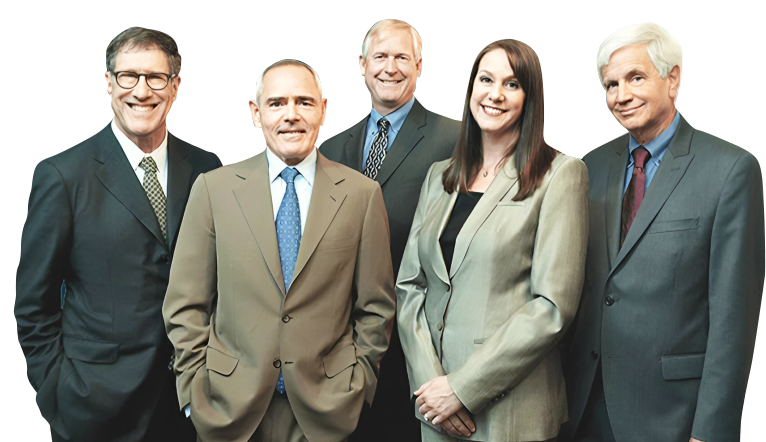
We intentionally keep our caseload small so each Fairfield client works directly with a senior attorney who knows their file inside and out. Learn about our team and discover why personal injury victims across Solano County and Northern California trust GJEL Accident Attorneys with the cases that define their future.
Your Path to Justice Starts Here
The insurance company shouldn’t get to decide what your injuries are worth. Call GJEL Accident Attorneys at (707) 425-3017 for your free Fairfield case review. We fight for every dollar your injuries warrant, and our fee is zero unless we produce a recovery.
Outside Fairfield? Reach out to our accident legal team in California for trusted statewide help.
Frequently Asked Questions About Fairfield Car Accidents
What is the deadline to file a Fairfield car accident claim?
California’s statute of limitations allows two years from the collision date to initiate most personal injury claims. Government-entity claims demand administrative notice within just 180 days. Consulting a Fairfield car accident lawyer promptly protects every applicable deadline.
Which Fairfield roads see the most car accidents?
I-80 through central Fairfield generates the heaviest collision volume, followed by the I-680 interchange area, Highway 12, Travis Boulevard, and North Texas Street. Air Base Parkway near Travis AFB also sees elevated crash rates. Our team has litigated collision claims from each of these stretches.
Where are Fairfield car accident victims treated?
NorthBay Medical Center on B Gale Wilson Boulevard is Fairfield’s primary hospital. For severe trauma, patients may be transferred to UC Davis Medical Center in Sacramento. Prompt evaluation creates the medical documentation essential to your claim.
Is my car accident settlement taxable?
Compensation received for physical injuries is generally considered tax-free compensation under federal tax law. Amounts awarded for emotional distress unrelated to physical injury, or punitive damages, may be taxable. Your attorney and tax professional can provide guidance specific to your situation.
How much does a Fairfield car accident lawyer at GJEL cost?
Nothing upfront. Our contingency basis model means we collect only from the compensation we win. If a case yields no compensation, our charge is zero. This structure makes experienced legal representation accessible to every Fairfield family.
What if a commercial truck caused my Fairfield accident?
Truck accident cases involving 18-wheelers and commercial vehicles are among the most complex claims our firm handles. We investigate federal trucking laws compliance, review driver logs for hours-of-service violations, examine truck industry standards for maintenance failures, and retrieve black box data from the vehicle. Our Fairfield truck accident lawyer team has the experience to hold trucking companies and their insurers fully accountable.
Legal services in Fairfield
Choose the type of accident or injury to see information written for this city.
Our Office in Fairfield
737 Jefferson St
Fairfield, CA 94533 (707) 425-3017
Our office is located at 737 Jefferson St, Fairfield, CA 94533, United States. The office is in central Fairfield, near the downtown area and close to city offices and local businesses. It sits along Jefferson Street in a mixed commercial and civic district. You can reach the office easily from I-80 by heading toward downtown Fairfield and following signs for Jefferson Street. Street parking is available nearby, with additional public parking options within walking distance.
Tell us what happened. We handle the rest.
Tell us what happened. A Fairfield lawyer will personally review your case. There is no cost and no obligation to find out where you stand.
- Free case review, no obligation
- No win, no fee
- We come to you, at home or in the hospital
- Hablamos español
Not sure you have a case? That’s what the call is for. Even if you think you were partly at fault, call.
If you lost someone you love, we can handle the legal side while your family grieves. California law limits how long you have to file. Don’t wait to find out where you stand.
A lawyer will personally review your case and call you shortly.
We’ll call from a local number and tell you when to expect us.