Last updated July 17, 2026
A fatal crash near Rio Linda claimed the life of an ATV rider late on a Saturday evening, highlighting the dangers that all-terrain vehicles face when traveling on public roadways alongside conventional traffic. The collision, which occurred at the intersection of 16th Street and Elverta Road at approximately 8:19 p.m. on April 26, involved a pickup truck striking the ATV from behind with enough force to eject the rider from the vehicle.
The victim was pronounced dead at the scene, leaving behind a community in mourning and a family searching for answers. As investigators work to determine what caused the crash, this tragedy serves as a sobering reminder of the vulnerability of ATV riders when their vehicles are exposed to the speeds and impact forces common on public roads.

The Crash: What Happened at 16th Street and Elverta Road
Emergency responders were dispatched to the intersection of 16th Street and Elverta Road near Rio Linda at approximately 8:19 p.m. on April 26 after reports came in of a serious collision involving a quad-style all-terrain vehicle and a pickup truck. Investigators determined that the pickup truck struck the ATV from behind, ejecting the rider from the vehicle on impact.
Despite the efforts of emergency personnel on scene, the ATV operator was declared dead at the location. Authorities have not yet released the identity of the victim. The driver of the pickup truck remained at the scene following the crash. No charges or citations have been publicly announced, and investigators are continuing to probe the precise circumstances that led to the collision.
The intersection of 16th Street and Elverta Road is a known travel corridor in the unincorporated Rio Linda area of Sacramento County, a stretch where residential roads meet through-traffic routes and where vehicle speeds can vary significantly by time of day. A Saturday evening collision at that hour would have placed the ATV rider on a roadway with reduced but still active traffic, where visibility conditions and the contrast between an ATV’s low profile and the height of a pickup truck may have played a role in the sequence of events.
Sacramento County Sheriff’s Office personnel responded to the scene and have assumed responsibility for the ongoing investigation. Further details on speed, road conditions, and whether any contributing factors, such as impairment or distraction, were involved have not yet been released to the public, and authorities have indicated that updates will be provided as the investigation progresses.
What Makes ATV Crashes on Public Roads Particularly Hazardous
ATVs are engineered for off-road terrain, not paved public streets. Their design characteristics, while suited for dirt trails and uneven ground, introduce serious safety deficiencies when these vehicles share roadways with cars, trucks, and commercial vehicles.
Unlike street-legal motorcycles, most ATVs lack essential safety equipment required under the California Vehicle Code, including proper lighting systems, mirrors, turn signals, and braking systems calibrated for highway speeds. Their low-profile frame makes them far less visible to other motorists, particularly at night or in low-light conditions like those present in this collision.
The stability of an ATV on a flat, paved surface is also compromised compared to that of conventional vehicles. Their wide wheelbase and high center of gravity, designed to handle unpredictable terrain, can actually reduce a rider’s ability to maneuver quickly when a vehicle approaches from the rear at speed. The absence of a protective cab or roll structure means that a rear-end impact at even moderate velocity can be catastrophic, frequently resulting in the rider’s ejection, as occurred in this crash.
Rear-end collisions involving ATVs are especially dangerous because the quad vehicle offers almost no buffer between the striking vehicle and the rider’s body. The force absorbed in a car-to-car rear collision is largely mitigated by crumple zones and seatbelts. An ATV rider has neither.
California Law and Liability in ATV-Pickup Truck Collisions
California Civil Code §1714 establishes the general negligence standard in personal injury cases: every person is responsible for injuries caused by their failure to exercise ordinary care. In a rear-end collision, California courts generally apply a presumption of negligence against the following driver, based on the reasonable expectation that a motorist will maintain an adequate following distance and situational awareness to avoid striking a vehicle ahead.
The driver of any vehicle, including a pickup truck, is required to maintain a safe following distance under California Vehicle Code §21703, which prohibits following another vehicle more closely than is reasonable and prudent given the speed of traffic and road conditions. Failure to comply with this statute may serve as evidence of negligence per se, meaning the violation of the law itself constitutes a breach of the duty of care owed to others on the road.
California operates under a pure comparative fault doctrine, meaning that even if investigators determine the ATV rider bore partial responsibility for the collision, for example, by operating the vehicle on a roadway where ATVs may not be street-legal, the rider’s estate or surviving family may still recover damages proportionally. The percentage of fault assigned to each party will affect the final compensation amount, but will not bar recovery entirely.
If the ATV rider was operating the vehicle illegally on a public road, that fact may factor into the comparative fault analysis. However, the conduct of the pickup truck driver, including speed, inattention, impairment, or failure to observe road conditions, will be the central focus of any liability determination.
Wrongful Death Claims Under California Law
When a person is killed due to another’s negligence, California Code of Civil Procedure §377.60 permits eligible surviving family members to bring a wrongful death action. Those who may file include a surviving spouse or domestic partner, children, and, in some circumstances, other dependents. A separate survival action under CCP §377.30 may also preserve claims belonging to the decedent’s estate for damages incurred prior to death.
Recoverable damages in a wrongful death case include financial support the decedent would have provided to the family, the monetary value of household services, funeral and burial costs, and the loss of the decedent’s love, companionship, comfort, care, and guidance. Non-economic damages for the grief and suffering of surviving family members are also compensable.
California’s statute of limitations for wrongful death claims is two years from the date of death under CCP §335.1. Acting promptly to preserve evidence, identify witnesses, and retain legal counsel is critical, given that accident scene evidence can deteriorate rapidly.
How Wrongful Death Settlements Are Calculated
Families facing wrongful death cases often struggle to understand how potential settlement values are determined. California attorneys and courts use two primary methodologies:
The multiplier method takes the total economic damages, including lost income, medical bills incurred before death, and other quantifiable financial losses, and multiplies them by a factor typically ranging from 1.5 to 5, depending on the severity and circumstances of the death. A higher multiplier is applied in cases involving egregious negligence, a young victim with decades of earning potential ahead, or catastrophic family impact.
The per diem method assigns a daily dollar value to the suffering endured and multiplies it across the relevant time period. In wrongful death cases, this approach is often used to calculate the ongoing loss of companionship and guidance suffered by surviving children or a spouse over the course of their lifetime.
Both methods are used to structure settlement negotiations and, if necessary, to present damages calculations to a jury. An experienced personal injury attorney will use both approaches to build the strongest possible valuation of the family’s loss.
It is also important to understand that wrongful death settlements in California are influenced by a range of case-specific factors that go beyond the formulas themselves. The age and earning capacity of the deceased at the time of death carries significant weight, as a younger victim with a stable career trajectory will typically generate a higher economic damages calculation than an older victim nearing retirement.
The number of surviving dependents, the closeness of the family relationships involved, and the degree to which the decedent served as the household’s primary financial provider will all shape the final figure. Additionally, the strength of the liability case against the at-fault party matters considerably. When evidence of negligence is clear and well-documented, insurance carriers and defense attorneys face greater pressure to settle for amounts.
The amount that more fully reflects the family’s actual loss. Cases where fault is disputed or where comparative negligence arguments are available to the defense may result in a reduced settlement, making the quality and thoroughness of the legal representation the family retains one of the most consequential decisions they will face in the aftermath of a fatal crash.
How a Wrongful Death Settlement Calculator Can Help You Understand Your Case Value
Navigating the financial dimensions of a wrongful death claim can feel overwhelming for a grieving family, and a wrongful death settlement calculator serves as a practical starting point for understanding what a case may be worth before formal legal proceedings begin. These tools work by gathering key inputs such as the victim’s age, annual income, years remaining in the workforce, and number of dependents.
This also includes the estimated non-economic losses, such as loss of companionship and parental guidance, and then applying the multiplier and per diem methodologies to generate a preliminary range of potential settlement value. While a calculator cannot replicate the judgment of an experienced wrongful death attorney who can weigh the full evidentiary record, comparative fault considerations, and the specific tendencies of Sacramento County courts.
It also provides families with a meaningful baseline that helps them enter early conversations with insurers and defense counsel from an informed position rather than an uninformed one. Understanding even a rough estimate of case value also helps families recognize when an insurance company’s settlement offer falls significantly short of what the evidence and the law support, which is one of the most common ways unrepresented families leave substantial compensation on the table.
At GJEL Accident Attorneys, our legal team conducts a comprehensive valuation process for every wrongful death client, ensuring that all recoverable categories of damages are identified, documented, and aggressively pursued on the family’s behalf. Call us now at +1-866-218-3776 to speak with our experts.
Our Commitment: No Fees Unless We Win Your Case
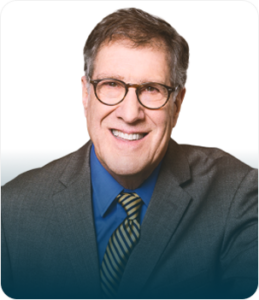
“Losing someone to a preventable crash on a public road is a pain no family should ever have to endure, and my heart goes out to everyone affected by this tragedy near Rio Linda. What I want families in this situation to understand is that the moments immediately following a fatal accident are legally critical. Evidence disappears, witness memories fade, and insurance companies begin building their defense long before most families have had a chance to process what has happened. If your loved one was killed or you were seriously injured in this collision, please do not wait to speak with an attorney. At GJEL, we have spent more than 40 years fighting for California families in exactly these circumstances, and we have recovered more than $980 million for our clients because we refuse to let insurance companies minimize the value of a human life. A consultation with our team costs you nothing, and it could make all the difference in securing the accountability and financial support your family deserves.” — Andy Gillin, Managing Partner, GJEL Accident Attorneys
If you or a member of your family has been affected by a fatal vehicle collision in Sacramento County or anywhere in California, GJEL Accident Attorneys is available to help. Our firm has recovered more than $980 million for injured clients and the families of those killed in preventable accidents. We operate on a contingency fee basis, which means you pay nothing unless we win your case.
At GJEL, we ensure that all evidence is properly preserved and that all potential sources of compensation are thoroughly investigated, allowing families to focus on healing. Talk to an experienced GJEL accident attorney for a free legal consultation. Contact us at +1-866-218-3776 or visit our Stockton office to secure your future and compensation.
Local Resources for Rio Linda and Sacramento County Families
Sacramento County Sheriff’s Office The Sacramento County Sheriff’s Office serves the unincorporated community of Rio Linda and holds primary law enforcement jurisdiction over this collision. Families seeking accident reports, case status updates, or information about the ongoing investigation should contact this agency directly. Address: 711 G Street, Sacramento, CA 95814 Phone: (916) 874-5115 Non-Emergency Line: (916) 874-5115 Website: https://www.sacsheriff.com
California Highway Patrol, Sacramento Division. The CHP assists with traffic collision investigations on roadways throughout Sacramento County and maintains official collision reports that are essential for insurance claims and legal proceedings. Families may request a copy of the traffic collision report through this office. Address: 601 N 7th Street, Sacramento, CA 95811 Phone: (916) 731-6300 Website: https://www.chp.ca.gov Collision Report Request: https://www.chp.ca.gov/programs-services/services-information/traffic-collision-reports
Sacramento County Coroner’s Bureau The Coroner’s Bureau is responsible for identifying deceased individuals, determining cause and manner of death, and issuing official death certificates. Families of the victims in this crash should contact this office regarding identification procedures and documentation needed for estate and legal purposes. Address: 4800 Broadway, Suite 100, Sacramento, CA 95820 Phone: (916) 875-5480 Website: https://coroner.saccounty.gov
Sacramento County District Attorney’s Office, Victim-Witness Assistance Program. This program provides free support services to victims of crime and their families, including emotional support, help navigating the criminal justice process, assistance with victim compensation applications, and referrals to community resources. Address: 720 9th Street, Sacramento, CA 95814 Phone: (916) 875-0700 Website: https://www.da.saccounty.gov/VictimServices
California Victim Compensation Board The CalVCB provides financial assistance to victims of violent crimes and their families to help cover costs, including funeral and burial expenses, mental health counseling, and income loss. Families of individuals killed in crashes involving criminal conduct may be eligible to apply. Phone: 1-800-777-9229 Website: https://victims.ca.gov
Rio Linda / Elverta Community Services District The Rio Linda/Elverta Community Services District serves the local unincorporated community and can connect residents with local support networks, community programs, and referrals to county services in the aftermath of a tragedy. Address: 810 Oak Lane, Rio Linda, CA 95673 Phone: (916) 991-5500 Website: https://www.riolindaelverta.com
Sacramento County Department of Health Services, Behavioral Health Division, Offers Grief, trauma, and emotional crisis support through Sacramento County’s behavioral health services for families and community members affected by sudden loss. Mental health professionals are available to help individuals process trauma in the aftermath of a fatal accident. Address: 7001-A East Parkway, Sacramento, CA 95823 Phone: (916) 875-1055 Crisis Line: (916) 875-1055 Website: https://dhs.saccounty.gov/BHS
National Highway Traffic Safety Administration (NHTSA) The NHTSA provides nationwide data, safety resources, and regulatory guidance on ATV and vehicle safety standards. Families and advocates seeking to understand federal safety requirements for ATVs on public roadways will find detailed information through this agency. Website: https://www.nhtsa.gov ATV Safety Information: https://www.nhtsa.gov/vehicle-safety/all-terrain-vehicles
California Office of Traffic Safety (OTS) The OTS funds and coordinates traffic safety programs across California and publishes collision data by county and roadway type. Their resources can help families understand the broader context of roadway safety in Sacramento County and support advocacy efforts following a fatal crash. Website: https://www.ots.ca.gov