Two vehicles collided at a Visalia intersection on Wednesday afternoon, leaving one driver injured and raising questions about what happened in the moments after impact. Collisions at intersections are among the most dangerous types of crashes on California roads because vehicles often meet at angles that leave little time to react and little protection for the occupants.
In this case, the hit-and-run crash at Avenue 248 and Road 140 left the Cadillac driver injured, and the subsequent circumstances have added another layer of uncertainty for everyone involved. Investigators have not said what caused the vehicles to collide, and the question of why the Honda driver left before returning remains unanswered.
For an injured driver, those gaps matter. Every detail that officers document in the hours after a crash, from the position of the vehicles to witness accounts and any available video, can shape how fault is determined and how an insurance claim is handled. When a driver leaves the scene, even temporarily, the chance to gather that information in real time can be lost, which is why a thorough and prompt investigation is so important for the person who was hurt.
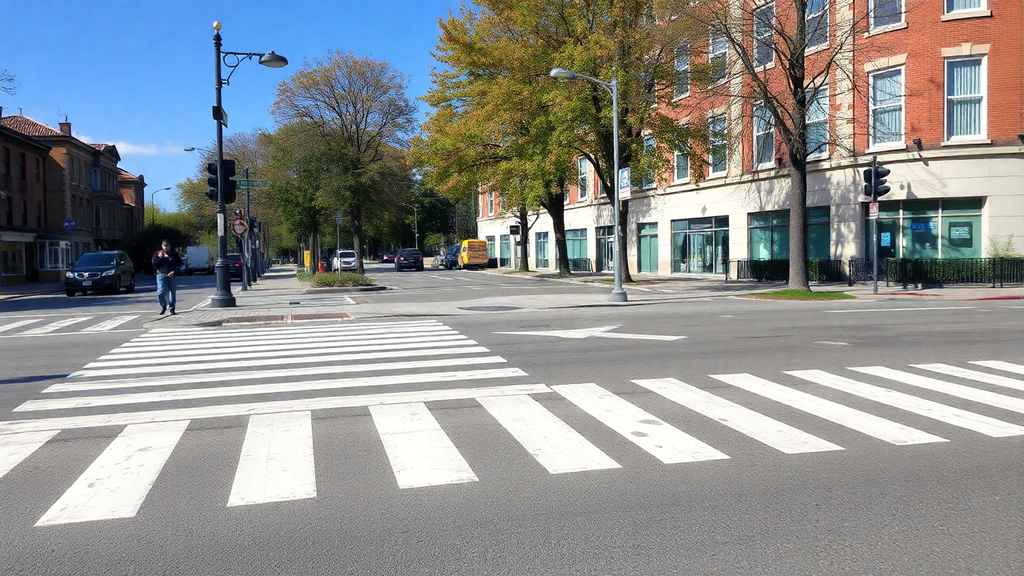
What Happened at Avenue 248 and Road 140
According to CHP, the collision was reported at 1:58 p.m. at the intersection of Avenue 248 and Road 140. A blue Cadillac and a white Honda collided for reasons that have not yet been identified. Investigators have not said which driver may have been at fault or whether a traffic signal, a stop sign, or another factor played a role.
The driver of the Honda reportedly left the scene after the collision. The driver of the Cadillac was injured and was checked at the scene. Officials indicated the Cadillac driver was possibly hospitalized, though the extent of the injuries has not been released.
Honda Driver Returned to the Scene
Police stated that a relative brought the Honda driver back to the scene following the crash. Authorities did not say whether any charges have been filed. The investigation remains open, and further details may be released as officers piece together what led to the collision.
The report that a relative brought the Honda driver back to the scene adds a complicated detail to an already unsettled case. A return after the fact may allow officers to speak with the driver and document the crash, but it does not change the fact that the driver reportedly left in the first place, nor does it answer the questions that matter most to the injured person.
Investigators have not said how much time passed before the driver came back, whether the driver was evaluated for impairment, or whether any citations or charges will follow.
Those details can be significant because the timing of a driver’s return, the driver’s condition when officers made contact, and the driver’s own account of the collision may all affect how fault is assigned and how an insurance claim proceeds. For the Cadillac driver, who was left injured at an intersection while the other driver was gone, the delay can also mean lost opportunities to collect evidence while it was fresh.
Anyone in that position has the right to understand what happened and to seek compensation for the harm they suffered, regardless of whether the other driver ultimately faces criminal consequences, since a civil injury claim is separate from any case brought by prosecutors.
Why Leaving the Scene Is Against California Law
Walking away from a crash is never a lawful option for a driver who is involved in one. Under California Vehicle Code §20001, a driver involved in a collision that injures someone must stop immediately, provide identifying information, and render reasonable assistance.
This includes arranging medical help when it is needed. Vehicle Code §20002 imposes similar duties when a crash causes property damage. Returning to the scene later does not automatically erase the fact that a driver left, though how that is treated is a matter for investigators and prosecutors.
Hit-and-run collisions can cause devastating injuries. Victims may be left without immediate help, and the delay in medical attention can make an already serious injury worse. A driver who flees also leaves the injured person to sort out insurance and medical bills with very little information.
Your Legal Rights After a Hit-and-Run Collision
Under California Civil Code §1714, every person is responsible for injuries caused by a lack of ordinary care. That principle applies to drivers who cause crashes and to drivers who compound the harm by leaving. An injured person may pursue compensation for medical expenses, lost income, reduced earning capacity, pain and suffering, and other losses tied to the collision.
California follows a pure comparative fault system, which means fault can be divided between the drivers involved. An injured person can still recover compensation even if they share some responsibility for the crash, although the recovery is reduced by their percentage of fault. Because the cause of this collision has not been determined, fault will depend heavily on the evidence gathered.
Even when a fleeing driver is never found and apprehended, an injured person is not necessarily without options. Many auto policies include uninsured motorist coverage that can apply when the at-fault driver cannot be identified or has no insurance, and a claim can be filed with your own insurance company for recovery. Prompt reporting to law enforcement and your insurer is important, since policies often impose notice requirements.
Deadlines for Filing an Injury Claim
California Code of Civil Procedure §335.1 generally gives an injured person two years from the date of the accident to file a personal injury lawsuit. Missing that deadline can end a claim entirely. In a wrongful death case, CCP §377.60 identifies who may bring the action, while CCP §377.30 allows a survival action to continue the claim the injured person could have pursued.
Claims involving a government entity or a government-owned vehicle follow shorter-notice rules under Government Code §835 and related provisions, so it is wise to speak with an attorney early. Time limits can make or break an injury claim, and in a case like the Visalia collision, the clock starts running on the day of the crash, not the day the investigation ends.
Under California Code of Civil Procedure §335.1, most personal injury lawsuits must be filed within two years of the accident, and a court will generally dismiss a case filed after that window closes, no matter how serious the injuries were. Shorter deadlines can apply in certain situations.
If a government entity or a government-owned vehicle is involved, an injured person typically must present a written claim within six months under Government Code §911.2 before a lawsuit can even be considered. Insurance policies also impose their own requirements, including prompt notice of the accident and, for uninsured motorist claims, time limits that may be tied to the date of the collision.
Because the cause of this crash has not been determined and the other driver’s insurance status has not been made public, the Cadillac driver may need to weigh several possible paths to recovery at once. Waiting also carries a practical cost, since witnesses move on, surveillance footage is overwritten, and memories fade. Speaking with an attorney soon after a crash helps protect all applicable deadlines and preserves the evidence that supports a strong claim.
How Injury Claims Are Valued
Every case is different, but attorneys and insurers commonly use two methods to estimate a claim’s value. The multiplier method starts with economic damages, such as medical bills and lost wages, and then multiplies that total by a factor that reflects the severity of the injury, the length of recovery, and the impact on daily life. More serious and long-lasting injuries generally call for a higher multiplier.
The per diem method assigns a daily dollar value to the pain and disruption an injured person experiences and multiplies it by the number of days from the injury to full recovery. Neither formula guarantees a result. They are tools for framing a conversation about fair compensation, and the final value depends on the evidence, the available insurance, and the strength of the liability case.
What to Do If You Are Hurt in a Hit-and-Run
Seek medical care right away, even if your injuries seem minor, since some conditions do not show symptoms for hours or days. Call 911 and report the crash. If you are able, write down everything you remember about the other vehicle, including color, make, partial plate numbers, and the direction it left.
Photograph the scene, your vehicle, and your injuries, and gather contact information from any witnesses. Nearby homes and businesses may have cameras, and that footage is often overwritten quickly, so asking for it early matters.
Avoid giving a recorded statement to any insurance company before you understand your rights. Adjusters may ask questions that are later used to minimize a claim. The moments after a hit-and-run can feel overwhelming, but the steps you take can protect both your health and your legal rights.
Your first priority is safety and medical care, so move out of traffic if you are able, call 911, and accept treatment even if your injuries seem minor, since conditions like concussions, internal injuries, and soft tissue damage may not show their full effects for hours or days.
A medical record created soon after the crash also creates a clear link between the collision and your injuries, which insurers tend to look for. Once you are safe, try to recall and write down everything you can about the other vehicle, including its make, color, any part of the license plate, and the direction it went, and photograph the scene, the damage to your vehicle, and any visible injuries.
Ask witnesses for their names and phone numbers, and consider whether nearby homes or businesses have cameras that may have captured the crash, since that footage is often erased within days. Be sure a police report is filed, notify your own insurance company promptly, and be cautious about giving a recorded statement to any insurer before you understand your rights, because early comments can be used to dispute or reduce a claim.
Most importantly, give yourself permission to focus on healing while someone else handles the paperwork and the pressure from adjusters. An attorney can step in early to preserve evidence, identify every available source of recovery, including your own uninsured motorist coverage, and make sure that a driver who left you hurt does not leave you carrying the financial burden as well.
Hit-and-Run Settlement Calculators and Why They Matter
A hit-and-run settlement calculator is an online tool that gives an injured person a rough estimate of what a claim may be worth, and it can be a useful starting point for understanding the financial side of a crash.
Most calculators rely on the multiplier method or the per diem method. The multiplier method adds up economic damages, such as medical bills and lost income, and then multiplies the total by a number that reflects the severity of the injury, the length of recovery, and the impact on daily life.
The per diem method assigns a daily dollar amount to pain and disruption, then multiplies it by the number of days required to reach maximum recovery. These tools matter because many people do not know which categories of compensation they are entitled to.
A calculator can show that a fair claim goes well beyond the first hospital bill to include future treatment, lost earning capacity, and non-economic losses such as pain and suffering. In a hit-and-run, the numbers also depend on factors a basic calculator cannot see.
Whether the driver is identified, whether that driver carried insurance, and how much uninsured motorist coverage is available under your own policy can all limit or expand the amount that can realistically be recovered, and California’s pure comparative fault rule can reduce a claim if the injured person is found partly responsible.
A calculator should therefore be treated as an educational estimate and never as a promise of any result. Having an experienced attorney review the medical records, the police report, and every available insurance policy gives an injured person a far more reliable picture of what their case may be worth before they respond to any settlement offer. Call us now at 1-855-508-9565 to speak with the experts.
Speak With a California Hit-and-Run Injury Attorney
“Being hurt in a crash is hard enough, and having the other driver leave the scene can make you feel even more alone and uncertain about what comes next. Please know that you have rights, and you do not have to carry this burden by yourself. Get the medical care you need, report the accident, and speak with an attorney before you talk to any insurance company. Even when fault is unclear, there may be ways to recover compensation for your medical bills, lost income, and pain and suffering, including through your own insurance. The sooner you reach out, the sooner we can protect your claim and take the pressure off your family so you can focus on healing.”-Andy Gillin, Managing Partner, GJEL Accident Attorneys
GJEL Accident Attorneys has more than 40 years of experience representing injured Californians and has recovered over $950 million for clients. We handle personal injury cases on a contingency fee basis, which means you pay no attorney fees unless we recover compensation for you. If you or someone you love was injured in a crash involving a driver who fled, call 1-855-508-9565 or visit our Fresno office for a free consultation.
Local Resources for Visalia Crash Victims
Kaweah Health Medical Center is located at 400 W. Mineral King Avenue, Visalia, CA 93291, and can be reached at 559-624-2000. It is the main hospital in Visalia and offers emergency care for crash injuries. Website: https://www.kaweahhealth.org
The California Highway Patrol Visalia Area office is located at 5025 W. Noble Avenue, Visalia, CA 93277, and can be reached at 559-839-2810. Office hours are Monday through Friday, 8:00 a.m. to 5:00 p.m.
CHP investigates collisions on state routes and unincorporated Tulare County roads. This office is the point of contact for questions about a collision it handled. Office page: https://www.chp.ca.gov/find-an-office/central-division/480-visalia. Active incidents in the area are listed on the CHP traffic incident page: https://cad.chp.ca.gov/Traffic.aspx. Road conditions are available by phone at 1-800-427-7623.
A driver, passenger, vehicle owner, or legal representative may request a copy of a CHP collision report online through the CHP Crash Portal at crashes.chp.ca.gov, or by submitting form CHP 190 in person or by mail to the nearest Area office. Instructions: https://www.chp.ca.gov/traffic/
The Visalia Police Department is located at 303 S. Johnson Street, Visalia, CA 93291. The non-emergency line is 559-734-8117, and the administration line is 559-734-8116. In an emergency, call or text 911. Department directory page: https://www.visalia.gov/Directory.aspx?did=33
The City of Visalia Traffic Engineering Division handles traffic signal timing, traffic signs, street lighting, sight-distance issues, and traffic control requests on city streets. Residents can use it to report a malfunctioning signal or a missing or damaged traffic sign. Division page: https://www.visalia.gov/234/Traffic-Engineering. Roads outside city limits fall under county or state jurisdiction, so the responsible agency depends on where a crash occurred.
The California Department of Motor Vehicles requires an SR-1 report within 10 days of any crash that causes an injury, no matter how minor, or property damage over $1,000. This report is separate from any police or insurance report, and it can be filed by the driver, an insurance agent, or a legal representative. Online filing: https://www.dmv.ca.gov/portal/dmv-virtual-office/accident-reporting/