Last updated July 17, 2026
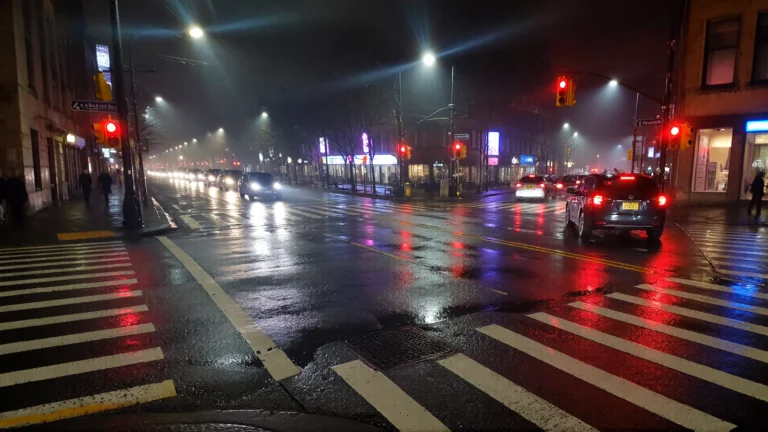
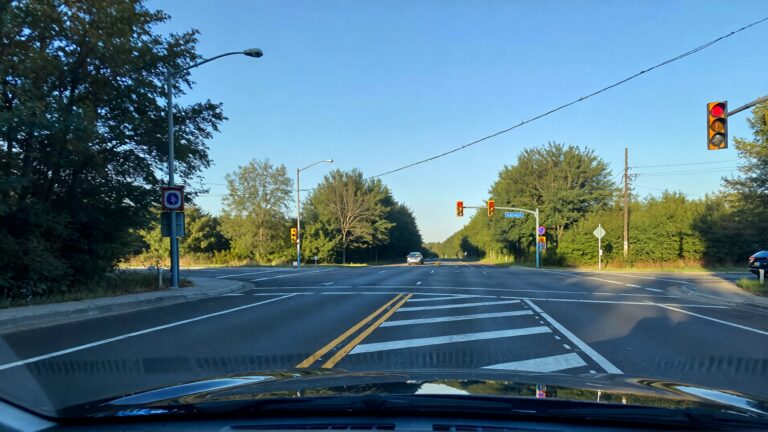
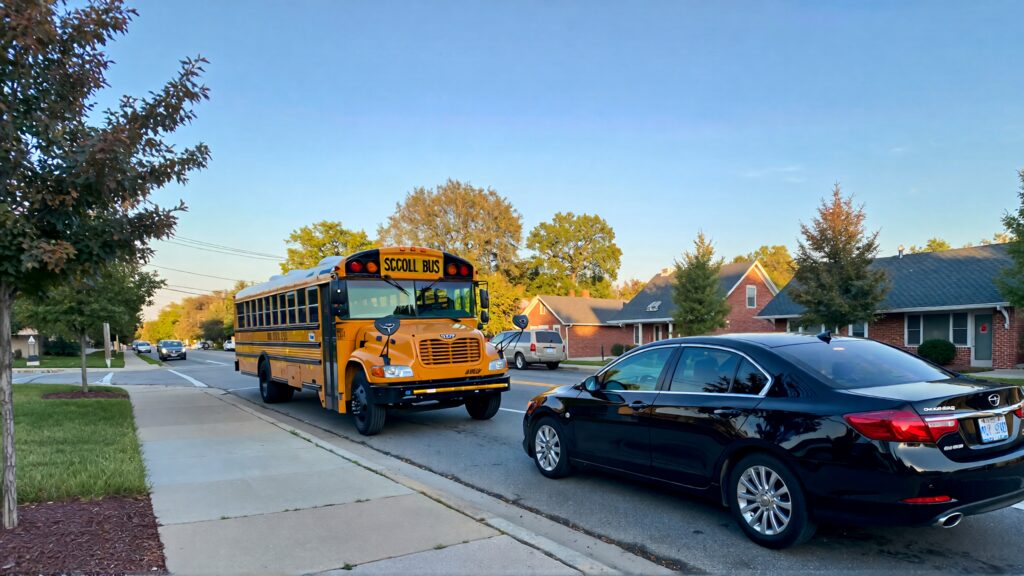
A serious major injury crash involving a school bus and a black sedan occurred early Monday morning in Fresno, sending shockwaves through the surrounding community. According to the California Highway Patrol (CHP), the collision took place at approximately 7:01 a.m. on June 29, 2026, at the intersection of West Manning Avenue and South Calaveras Avenue.
The crash was significant enough to warrant classification as a major injury collision, though the exact sequence of events leading to the impact between the school bus and the sedan remains under investigation by CHP officials. As is standard with ongoing investigations, additional details about contributing factors, the number of students or passengers involved, and the extent of injuries are expected to be released as authorities complete their review.
Why School Bus Accidents Demand Careful Investigation
Collisions involving school buses carry unique legal and safety considerations. School buses are subject to strict California safety regulations, including mandated stop procedures, flashing signal requirements, and right-of-way rules designed specifically to protect children during loading, unloading, and transit. When a passenger vehicle and a school bus collide, investigators must examine several critical factors, including:
- Whether the bus was stopped, signaling, or in motion at the time of impact
- Right-of-way violations by either driver
- Visibility conditions at the time of the crash
- Mechanical function of both vehicles
- Driver conduct, including possible distraction, speeding, or failure to yield
Given the high stakes when children are involved, school bus accident cases often involve multiple parties, including school districts, bus contractors, and insurance companies, each of which may bear some degree of responsibility depending on the investigation’s findings.
Determining Liability in California School Bus Crashes
California law allows injured parties, whether passengers, the other driver, or bystanders, to pursue compensation when negligence contributes to a crash. Under California Civil Code §1714, individuals and entities can be held liable for failing to exercise reasonable care, and this standard extends to school districts and bus operators who must adhere to a heightened duty of care when transporting children.
California also follows a pure comparative fault system, meaning that compensation can still be recovered even if an injured party is found partially at fault for the accident. Fault percentages are assigned based on the evidence gathered during the investigation, and any settlement or award is adjusted accordingly.
If the crash resulted in catastrophic injuries, families may also need to evaluate long-term medical needs, lost income, and the emotional toll on the injured party and their loved ones.
What Injury Victims Should Know About the Claims Process
Victims of major injury collisions, including parents of injured students, often face complex insurance negotiations involving school district liability protections, private bus contractor policies, and standard auto insurance coverage. Understanding which insurance policy or policies apply, and how claims interact with government entities, can significantly affect the outcome of a case.
It’s also worth noting that claims against government entities, such as a public school district, may be subject to strict and abbreviated filing deadlines under the California Government Claims Act, separate from the standard personal injury statute of limitations outlined in California Code of Civil Procedure §335.1, which generally allows two years from the date of injury to file a lawsuit.
Missing a government claims deadline can bar an injured party from pursuing compensation altogether, making prompt legal consultation especially important in school bus cases. Insurance adjusters representing school districts or bus contractors often move quickly to gather statements and documentation in the immediate aftermath of a crash, sometimes before victims fully understand the extent of their injuries or the long-term impact those injuries may have on their lives.
Adjusters may also attempt to secure early statements or quick settlement offers that undervalue a claim before medical treatment is complete. For this reason, injury victims should avoid signing any settlement documents or providing recorded statements to insurance representatives without first consulting an experienced attorney, who can ensure that all damages, including future medical care and ongoing pain and suffering, are properly accounted for before any agreement is reached.
Understanding Settlement Value After a Major Injury Crash
Every injury case is different, but attorneys often use two primary methods to estimate fair settlement value: the multiplier method and the per diem method:
The multiplier method multiplies a victim’s economic damages, such as medical bills and lost wages, by a number typically ranging from 1.5 to 5, depending on the severity of the injuries and their lasting impact. The per diem method instead assigns a specific dollar value to each day the victim experiences pain and limitations, then multiplies that amount by the number of days the recovery is expected to take.
Because major injury crashes can involve long recovery periods, permanent impairment, or significant emotional trauma, it’s important for victims to have their damages thoroughly documented and evaluated before accepting any settlement offer from an insurance company.
Beyond the multiplier and per diem methods, settlement value can also be influenced by the strength of the liability evidence uncovered during the CHP investigation, the number of parties who may share fault, and the available insurance coverage from the school district, bus contractor, and the sedan’s driver.
Cases involving multiple potentially liable parties often require careful coordination, as each party’s insurer may seek to shift blame to another to limit its own exposure. Victims with catastrophic or permanent injuries should also factor in future costs, such as ongoing rehabilitation, in-home care, and lost earning capacity, all of which can substantially increase a fair settlement beyond initial medical bills and immediate lost wages.
Understanding Catastrophic Injury Settlement Calculators
Catastrophic injury settlement calculators can offer injury victims a helpful starting point for understanding the potential value of their claim, particularly in catastrophic injury cases where damages extend far beyond initial medical bills. These tools typically ask victims to input figures such as total medical expenses, lost wages, estimated future treatment costs, and the expected duration of pain and recovery.
From there, the calculator applies the multiplier or per diem method to generate a rough estimate of non-economic damages, which is then combined with documented economic losses to produce an overall settlement range. While these calculators can be useful for setting initial expectations, they cannot account for every nuance of a case, such as the strength of liability evidence, the number of insurance policies available, comparative fault determinations, or the long-term impact of permanent injuries on a victim’s quality of life.
For catastrophic injury cases involving school buses, multiple vehicles, or government entities, an experienced attorney’s case-specific evaluation remains essential to ensure that all current and future damages are fully captured and that no party’s insurer can undervalue a claim based on incomplete assumptions. Call us now at +1-866-218-3776 to speak with the experts.
Taking the First Step Toward Justice
“Our hearts go out to everyone affected by this crash, especially the families of the children on that bus. In the chaos and fear that follows an accident like this, it’s easy to feel overwhelmed and unsure of what to do next. My advice is simple: get the medical care you need first, then protect your rights early, before insurance companies start shaping the narrative. Document everything, avoid giving recorded statements without guidance, and don’t wait to speak with an attorney who can make sure your voice and your child’s wellbeing aren’t lost in the process. You don’t have to face this alone, and you shouldn’t have to pay out of pocket for someone else’s negligence.” – Andy Gillin, Managing Partner of GJEL Accident Attorneys
If you or a loved one was injured in the Manning Avenue and Calaveras Avenue collision, or any school bus or vehicle accident in California, the attorneys at GJEL Accident Attorneys are here to help. With more than 40 years of experience and over $980 million recovered for injury victims, our team understands how to navigate complex liability issues involving school districts, bus contractors, and insurance companies.
We work on a contingency fee basis, meaning you pay nothing unless we win your case. Call us today at +1-866-218-3776 for a free, no-obligation consultation, or visit our San Jose office to learn more about how we can help you and your family during this difficult time.
Local Resources for Crash Victims
California Highway Patrol – Fresno Area Office
2865 E. Lincoln Ave, Fresno, CA 93702
(559) 488-4180
https://www.chp.ca.gov/find-an-office/california-highway-patrol-fresno-area-office
Fresno Police Department
2323 Mariposa St, Fresno, CA 93721
(559) 621-7000
https://www.fresno.gov/police/
Community Regional Medical Center
2823 Fresno St, Fresno, CA 93721
(559) 459-6000
https://www.communitymedical.org/locations/community-regional-medical-center