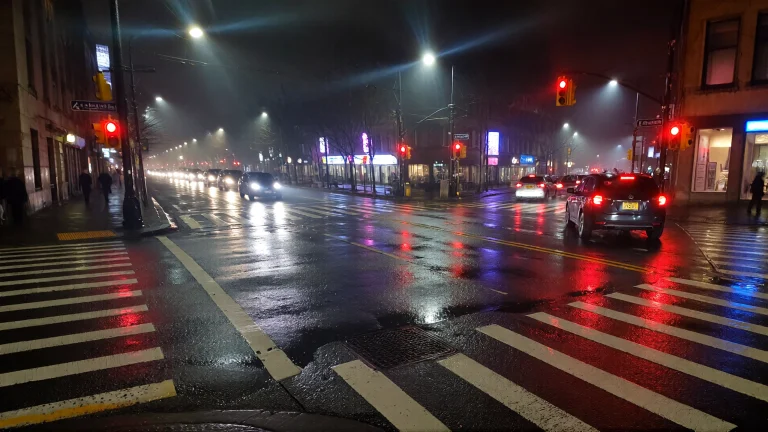
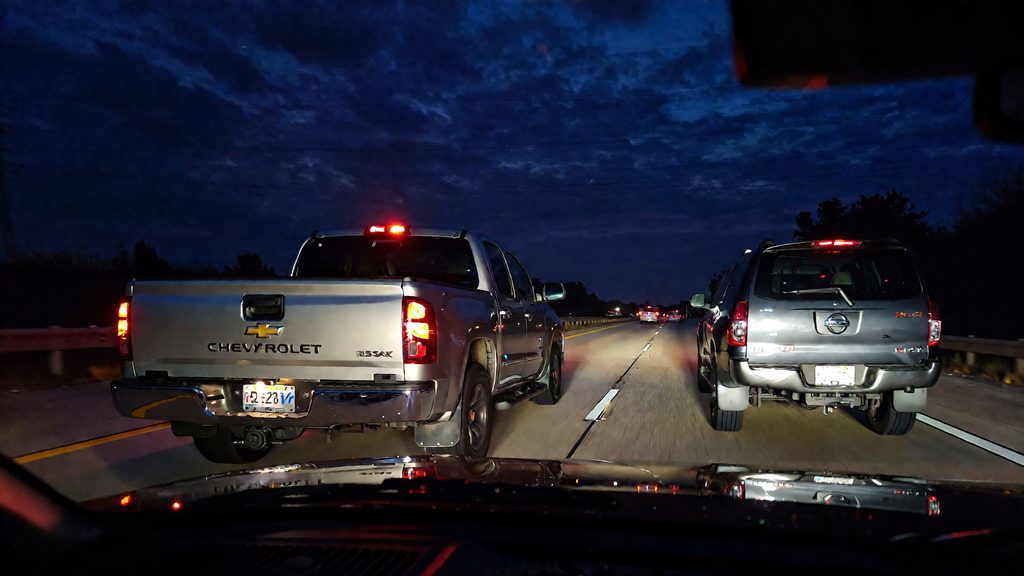
One person was killed, and another suffered major injuries in a two-vehicle crash in the Davis area of Yolo County on Wednesday night, October 7, 2026. According to officials, the crash happened at around 8 p.m. near County Road 97D and Russell Boulevard, just west of the city. The collision caused an extended road closure in the area while emergency crews and investigators worked at the scene.
The extended road closure reflects the seriousness of the collision. After a crash involving a death and major injuries, investigators typically need time to document the scene, photograph the vehicles and roadway, take measurements, and collect evidence that may help explain what happened before the impact. Emergency crews also work to care for the injured and secure the area, which can keep a roadway shut down for hours.
What Investigators Have Shared So Far
The California Highway Patrol’s Woodland office is handling the investigation. Officials said it was not immediately known whether alcohol or drugs played a role, and the events leading up to the collision remain under investigation. No cause has been announced, and no information has been released about who may have been at fault. Details can change as investigators gather evidence, so it is important not to draw conclusions from early reports.
As of now, the information released by authorities is limited, which is common in the first days after a serious crash. Investigators with the California Highway Patrol’s Woodland office are still working to piece together the events that led to the collision, and that process can involve reviewing physical evidence, examining the vehicles, interviewing witnesses, and waiting on toxicology results, which can take weeks.
Until the CHP completes its investigation and issues a final collision report, questions such as how the crash unfolded, what each driver was doing, and whether impairment, speed, or another factor contributed will remain unanswered. For families and injured parties, this waiting period can be painful, but it also matters for what comes next.
Early reports are often incomplete, and the conclusions reached in the final report can shape any later insurance claim or civil case. Preserving evidence and obtaining updates on the investigation’s progress can help protect a person’s rights while official findings are still being developed.
Why Two-Vehicle Crashes Can Be So Devastating
Serious car accidents involving two vehicles can leave those involved with life-altering or fatal injuries. The forces at work in a collision between two moving vehicles can cause traumatic brain injuries, spinal cord damage, internal bleeding, and multiple fractures. Survivors often face emergency surgery, extended hospital stays, and months or years of rehabilitation. For the loved ones of someone who died, the grief is often joined by sudden funeral costs, lost household income, and difficult questions about what comes next.
Two-vehicle collisions can be especially devastating because of the sheer force involved when two moving vehicles meet. Even at moderate speeds, the energy transferred in a crash can overwhelm a vehicle’s safety features, and on rural roads like those west of Davis, where speed limits are often higher and lighting is limited after dark, the consequences can be even more severe.
Occupants may suffer traumatic brain injuries, spinal cord damage, broken bones, organ damage, or internal bleeding, and some of these injuries are not fully apparent until days or weeks after the crash. Survivors often face emergency surgery, long hospital stays, and a recovery that can stretch for months or years, sometimes with permanent limitations that change their ability to work and care for their families.
The impact reaches well beyond the physical injuries. Medical bills can pile up quickly, household income can disappear overnight, and families may be left coping with grief, trauma, and uncertainty at the same time. For those who lose a loved one, the sudden nature of the loss can make every practical and emotional burden feel heavier, which is why understanding available legal options can be an important step toward stability and accountability.
How Fault Is Determined in a California Crash
California follows a pure comparative fault system. Under Civil Code §1714, every person is generally responsible for injuries caused by a failure to use ordinary care. When more than one party may have contributed to a collision, fault can be divided by percentage, and an injured person’s recovery is reduced by their share of responsibility, but they are not barred from recovering simply because they were partly to blame.
To establish fault, a thorough investigation often examines physical evidence at the scene, vehicle damage, event data recorder information, witness statements, surveillance or dash-camera footage, toxicology results where applicable, and the official CHP collision report.
If investigators determine that impairment, speeding, distraction, or a traffic violation contributed to the crash, those findings can become important evidence in a civil claim. If the condition of a public roadway played a factor, Government Code §835 may permit a claim against a public entity for a dangerous condition of public property, and strict claim deadlines apply in such cases.
Legal Options for Families Who Lost a Loved One
When a death is caused by another person’s wrongful act or negligence, California law allows certain family members to pursue a wrongful death claim. Code of Civil Procedure §377.60 identifies who may bring that claim, including a surviving spouse or domestic partner, children, and,d in some situations,s other dependent family members or the person’s heirs. Separately, a survival action under Code of Civil Procedure §377.30 allows the deceased person’s estate to recover damages the person could have pursued had they lived, such as medical expenses and pain and suffering before death.
Damages in a wrongful death case may include funeral and burial expenses, loss of financial support, loss of household services, and the loss of love, companionship, comfort, and guidance. When a loved one dies in a crash caused by someone else’s negligence or wrongful act, California law gives certain family members several ways to seek accountability and financial support.
Under Code of Civil Procedure §377.60, a wrongful death claim may be brought by a surviving spouse or domestic partner, children, and the children of a deceased child if there are no surviving children, and in some circumstances by others who were financially dependent on the person, such as putative spouses, stepchildren, or parents.
A wrongful death claim compensates the family for their own losses, which may include lost financial support, the value of household services the person provided, funeral and burial expenses, and the loss of love, companionship, comfort, care, and guidance. Separately, a survival action under Code of Civil Procedure §377.30 allows the deceased person’s estate to pursue the damages the person could have recovered had they lived, such as medical expenses and the pain and suffering experienced before death.
Because these claims serve different purposes and are brought by different parties, families often benefit from having both evaluated together. Time limits also matter. In most cases, Code of Civil Procedure §335.1 sets a two-year deadline to file, and claims involving a government entity, such as those based on the condition of a public roadway, can require a written claim within as little as six months.
Families do not have to make these decisions while they are grieving, but speaking with an attorney early can help ensure that evidence is preserved, deadlines are not missed, and the people responsible are held to account.
Legal Options for the Person Who Was Seriously Injured
An injured driver or passenger may pursue compensation for medical bills, future care, lost wages, reduced earning capacity, and pain and suffering. In most California personal injury cases, Code of Civil Procedure §335.1 sets a two-year statute of limitations, and shorter deadlines may apply when a government entity is involved. Acting early helps preserve evidence that can disappear quickly, including vehicle data, video footage, and witness recollections.
A person who survives a serious crash caused by someone else’s negligence may be entitled to pursue compensation through a personal injury claim. Recoverable damages can include past and future medical expenses, the cost of ongoing care or rehabilitation, lost wages, reduced earning capacity if the person cannot return to the same work, and non-economic losses such as physical pain, emotional distress, and the loss of enjoyment of life.
Because major injuries can require treatment for years, it is important that a claim account for long-term needs and not just the bills that exist today. Depending on the circumstances, compensation may come from the at-fault driver’s liability insurance, and when that coverage is not enough, from the injured person’s own uninsured or underinsured motorist coverage or medical payments coverage, if those are part of the policy.
Under pure comparative fault, a person who is found partly responsible can still recover, although the amount is reduced by their share of fault, so insurers often look for ways to shift blame. In most cases, Code of Civil Procedure §335.1 gives an injured person two years to file a lawsuit, and claims involving a public entity can require a written claim within six months under Government Code §911.2.
A seriously injured person should focus first on medical care and recovery, but speaking with an attorney early can help protect evidence, keep communications with insurance adjusters from harming the claim, and ensure that important deadlines are not missed.
How Serious Injury and Wrongful Death Claims Are Valued
There is no single formula for what a catastrophic injury or wrongful death claim is worth, but two methods are commonly used as starting points. The multiplier method totals economic damages, such as medical expenses and lost income, and multiplies that total by a factor based on the severity and permanence of the harm.
The per diem method assigns a daily dollar value to pain and suffering and multiplies it by the number of days a person is expected to suffer. Neither method replaces a full case evaluation, because factors such as insurance policy limits, comparative fault, the strength of the evidence, and a person’s long-term care needs all affect the final outcome.
Valuing a serious injury or wrongful death claim involves far more than adding up bills, and there is no single formula that fits every case. Two methods are commonly used as starting points. The multiplier method begins with the total economic damages, such as medical expenses, lost income, and future care costs, and multiplies that figure to account for non-economic harm, such as pain, suffering, and loss of companionship.
The multiplier is typically higher when injuries are catastrophic, permanent, or life-altering. The per diem method assigns a reasonable daily dollar amount to a person’s pain and suffering and multiplies it by the number of days the person is expected to endure it, which can be useful when a long recovery is expected.
These approaches are tools for estimating value, not guarantees, and a final outcome can be shaped by many other factors. The limits of the at-fault driver’s insurance policy, the availability of additional coverage, the strength of the evidence, and the age and earning history of the person who was hurt or killed.
Any percentage of fault assigned to the injured person under California’s comparative fault rules can raise or lower what a claim is ultimately worth. Because early settlement offers from insurance companies often fail to account for future medical needs and long-term losses, having a claim evaluated thoroughly before accepting any offer can help families and injured people understand what full and fair compensation may look like.
How Wrongful Death Settlement Calculators Can Help Families Understand Potential Value
A wrongful death settlement calculator is an online tool that gives families a rough, educational estimate of what a claim may be worth after a loved one dies because of someone else’s negligence. Most calculators ask for details such as the person’s age, income, and work history; the funeral and medical expenses already incurred; the number of surviving family members who depended on them; and whether any fault may be shared.
The tool then applies a method, commonly the multiplier method, which totals the economic losses and multiplies that figure to account for non-economic harm such as the loss of companionship, guidance, and support. Some tools also incorporate a per diem approach for pain and suffering experienced before death.
For grieving families facing sudden bills and uncertainty, a calculator can be a helpful starting point. It organizes the categories of damages recognized under California law, shows how factors such as lost future income and household services can affect the total amount, and helps families prepare for a conversation with an attorney.
It is important to remember that a calculator cannot account for everything. Insurance policy limits, the strength of the evidence, comparative fault, and the unique circumstances of each family all influence the final outcome, so the number it produces is an estimate and not a promise of what a case will settle for. A free case evaluation with an experienced wrongful death attorney is the most reliable way to understand the true value of a claim. Call us now at 1-855-508-9565 to speak with the experts.
Talk to a California Accident Attorney Today
“A serious crash like this one changes everything in an instant, and our hearts go out to the family who lost a loved one and to the person now facing a long road to recovery. If you or someone you love was hurt, please know that you do not have to figure out the legal process on your own. Insurance companies move quickly, and evidence can disappear just as fast, so speaking with an experienced attorney early can protect your rights while you focus on healing. At GJEL Accident Attorneys, we handle the legal burden so you can concentrate on your family and your recovery, and you pay nothing unless we win your case.” –Andy Gillin, Managing Partner, GJEL Accident Attorneys
If you or someone you love was hurt or killed in a crash near Davis or anywhere in California, you do not have to navigate the process alone. GJEL Accident Attorneys has more than 40 years of experience and has recovered over $950 million for clients. We handle injury and wrongful death cases on a contingency fee basis, which means you pay nothing unless we win your case. Call 1-855-508-9565 or visit our Sacramento office for a free, confidential consultation.
Local Resources for Those Affected
The agencies below can help families and injured people get information, request records, and find support after a serious crash. Because this collision occurred in the unincorporated area just west of Davis, the California Highway Patrol is the investigating agency and the best first point of contact for questions about the crash itself.
California Highway Patrol, Woodland Area Office
The CHP Woodland Area office is the primary law enforcement agency for traffic incidents in unincorporated Yolo County and is handling this investigation. The office is located at 13739 Andrew Stevens Drive, Woodland, CA 95776, and can be reached at (530) 702-6250. Office information is available at https://www.chp.ca.gov/find-an-office/valley-division/280-woodland.
Requesting the CHP Crash Report
Drivers, passengers, vehicle owners, parents or legal guardians, legal representatives, and insurers with a valid claim may request a copy of a CHP crash report. Requests can be made through the CHP online Crash Portal or by submitting form CHP 190 in person or by mail to the nearest CHP Area office. Instructions, the form, and the portal link are available at https://chp.ca.gov/traffic/request-a-crash-report/. Reports for serious or fatal cases may not be available until the investigation is complete; the Area office can confirm the status and applicable fee.
Yolo County Sheriff’s Office, Coroner’s Section
The Coroner’s Section investigates sudden, violent, and unusual deaths in Yolo County, confirms identification, notifies next of kin, and determines the cause and manner of death. It is located at 140 Tony Diaz Drive, Woodland, CA 95776, and can be reached at (530) 668-5292, which is staffed around the clock. General information is available at https://yolocountysheriff.com/organization/coroner/, and answers to common questions for grieving families, including funeral home coordination and how to request records, are available at https://yolocountysheriff.com/services/coroner/coroners-faqs/.
Davis Police Department
Although officials classified this crash as occurring outside the city limits, the Davis Police Department serves the surrounding community and can direct residents to the appropriate agency. The department is located at 2600 Fifth Street, Davis, CA 95618, and can be reached at (530) 747-5400. Its page on the City of Davis website is https://cityofdavis.org/city-hall/police-department.
Yolo County Public Works Division (County Roads)
County Road 97D falls under the county road system, which Yolo County Public Works maintains and which includes engineering, inspection, and maintenance of public roads, signs, and guardrails. Residents can report non-emergency road hazards, damaged signs, or malfunctioning signals by phone at (530) 666-8811, and the division’s main page is https://yolocounty.gov/government/general-government-departments/community-services/public-works-division. The online road maintenance request form is at https://yolocounty.gov/government/general-government-departments/community-services/public-works-division/road-maintenance-request, and current closure information is at https://yolocounty.gov/government/general-government-departments/community-services/public-works-division/road-closures. For any emergency, call 911.
Yolo County District Attorney, Victim Services Program
The Victim Services Program helps victims of violent crime and their families understand the criminal justice process, prepare victim impact statements, and apply for victim compensation. The office is located at 301 2nd Street, Woodland, CA 95695, and can be reached at (530) 666-8187. Information is available at https://www.yoloda.org/victim-services/. Advocates may be able to help if the investigation leads to criminal charges.
California Victim Compensation Board
CalVCB provides financial assistance to eligible victims of violent crime and their family members, which can include help with medical bills, counseling, income loss, and funeral and burial costs. Its covered crimes include drunk driving, hit and run, and vehicular manslaughter, though eligibility depends on the facts of each case. Applications can be submitted at https://online.victims.ca.gov; general information is available at https://victims.ca.gov; and a local advocate who can help with the application can be found at https://victims.ca.gov/get-help. Customer service is available at 1-800-777-9229.