A terrifying collision on Highway 99 in Chico has left one passenger injured but fortunate to be alive after a utility pole crash. At the same time, it was being transported on a truck when it smashed through the vehicle’s windshield. The incident serves as a stark reminder of the dangers posed by improperly maintained following distances, especially when sharing the road with commercial vehicles carrying oversized loads. This dramatic collision underscores how quickly a routine commute can turn catastrophic when drivers fail to account for the unique hazards presented by trucks transporting long, heavy materials on busy California highways.
Details of the Highway 99 Utility Pole Crash
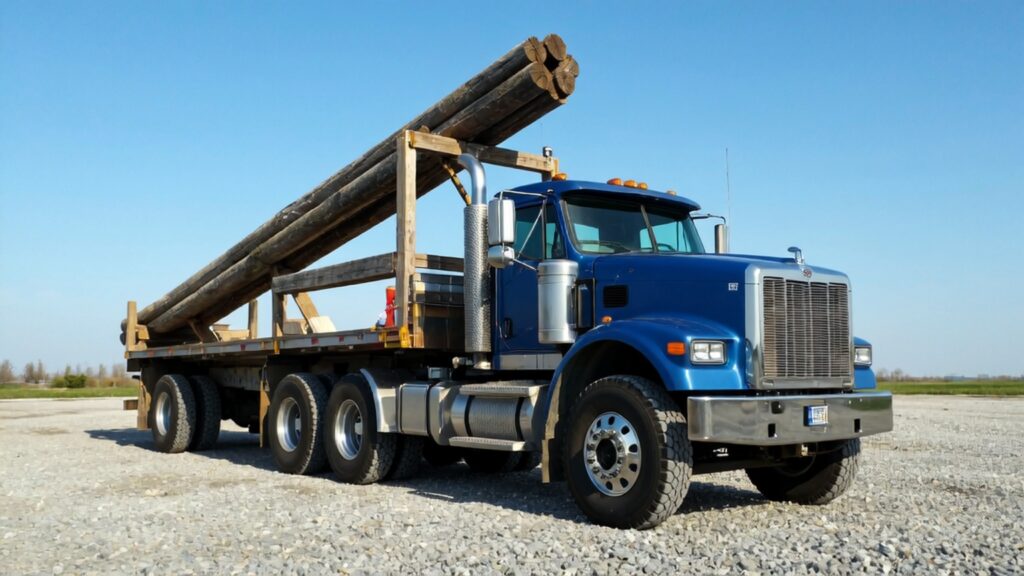
The collision occurred on Highway 99 in Chico, located in Northern California’s Butte County. According to reports, an SUV collided with a truck carrying a utility pole. The impact caused the pole to pierce through the passenger side of the SUV’s front windshield, creating a catastrophic situation for those inside the vehicle.
Despite the violent nature of the crash and the pole’s penetration through the windshield directly where the passenger was seated, the individual in the passenger seat survived the incident, though they did sustain injuries. The specific extent of those injuries has not been disclosed. Still, the fact that the passenger survived such a dramatic collision speaks to an element of extraordinary fortune, given the circumstances.
The California Highway Patrol (CHP) responded to the scene and has been investigating the factors that led to this dangerous collision. While the exact cause remains under investigation, preliminary assessments suggest that following distance and road conditions may have played significant roles in the crash.
CHP Issues Important Safety Reminder About Following Distance
In the aftermath of this frightening incident, the California Highway Patrol has used the crash as an educational opportunity to remind drivers about critical safe driving practices. CHP officials emphasize that maintaining a safe following distance from the vehicle ahead is essential for preventing collisions, particularly in challenging conditions.
The importance of this safety cushion becomes even more critical on wet roads, where stopping distances increase significantly due to reduced tire traction and grip. When roadways are slick from rain, vehicles require substantially more distance to come to a complete stop, making adequate spacing between vehicles crucial for accident prevention.
CHP has specifically highlighted the need for extra caution when following vehicles that are transporting long or oversized loads, such as utility poles, lumber, pipes, or other elongated materials. These types of cargo present unique hazards:
- Sudden stops can cause cargo to shift or break free: Even properly secured loads can become dangerous projectiles if a truck must brake suddenly or is involved in a collision.
- Limited visibility: Long loads can obstruct a following driver’s view of the road ahead, making it challenging to anticipate traffic conditions or hazards.
- Unpredictable movement: Oversized cargo may extend beyond the truck’s normal dimensions and can cause the vehicle to sway or shift, resulting in additional space requirements.
- Increased stopping requirements: Trucks carrying heavy loads require longer distances to stop safely, meaning following vehicles must also maintain greater spacing.
Understanding California’s Safe Following Distance Laws
California Vehicle Code Section 21703 requires drivers to maintain a “reasonable and prudent” following distance behind vehicles ahead of them. While the law doesn’t specify an exact distance in feet, it states that drivers must keep sufficient space to safely stop without colliding with the vehicle in front if that vehicle suddenly slows or stops.
For commercial vehicles, California Vehicle Code Section 21704 provides more specific guidance, requiring trucks and cars towing trailers to maintain at least 300 feet of separation when traveling at speeds above 40 mph on highways outside business or residential districts (with certain exceptions for passing or heavy traffic conditions).
The widely recommended “three-second rule” suggests that drivers should maintain enough distance to count three seconds from when the vehicle ahead passes a fixed point until their own vehicle reaches that same point. In adverse conditions such as rain, fog, or darkness, this should be increased to four or even five seconds.
When following vehicles with oversized or potentially hazardous loads, drivers should consider increasing their following distance even further to allow for additional reaction time in case something unexpected occurs.
Common Causes of Rear-End and Following Distance Crashes
While the investigation into this specific Highway 99 crash continues, rear-end collisions and crashes involving inadequate following distance typically result from several common factors:
Distracted Driving: Taking eyes off the road to check phones, adjust controls, or attend to other distractions prevents drivers from recognizing when the vehicle ahead is slowing or stopping.
Excessive Speed: Driving too fast for conditions reduces the time available to react and increases the distance needed to stop safely.
Tailgating: Following too closely is one of the most common causes of rear-end collisions, as it gives drivers insufficient time to respond to sudden changes in traffic flow.
Wet or Slippery Road Conditions: Rain, ice, snow, or oil on roadways significantly increases stopping distances, yet many drivers fail to adjust their following distance accordingly.
Improper Load Securing: For commercial vehicles, improperly secured cargo can shift during sudden braking or in a collision, creating additional hazards for surrounding vehicles.
Driver Fatigue: Tired drivers have slower reaction times and may not recognize hazards as quickly as alert drivers.
Mechanical Failures: Worn brakes, tire problems, or other vehicle maintenance issues can prevent a driver from stopping in time to avoid a collision.
Injuries Common in Utility Pole and Cargo-Related Crashes
When objects like utility poles penetrate a vehicle’s cabin, the potential for serious or fatal injuries increases dramatically. Common injuries in these types of accidents include:
- Traumatic brain injuries: Impact with intruding objects or violent collision forces can cause concussions, skull fractures, or severe brain trauma.
- Spinal cord injuries: The force of cargo striking a vehicle occupant can damage the spine, potentially resulting in partial or complete paralysis.
- Chest and internal organ injuries: Blunt force trauma to the torso can cause broken ribs, collapsed lungs, or damage to internal organs like the liver, spleen, or kidneys.
- Facial and head lacerations: Flying glass and striking objects can cause severe cuts, eye injuries, or facial fractures.
- Broken bones and orthopedic injuries: The violent nature of these crashes often results in fractured arms, legs, pelvis, or other bones.
- Psychological trauma: Surviving such a terrifying incident can lead to post-traumatic stress disorder (PTSD), anxiety, or other mental health challenges.
The passenger in this Chico crash was remarkably fortunate to survive, given that the utility pole struck the windshield directly in front of their seat. Many similar incidents have resulted in fatalities, making this outcome somewhat extraordinary despite the injuries sustained.
Legal Rights After a Commercial Vehicle Crash in California
Victims injured in accidents involving commercial vehicles, such as trucks transporting cargo or equipment, may have legal options for recovering compensation for their injuries and associated losses. These cases often involve complex liability issues that require thorough investigation.
Multiple Potentially Liable Parties: Unlike typical car accidents that may involve only individual drivers, commercial vehicle crashes can implicate several responsible parties:
- The truck driver, if their negligent operation contributed to the crash
- The trucking company or transportation company that employed the driver
- The company that loaded or secured the cargo, if improper securing played a role
- The cargo owner or shipper
- Vehicle or equipment maintenance companies, if mechanical failures contributed
- Government entities, if poor road design or maintenance was a factor
California’s Comparative Negligence System: California follows a “pure comparative negligence” rule, meaning that even if an injured party bears some responsibility for an accident, they can still recover damages reduced by their percentage of fault. For example, if you were following too closely but the truck’s cargo was also improperly secured, you might still recover compensation for the portion of fault attributable to others.
Types of Compensation Available: Victims of commercial vehicle crashes may be entitled to recover various forms of damages, including:
- Medical expenses, both current and future treatment costs
- Lost wages and diminished earning capacity if injuries prevent returning to work
- Property damage to vehicles and personal belongings
- Pain and suffering for physical discomfort and emotional distress
- Loss of enjoyment of life if injuries prevent participation in previously enjoyed activities
- In cases of egregious negligence, punitive damages are designed to punish and deter similar conduct
Strict Federal and State Regulations: Commercial vehicles are subject to numerous safety regulations established by the Federal Motor Carrier Safety Administration (FMCSA) and California state agencies. These regulations cover areas such as:
- Cargo securement standards that specify how different types of loads must be tied down, blocked, or otherwise secured
- Driver qualification requirements, including proper licensing and training
- Hours of service limitations to prevent fatigued driving
- Vehicle maintenance and inspection requirements
- Weight and size limitations for different types of roads
Violations of these regulations can serve as evidence of negligence in personal injury claims and may significantly strengthen a victim’s case for compensation.
Steps to Take After a Commercial Vehicle Accident
If you’re involved in a crash with a commercial vehicle carrying cargo or equipment, taking specific steps can protect both your health and your legal rights:
1. Seek Immediate Medical Attention: Even if you feel relatively uninjured, get evaluated by medical professionals. Some serious injuries, including internal bleeding or traumatic brain injuries, may not produce immediate symptoms. Prompt medical documentation also creates essential records for any future legal claim.
2. Call Law Enforcement: Always report commercial vehicle crashes to the California Highway Patrol or local police. An official accident report provides crucial documentation of the incident, including the responding officer’s observations about conditions, vehicle positions, and potential contributing factors.
3. Document the Scene: If you’re physically able and it’s safe to do so, take photographs and videos of:
- All vehicles involved, from multiple angles
- The cargo and how it was (or wasn’t) secured
- Skid marks, debris, and road conditions
- Traffic signs, signals, and road features
- Your visible injuries
- Contact information for witnesses
4. Gather Information: Collect contact and insurance information from all drivers involved, including the commercial vehicle operator and their employer. For commercial vehicles, also note:
- The company name and DOT number are displayed on the truck
- The truck’s license plate number
- The driver’s commercial driver’s license (CDL) information
- Contact information for the trucking or transportation company
5. Preserve Evidence: Keep all evidence related to the accident, including damaged clothing, medical records, medical bills, repair estimates, and correspondence with insurance companies. Don’t repair or dispose of your damaged vehicle until you’ve consulted with an attorney, as it may serve as substantial evidence.
6. Avoid Recorded Statements to Insurance Companies: While you should report the accident to your own insurance carrier, be cautious about providing detailed recorded statements to other parties’ insurance companies without first speaking to an attorney. Insurance adjusters may use your statements to minimize or deny your claim.
7. Consult with a Personal Injury Attorney: Commercial vehicle accident cases involve complex regulations, multiple potential defendants, and insurance companies with teams of lawyers protecting their interests. An experienced personal injury attorney can investigate the crash, identify all liable parties, and fight for the full compensation you deserve.
How GJEL Accident Attorneys Can Help Commercial Vehicle Crash Victims
At GJEL Accident Attorneys, we have extensive experience representing victims injured in collisions involving commercial vehicles, trucks, and improperly secured cargo. Our Northern California personal injury team understands the unique challenges these cases present and has the resources to conduct thorough investigations, consult with experts, and hold negligent parties accountable.
Commercial vehicle accidents often involve catastrophic injuries that change victims’ lives forever. When a utility pole crashes through someone’s windshield, it’s not just a traffic accident—it’s a preventable tragedy that occurs because someone failed to follow basic safety protocols. GJEL works tirelessly to ensure our clients receive the compensation they need to rebuild their lives.
Our firm has recovered over $1 billion for injured clients throughout our history, with numerous verdicts and settlements exceeding $1 million. We approach each case with meticulous preparation, treating every client with the compassion and respect they deserve during what is often the most difficult time of their lives.
We work on a contingency fee basis, meaning you pay no attorney fees unless we successfully recover compensation on your behalf. This arrangement ensures that quality legal representation is accessible to everyone, regardless of their financial situation.
Understanding Catastrophic Injury Settlement Calculators
Catastrophic injury settlement calculators are valuable tools that help accident victims and their families estimate the potential value of their personal injury claims following severe accidents, such as the Highway 99 utility pole crash. These calculators take into account multiple factors that contribute to a settlement’s worth, including current and future medical expenses, lost wages and diminished earning capacity, pain and suffering, loss of quality of life, and the long-term care costs often associated with catastrophic injuries.
By inputting information such as the severity of injuries, medical treatment received, time away from work, and the degree of permanent disability or disfigurement, victims can gain a preliminary understanding of what compensation they might reasonably expect. However, it’s essential to acknowledge that settlement calculators offer only rough estimates, as every case is unique and involves numerous variables that cannot be fully captured by an automated tool.
Factors such as the strength of the evidence, the skill of the legal representation, the jurisdiction where the case is filed, the defendant’s insurance policy limits, and the comparative negligence of the parties involved all significantly impact the final settlement amounts. For accidents involving commercial vehicles and improperly secured cargo, where multiple liable parties may exist and complex federal regulations apply, the actual settlement value often exceeds initial calculator estimates, particularly when experienced personal injury attorneys thoroughly investigate the case and identify all available sources of compensation.
While settlement calculators serve as helpful starting points for understanding potential claim values, victims of serious accidents should always consult with qualified personal injury attorneys who can provide personalized assessments based on the specific circumstances of their case, recent verdicts and settlements in similar cases, and a comprehensive evaluation of all damages suffered. Call us now at +1-866-218-3776 to speak with our experts.
Take Action Today – Get the Help You Deserve
“When a utility pole crashes through a windshield, the physical injuries are only part of the trauma—victims and their families face overwhelming medical bills, lost income, and the emotional toll of recovery. What many people don’t realize is that these accidents are almost always preventable, resulting from inadequate following distance, improper cargo securement, or driver negligence. If you or someone you love has been injured in a crash involving a commercial vehicle or an improperly secured load, you have legal rights that deserve protection. Don’t let insurance companies minimize your suffering or pressure you into accepting a quick settlement that won’t cover your long-term needs. Document everything, seek immediate medical care, and speak with an experienced personal injury attorney who can investigate all liable parties—including the trucking company, cargo loaders, and vehicle owners. Remember, you’re not just seeking compensation; you’re holding negligent parties accountable so that other families don’t suffer the same preventable tragedy. We’re here to fight for the justice and full recovery you deserve during this tough time.” — Andy Gillin, GJEL Accident Attorneys
Suppose you or a loved one has been injured in a collision involving a commercial vehicle, a truck carrying cargo, or any traffic accident on Highway 99 or elsewhere in Northern California. In that case, we encourage you to contact GJEL Accident Attorneys for a free, no-obligation consultation. Our experienced personal injury lawyers will review your case, explain your legal options, and help you understand the potential value of your claim.
Remember, prioritizing healing and recovery should be your top concern in the aftermath of such tragic events. Let experienced legal professionals handle the complexities of your case and fight for the justice and compensation you deserve. At GJEL Accident Attorneys, we have years of experience fighting for the little guy and securing the settlements and compensation you deserve.
Compassionate GJEL accident attorneys are always available to discuss your case, and you pay nothing unless we secure a favorable outcome. Let our experienced legal team shoulder the legal burden while you focus on what matters most – your family’s healing and recovery. Contact us today at +1-866-218-3776 or visit our Fremont office to secure your future and compensation.
Local Resources for Highway 99 Crash Victims in Chico
If you or a loved one has been involved in a traffic accident on Highway 99 in Chico or elsewhere in Butte County, the following local resources and agencies can provide assistance, information, and support during your recovery:
Law Enforcement and Accident Reports
California Highway Patrol – Chico Area Office The CHP Chico Area office responds to accidents on Highway 99 and other major roadways in Butte County. You can contact them to obtain accident reports, which are crucial for filing insurance claims and participating in legal proceedings.
- Address: 1160 East Lassen Avenue, Chico, CA 95973
- Phone: (530) 332-5800
- Non-Emergency: (530) 332-5800
- Website: www.chp.ca.gov/find-an-office/northern-division/chico-area
- Accident Report Requests: Reports can be requested online through the CHP’s Traffic Collision Report system at www.chp.ca.gov/notify-chp/traffic-collision-reports
Chico Police Department. For accidents occurring within Chico city limits or for general assistance with traffic-related incidents.
- Address: 1460 Humboldt Road, Chico, CA 95928
- Phone: (530) 897-4900
- Non-Emergency: (530) 897-4900
- Emergency: 911
- Website: www.chico.ca.us/police-department
Medical and Emergency Services
Enloe Medical Center is the primary hospital serving Chico and Butte County, providing emergency trauma care for serious injuries resulting from accidents.
- Address: 1531 Esplanade, Chico, CA 95926
- Emergency Department: (530) 332-7300
- Main Hospital: (530) 332-7300
- Website: www.enloe.org
Butte County Public Health Department provides resources for injury prevention, public health services, and can connect victims with community health resources.
- Address: 202 Mira Loma Drive, Oroville, CA 95965
- Phone: (530) 538-7341
- Website: www.buttecounty.net/publichealth
Transportation and Road Safety
California Department of Transportation (Caltrans) – District 3 is Responsible for maintaining Highway 99 and other state highways in the region. Can provide information about road conditions, construction zones, and safety improvements.
- Address: 703 B Street, Marysville, CA 95901
- Phone: (530) 741-4542
- Highway Information: Call 1-800-427-7623 (1-800-GAS-ROAD)
- Website: dot.ca.gov/caltrans-near-me/district-3
- Real-Time Traffic: quickmap.dot.ca.gov
The Butte County Association of Governments (BCAG) is the regional transportation planning agency responsible for addressing traffic safety and transportation issues in Butte County.
- Address: 326 Huss Drive, Suite 150, Chico, CA 95928
- Phone: (530) 809-4616
- Website: www.bcag.org
Legal and Victim Support Services
Butte County District Attorney’s Office – Victim Witness Assistance Center provides support services, information about legal rights, and assistance navigating the criminal justice system for crime victims, including hit-and-run or DUI-related accidents.
- Address: 25 County Center Drive, Suite 245, Oroville, CA 95965
- Phone: (530) 538-7411
- Website: www.buttecounty.net/da/VictimWitness
California Victim Compensation Board provides financial assistance to victims of violent crimes, including vehicular crimes, to help pay for medical treatment, mental health services, lost wages, and funeral expenses.
- Phone: 1-800-777-9229
- Website: victims.ca.gov
- Online Application: victimsofcrime.ca.gov
The Legal Services of Northern California – Chico Office offers free civil legal services to low-income residents, including assistance with insurance disputes and consumer protection issues.
- Address: 915 Main Street, Chico, CA 95928
- Phone: (530) 345-9491
- Toll-Free: 1-866-577-5362
- Website: www.lsnc.net
Insurance and Consumer Protection
California Department of Insurance assists consumers with insurance-related questions, complaints, and disputes following accidents.
- Consumer Hotline: 1-800-927-4357
- Website: www.insurance.ca.gov
- File a Complaint: www.insurance.ca.gov/01-consumers/101-help
California Department of Motor Vehicles (DMV) – Chico Office can provide driving records, license status information, and vehicle registration details relevant to accident investigations.
- Address: 590 Rio Lindo Avenue, Chico, CA 95926
- Phone: 1-800-777-0133
- Website: www.dmv.ca.gov
Additional Support Resources
North Valley Community Foundation provides emergency assistance and connects accident victims with local charitable resources and support services.
- Address: 1811 Esplanade, Chico, CA 95926
- Phone: (530) 891-1150
- Website: www.nvcf.org
211 Butte County is A comprehensive information and referral service connecting residents with community resources, including emergency assistance, healthcare, transportation, and support services.
- Phone: Dial 2-1-1 or (530) 898-5161
- Website: www.211butte.org
Safe Alternatives to Violent Environments (SAVE) provides crisis intervention, counseling, and support services for individuals experiencing trauma, including accident-related PTSD.
- 24-Hour Crisis Line: (530) 342-8585 or 1-877-334-2000
- Administrative Office: (530) 343-7233
- Website: www.savecac.org
These resources can help you navigate the aftermath of a serious traffic accident, obtain necessary documentation, access medical and mental health services, and understand your legal rights. Suppose you have questions about pursuing a personal injury claim or need assistance holding negligent parties accountable. In that case, GJEL Accident Attorneys is here to help guide you through the legal process with compassion and expertise.