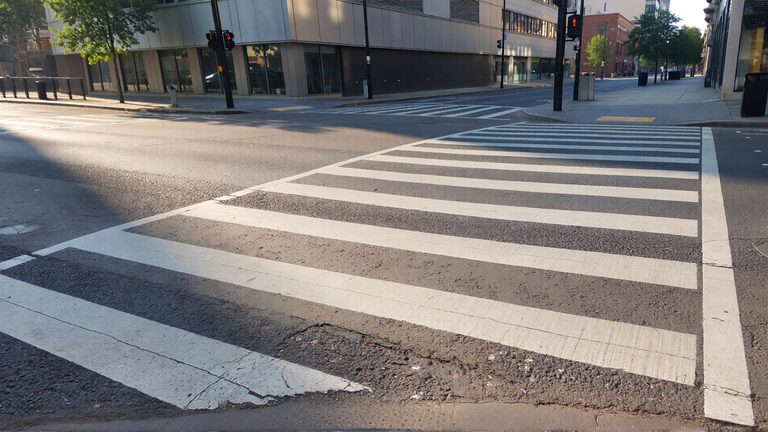
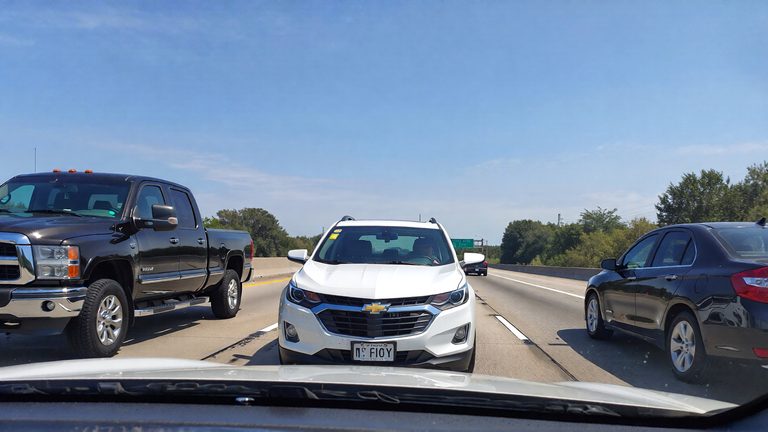
A rider was seriously injured in a motorcycle accident at the intersection of Meekland Avenue and Poplar Avenue on Friday afternoon, according to the California Highway Patrol (CHP). The crash is a reminder of how quickly a routine commute can change the course of a life, and of how much is at stake for riders and their families after a serious intersection collision.

What We Know About the Motorcycle Accident
The collision was reported at approximately 4:51 p.m. on November 20, 2026. According to the CHP, the motorcycle and the Toyota Sienna collided at the intersection of Meekland Avenue and Poplar Avenue. Responding crews found the motorcyclist blocking part of Meekland Avenue.
Emergency medical personnel were dispatched at approximately 4:54 p.m., and the motorcyclist suffered major injuries. The motorcycle sustained major damage, and a tow truck was requested to remove it from the scene. All lanes were initially blocked, and the roadway was reported clear at approximately 5:49 p.m. The CHP has not publicly released the identities of those involved or the cause of the collision, and the investigation may still be ongoing.
Why Intersection Crashes Are So Dangerous for Motorcyclists
Intersections are among the most common places for serious motorcycle collisions. A rider has no frame, airbags, or crumple zones to absorb impact, so even a moderate-speed collision with a minivan can cause fractures, spinal cord injuries, traumatic brain injuries, internal bleeding, and severe road rash. Recovery often involves surgery, long hospital stays, and months of rehabilitation.
Many intersection crashes involving motorcycles happen because a driver fails to see the rider, misjudges the motorcycle’s speed, or turns across the rider’s path. Smaller motorcycle profiles can be easy to miss, especially in late afternoon traffic, when glare and congestion reduce visibility. Drivers have a legal duty to look carefully, and a failure to do so is often at the center of these cases.
How California Law Determines Fault in a Motorcycle Collision
California follows a negligence framework. Under Civil Code §1714, every person is responsible for injuries caused by their failure to use ordinary care. In an intersection crash, investigators and attorneys look closely at right-of-way rules, including Vehicle Code §21800, which governs who must yield at intersections, and Vehicle Code §21801, which requires drivers turning left to yield to oncoming traffic.
California is also a pure comparative fault state. Under this doctrine, an injured person can still recover compensation even if they were partly responsible, although the award is reduced by their percentage of fault. Insurance companies sometimes try to shift blame onto riders by pointing to speed, lane position, or lane splitting.
California law, including Vehicle Code §21658.1, recognizes lane splitting under specific conditions, and an experienced attorney can challenge unfair assumptions about motorcyclists.
Evidence That Can Make or Break a Motorcycle Injury Claim
Evidence is often decisive, and it can disappear quickly. Valuable evidence in an intersection collision may include the official CHP collision report, photographs of the scene and vehicle damage, traffic signal timing data, nearby surveillance or business camera footage, dashcam video, and statements from independent witnesses.
The vehicles themselves may also contain data that helps reconstruct speed and braking events. Prompt preservation requests can protect this evidence before it is overwritten or lost. Beyond the physical evidence at the scene, the records created in the hours and days after a crash often carry just as much weight.
Medical records that directly link each injury to the collision are essential, and gaps in treatment can give an insurer room to argue that an injury was unrelated or less serious than claimed. Photographs of the rider’s injuries as they heal, a personal journal documenting pain levels and daily limitations, and records of missed work all help show the full human cost of the crash.
Protective gear matters too. A damaged helmet, jacket, and boots should be kept exactly as they are, since they show the force of the impact and can rebut claims that the rider was careless. It is equally important to avoid giving recorded statements to the other driver’s insurance company or posting about the crash on social media, because insurers routinely look for comments that can be used to minimize a claim.
An attorney can send preservation letters to demand that camera footage, vehicle data, and other time-sensitive records be kept intact, and can work with accident reconstruction specialists to build a clear, evidence-backed account of how the collision occurred.
Compensation Available After a Serious Motorcycle Accident
A seriously injured rider may be entitled to recover economic damages, such as emergency care, surgery, hospitalization, medication, rehabilitation, future medical needs, lost wages, and reduced earning capacity. Non-economic damages compensate for pain, suffering, emotional distress, and loss of enjoyment of life.
When a family member is killed, surviving relatives may bring a wrongful death claim under Code of Civil Procedure §377.60, and the deceased person’s estate may pursue a survival action under Code of Civil Procedure §377.30.
Beyond the medical bills and lost income already described, a seriously injured rider may be entitled to additional categories of compensation that are easy to overlook. Property damage claims can cover the repair or replacement of the motorcycle as well as damaged helmets, riding gear, and other personal items.
When injuries leave lasting limitations, a claim may include the cost of future medical care, home modifications, assistive equipment, and in-home help, often supported by a life care plan prepared by medical and financial professionals.
A rider who can no longer perform the same work may also recover for lost earning capacity, which looks beyond wages already missed to the income the person would reasonably have earned over the years ahead. Spouses may be able to pursue a claim for loss of consortium, which recognizes the impact of the injuries on the marital relationship, including companionship and support.
In rare cases involving especially reckless conduct, such as driving under the influence, California law allows punitive damages under Civil Code §3294, which are intended to punish the wrongdoer rather than compensate the victim. Which of these categories apply depends on the facts of each case, which is why a thorough early evaluation of both current and long-term losses is so important before accepting any insurance settlement offer.
How Catastrophic Injury Settlements Are Evaluated
No two cases are alike, but attorneys and insurers commonly use two methods to estimate the value of an injury claim. The multiplier method totals the economic damages and multiplies that figure by a number that reflects the severity and permanence of the injuries, the strength of the liability evidence, and the long-term impact on the person’s life.
More serious and lasting injuries generally support a higher multiplier. The per diem method assigns a daily dollar value to the pain and limitations a person endures and multiplies it by the number of recovery days, including projected future days when the effects are permanent.
Neither method guarantees an outcome. They are tools for framing a fair demand, and a strong claim relies on thorough medical documentation and credible expert support.
Important Deadlines for Filing a Claim
Time limits apply to every injury claim. Under Code of Civil Procedure §335.1, most personal injury lawsuits in California must be filed within two years of the date of injury. Claims against a government entity, such as those involving a dangerous roadway condition under Government Code §835, are subject to much shorter notice requirements, often as little as 6 months.
Missing a deadline can permanently end the right to recover, which is why speaking with an attorney early matters. Several other deadlines can affect a motorcycle injury claim, and some arrive long before the two-year limit under Code of Civil Procedure §335.1.
When a claim involves a public entity, such as a city, county, or state agency responsible for a dangerous roadway condition, Government Code §911.2 generally requires a written claim to be presented within six months of the crash. If that window is missed, Government Code §911.4 allows an application for leave to present a late claim, but it must be filed within one year of the incident and is not guaranteed approval.
Wrongful death claims also generally carry a two-year limit, running from the date of death. In some situations, the clock may pause, such as when the injured person is a minor or is legally incapacitated, but these exceptions are narrow and should never be assumed.
Separate from any court deadline, California drivers must report a collision to the DMV within ten days if anyone was injured or killed, or if property damage exceeded $1,000, under Vehicle Code §16000.
Insurance policies also set their own notice and claim requirements, including those that apply to uninsured and underinsured motorist coverage, and failing to meet them can put benefits at risk. Because the correct deadline depends on who may be responsible and what type of claim is involved, speaking with an attorney as soon as possible is the safest way to protect your right to pursue compensation.
Motorcycle Accident Settlement Calculators and Why They Matter
A motorcycle accident settlement calculator is an online tool that gives an injured rider a rough estimate of what a claim might be worth. Most calculators ask for the same core information: medical expenses to date, projected future care, lost wages, property damage, and a rating for the severity of the injuries.
They then apply a formula, usually the multiplier method, which multiplies economic damages by a factor reflecting the seriousness and permanence of the harm, or the per diem method, which assigns a daily dollar value to pain and limitations over the recovery period. These tools are valuable because they help riders understand that a claim is worth far more than the bills in their hands.
Pain, emotional distress, scarring, lost earning capacity, and long-term care needs all carry real value under California law, and a calculator makes those categories visible. A realistic estimate also gives a rider a benchmark for judging an early insurance offer, which is often well below the true value of the case.
Still, a calculator is a starting point, not a prediction. It cannot weigh the strength of the liability evidence, a rider’s share of fault under California’s pure comparative fault rule, available insurance policy limits, or the credibility of medical opinions, and any of these can move the final figure significantly.
For that reason, the most reliable way to value a serious motorcycle injury claim is to use a calculator for a general sense of scale and then have an experienced attorney evaluate the full picture before any settlement is discussed or accepted. Call us now at 1-855-508-9565 to speak with the experts.
Talk to a Hayward Motorcycle Accident Attorney Today
“A serious motorcycle crash can change everything in a matter of seconds. The pain, the medical bills, and the worry about how you will provide for your family are heavy burdens, and I want anyone affected by this accident to know they are not alone. Insurance companies move quickly to protect their own interests, so I encourage you to get medical care right away, preserve any evidence you have, and avoid giving recorded statements before you understand your rights. California law gives injured riders and their families options, but strict deadlines apply, and waiting can put your claim at risk. If you or someone you love was hurt, call us for a free consultation. We handle every case on a contingency fee basis, so you pay nothing unless we win, and you can focus on healing while we focus on fighting for you.” – Andy Gillin, Managing Partner, GJEL Accident Attorneys
If you or someone you love was hurt in a motorcycle crash, you do not have to face the insurance process alone. GJEL Accident Attorneys has more than 40 years of experience and has recovered over $950 million for injured Californians. We handle every case on a contingency fee basis, which means you pay no attorney fees unless we win your case. Call us at 1-855-508-9565 or visit our San Francisco office for a free consultation.
Local Resources for Hayward Residents
Those affected by this collision or any serious traffic crash in the area can turn to the following agencies for information and support:
The California Highway Patrol Hayward Area Office is located at 2434 Whipple Road, Hayward, CA 94544, and can be reached at (510) 489-1500. The office is open Monday through Friday, 8:00 a.m. to 5:00 p.m. For crash reports in the unincorporated areas of Hayward, Castro Valley, Cherryland, and San Lorenzo, the City of Hayward directs the public to the CHP at (510) 581-9028 or 1-800-TELL-CHP after hours. More information is available at www.chp.ca.gov.
The Hayward Police Department is located at 300 West Winton Avenue, Hayward, CA 94544. The non-emergency line is (510) 293-7000, and its Traffic Enforcement Office can be reached at (510) 293-7099. In an emergency, always dial 9-1-1. Visit www.hayward-ca.gov for more information.
St. Rose Hospital, located at 27200 Calaroga Avenue, Hayward, CA 94545, provides emergency care around the clock. The hospital’s main line is (510) 264-4000, and more information is available at www.strosehospital.org.

Related California legal resources: Hayward personal injury lawyers.