
Riding a motorcycle is an exhilarating experience, but it comes with its own set of risks. Motorcyclists are more vulnerable to accidents and injuries than other motorists on the road.
The lack of protection, coupled with the high speed, can lead to severe injuries or even fatalities. Understanding the different types of motorcycle accidents can help riders take precautions and reduce their risk of getting into an accident.
In this article, we will discuss the most frequent types of motorcycle accidents and mention common areas in California where they occur. If you or a loved one has been injured in a motorcycle accident, contact GJEL Accident Attorneys at 883 Sacramento St apt a, San Francisco, CA 94108, or call us at 415-986-4777 for a free consultation to discuss your legal options.
[Note: if you or someone you love were injured in a motorcycle crash, contact our motorcycle accident law firm today for a free case evaluation.
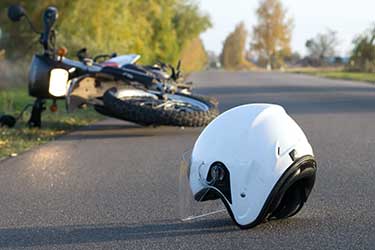
Single-Vehicle Accidents
Single-vehicle accidents are the most common type of motorcycle accidents. As the name suggests, these accidents involve only one motorcycle. Here are some types of single-vehicle accidents:
Low-Side Crash
A low-side crash happens when the motorcycle loses traction with the road surface, usually in a turn. This causes the motorcycle to slide out from under the rider, and the rider falls to the ground. Low-side crashes are caused by several factors, including excess speed, slippery road conditions, and improperly inflated tires.
Low-side crashes can also happen when a rider hits gravel, oil, loose debris, or another slick patch in the road while leaning into a turn. Because motorcycles rely on tire grip for stability, even a small loss of traction can quickly send the bike sliding.
High-Side Crash
A high-side crash occurs when the motorcycle loses traction with the road surface and then regains it suddenly. This causes the motorcycle to flip over, and the rider is thrown off. High-side crashes are more dangerous than low-side crashes because they involve a greater impact force.
In many high-side crashes, the rear wheel loses traction first and then suddenly hooks back up with the pavement. That abrupt change can catapult the rider over the handlebars or off the side of the motorcycle, making this one of the most violent crash types.
Rear-End Collision
Rear-end collisions occur when a vehicle strikes the back of a motorcycle, often as a result of the driver failing to notice the motorcyclist or following too closely. These accidents can cause severe injuries to the motorcyclist, who may be thrown from their bike upon impact.
To reduce the risk of rear-end collisions, motorcyclists should maintain a safe distance from vehicles in front of them and use their brake lights to signal when slowing down or stopping.
Rear-end crashes are especially dangerous for riders because motorcycles can often stop faster than passenger vehicles. When a driver tailgates or looks away for even a moment, there may be little time to avoid hitting the motorcycle.
Fixed Object Collision
A fixed object collision happens when a motorcycle collides with a stationary object such as a tree, pole, or guardrail. These accidents are often caused by excessive speed or impaired driving.
Fixed object collisions are particularly severe because the rider absorbs much of the impact. Collisions with guardrails, utility poles, or trees account for a significant share of fatal motorcycle crashes.
Cornering Errors
Cornering errors are a frequent cause of single-vehicle motorcycle crashes, especially among less experienced riders. These accidents often happen when a rider enters a curve too fast, misjudges the sharpness of the bend, or brakes too hard while leaning. The result may be running off the road, sliding out, or overcorrecting into another hazard.
Multi-Vehicle Accidents
Multi-vehicle accidents involve more than one vehicle, usually a motorcycle and a car. These accidents are often more severe than single-vehicle accidents because of the impact force involved.
Intersection Accidents
Intersection accidents happen when a motorcycle and a car collide at an intersection. These accidents are often caused by one driver’s failure to yield the right of way.
For local geographic context, explore San Jose motorcycle and intersection crash data in GJEL’s 2020–2024 study.
Left-Turn Accidents
One of the most common types of motorcycle accidents in California involves a vehicle making a left turn in front of an oncoming motorcycle. These collisions often occur when the driver of the vehicle misjudges the speed or distance of the approaching motorcycle. Motorcyclists should remain vigilant at intersections and always be prepared for vehicles turning left across their path.
Lane Change Accidents
Lane change accidents happen when a car changes lanes and collides with a motorcycle. These accidents are often caused by the car driver’s failure to see the motorcycle in the blind spot.
Sideswipe Accidents
Sideswipe accidents happen when a car hits a motorcycle from the side. These accidents are often caused by the car driver’s failure to see the motorcycle or misjudging its distance.
Head-On Collisions
Head-on collisions are less common than many other motorcycle crashes, but they are often catastrophic or fatal. These accidents may happen when a driver crosses the center line, drifts into oncoming traffic, or loses control on a rural road. Because both vehicles may be moving at speed, the force of impact can be devastating for a motorcyclist.
Dooring Accidents
Dooring accidents happen when a driver or passenger in a parked vehicle opens a door directly into the path of an approaching motorcycle. These crashes are a serious risk in cities and busy urban corridors where riders travel close to parked cars. Staying alert near curbside parking and watching for occupied vehicles can help reduce the risk. Our San Jose motorcycle accident attorneys regularly see dooring and intersection crashes across the South Bay.
Here are the Most Common Causes of Motorcycle Accidents
Understanding the common causes of motorcycle accidents can help riders take preventative measures to avoid them. Here are some of the most common causes of motorcycle accidents:
Speeding
Speeding is a leading cause of motorcycle accidents in California, as it reduces a rider’s ability to react to hazards and increases the severity of injuries sustained in a crash. Obeying posted speed limits and adjusting your speed based on traffic, road, and weather conditions can significantly reduce the risk of a speed-related accident.
Lane Splitting
Lane splitting, the practice of riding a motorcycle between lanes of slow-moving or stopped traffic, is legal in California but can be dangerous if not done with caution.
Accidents can occur when drivers change lanes without checking their blind spots or when motorcyclists ride too fast between lanes. Motorcyclists should exercise caution when lane splitting, and drivers should always check their mirrors and blind spots before changing lanes.
The risk of a lane-splitting crash increases when the speed difference between the motorcycle and surrounding traffic is too high or when drivers make sudden lane movements without warning.
Alcohol and Drugs
Driving under the influence of alcohol or drugs is a leading cause of all types of accidents, including motorcycle accidents. Impaired driving affects a driver’s judgment, reaction time, and coordination, making it more likely for them to cause an accident.
Distracted Driving
Distracted driving is a major cause of accidents, including motorcycle accidents. Distracted driving can include activities such as texting, talking on the phone, eating, or adjusting the radio. When a driver is distracted, they are less aware of their surroundings and are more likely to cause an accident. If you were injured by a distracted or negligent driver, a motorcycle accident personal injury attorney can help you understand your legal options.
Road Hazard Accidents
Motorcyclists are particularly vulnerable to road hazards, such as potholes, debris, uneven pavement, and slick surfaces. These hazards can cause a motorcyclist to lose control of their bike and crash. Riders should always be aware of their surroundings and adjust their speed and riding style to accommodate changing road conditions.
Hazards such as loose gravel, wet leaves, oil, and broken pavement may seem minor to drivers of passenger vehicles, but they can be extremely dangerous for motorcyclists because they can cause an immediate loss of traction.
How to Prevent Motorcycle Accidents
Preventing motorcycle accidents is essential to keeping riders safe on the road. Here are some ways to prevent motorcycle accidents:
Wear Proper Gear
Wearing proper gear such as helmets, gloves, boots, and protective clothing can help protect riders in the event of an accident.
Follow Traffic Laws
Following traffic laws such as speed limits, stop signs, and traffic signals can help reduce the risk of accidents. Riders should also use turn signals and check their blind spots before changing lanes.
Maintain Your Motorcycle
Regular maintenance of a motorcycle can help prevent accidents. Riders should make sure their brakes, tires, and lights are in good working condition.
Take a Motorcycle Safety Course
Taking a motorcycle safety course can help riders improve their skills and learn techniques to avoid accidents. These courses teach riders how to handle emergency situations and navigate difficult road conditions.
Riders should also practice safe cornering, leave enough following distance, and stay especially alert at intersections, near parked cars, and on rural two-lane roads. These are common settings for left-turn crashes, dooring incidents, and head-on collisions.
Common Areas in California for Motorcycle Accidents
While motorcycle accidents can occur anywhere, some areas in California are more prone to these incidents due to a combination of factors such as traffic density, road conditions, and the presence of popular motorcycle routes. Some common areas where motorcycle accidents occur in California include:
- Los Angeles County: With its dense traffic and numerous intersections, Los Angeles County sees a high number of motorcycle accidents each year.
- Bay Area: The San Francisco Bay Area is home to several popular motorcycle routes, such as the Pacific Coast Highway and Skyline Boulevard, which can attract large numbers of riders and increase the risk of accidents.
- San Diego County: San Diego County’s scenic coastal highways and mountain roads draw many motorcyclists, leading to a higher likelihood of accidents in the region.
- Orange County: With a mix of urban and suburban areas, Orange County experiences a significant number of motorcycle accidents due to its diverse traffic patterns and road conditions.
Conclusion
Motorcycle accidents can be severe and even fatal. By understanding the different types of motorcycle accidents, their causes, and how to prevent them, riders can take measures to reduce their risk of getting into an accident. Wearing proper gear, following traffic laws, maintaining your motorcycle, and taking a safety course can all help prevent motorcycle accidents.
FAQs
- What should I do if I get into a motorcycle accident?
- Seek medical attention immediately and report the accident to the authorities. If you were seriously injured consider hiring a motorcycle crash lawyer.
- What gear should I wear when riding a motorcycle?
- Riders should wear helmets, gloves, boots, and protective clothing to protect themselves in the event of an accident.
- Is lane splitting legal?
- Lane splitting is illegal in many states, and riders should check their local laws before practicing this technique. In California, lane splitting is legal, but riders should still do it carefully and avoid weaving between vehicles at a high speed.
- How can I improve my motorcycle riding skills?
- Taking a motorcycle safety course can help riders improve their skills and learn techniques to avoid accidents.
- What should I do if I see a distracted driver on the road?
- If you see a distracted driver on the road, keep a safe distance and report the driver to the authorities if possible.