Last updated August 11, 2026
Who is the most popular fictional TV lawyer in 2026? In our editorial ranking, Harvey Specter takes the top spot, followed by Saul Goodman, Perry Mason, Jack McCoy, and Mickey Haller.
Television has given us brilliant advocates, ruthless litigators, principled public servants, spectacularly unethical schemers, and a few attorneys who should never be allowed near a client file. This list ranks 20 memorable fictional lawyers across courtroom dramas, workplace comedies, animation, and streaming series.
This is a popularity and cultural-impact ranking—not a list of the lawyers we would trust most. Legal skill matters, but so do audience reach, staying power, influence, and the ability to remain recognizable long after a show ends.
How we ranked the most popular fictional TV lawyers
No single source can fairly compare a lawyer from a 1950s broadcast series with a character from a global streaming hit. We evaluated each candidate using four weighted factors rather than presenting the list as a scientific poll.
- 40% · Cultural longevityRecognition and staying power beyond the original run.
- 25% · Audience visibilityCredible viewing data, streaming revivals, and current releases.
- 20% · Critical recognitionAwards and sustained critical attention for the performance.
- 15% · Genre influenceHow distinctly the character shaped legal television.
Data cutoff: August 11, 2026. Series-level viewing is a visibility signal, not proof that every viewer favors one character. Nielsen’s U.S. viewing minutes and Netflix’s global views measure different things, so we do not compare them directly. To keep ensemble shows from taking over, we normally select one lawyer per series; an independently titled spinoff may qualify when its attorney becomes the lead.
Five eras of unforgettable legal television
From Perry Mason’s courtroom blueprint to the streaming revival of Suits, these are the five characters at the top of our editors’ ranking.
-

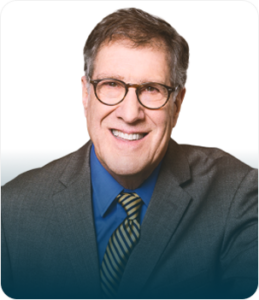
01Harvey SpecterSuits · Gabriel Macht -
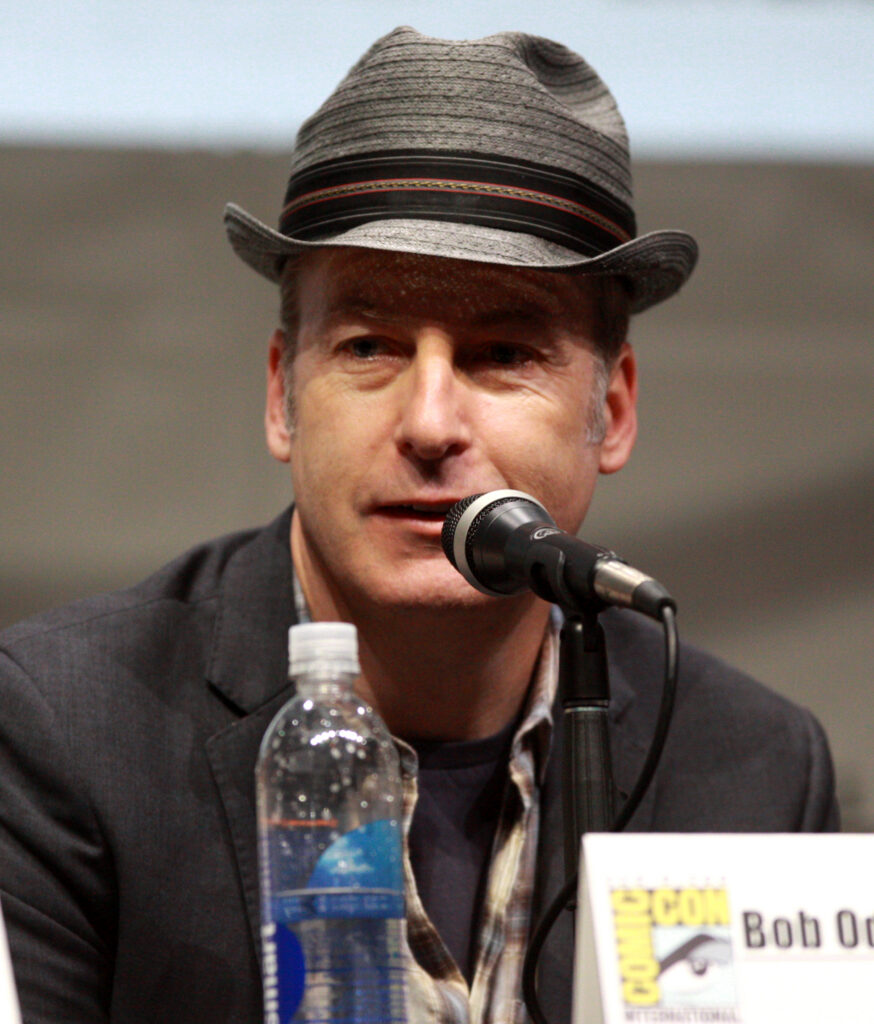

02Saul GoodmanBetter Call Saul · Bob Odenkirk -
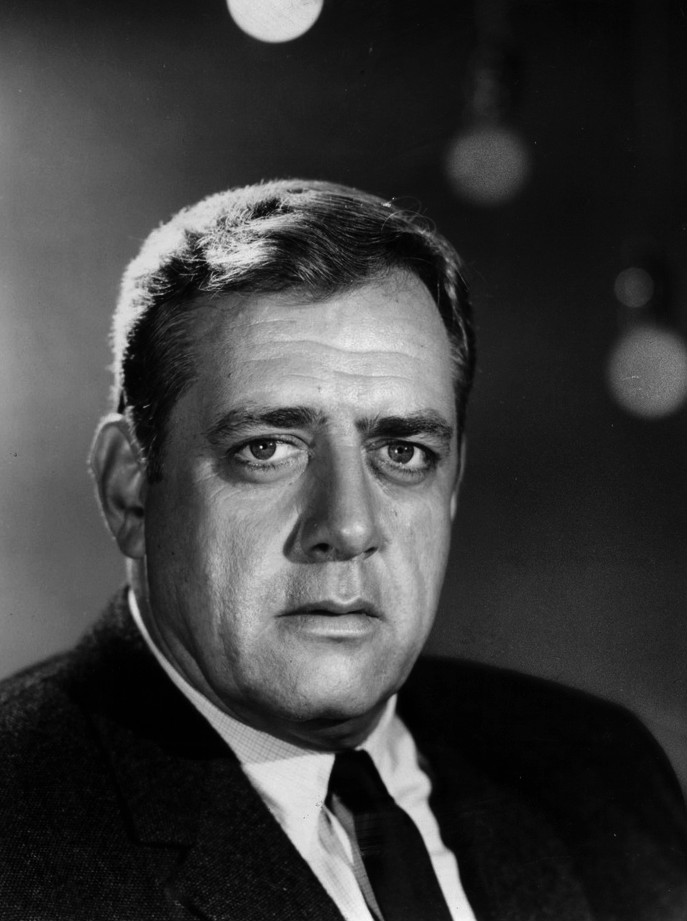

03Perry MasonPerry Mason · Raymond Burr -
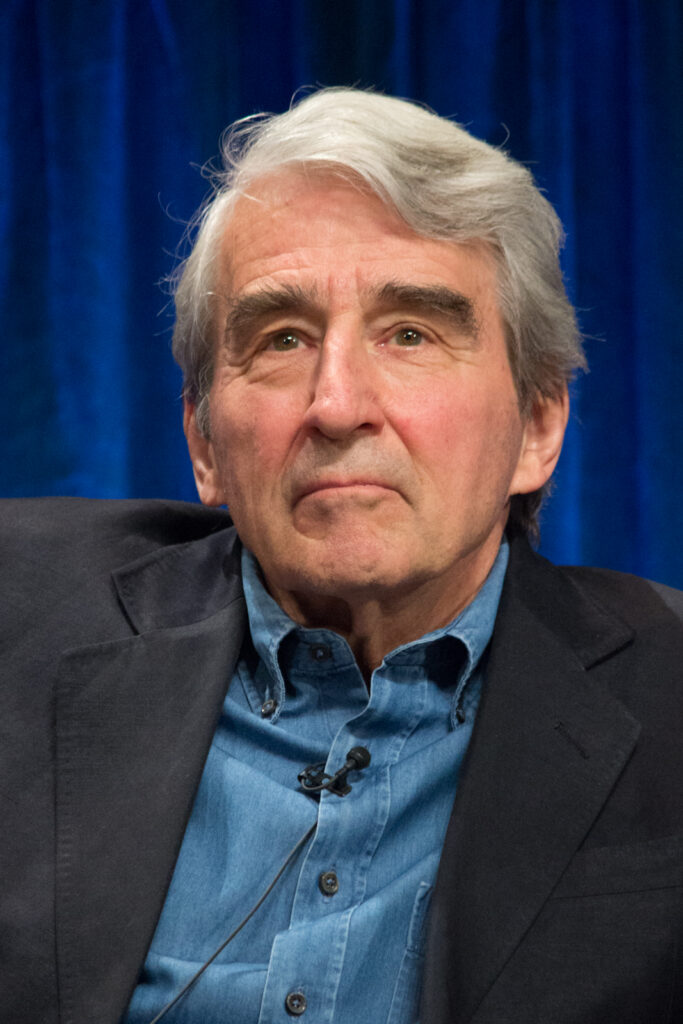

04Jack McCoyLaw & Order · Sam Waterston -
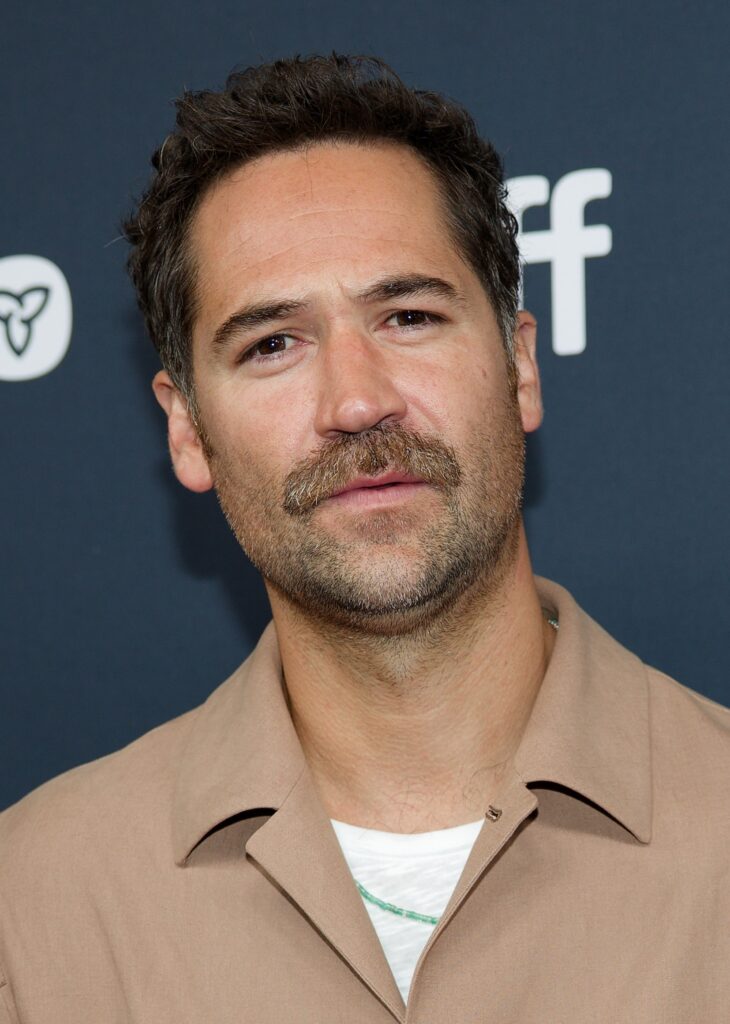

05Mickey HallerThe Lincoln Lawyer · Manuel Garcia-Rulfo
Editorial photographs show the actors, not scenes from the programs. Full credits and reuse licenses appear below.
Now it’s your turn to rule
The editors’ list stays fixed for 2026. This separate readers’ ranking changes as votes arrive, so the audience can disagree with us in public.
One vote per browser each month. No name, email address, or IP address is stored. Cookie controls are a practical deterrent, not a fraud-proof identity system.
The complete top 20
Popularity is not professional competence. Each profile includes the cultural case for the character—and a quick reality check on what television gets wrong.
01 Harvey Specter
Harvey combines immaculate confidence, fierce loyalty, sharp negotiation, and enough vulnerability to keep him from becoming a walking suit advertisement. He was already the defining character of Suits, but the show’s streaming revival pushed him into another tier. Nielsen reported 57.7 billion U.S. streaming minutes for Suits in 2023, then the highest annual total it had measured for a streaming title.
Reality check: Major corporate matters are usually won through teams, research, documentation, and patient negotiation—not hallway ultimatums seconds before a deadline.
02 Saul Goodman
Saul Goodman is the loud-suit, fast-slogan version of Jimmy McGill, a resourceful lawyer whose need for approval gradually curdles into self-destruction. Better Call Saul gave a comic supporting character a tragic inner life and made him one of television’s great antiheroes.
Reality check: Saul is compelling television and a professional-responsibility nightmare. Evidence tampering, conflicts, deception, and helping clients commit crimes can end a career and lead to prosecution.
03 Perry Mason
Perry Mason is the foundation beneath nearly every unbeatable television defense attorney who followed. Calm, prepared, and one question ahead, Burr’s Mason blended courtroom advocacy with detective work and made the last-minute revelation a legal-drama institution. Burr won two Emmys for the role.
Reality check: Surprise confessions from the real culprit are rare. Strong defense work is built through investigation, discovery, motions, expert analysis, and careful testing of the evidence.
04 Jack McCoy
Jack McCoy brought urgency and moral friction to the prosecution half of Law & Order. He joined in 1994 and remained a franchise presence for more than 400 episodes. His 2024 departure closed a remarkable three-decade run without resolving the tension that made him interesting: the passion to pursue justice and the immense power of prosecutorial discretion.
Reality check: Prosecutors make consequential charging, plea, and trial decisions, but real cases rarely move from arrest to verdict at television speed.
05 Mickey Haller
Mickey brings old-school defense instincts to a modern Los Angeles legal thriller. His Lincoln-based office is the hook; the character lasts because he is strategic, wounded, charming, and willing to work a case from angles others miss. Netflix reported 59 million global views across seasons of The Lincoln Lawyer in the first half of 2026.
Reality check: Lawyers can work on the move, but client confidentiality, secure records, deadlines, and reliable support systems matter more than a memorable vehicle.
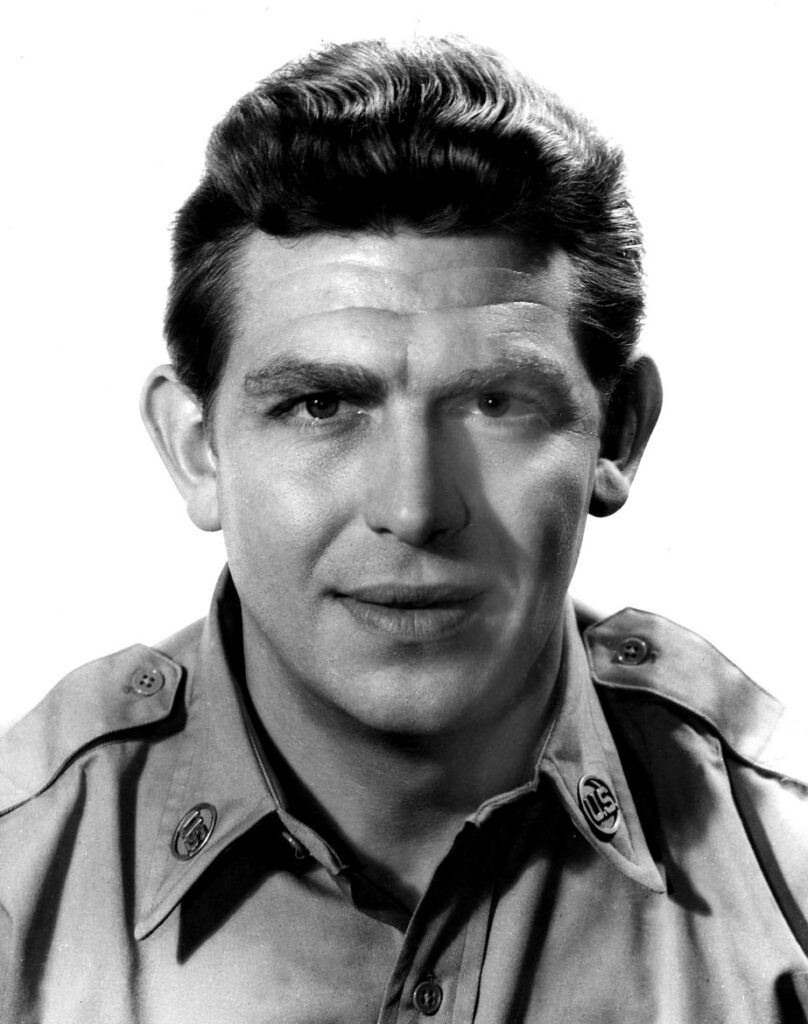
06 Ben Matlock
Ben Matlock’s plainspoken manner hides a relentless investigator and devastating cross-examiner. Griffith made him reassuring without making him soft, creating one of television’s most durable defense attorneys. The current Matlock has a different lead and premise, but its title relies on the original character’s lasting recognition.
Reality check: Defense lawyers often work closely with investigators. Getting the actual culprit to unravel on the witness stand is the less realistic part.
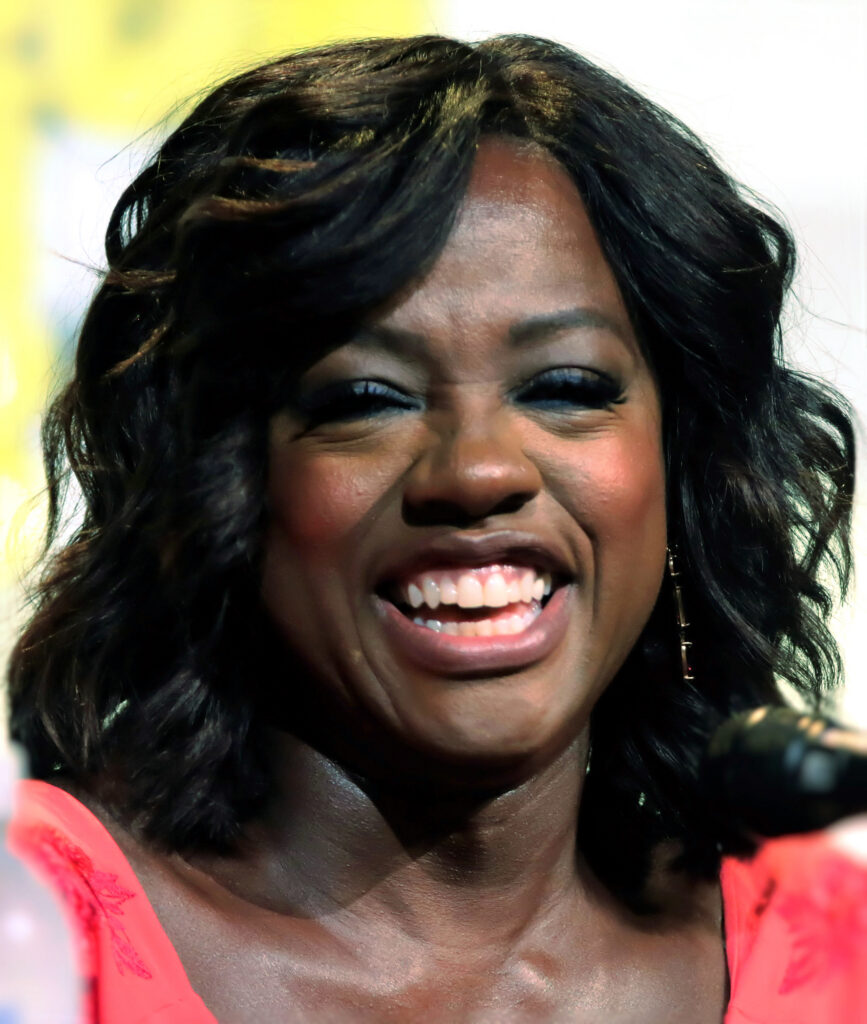
07 Annalise Keating
Annalise can dominate a lecture hall, command a courtroom, and terrify nearly everyone beside her. The twists become operatic, but Davis gives the character emotional and intellectual weight. Davis became the first Black woman to win the Emmy for Outstanding Lead Actress in a Drama Series.
Reality check: Lawyers can teach while maintaining a practice. The conflicts, concealment, witness manipulation, and crimes around Annalise’s team would create consequences far beyond a difficult semester.
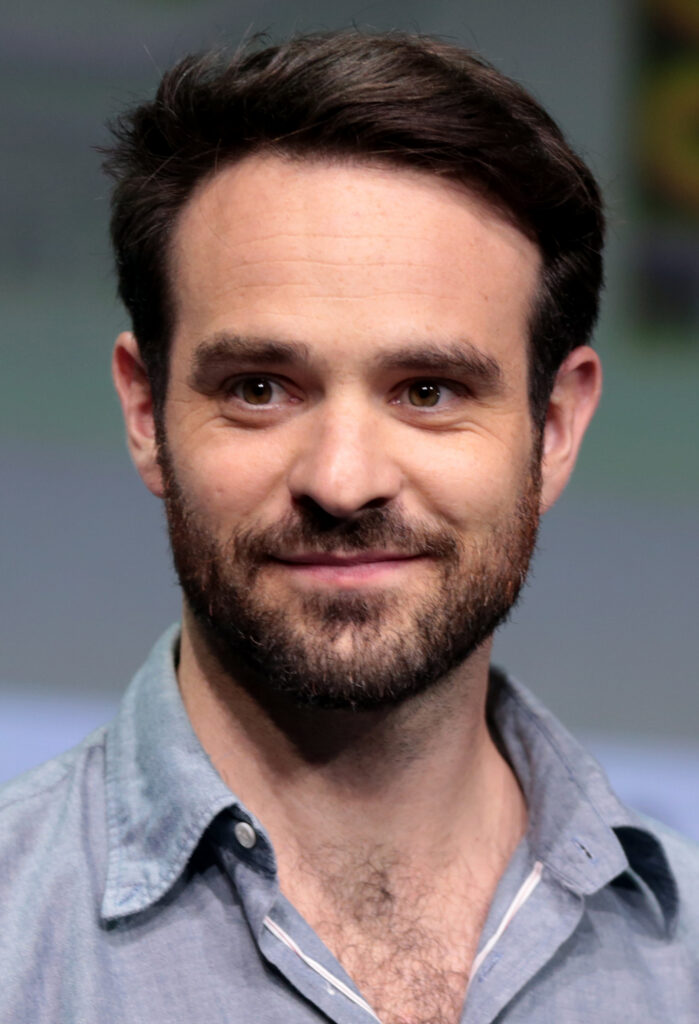
08 Matt Murdock
Matt Murdock fights for Hell’s Kitchen in two identities: as an attorney and as Daredevil. His courtroom work gives the superhero story a human center, while his divided life poses a question few fictional lawyers face: can someone pursue justice through the legal system while secretly operating outside it? The character gained fresh visibility with Daredevil: Born Again Season 2 in 2026.
Reality check: Community-centered and pro bono advocacy are real. Masked vigilantism is not an alternative dispute-resolution system.
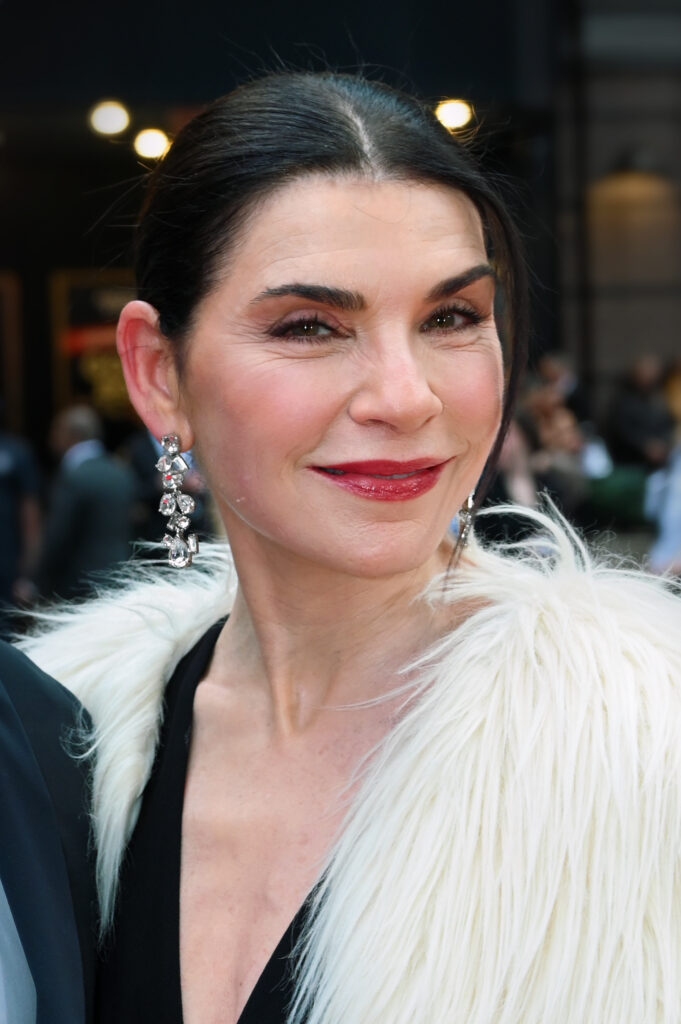
09 Alicia Florrick
Alicia begins by returning to legal work after years away and becomes a formidable lawyer, strategist, and political figure. Her appeal comes from evolution rather than fixed quirks: success changes her, sometimes uncomfortably. The show also paid unusual attention to client development, firm politics, technology, judges, and compromise.
Reality check: Career reentry, office competition, client pressure, and ambiguous choices are among the show’s more grounded elements. Its case timelines are less ordinary.
10 Ally McBeal
Ally helped turn the law office into a surreal emotional landscape where cases, relationships, fantasy sequences, and music occupied the same world. She was never designed to be the definitive model of trial advocacy; her importance lies in how completely the series broke with the sober legal dramas around it.
Reality check: Lawyers bring their full emotional lives to work. Judges, colleagues, and courtrooms are generally less accommodating of spontaneous fantasy logic.
11 Denny Crane
Denny treats his own name as an argument, a credential, and sometimes a complete sentence. Beneath the swagger, Boston Legal reveals a celebrated lawyer confronting age, illness, friendship, and fading certainty. Alan Shore is often the stronger advocate, but Denny is the show’s most instantly recognizable creation.
Reality check: Reputation can shape a career, but it does not excuse harassment, conflicts, impaired judgment, or other serious professional-responsibility problems.
12 Jackie Chiles
Jackie appears in only a fraction of Seinfeld, yet every consultation feels like a high-speed closing argument. Kramer repeatedly hands him promising claims, then destroys them through impatience, disclosure, or an inability to wait for the full offer. Jackie’s escalating outrage and elaborate phrasing made him a classic recurring comedy lawyer.
Reality check: A client can seriously damage a case by speaking carelessly, destroying evidence, ignoring advice, or accepting a deal before understanding its terms.
13 Lionel Hutz
Lionel Hutz is what happens when every bad-lawyer warning becomes one character. His office, advertising, preparation, side jobs, and understanding of the law are all suspect. That total incompetence is why he remains beloved: no setback is severe enough to stop him from printing another business card.
Reality check: Almost everything Hutz does is a red flag. Verify a real attorney’s license, experience, fee agreement, communication practices, and disciplinary history before hiring.
14 Patty Hewes
Patty is brilliant, controlled, and frighteningly willing to treat people as pieces on a litigation board. Damages uses major civil cases to explore power, loyalty, mentorship, and corruption, with Patty often becoming more dangerous than the opponents she pursues.
Reality check: Complex civil litigation can involve enormous pressure and long strategic campaigns. Intimidation, concealment, and personal manipulation remain unethical—and may be illegal.
15 Arnie Becker
Longtime readers may remember Arnie as this page’s former number-one choice. Our updated method moves him down, but not out. His confidence, charm, messy personal life, and emotionally charged practice helped make L.A. Law a defining ensemble drama of the 1980s.
Reality check: Family-law matters can be intensely personal. A lawyer’s boundaries, judgment, and ability to keep personal interests separate from client work are essential.
16 Elsbeth Tascioni
Elsbeth turns apparent distraction into an investigative advantage. Introduced as an unconventional but formidable attorney, she became distinctive enough to lead her own lighter mystery series. CBS lists three seasons of Elsbeth through 2026, giving her one of the strongest current-visibility signals here.
Reality check: Careful observation and unexpected questions are valuable legal skills. An attorney working so informally inside police investigations is much less typical.
17 Dan Fielding
Dan began as a vain, ambitious prosecutor whose schemes routinely collapsed in a Manhattan night court. Larroquette made him bigger than the joke, winning four consecutive Emmys for the role. The revival gave an older Dan more perspective and moved him to the defense side.
Reality check: Municipal courts handle heavy calendars and serious human problems. The volume is real; the perfectly timed punch lines are not.
18 Jeff Winger
Jeff enters Community as a former lawyer whose invalid undergraduate credential forces him back to school. He begins as someone who can talk his way around almost anything and slowly discovers persuasion is not the same as trust. His lawyerly reflexes—framing, bargaining, and delivering a closing speech—shape nearly every episode.
Reality check: Bar admission depends on real education, truthful disclosures, and character-and-fitness requirements. Fabricated credentials can end a career before the argument starts.
19 Barry Zuckerkorn
Barry has represented the Bluth family for years, which explains a great deal about both Barry and the Bluths. He is inattentive, underprepared, frequently confused, and often dealing with problems of his own. Yet Winkler makes him so familiar that replacing him somehow feels harder than accepting another avoidable disaster.
Reality check: Familiarity is not competence. A business or family facing serious exposure needs attentive counsel with the right experience and enough independence to give unwelcome advice.
20 Harvey Birdman
Harvey Birdman traded superhero work for a law office where classic cartoon characters arrived with employment disputes, criminal accusations, custody problems, and intellectual-property chaos. The series treats absurd premises with just enough legal structure to make the satire work.
Reality check: The show is satire, not precedent. It does occasionally identify the ingredients of real disputes: ownership, contracts, workplace rules, reputation, and clients with facts they forgot to mention.
Honorable mentions
The final cuts included Kim Wexler from Better Call Saul; Alan Shore from Boston Legal; Bobby Donnell from The Practice; Sandy Cohen from The O.C.; Will Truman from Will & Grace; Clair Huxtable from The Cosby Show; and Joyce Davenport, the principled public defender from Hill Street Blues.
Fictional TV lawyers trending in 2026
The all-time list rewards staying power, so a new character needs more than one promising season to displace an established favorite. These lawyers have the strongest current momentum.
Frequently asked questions
Who is the most popular fictional TV lawyer in 2026?
Harvey Specter ranks first in our 2026 editorial list. His original popularity, central role in Suits, and the show’s extraordinary streaming resurgence give him the strongest combination of current visibility and lasting recognition.
Who is the most famous fictional lawyer of all time?
Perry Mason has the strongest claim to the all-time title. Harvey Specter and Saul Goodman may be more visible to many current streaming viewers, but Mason helped establish the popular image of the brilliant television defense attorney.
Who is the best TV lawyer at actually practicing law?
That depends on the case. Perry Mason and Ben Matlock are nearly unbeatable within their shows, Jack McCoy is a formidable prosecutor, and Alicia Florrick is one of television’s more rounded working lawyers. Popularity is not competence—which is fortunate for Saul Goodman and Lionel Hutz.
Is Saul Goodman a real lawyer?
No. Saul Goodman, whose original name is Jimmy McGill, is a fictional character played by Bob Odenkirk. His advertising may resemble real legal marketing, but his conduct should not be treated as a guide to practice.
Was Perry Mason the first lawyer on television?
No. Lawyers appeared on American network television before Perry Mason debuted in 1957. Mason became one of the earliest truly enduring television lawyers and one of the genre’s most influential characters, but he was not the first.
Why is Atticus Finch not on the list?
This ranking focuses on recurring television characters. Atticus Finch is one of the most famous fictional lawyers in literature and film, but he is not primarily identified with an ongoing attorney TV show.
Why include comedy and animated lawyers?
Popularity is not limited to serious courtroom drama. Jackie Chiles, Lionel Hutz, Barry Zuckerkorn, and Harvey Birdman shaped how viewers joke about lawyers, clients, lawsuits, and legal advertising. Their legal skill is questionable; their cultural impact is not.
Photography, licenses, and editorial sources
Photography note: These are editorial portraits of the actors—not character stills—and do not imply that any actor, photographer, studio, or Wikimedia contributor endorses GJEL. Images were cropped and compressed for this layout. Each reused image retains its source and license below.
- Gabriel MachtShoushan Tavlian · CC BY 3.0
- Bob OdenkirkGage Skidmore · CC BY-SA 3.0
- Raymond BurrNBC Television · public domain
- Sam WaterstoniDominick · CC BY-SA 2.0
- Manuel Garcia-RulfoKevin Payravi / WikiPortraits · CC BY-SA 4.0
- Andy GriffithAvery Willard · public domain
- Viola DavisGage Skidmore · CC BY-SA 3.0
- Charlie CoxGage Skidmore · CC BY-SA 3.0
- Julianna MarguliesPhilipRomanoPhoto · CC BY 4.0
Key sources include Nielsen’s 2023 streaming review, Netflix’s first-half 2026 engagement report, official pages from CBS, Marvel, and USA Network, plus Television Academy award records linked in the relevant entries. Measurements are described in their source’s own terms.