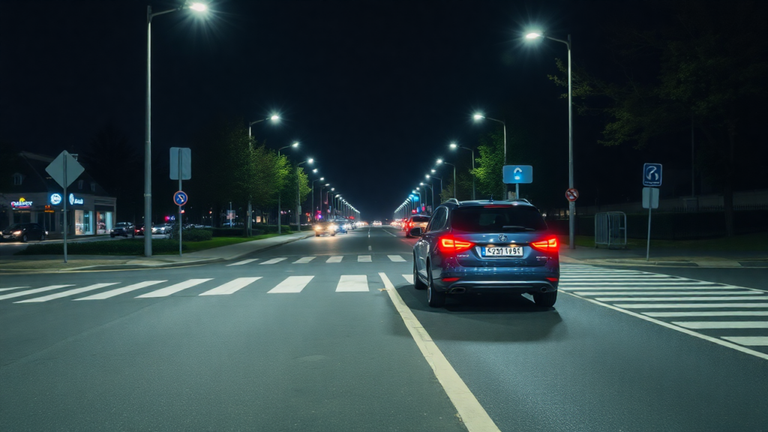
Three people were taken to local hospitals on Saturday afternoon, November 14, 2026, after a vehicle crashed into a McDonald’s restaurant in Oroville. According to CAL FIRE Butte Unit, emergency crews were dispatched at around 3:36 p.m. to the restaurant at the intersection of Oro Dam Boulevard East and Feather River Boulevard after receiving a report that a vehicle had struck the building.
CAL FIRE described the injuries of all three individuals as moderate and non-life-threatening. The agency also reported some damage to the McDonald’s building, though the full extent was not immediately known. Details such as the type of vehicle involved, the identities of those hurt, and whether they were customers, employees, or others have not been released.

Why Vehicle-Into-Building Crashes Cause Serious Harm
Even when injuries are described as moderate, a vehicle striking a commercial building can produce harm that is easy to underestimate in the first hours. People inside or near a restaurant may be hit by the vehicle itself, thrown by the force of the impact, or injured by shattered glass, collapsing fixtures, and debris.
Injuries in these incidents can include fractures, head trauma, deep lacerations, internal injuries, and soft tissue damage that may not fully reveal itself for days or weeks.
Emotional harm matters too. Anyone who experienced a sudden crash in a place where they expected to be safe may struggle with anxiety, sleep disruption, or fear of returning to similar settings. California law recognizes these effects as part of the broader harm a victim may seek to recover.
Who May Be Legally Responsible
Determining responsibility depends on what the investigation uncovers. Under California Civil Code §1714, every person is generally responsible for injuries caused by a lack of ordinary care. If a driver was speeding, distracted, impaired, or otherwise careless, that driver may be held accountable for the resulting harm.
If the crash involved a medical emergency, a mechanical failure, or a pedal error, the analysis can change, and other parties, such as a vehicle owner or a manufacturer, may come into view depending on the facts.
Property owners and operators can also face questions about safety. Businesses with parking areas directly adjacent to dining rooms or storefronts have a duty to maintain reasonably safe premises, and, in some cases, the lot’s design, the placement of protective barriers, or traffic flow near the entrance may be relevant.
Whether any of that applies here is unknown, and no conclusions should be drawn until the facts are established.
California follows a pure comparative fault system, first recognized in Li v. Yellow Cab Co. (1975). This means an injured person can still recover compensation even if they bear some share of responsibility, with the recovery reduced by their percentage of fault.
Insurance also plays a central role. Since January 1, 2025, California’s minimum auto liability limits under Insurance Code §11580.1b are $30,000 per person, $60,000 per accident, and $15,000 for property damage, which can fall well short of the real cost of a serious injury.
How Injury Compensation Is Typically Evaluated
Victims of a negligent crash may pursue economic damages, such as emergency care, ongoing treatment, medication, lost wages, and reduced earning capacity, along with non-economic damages for pain, suffering, and loss of enjoyment of life. Two methods are commonly used to estimate the value of non-economic harm.
The multiplier method adds up a person’s medical expenses and applies a multiplier that reflects the severity and permanence of the injuries, the strength of the liability evidence, and the impact on daily life.
Multipliers commonly discussed in the industry range from 1.5 to 5, though no formula guarantees a result. The per diem method assigns a daily dollar value to a person’s pain and disruption and multiplies it by the number of days the person is expected to be affected.
Insurers and courts weigh both approaches alongside the specific evidence in each case, which is why documented medical records and consistent treatment matter so much.
Steps to Protect Your Rights After a Crash
Anyone injured in this incident or a similar one should prioritize medical care and follow all treatment recommendations. Keeping records of every appointment, bill, and symptom creates a clear picture of how the injury has affected daily life.
Photographs of the scene and injuries, witness names and contact information, and any receipts or lost income documentation can all become important later.
It is also wise to be cautious with insurance adjusters. Early recorded statements or quick settlement offers can undercut a claim before the full extent of the injuries is known.
Time limits apply as well. Under California Code of Civil Procedure §335.1, most personal injury lawsuits must be filed within two years of the injury, and claims involving a government vehicle or entity can require a formal claim within as little as six months under Government Code §911.2.
Speak With GJEL Accident Attorneys About Your Injury Claim
“Being hurt in a place where you expected nothing more than a quick meal is frightening, and the road to recovery can feel overwhelming. If you or someone you love was injured in this crash, please see a doctor and keep every record of your care, even if your injuries seem manageable today. Insurance companies often move quickly, and early offers rarely reflect the full cost of an injury. California law gives you a limited window to act, so speaking with an experienced accident attorney sooner rather than later protects your rights. You focus on healing, and we will handle the rest.” – Andy Gillin, Managing Partner at GJEL Accident Attorneys
With more than 40 years of experience and over $950 million recovered for clients, GJEL Accident Attorneys understands how overwhelming the aftermath of a sudden crash can be.
We handle personal injury cases on a contingency fee basis, which means you pay no attorney fees unless we recover compensation for you. If you or someone you love was hurt in a vehicle crash in Oroville or anywhere in California, call us at 1-855-508-9565 or visit our Sacramento office for a free consultation.