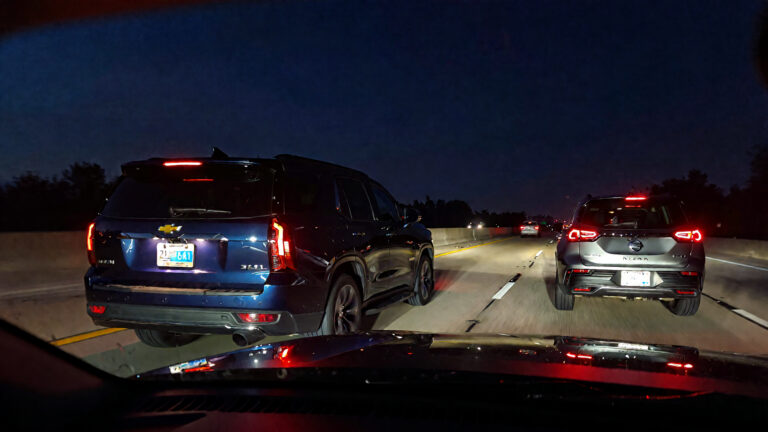
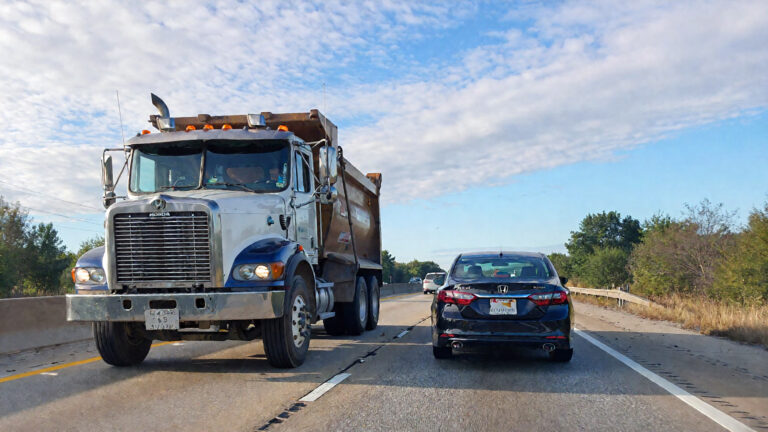
On the evening of Tuesday, August 11, 2026, a low-speed rear-end crash resulted in the death of a driver near Auburn Boulevard and Carriage Drive. The Citrus Heights Police Department reports that the accident took place around 9:00 PM. It can be difficult for families to understand how a low-speed rear-end collision, the kind many drivers experience without serious injury, could result in a fatality.
Yet crashes like the one that occurred near Auburn Boulevard and Carriage Drive on the evening of Tuesday, August 11, 2026, demonstrate that the severity of an accident is not always tied to speed alone. When a medical emergency strikes behind the wheel, even a minor impact can have devastating consequences for both the driver experiencing the emergency and anyone else involved in the collision.
For the Citrus Heights community, this incident is a sobering reminder that traffic fatalities can occur under circumstances that seem, at first glance, far less dangerous than a high-speed crash. As the Citrus Heights Police Department continues its investigation into the events of that evening, families affected by this loss deserve clear answers and compassionate support as they navigate the days and weeks ahead.
What Happened on Auburn Boulevard
Authorities said the crash involved two vehicles, with one rear-ending the other at low speed. The driver who rear-ended the other vehicle was found unresponsive, and fire crews performed life-saving measures at the scene. He was transported to a hospital, where he later died.
Police said it is possible a medical emergency may have contributed to the crash, given the low speed involved. Driving under the influence is not believed to have been a factor. Auburn Boulevard was temporarily closed before reopening to traffic. The identity of the deceased had not been released at the time of reporting.
This tragedy comes amid a difficult year for traffic safety in Citrus Heights, where several fatal collisions have already been reported on and around Auburn Boulevard in 2026.
Understanding Comparative Negligence in California
California law follows the principle of comparative negligence. This means that even if a driver is found partially at fault for an accident, their surviving family members may still pursue compensation if another party’s negligence contributed to the crash.
Investigators with California law enforcement examine factors such as the driver’s medical condition and the circumstances of the collision to determine whether negligence played any role. Comparative negligence, codified in principle through California Civil Code §1714, allows fault to be divided between multiple parties, with any recovery reduced by the percentage of fault attributed to the deceased driver, if any.
In a case like this one, where a medical emergency may have contributed to the crash, determining fault is rarely straightforward. California’s comparative negligence system does not require a single, clear-cut cause of an accident before a family can pursue compensation.
Instead, investigators and attorneys look at the full picture, including whether the driver who experienced the medical emergency had any prior warning signs, whether proper vehicle maintenance played a role, or whether any other factors, such as roadway conditions or the actions of the other vehicle involved, contributed to the outcome.
Even when a driver’s health crisis appears to be the primary cause, other contributing factors can still open the door to a valid claim. This is why a thorough, independent investigation matters. Families should not assume that a preliminary police statement about a possible medical emergency closes the door on accountability or compensation, since a deeper review of the evidence often reveals additional contributing factors that support a family’s right to pursue damages.
Pursuing a Wrongful Death Claim
Regardless of the findings, the family of the deceased may have the right to pursue a wrongful death claim. Under California Code of Civil Procedure §377.60, certain surviving family members, including a spouse, domestic partner, children, or other dependents, may bring a wrongful death action when a death results from another party’s negligence.
A wrongful death claim can provide the family with compensation for funeral expenses, loss of financial support, loss of consortium, and other damages related to the fatal accident. Additionally, California Code of Civil Procedure §377.30 allows a decedent’s estate to pursue a survival action for damages the deceased could have claimed had they lived, such as pain and suffering experienced before death.
Because Citrus Heights is a city within Sacramento County, and the roadway in question is under the jurisdiction of the City of Citrus Heights, any government liability claims (for example, related to roadway design or signal timing at the intersection) would also need to comply with the claim-filing requirements under California Government Code §835, which governs liability for dangerous conditions of public property.
Family members should also be aware of California’s statute of limitations. Under Code of Civil Procedure §335.1, most wrongful death and personal injury claims must be filed within two years of the incident, though this can vary depending on the circumstances, including claims against a government entity, which have a much shorter filing deadline.
Calculating Potential Compensation
Families grieving the loss of a loved one often want to understand what a wrongful death claim might be worth. While every case is different, attorneys typically evaluate damages using two accepted methods.
The Multiplier Method: This approach takes the total of a family’s economic damages, such as lost income, funeral costs, and medical expenses, and multiplies that figure by a number (often between 1.5 and 5) that reflects the severity of the loss and its impact on the family.
The Per Diem Method: This method assigns a specific dollar value to each day the family will be affected by the loss, then multiplies that value by the number of days the harm is expected to continue.
These methods can help provide a starting point for settlement discussions, but the final value of a claim depends on many factors, including the strength of the evidence, insurance policy limits, and the degree of fault assigned to each party.
Rear-End Crash Settlement Calculators: Estimating the Value of a Claim
For families trying to understand what a wrongful death or personal injury claim resulting from a rear-end crash might be worth, a rear-end accident settlement calculator can offer a helpful starting point. These tools typically rely on the multiplier method or the per diem method to translate a family’s losses into an estimated dollar figure.
The multiplier method takes economic damages, such as funeral expenses, lost income, and medical bills, and multiplies that total by a number reflecting the severity and long-term impact of the loss. The per diem method instead assigns a daily dollar value to the harm suffered and multiplies it by the number of days the family is expected to feel its effects.
While these calculators can give grieving families a general sense of scale, they cannot account for every nuance of a case, such as comparative fault, insurance policy limits, or the strength of available evidence.
For that reason, a settlement calculator should be treated as an educational tool rather than a final answer, and families are encouraged to speak with an experienced attorney who can evaluate the full circumstances of their case and pursue the compensation they truly deserve. Call us now at +1-866-218-3776 to speak with the experts.
Take Action Today – Get the Help You Deserve
“Losing a loved one in a crash that seems, on the surface, to be a low-speed accident can leave a family with more questions than answers. When a medical emergency may have played a role, families deserve a thorough, compassionate investigation into every factor that contributed to the loss, not assumptions. I’ve spent more than 40 years fighting for families across California who have lost someone in circumstances just like this, and I want the Citrus Heights community to know that support is available while they grieve.” – Andy Gillin, GJEL Accident Attorneys
No family should have to face the financial burden of a wrongful death claim on top of an unimaginable loss. That is why GJEL Accident Attorneys works on a strict contingency fee basis: you pay absolutely nothing upfront, and we only get paid if we win your case.
There are no hidden costs, no retainer fees, and no financial risk to your family during an already devastating time. With more than 40 years of experience and over $950 million recovered for injured victims and grieving families across California, our team is prepared to investigate every detail of this crash, hold negligent parties accountable, and fight for the full compensation your family deserves.
Call +1-866-218-3776 today for a free, no-obligation consultation, or visit our Fairfield office to learn more. Your family has already lost enough. Let us carry the legal burden so you can focus on healing.
Local Resources for Citrus Heights Families
Families affected by this crash, or anyone seeking more information about the collision or the investigation process, may find the following agencies helpful:
Citrus Heights Police Department
The lead agency is investigating this collision. Handles crime reporting, records requests, and non-emergency assistance for residents.
6315 Fountain Square Drive, Citrus Heights, CA 95621
Phone: (916) 727-5500 (non-emergency, 24/7) | Emergency: 911
Report a crime online: citrusheights.net/250/How-to-Report-a-Crime
Department homepage: citrusheights.net/1254/Police-Department
California Highway Patrol – Valley Division
While CHPD is handling this particular case, CHP investigates many traffic collisions on state highways and unincorporated roadways throughout Sacramento County and can assist with report requests for incidents outside city jurisdiction.
Valley Division Headquarters: 2555 1st Avenue, Sacramento, CA 95818 | Phone: (916) 731-6300
East Sacramento Area Office: 11336 Trade Center Drive, Rancho Cordova, CA 95742 | Phone: (916) 464-1450
Traffic collision report requests and safety information: chp.ca.gov/traffic
Find your local CHP office: chp.ca.gov/find-an-office
Sacramento County Coroner’s Office
Handles identification, notification of next of kin, and release of information regarding the deceased.
4800 Broadway, Suite 100, Sacramento, CA 95820
Phone: (916) 874-9980
Website: coroner.saccounty.gov
Sacramento County District Attorney – Victim/Witness Assistance Program
Offers free crisis counseling, court accompaniment, help applying for victim compensation, and a support group for families of homicide and traffic fatality victims.
Phone: (916) 874-6218
Website: sacda.org/victim-services/victim-witness-assistance-program
California Victim Compensation Board (CalVCB)
Provides financial assistance to eligible families for funeral, burial, and related expenses that are not covered by insurance or other sources.
Phone: 1-800-777-9229
Website: victims.ca.gov
Mercy San Juan Medical Center
The Level II Trauma Center serves the Citrus Heights area, where victims of serious roadway collisions are frequently transported.
6501 Coyle Avenue, Carmichael, CA 95608
Phone: (916) 967-3902
Website: dignityhealth.org/sacramento/locations/mercy-san-juan-medical-center
City of Citrus Heights – Public Works & Traffic Engineering
Oversees roadway design, signal timing, and traffic safety improvements along corridors like Auburn Boulevard, including the city’s recent multimillion-dollar safety corridor upgrades.
6360 Fountain Square Drive, Citrus Heights, CA 95621
Website: citrusheights.net