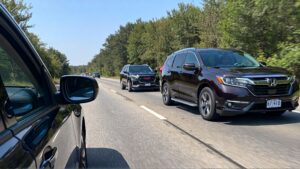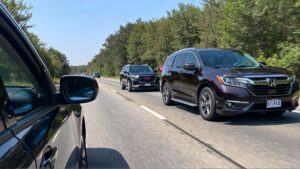
Emergency responders rushed to US-101 North near Central Avenue in King City, California, during the early morning hours of December 3, 2025, following reports of a traffic collision. The incident, which occurred at approximately 1:40 AM, prompted an immediate response from the California Highway Patrol and local emergency services.
Multiple units converged on the scene within minutes of the initial dispatch, with CHP officers, paramedics, and fire personnel working in coordinated fashion to secure the crash site and provide assistance to those involved. The collision required lane closures on the northbound side of the highway, affecting early morning traffic through this section of southern Monterey County.

Incident Details and Location
The collision took place on the northbound lanes of US-101 near the Central Avenue exit in King City. This section of highway serves as a critical transportation corridor through Monterey County, connecting communities throughout California’s Central Coast region. The early morning timing of the crash resulted in a reduced traffic volume, although responders still needed to implement traffic control measures to ensure scene safety.
King City, situated in southern Monterey County, is located along a heavily traveled stretch of US-101 that experiences significant commercial and passenger vehicle traffic throughout the day and night. The Central Avenue exit provides access to King City’s downtown area and serves as an essential junction for residents and travelers.
The specific location of the collision near the Central Avenue exit places it within a transition zone where highway traffic may be adjusting speeds for potential exits or merges. This area of US-101 features standard highway lighting and clear lane markings, though visibility conditions during the pre-dawn hours can vary depending on weather and fog presence.
The northbound lanes at this location typically accommodate steady traffic flow, with the right lane serving vehicles preparing to exit. In contrast, the left lanes carry through traffic continuing north toward Salinas and the greater Monterey Bay area. Highway conditions at the time of the collision are part of the ongoing CHP investigation, with officers examining whether roadway factors, lighting conditions, or other environmental elements contributed to the incident.
The collision site sits approximately 165 miles south of San Francisco and 50 miles southeast of Monterey, positioning it along a route frequently traveled by both regional commuters and long-distance travelers moving between Southern California and the Bay Area.
Emergency Response and Scene Management
California Highway Patrol officers arrived on the scene shortly after receiving notification of the collision. Local emergency services, including paramedics and fire personnel, also responded to provide medical assistance and ensure scene safety. Emergency crews worked systematically to secure the area, assess injuries, and begin the process of clearing the roadway.
Paramedics evaluated individuals at the scene to determine the extent of any injuries sustained in the collision. At least one vehicle involved in the crash required towing services, indicating significant vehicle damage. Emergency responders established traffic control measures to protect both crash victims and responding personnel while working in the active highway environment.
Traffic was significantly impacted during the early morning hours as crews conducted their response operations. The collision occurred during a period of reduced traffic volume, which likely helped responders manage the scene more effectively than would have been possible during peak travel times.
Investigation and Preliminary Findings
The California Highway Patrol is leading the investigation into the circumstances surrounding this collision. CHP investigators are working to determine the factors that contributed to the crash, including vehicle speeds, road conditions, driver behavior, and any potential mechanical issues.
According to preliminary reports from the scene, details surrounding the collision are still emerging. Investigators will examine physical evidence from the crash site, including vehicle positions, debris patterns, skid marks, and roadway damage. They may also review any available surveillance footage or dashcam video that captured the incident.
The investigation process will include interviews with involved parties, witnesses, and emergency responders who arrived on scene. CHP investigators will compile these findings into a comprehensive collision report that documents the circumstances and contributing factors of the crash.
Understanding Highway Collision Investigations in California
California Highway Patrol investigators follow established protocols when examining traffic collisions on state highways. These investigations serve multiple purposes: determining fault and liability, identifying safety hazards, and gathering evidence that may be used in legal proceedings.
Investigators examine various factors that could contribute to highway collisions:
Roadway Conditions: CHP officers assess pavement conditions, visibility factors, lighting, signage, and any potential hazards present at the collision location. Early morning hours can present unique challenges, including reduced visibility and potential fog conditions common in California’s Central Coast region.
Vehicle Factors: Investigators examine the vehicles involved for mechanical issues, maintenance problems, or defects that might have contributed to the collision. They document vehicle damage patterns to help reconstruct the sequence of events.
Human Factors: Driver behavior plays a critical role in most traffic collisions. Investigators consider factors such as speed, following distance, lane positioning, and compliance with traffic laws. They also evaluate whether impairment, distraction, or fatigue may have contributed to the crash.
Environmental Conditions: Weather, time of day, and traffic volume all influence collision risk. Early morning hours on US-101 can present specific challenges, including reduced visibility and the presence of commercial vehicles traveling overnight routes.
Legal Rights Following Highway Collisions in California
Individuals injured in highway collisions have necessary legal rights under California law. Understanding these rights helps crash victims protect their interests and pursue appropriate compensation for their injuries and losses.
Right to Medical Treatment: Collision victims have the right to seek necessary medical care for their injuries. California’s personal injury laws ensure that responsible parties can be held financially accountable for medical expenses incurred as a result of negligent conduct.
Right to Investigation: Victims have the right to conduct their own investigation of the collision, separate from the official CHP investigation. This may include hiring accident reconstruction experts, obtaining witness statements, and preserving physical evidence.
Right to Legal Representation: California law allows collision victims to retain legal counsel to protect their interests. Personal injury attorneys can advocate for victims during insurance negotiations and, if necessary, in court proceedings.
Right to Fair Compensation: When another party’s negligence causes a collision, victims have the right to pursue compensation for various damages, including medical expenses, lost wages, property damage, pain and suffering, and other collision-related losses.
California Highway Safety and US-101 Traffic Patterns
US-101 serves as one of California’s most important transportation corridors, running the length of the state from the Oregon border to Los Angeles County. The highway carries a mix of local commuters, long-distance travelers, and commercial vehicles transporting goods throughout California.
The section of US-101 running through King City and southern Monterey County experiences varied traffic patterns. While daytime hours experience a steady traffic flow with both passenger and commercial vehicles, nighttime and early morning hours typically have reduced volumes, but a higher proportion of commercial trucks and long-distance travelers.
California’s highway safety initiatives focus on reducing collision frequency and severity through various measures:
Enhanced Enforcement: The CHP maintains a regular patrol presence on US-101 to enforce traffic laws and respond promptly to collisions and other incidents.
Infrastructure Improvements: Caltrans continually works to improve highway safety through roadway maintenance, lighting upgrades, and signage improvements.
Public Education: Safety campaigns remind drivers about the importance of safe speeds, following distances, and avoiding impaired or distracted driving.
Common Causes of Highway Collisions in California
Highway collisions result from various factors, often involving a combination of circumstances:
Excessive Speed: Driving too fast for the conditions reduces reaction time and increases the severity of collisions. Speed-related crashes are particularly dangerous on highways where travel speeds are already elevated.
Following Too Closely: Inadequate following distance prevents drivers from reacting appropriately when traffic ahead slows or stops suddenly.
Impaired Driving: Alcohol and drug impairment significantly increase collision risk by affecting judgment, reaction time, and motor control. DUI crashes remain a serious concern on California highways, particularly during late-night and early-morning hours.
Distracted Driving: Cell phone use, eating, adjusting controls, and other distractions divert attention from the critical task of operating a vehicle safely.
Fatigued Driving: Drowsy driving creates risks comparable to impaired driving. Commercial drivers and others traveling long distances face particular fatigue-related risks during overnight hours.
Poor Vehicle Maintenance: Inadequate maintenance of brakes, tires, lights, and other critical systems can contribute to collision risk.
The Role of Personal Injury Attorneys in Highway Collision Cases
When highway collisions result in injuries, personal injury attorneys play an essential role in protecting victims’ rights and interests. These legal professionals are well-versed in the complexities of California traffic laws, insurance regulations, and personal injury claims.
Personal injury attorneys provide several valuable services:
Case Evaluation: Attorneys assess the circumstances of the collision to determine liability and evaluate the potential value of claims.
Evidence Gathering: Legal teams conduct thorough investigations, obtaining police reports, medical records, witness statements, and other relevant evidence to support the claim.
Expert Consultation: Attorneys work with accident reconstruction specialists, medical experts, and economists to build comprehensive cases demonstrating the full extent of injuries and losses.
Insurance Negotiation: Experienced attorneys negotiate with insurance companies to pursue fair settlements that adequately compensate victims for their injuries and losses.
Litigation Representation: When fair settlements cannot be reached through negotiation, attorneys are prepared to represent clients in court proceedings.
Understanding Compensation in California Highway Collision Cases
California law allows collision victims to pursue various forms of compensation when another party’s negligence causes their injuries:
Economic Damages: These compensate for financial losses, including medical expenses, rehabilitation costs, lost wages, reduced earning capacity, and property damage. Monetary damages are calculated based on actual costs and documented financial losses.
Non-Economic Damages: These address intangible losses such as pain and suffering, emotional distress, loss of enjoyment of life, and permanent disability or disfigurement.
Wrongful Death: When highway collisions result in fatalities, surviving family members may pursue wrongful death claims for funeral expenses, loss of financial support, loss of companionship, and other damages.
The value of highway collision cases varies significantly depending on the severity of injuries, long-term impacts, and the specific circumstances of each case. Serious collisions often result in life-changing injuries requiring extensive medical treatment, long-term rehabilitation, and permanent lifestyle modifications.
GJEL Accident Attorneys’ Commitment to California Highway Collision Victims
GJEL Accident Attorneys has represented California collision victims for decades, building a reputation for thorough case preparation, aggressive advocacy, and successful results. Our attorneys understand the devastating impact highway collisions have on victims and their families.
Highway collisions, particularly those occurring during early morning hours, can result from various factors, including driver fatigue, impairment, or distraction. Victims deserve thorough investigations to determine what happened and who bears responsibility. Our firm is committed to holding negligent parties accountable and ensuring our clients receive the compensation they need to move forward with their lives.
GJEL’s approach to highway collision cases includes:
Comprehensive Investigation: Our legal team conducts detailed investigations, working with accident reconstruction experts and other specialists to establish the facts of each case.
Personalized Attention: We recognize that each collision is unique, and we tailor our approach to the specific circumstances and needs of each client.
Resources and Experience: Our firm possesses the resources to handle complex cases involving serious injuries, and our attorneys have extensive courtroom experience when litigation becomes necessary.
No-Fee Guarantee: GJEL operates on a contingency fee basis, meaning clients pay no attorney fees unless we successfully recover compensation on their behalf.
Estimating Highway Collision Case Values
While each collision case is unique, understanding the factors that influence case values helps victims set realistic expectations. Several elements affect potential compensation:
Injury Severity: More serious injuries resulting in extensive medical treatment, permanent disability, or long-term complications typically justify higher compensation values.
Liability Clarity: Cases with clear evidence of liability generally achieve better results than those where fault is disputed.
Insurance Coverage: The availability of insurance coverage limits affects recovery potential, although additional sources of compensation may exist in some cases.
Economic Losses: Documented medical expenses, lost wages, and other financial losses form the foundation of economic damage calculations.
Non-Economic Impacts: The subjective nature of pain, suffering, and loss of enjoyment of life makes these damages more variable, but they represent an essential component of full compensation.
Long-Term Prognosis: Injuries requiring ongoing treatment or resulting in permanent limitations justify higher compensation than those with complete recovery prospects.
GJEL maintains a settlement calculator tool on our website to help collision victims understand the potential value of their cases. While this tool provides general guidance, actual case values depend on the specific facts and circumstances of each situation.
Necessary Steps Following a Highway Collision
If you’re involved in or witness a highway collision, taking appropriate steps protects both safety and legal rights:
Ensure Safety: Move to a safe location if possible, turn on hazard lights, and set out warning triangles or flares if available.
Call 911: Report the collision immediately to ensure a prompt and appropriate emergency response.
Document the Scene: If safe to do so, photograph vehicle positions, damage, road conditions, and any other relevant details.
Exchange Information: Obtain contact and insurance information from other involved parties, but avoid admitting fault or making detailed statements about the collision.
Seek Medical Attention: Even if injuries seem minor, get evaluated by medical professionals, as some conditions may not be immediately apparent.
Report to Insurance: Notify your insurance company about the collision, but consider consulting with an attorney before providing detailed statements.
Preserve Evidence: Keep all documents related to the collision, including police reports, medical records, and repair estimates.
Consult an Attorney: Contact a personal injury attorney to discuss your rights and options, particularly if you’ve sustained injuries.
Catastrophic Injury Settlement Calculators and Computing Settlement Values
Catastrophic injury settlement calculators serve as valuable tools for helping collision victims and their families understand the potential compensation they may be entitled to receive following serious highway accidents. These calculators take into account multiple factors that influence settlement values, including medical expenses (both past and projected), lost wages and diminished earning capacity, property damage, and the often substantial non-economic damages associated with catastrophic injuries, such as pain and suffering, emotional distress, and loss of quality of life.
When computing settlement values for severe highway collision cases, the calculator considers the severity and permanence of injuries, whether victims face ongoing medical treatment or require long-term care, the impact on the victim’s ability to work and earn income, and how the injuries affect daily living activities and relationships.
For catastrophic injuries resulting from highway collisions—such as traumatic brain injuries, spinal cord damage, severe burns, multiple fractures, or injuries requiring amputation—settlement values typically reach into the hundreds of thousands or millions of dollars due to the life-altering nature of these injuries. The calculator helps victims understand that economic damages form just one component of their claim, with non-economic damages often representing a significant portion of the total settlement, particularly in cases involving permanent disability or disfigurement.
While these calculators provide helpful estimates based on typical case outcomes and established legal principles, it’s essential to recognize that each collision case is unique. Actual settlement values depend on specific factors, including the strength of the liability evidence, available insurance coverage, the skill of the legal representation, and the jurisdiction in which the case is filed.
GJEL Accident Attorneys offers a comprehensive settlement calculator on its website, helping California collision victims gain realistic expectations about their case values. However, we always recommend speaking directly with an experienced attorney who can evaluate the specific circumstances of your case and provide personalized guidance on the compensation to which you are entitled. Call us now at +1-866-218-3776 to speak with our experts.
Take Action Today – Get the Help You Deserve
“Early morning highway collisions like this one often involve complex factors that aren’t immediately apparent at the scene—whether it’s driver fatigue, inadequate lighting, road conditions, or another vehicle’s negligence. If you or a loved one was injured in this King City crash, it’s crucial to seek medical attention right away, even if your injuries seem minor at first. Many serious conditions don’t show symptoms immediately. It’s also important to document everything you can and speak with an experienced attorney before giving recorded statements to insurance companies. These companies often move quickly to minimize their payouts, but you deserve full compensation for your medical bills, lost wages, pain and suffering, and other losses. At GJEL, we’ve spent decades fighting for collision victims throughout California, and we handle cases on a contingency fee basis—meaning you pay nothing unless we win your case. No one should face the aftermath of a serious accident alone, and we’re here to help you navigate this difficult time and hold the responsible parties accountable.”- Andy Gillin, GJEL Accident Attorneys
If you or a loved one has been injured in the King City US-101 collision or any highway accident in California, don’t wait to protect your legal rights—contact GJEL Accident Attorneys today for a free, no-obligation consultation. Time is critical in personal injury cases, as evidence can disappear, witnesses’ memories fade, and California’s statute of limitations places strict deadlines on when you can file a claim.
What sets GJEL apart is our unwavering commitment to accessibility and justice through our contingency fee structure—you pay absolutely nothing upfront, no retainer fees, no hourly charges, and no out-of-pocket expenses while we work on your case. We only get paid if we successfully recover compensation for you, which means we’re fully invested in achieving the best possible outcome for your case.
This no-win, no-fee approach ensures that even those facing mounting medical bills and lost income can access the same caliber of aggressive, experienced legal representation that insurance companies and corporate defendants employ. Our team of seasoned trial attorneys has secured hundreds of millions of dollars in settlements and verdicts for California accident victims over our decades of practice, and we’re ready to put that experience to work for you.
Don’t let financial concerns prevent you from seeking the justice and compensation you deserve—your initial consultation is entirely free and confidential, with no pressure and no obligation. Contact us now at +1-866-218-3776 or visit our Walnut Creek office to schedule a consultation and discover how we can assist you in navigating this challenging time, hold negligent parties accountable, and secure the resources you need for your recovery and future.
Local Resources for King City and Monterey County Residents
Individuals affected by the US-101 collision can access various local resources for assistance, information, and support:
California Highway Patrol – Monterey Area Office
1064 Skypark Drive
Salinas, CA 93905
Non-Emergency: (831) 770-8000
Emergency: 911 Website: www.chp.ca.gov
The CHP Monterey Area Office handles traffic collision investigations on US-101 and other state highways throughout Monterey County. Collision victims can request official traffic collision reports through the CHP’s online portal or by visiting the office in person. Reports are typically available 10-14 days after the incident.
King City Police Department
216 North Second Street
King City, CA 93930
Non-Emergency: (831) 385-4848
Emergency: 911 Website: www.kingcity.com/police
The King City Police Department provides local law enforcement services and can assist with collision-related matters occurring on city streets. They work closely with CHP on incidents affecting the community and can guide on accessing victim services.
Monterey County Sheriff’s Office
1414 Natividad Road
Salinas, CA 93906
Non-Emergency: (831) 755-3700
Emergency: 911 Website: www.countyofmonterey.gov/government/departments-a-h/sheriff
The Sheriff’s Office provides law enforcement services throughout unincorporated areas of Monterey County and can assist with collision-related inquiries and victim support services.
Mee Memorial Hospital
300 Canal Street
King City, CA 93930
Emergency Department: (831) 385-6000
Main Hospital Line: (831) 385-6000 Website: www.meememorial.com
Mee Memorial Hospital serves as King City’s primary healthcare facility, providing emergency services, trauma care, and follow-up medical treatment for collision victims. The hospital’s emergency department operates 24/7 and accepts all major insurance plans.
Natividad Medical Center (Level II Trauma Center)
1441 Constitution Boulevard
Salinas, CA 93906
Emergency Department: (831) 755-4111
Main Line: (831) 755-4111 Website: www.natividad.com
As Monterey County’s only trauma center, Natividad provides specialized care for serious injuries resulting from motor vehicle collisions. The facility offers comprehensive emergency services, surgical care, intensive care units, and rehabilitation services.
Caltrans District 5 (Central Coast)
50 Higuera Street
San Luis Obispo, CA 93401
Highway Information: 1-800-427-7623 (1-800-GAS-ROAD)
Main Office: (805) 549-3111 Website: www.dot.ca.gov/caltrans-near-me/district-5
Quick Map: quickmap.dot.ca.gov
Caltrans District 5 maintains US-101 and other state highways throughout the Central Coast region. Their QuickMap system provides real-time traffic information, road conditions, and collision notifications. Motorists can report highway maintenance issues or safety concerns through their website.
Transportation Agency for Monterey County (TAMC)
55-B Plaza Circle
Salinas, CA 93901
Phone: (831) 775-0903
Website: www.tamcmonterey.org
TAMC coordinates transportation planning and projects throughout Monterey County, including highway safety improvements. They provide information on regional transportation issues and ongoing safety initiatives.
California Department of Motor Vehicles – Salinas Office
1565 South Main Street
Salinas, CA 93901
Phone: 1-800-777-0133
Website: www.dmv.ca.gov
The DMV handles driver licensing, vehicle registration, and administrative matters related to collisions. Collision victims may need to file accident reports with the DMV if certain conditions are met, particularly if the damages exceed $1,000 or if injuries have occurred.
California Victim Compensation Board
Toll-Free: 1-800-777-9229
Website: www.victims.ca.gov
The Victim Compensation Board provides financial assistance to victims of violent crimes, including hit-and-run collisions and DUI crashes. Eligible victims may receive compensation for medical expenses, mental health treatment, lost wages, and other costs not covered by insurance.
Monterey County Victim Witness Assistance Center
1200 Aguajito Road
Monterey, CA 93940
Phone: (831) 755-5073
Website: www.countyofmonterey.gov/government/departments-a-h/district-attorney/victim-services
This office provides free support services to crime victims, including those affected by DUI collisions or vehicular manslaughter cases. Services include crisis intervention, court accompaniment, assistance with victim compensation claims, and referrals to community resources.
Monterey County Health Department
1270 Natividad Road
Salinas, CA 93906
Phone: (831) 755-4500
Website: www.co.monterey.ca.us/government/departments-a-h/health
The Health Department offers various services, including mental health support, substance abuse counseling, and public health resources that may benefit collision victims and their families during recovery.
Community Hospital of the Monterey Peninsula
23625 Holman Highway
Monterey, CA 93942
Emergency Department: (831) 625-4900
Website: www.chomp.org
This hospital provides comprehensive medical services, including emergency care, surgical services, and rehabilitation programs for collision victims throughout the Monterey Peninsula area.
Legal Aid of Monterey County
169 Central Avenue, Suite 100
Salinas, CA 93901
Phone: (831) 424-9347
Website: www.lam.org
Legal Aid provides free legal assistance to low-income residents facing various legal issues, though personal injury cases are typically handled by private attorneys on contingency fee arrangements.
California Department of Insurance
Consumer Hotline: 1-800-927-4357
Website: www.insurance.ca.gov
The Department of Insurance assists consumers with insurance-related questions, complaints, and disputes. They provide information on insurance rights and can help resolve conflicts with insurance companies.
National Highway Traffic Safety Administration (NHTSA)
Toll-Free: 1-888-327-4236
Website: www.nhtsa.gov
NHTSA provides vehicle safety information, recall notices, and traffic safety resources. Collision victims can report vehicle defects or safety concerns through their online portal.
American Red Cross – Monterey County Chapter
1624 Dayton Street
Salinas, CA 93901
Phone: (831) 424-5625
Website: www.redcross.org
The Red Cross provides disaster relief services, including assistance to families displaced by serious collisions, as well as health and safety education programs.
Monterey County Behavioral Health
1270 Natividad Road
Salinas, CA 93906
Crisis Line: (831) 424-5700 (24/7)
Main Line: (831) 755-4556 Website: www.co.monterey.ca.us/government/departments-a-h/health/behavioral-health
This department provides mental health and substance abuse services, including crisis intervention and counseling for individuals dealing with trauma following serious collisions.
These agencies can provide collision reports, medical care, victim assistance, insurance guidance, and other support services for those affected by highway collisions in King City and throughout Monterey County.

AI-search
Email