Last updated July 16, 2026
A devastating head-on collision on Espinosa Road in Salinas claimed at least one life on the evening of December 7, 2025, marking another tragic incident on Monterey County’s rural roadways. The California Highway Patrol responded to the scene around 7:30 PM, where two vehicles collided with such force that debris was scattered across both lanes, requiring an extended road closure and complex emergency response that lasted until after midnight.
Details of the Espinosa Road Head-On Collision
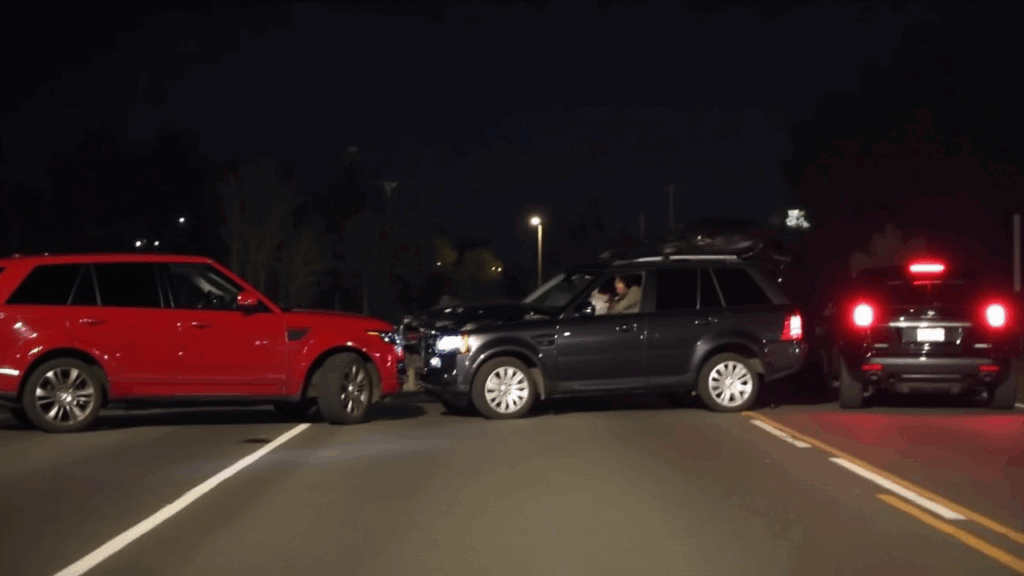
The fatal collision occurred on Espinosa Road just south of Rodgers Road, a rural stretch of roadway where visibility and road conditions can vary significantly during evening hours. According to the California Highway Patrol, the two vehicles collided head-on, resulting in catastrophic damage, and came to rest across both the eastbound and westbound lanes.
The impact created an extensive debris field that included vehicle parts, shattered glass, and other wreckage spread across the roadway. Emergency dispatchers received multiple calls reporting the collision, with initial reports indicating that major injuries had occurred. The severity of the crash immediately mobilized a comprehensive emergency response involving CHP units, fire personnel, medical responders, and multiple tow services.
First responders arriving at the scene found both vehicles severely damaged from the head-on impact. The collision’s force suggested high speeds or other contributing factors that investigators would later examine in detail. CHP officers worked quickly to secure the crash site while emergency medical personnel assessed the occupants of both vehicles.
Tragically, at least one person was confirmed deceased at the scene. Authorities have not yet released information about the victim’s identity, the number of occupants in either vehicle, or whether additional injuries occurred beyond the confirmed fatality. The investigation into exactly what happened during those critical moments before impact continues as officials work to piece together the sequence of events.
Emergency Response and Road Closure
The magnitude of the collision required an immediate and extensive emergency response. Espinosa Road was shut down in both directions between State Route 183 and Christensen Road to allow medical personnel safe access to the victims and to give investigators the space needed to document the crash scene thoroughly.
Fire personnel were dispatched to the intersection to assist with the emergency response, working alongside CHP officers and paramedics. The multi-agency response reflected the serious nature of the incident and the complex task of managing a fatal collision scene during evening hours on a rural roadway.
During the closure, Caltrans assisted with traffic management and the placement of barricades. The situation became more complicated when one vehicle reportedly drove through a barricade toward the crash site, forcing officers to reinforce the hard closure at State Route 183. This incident underscored the challenges emergency responders face when working accident scenes on busy roadways, even with closures and warnings in place.
Multiple tow rotations were required to remove both heavily damaged vehicles from the scene. Given the severity of the collision and the ongoing criminal investigation into the fatality, both cars were transported to a secure facility for detailed evidence processing and mechanical inspection. Investigators often examine damaged vehicles extensively in fatal crashes to determine factors such as speed, braking, mechanical failure, and point of impact.
The roadway remained closed for more than four hours, finally reopening shortly after midnight on December 8. The extended closure allowed CHP investigators to complete their on-scene documentation, photograph evidence, measure skid marks if present, map the debris field, and ensure all physical evidence was collected adequately before the roadway was cleared and reopened to traffic.
Understanding Head-On Collisions in California
Head-on collisions represent some of the most deadly types of traffic accidents on California roadways. When two vehicles traveling in opposite directions collide front-to-front, the combined force of both vehicles’ speeds creates an impact of tremendous violence. Even at moderate speeds, head-on crashes frequently result in catastrophic injuries or fatalities due to the extreme forces involved.
According to the National Highway Traffic Safety Administration, head-on collisions account for a disproportionate percentage of fatal crashes despite representing a smaller fraction of all accidents. Rural two-lane roads, such as Espinosa Road, are particularly susceptible to these types of collisions, especially during evening hours when visibility decreases, and driver fatigue becomes a factor.
Several factors commonly contribute to head-on collisions on California roadways. Distracted driving remains one of the leading causes, with drivers crossing the centerline while looking at phones, adjusting controls, or attending to passengers. Impaired driving from alcohol or drugs severely compromises judgment and reaction time, making it easier for drivers to drift into oncoming traffic lanes.
Drowsy driving poses a particular risk during evening hours, as fatigue can cause drivers to nod off or lose focus momentarily—just long enough to cross into the opposite lane. Excessive speed reduces the time available to recognize and correct steering errors, while also increasing the severity of any resulting collision. Poor visibility conditions during nighttime driving, combined with inadequate roadway lighting on rural roads, can make it difficult for drivers to stay within their lanes or recognize hazards ahead.
Mechanical failures such as tire blowouts or steering malfunctions can cause drivers to lose control and veer into oncoming traffic. Adverse weather conditions, such as rain, fog, or wind, can reduce traction and visibility, making it more challenging to maintain a proper lane position. Finally, some drivers make the dangerous decision to pass other vehicles illegally, misjudging the distance and speed of oncoming traffic.
The Investigation Process Following Fatal Head-On Collisions
When a collision results in a fatality, the California Highway Patrol conducts a comprehensive investigation to determine the cause and circumstances of the crash. This process is critical not only for legal and insurance purposes but also for identifying safety improvements that might prevent similar tragedies in the future.
CHP investigators begin by documenting the crash scene in meticulous detail. They photograph the vehicles from multiple angles, measure skid marks or tire tracks, map the positions where vehicles came to rest, and catalog the debris field. This physical evidence helps reconstruct the moments leading up to the collision and can reveal necessary information about speeds, braking, and the point of impact.
Both vehicles involved in the Espinosa Road collision were transported for detailed evidence processing. Investigators will examine mechanical systems, brake components, steering mechanisms, tire conditions, and other factors that might have contributed to the crash. They’ll also download data from event data recorders (often referred to as “black boxes”) if the vehicles are equipped with them, which can provide valuable information about speed, braking, throttle position, and other factors in the seconds leading up to impact.
Investigators will interview any surviving occupants of both vehicles, as well as witnesses who may have observed the collision or the vehicles’ operation immediately before it. They’ll obtain cell phone records if there’s reason to believe distracted driving may have played a role. Toxicology testing is standard procedure in fatal collisions to determine whether alcohol or drugs impaired either driver.
Environmental factors are also carefully considered. Investigators examine road conditions, lighting, signage, weather conditions at the time of the crash, and any other factors that might have contributed to the collision. They’ll review whether the roadway itself presented any hazards or whether improvements to signage, lighting, or road design might enhance safety.
The investigation process can take weeks or even months to complete, particularly when the evidence is complex or when forensic analysis is required. Once completed, the CHP will compile a comprehensive report that documents their findings and conclusions about the cause of the collision. This report becomes a critical piece of evidence in any subsequent legal proceedings, whether criminal charges or civil litigation.
Legal Rights of Victims and Families After Fatal Accidents
When someone loses their life in a traffic collision caused by another party’s negligence or wrongdoing, California law provides the victim’s family members with legal recourse through a wrongful death claim. These claims recognize that the sudden loss of a loved one creates not only emotional devastation but also significant financial consequences for surviving family members.
Under California law, certain family members have the right to pursue wrongful death compensation, including the deceased person’s surviving spouse or domestic partner, children, and in some cases, other family members who were financially dependent on the deceased. These claims seek to recover damages for both the economic losses and the emotional toll resulting from the loss of a family member.
Economic damages in wrongful death cases can include medical expenses incurred before death, funeral and burial costs, the loss of the deceased person’s expected future earnings and benefits, the loss of household services the deceased would have provided, and the value of gifts, support, or inheritance the family would have received. These financial losses can be substantial, particularly when the deceased was a primary wage earner or provided significant caregiving services to family members.
Non-economic damages recognize the profound emotional impact of losing a family member. These can include compensation for loss of companionship, affection, and moral support, loss of guidance and counsel for children who lost a parent, and the grief and emotional suffering experienced by surviving family members. While no amount of money can truly compensate for the loss of a loved one, these damages acknowledge the immeasurable value of family relationships.
In cases involving particularly egregious conduct—such as drunk driving, excessive speeding, or intentional misconduct—California law may permit the award of punitive damages, designed to punish the wrongdoer and deter similar behavior in the future. These damages go beyond compensating the family and serve a broader societal purpose of promoting safer behavior on our roadways.
It’s important to understand that California imposes strict time limits on filing wrongful death claims. Generally, families have two years from the date of death to file a lawsuit. Missing this deadline typically means losing the right to pursue compensation forever, regardless of how strong the case might be. Given the complexity of these cases and the time required to conduct a thorough investigation, families should consult with an experienced attorney as soon as possible after a fatal accident.
Survivors of Serious Collisions Face Long Recovery
While the confirmed fatality in this collision represents the most tragic outcome, serious injury crashes often leave survivors facing months or years of medical treatment, rehabilitation, and physical therapy. The forces involved in head-on collisions frequently cause catastrophic injuries that alter the course of survivors’ lives permanently.
Common injuries in head-on collisions include traumatic brain injuries ranging from concussions to severe brain damage that affects cognitive function, memory, and personality. Spinal cord injuries can result in partial or complete paralysis, requiring lifetime care and adaptive equipment. Multiple bone fractures, particularly to the legs, pelvis, ribs, and facial bones, often require surgical repair and extensive rehabilitation.
Internal organ damage to the liver, spleen, kidneys, or lungs can be life-threatening and may require emergency surgery. Chest trauma, including collapsed lungs or cardiac injuries, presents immediate dangers and long-term complications. Severe lacerations and soft tissue injuries may necessitate reconstructive surgery and leave permanent scarring. Psychological trauma, including post-traumatic stress disorder, anxiety, and depression, commonly affects collision survivors and requires mental health treatment.
The medical expenses associated with catastrophic injuries can quickly reach hundreds of thousands or even millions of dollars. Initial emergency treatment and hospitalization represent only the beginning of the process. Many survivors require multiple surgeries, lengthy hospital stays, intensive rehabilitation, ongoing physical therapy, home modifications to accommodate disabilities, specialized medical equipment and devices, and long-term care for permanent disabilities.
Beyond medical costs, serious injuries often prevent victims from returning to work, either temporarily or permanently. This loss of income compounds the financial devastation, occurring precisely when medical expenses are highest. Many families find themselves struggling to pay bills, facing the potential loss of their homes or vehicles, and are unable to maintain their previous standard of living.
California law allows injury victims to pursue compensation from at-fault parties for all of these damages. This includes past and future medical expenses, lost wages and loss of earning capacity, pain and suffering, loss of enjoyment of life, and compensation for permanent disabilities or disfigurement. An experienced personal injury attorney can help victims document these damages thoroughly and present a compelling case for full compensation.
Rural Road Safety in Monterey County
Espinosa Road, where this fatal collision occurred, represents the type of rural two-lane roadway that presents unique safety challenges throughout Monterey County and California’s agricultural regions. These roads serve vital functions connecting communities and providing access to farms and ranches, but they also experience significant safety issues that contribute to serious and fatal collisions.
Rural roads often lack the safety features common on urban streets and highways. Divided medians that physically separate opposing traffic lanes are rare on rural roads, meaning that even a small steering error can result in a head-on collision. Shoulder width is often minimal, providing little margin for error if a driver needs to take evasive action. Lighting is typically absent or inadequate, making nighttime driving particularly hazardous.
The combination of higher speed limits, varying road conditions, agricultural vehicle traffic, and wildlife crossings creates a complex risk environment. Drivers on rural roads must remain constantly vigilant for hazards that might appear suddenly, from slow-moving farm equipment to deer crossing the roadway. The isolation of rural areas also means that when crashes do occur, emergency response times may be longer than in urban settings, potentially affecting survival rates for seriously injured victims.
Evening hours present particular challenges on rural roads. Reduced visibility makes it harder to spot hazards, recognize curves or changes in road conditions, and accurately judge distances. Glare from oncoming headlights can temporarily blind drivers, especially on dark roadways without ambient lighting. Driver fatigue tends to increase as the evening progresses, particularly for those who began work early in the morning or have been driving for extended periods.
Improving safety on rural roads requires a multi-faceted approach. Enhanced roadway design, including broader shoulders, better signage, and improved lighting at intersections, can help prevent crashes. Rumble strips along centerlines and edge lines alert drivers when they’re drifting out of their lane. Regular maintenance, including addressing pavement conditions, vegetation overgrowth, and drainage issues, helps keep roads in a safe condition.
Public education about the unique hazards of rural driving, including the importance of staying alert, maintaining appropriate speeds, and avoiding distractions, can change driver behavior. Finally, increased enforcement of traffic laws, including speed limits, passing restrictions, and impaired driving statutes, deters dangerous behavior.
How GJEL Accident Attorneys Can Help Your Family
For more than 50 years, GJEL Accident Attorneys has stood beside California families during their darkest hours following severe injury and fatal traffic collisions. We understand that no legal outcome can restore your loved one or undo the harm that’s been done. Still, we also know that justice and fair compensation play essential roles in the healing process and in securing your family’s future.
Our approach to wrongful death and catastrophic injury cases begins with compassion and understanding. We recognize that you’re dealing with grief, trauma, and uncertainty about the future. Our attorneys take time to listen to your story, understand your loved one’s life and contributions to your family, and learn about the specific ways this tragedy has affected you. This personal connection informs everything we do on your behalf.
We conduct thorough, independent investigations of every case we handle. While waiting for official investigation reports is essential, we don’t rely solely on them. Our team works with accident reconstruction experts, mechanical engineers, medical professionals, and other specialists to examine every aspect of your case. We visit accident scenes, interview witnesses, obtain available surveillance footage, and gather evidence that might otherwise be overlooked or lost.
When it comes to dealing with insurance companies, our experience makes a critical difference. Insurance adjusters often contact grieving families quickly after a fatal accident, sometimes offering settlements before the family has had time to understand the full extent of their losses or consult with an attorney. These early offers are typically far below the actual value of the claim. Our attorneys handle all communications with insurance companies, protecting your rights while you focus on grieving and supporting your family.
We build compelling cases that account for all of your losses—both economic and emotional. This includes working with economists to calculate the full value of lost future earnings, consulting with life care planners when catastrophic injuries require long-term care, and presenting robust evidence about the emotional impact of losing your loved one. We prepare every case thoroughly for trial, though many cases settle before reaching that point once the other side recognizes the strength of our preparation.
Perhaps most importantly, we handle personal injury and wrongful death cases on a contingency fee basis. This means you pay no attorney fees unless we recover compensation for you. We advance all case expenses, from investigation costs to expert witness fees, so you’re never asked to pay anything out of pocket while your case proceeds. This arrangement ensures that quality legal representation is available to everyone, regardless of financial circumstances, and aligns our interests with yours—we succeed only when you do.
Understanding Fatal Car Accident Settlement Calculators
Fatal car accident settlement calculators serve as valuable preliminary tools for families trying to understand the potential compensation they may be entitled to after losing a loved one in a tragic collision like the December 7 incident on Espinosa Road. These calculators help estimate settlement values by considering multiple factors, including the deceased’s age, income, benefits, and life expectancy to calculate lost future earnings; medical expenses incurred before death and funeral costs; the number and ages of surviving dependents who relied on the deceased for financial support; and the emotional damages such as loss of companionship, guidance, and consortium.
While these calculators provide a helpful starting point for understanding the economic scope of a wrongful death claim, it’s essential to recognize their limitations—they cannot account for unique circumstances like the deceased’s specific career trajectory, special relationships with family members, punitive damages in cases of gross negligence, or the nuanced factors that experienced attorneys identify through thorough case investigation.
Every wrongful death case is unique, and factors such as the at-fault party’s insurance coverage, the strength of the liability evidence, the jurisdiction in which the case is filed, and the skill of the legal representation all significantly impact the final settlement value. At GJEL Accident Attorneys, we offer comprehensive case evaluations that go far beyond what any calculator can provide, examining every detail of your loved one’s life and the circumstances of their death to build a compelling case for maximum compensation.
Our attorneys understand how to present economic evidence persuasively, work with expert witnesses to establish the full value of your loss, and negotiate effectively with insurance companies to ensure your family receives fair compensation that truly reflects the magnitude of your loss—not just a generic estimate from an automated tool. Call us now at +1-866-218-3776 to speak with our experts.
Taking the First Step Toward Justice
“The families affected by this tragic head-on collision are facing unimaginable pain right now—not only the devastating loss of life, but also the overwhelming questions about what happens next. In the immediate aftermath of a fatal crash like this, it’s crucial to understand that you have rights, and those rights need to be protected while the investigation is still ongoing. Evidence from the scene, witness statements, and vehicle data all become critical pieces of proving what happened and who was responsible. I encourage anyone who lost a loved one or was injured in this collision to reach out to an experienced attorney as soon as possible—not because there’s any rush to make decisions about settlements, but because there is urgency in preserving evidence and protecting your family’s legal interests. At GJEL, we handle everything on a contingency fee basis, which means you’ll never pay a penny unless we recover compensation for you. During this difficult time, you shouldn’t have to worry about legal bills while you’re grieving and healing. Let us handle the legal fight so you can focus on your family. We’re here to help, and that initial conversation costs you nothing.”- Andy Gillin, GJEL Accident Attorneys
If you lost a loved one or suffered serious injuries in the December 7 collision on Espinosa Road, or if you’re dealing with the aftermath of any serious traffic accident in Salinas or throughout Monterey County, we encourage you to contact GJEL Accident Attorneys for a free, confidential consultation.
During this consultation, we’ll review the circumstances of your case, answer your questions about the legal process, explain your rights and options, and provide honest advice about the best path forward. There’s no obligation, and the consultation costs you nothing. We want to ensure that you have the necessary information to make informed decisions during this challenging time.
The aftermath of a fatal or catastrophic collision is overwhelming. You shouldn’t have to face it alone, and you shouldn’t have to navigate complex legal proceedings while grieving and trying to heal. Let our experienced team handle the legal fight while you focus on what matters most—your family and your recovery.
Time is essential in these cases. Evidence can be lost, witnesses’ memories fade, and legal deadlines approach. The sooner you contact us, the sooner we can begin protecting your rights and building the strongest possible case on your behalf. Call us today at +1-866-218-3776 or visit our San Francisco office to take the first step toward justice for your family.
Local Resources and Support Services
Families and individuals affected by the December 7 collision on Espinosa Road may need to contact various local agencies for accident reports, victim services, or additional assistance. Below are detailed contact resources for relevant organizations in the Salinas area and throughout Monterey County.
Law Enforcement and Accident Reports
California Highway Patrol – Monterey Area Office The CHP Monterey Area Office investigated this collision and maintains official accident reports.
- Address: 25 Ryan Ranch Road, Monterey, CA 93940
- Phone: (831) 770-8000
- Non-Emergency Dispatch: (831) 646-3914
- Website: https://www.chp.ca.gov/find-an-office/coastal-division/monterey
- Hours: Monday-Friday, 8:00 AM – 5:00 PM
- Traffic Collision Reports: Reports can be requested online through the CHP’s website or in person after the investigation is complete (typically 10-14 days after the incident)
Salinas Police Department: While the CHP handled this particular collision, the Salinas Police Department can provide general assistance and direct residents to appropriate resources.
- Address: 222 Lincoln Avenue, Salinas, CA 93901
- Phone: (831) 758-7321
- Non-Emergency: (831) 758-7090
- Emergency: 911
- Website: https://www.cityofsalinas.org/our-city-services/police-department
- Hours: 24/7 for emergency services; administrative offices open Monday-Friday, 8:00 AM – 5:00 PM
Medical and Trauma Services
Natividad Medical Center is the primary trauma center serving Monterey County, providing emergency care for collision victims.
- Address: 1441 Constitution Boulevard, Salinas, CA 93906
- Emergency Department Phone: (831) 755-4111
- Main Hospital Phone: (831) 755-4000
- Website: https://www.natividad.com
- Services: Level II Trauma Center, emergency care, intensive care, surgery, rehabilitation services
- Hours: Emergency Department operates 24/7
Community Hospital of the Monterey Peninsula provides Additional emergency and trauma care services for the region.
- Address: 23625 Holman Highway, Monterey, CA 93940
- Emergency Department: (831) 624-5311
- Main Number: (831) 624-5311
- Website: https://www.chomp.org
- Hours: 24/7 emergency services
Victim Services and Support
Monterey County Victim Witness Assistance Center provides free services to crime victims and witnesses, including those affected by vehicular manslaughter or DUI-related fatalities.
- Address: 1200 Aguajito Road, Monterey, CA 93940
- Phone: (831) 647-7700
- Toll-Free: (877) 662-8017
- Email: victimwitness@co.monterey.ca.us
- Website: https://www.co.monterey.ca.us/government/departments-a-h/district-attorney/victim-witness-assistance-center
- Services: Crisis intervention, counseling referrals, assistance with victim compensation claims, court accompaniment, help with restitution
- Hours: Monday-Friday, 8:00 AM – 5:00 PM
California Victim Compensation Board provides financial assistance to victims of violent crimes, including vehicle-related crimes.
- Phone: (800) 777-9229
- Website: https://victims.ca.gov
- Services: Reimbursement for medical expenses, mental health counseling, funeral and burial costs, lost wages, and other crime-related expenses
- Applications can be submitted online or by mail
Transportation and Road Information
Caltrans District 5 (Monterey County) is Responsible for state highway maintenance and safety improvements in the region.
- Address: 50 Higuera Street, San Luis Obispo, CA 93401
- Phone: (805) 549-3111
- Road Conditions Hotline: (800) 427-7623
- Website: https://dot.ca.gov/caltrans-near-me/district-5
- QuickMap (Real-time traffic): https://quickmap.dot.ca.gov
- Services: Road condition updates, construction information, safety concerns reporting
Transportation Agency for Monterey County (TAMC) provides Regional transportation planning and coordination.
- Address: 55-B Plaza Circle, Salinas, CA 93901
- Phone: (831) 775-0903
- Email: info@tamcmonterey.org
- Website: https://www.tamcmonterey.org
- Services: Regional transportation planning, traffic safety initiatives, public transit information
- Hours: Monday-Friday, 8:00 AM – 5:00 PM
Legal and Consumer Protection
State Bar of California – Lawyer Referral Service helps connect individuals with qualified attorneys in their area.
- Phone: (866) 442-2529
- Website: https://www.calbar.ca.gov/Public/Need-Legal-Help/Lawyer-Referral-Service
- Services: Referrals to certified attorneys in various practice areas, including personal injury and wrongful death
Monterey County Bar Association: A local bar association offering attorney referral services.
- Phone: (831) 373-1501
- Website: https://www.montereycountybar.org
- Services: Attorney referrals, legal resource information
Grief Counseling and Mental Health Support
Monterey County Behavioral Health provides mental health services, including crisis intervention and grief counseling.
- Crisis Line: (888) 258-6029 (24/7)
- Main Office: (831) 755-4542
- Address: 1270 Natividad Road, Salinas, CA 93906
- Website: https://www.co.monterey.ca.us/government/departments-a-h/health/behavioral-health
- Services: Crisis intervention, counseling, support groups, referrals to community resources
- Hours: Monday-Friday, 8:00 AM – 5:00 PM (crisis line operates 24/7)
Suicide Prevention Hotline (988 Lifeline) National crisis support for anyone experiencing emotional distress or trauma.
- Phone: 988 (call or text)
- Website: https://988lifeline.org
- Services: 24/7 crisis counseling, emotional support, referrals to local resources
- Available in English and Spanish with interpretation services for other languages
Grief Support Groups – Community Hospital offers bereavement support groups for those who have lost loved ones.
- Phone: (831) 625-4753
- Website: https://www.chomp.org
- Services: Facilitated grief support groups, individual counseling referrals, educational resources
Additional Resources
National Highway Traffic Safety Administration (NHTSA) is a Federal agency providing traffic safety information and crash statistics.
- Phone: (888) 327-4236
- Website: https://www.nhtsa.gov
- Services: Vehicle safety information, recall notices, crash data, safety campaign resources
Mothers Against Drunk Driving (MADD) – Monterey County Support for victims of drunk and drugged driving crashes.
- 24-Hour Victim Assistance: (877) 623-3435
- Website: https://www.madd.org
- Services: Emotional support, victim advocacy, court accompaniment, help navigating the criminal justice system
If you or a loved one was affected by this collision or any severe traffic accident in Monterey County, these resources can provide immediate assistance, support services, and guidance through the difficult days ahead. For legal representation and advocacy, GJEL Accident Attorneys is available 24/7 to offer a free, confidential consultation about your case.