On the evening of January 3, 2026, a serious traffic collision on State Route 49 in Placerville, California, prompted emergency responders to the scene, resulting in significant traffic disruptions throughout the area. The traffic collision, which occurred at approximately 8:40 PM near the 516 State Route 49 location, required an immediate and coordinated response from the California Highway Patrol (CHP) and local emergency services.
As investigators work to piece together the circumstances surrounding this collision, affected individuals and their families are left grappling with the immediate aftermath. They are uncertain about their legal rights and options for recovery.
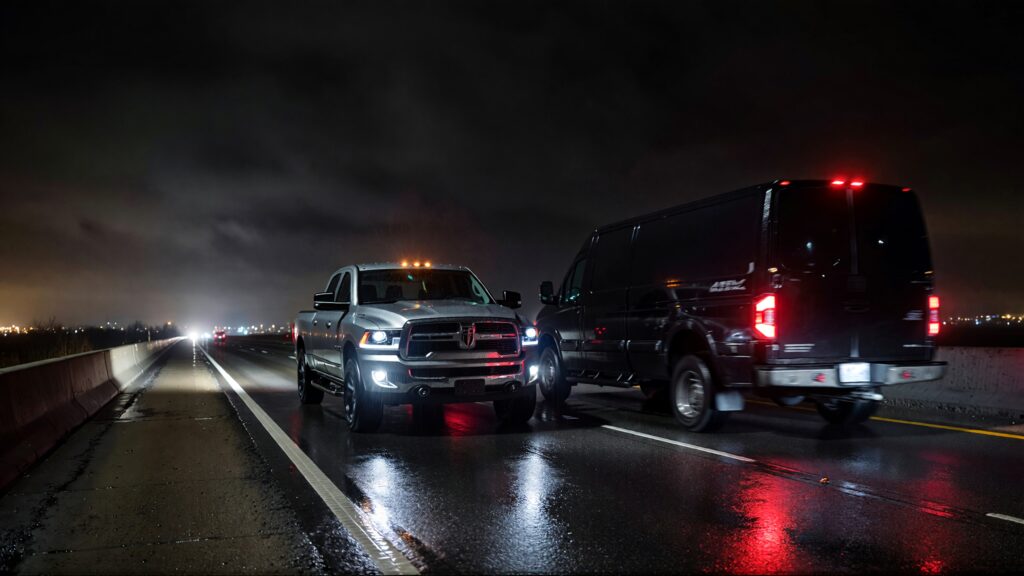
Details of the January 3rd State Route 49 Collision
The collision on State Route 49 occurred during evening hours when traffic typically remains moderate in the Placerville area. Emergency dispatchers received initial reports of the incident at approximately 8:40 PM, triggering an immediate response from multiple emergency agencies.
California Highway Patrol officers arrived on scene to secure the area, conduct preliminary investigations, and coordinate traffic management efforts. Local emergency medical services also responded to provide immediate medical attention to anyone injured in the collision.
According to preliminary information from the scene, emergency crews worked diligently to clear the roadway and assist those involved in the collision. The response required closing or restricting portions of State Route 49, necessitating the implementation of detours to manage traffic flow and prevent secondary accidents.
As of the initial reporting, authorities had not released specific details regarding the number of vehicles involved in the collision, the identities of those affected, or the severity of injuries sustained. The full extent of property damage to vehicles and any nearby infrastructure also remained under assessment.
Understanding State Route 49 and Local Traffic Patterns
State Route 49 serves as a vital transportation corridor through El Dorado County, connecting Placerville with numerous communities throughout the Sierra Nevada foothills. This historic highway, which follows much of the original Gold Rush-era route, carries significant local and tourist traffic throughout the year.
In the Placerville area, State Route 49 functions as a primary arterial roadway, accommodating both commuter traffic and vehicles traveling to recreational destinations in the Sierra Nevada. The highway features varying conditions, including sections with curves, elevation changes, and areas where visibility can be compromised, particularly during evening hours or adverse weather conditions.
Traffic volume on State Route 49 can fluctuate considerably depending on the time of day, day of the week, and season. Evening hours typically see a mix of commuters returning home, commercial vehicles, and recreational travelers. The roadway’s characteristics, combined with varying traffic patterns, create conditions that increase the likelihood of accidents due to multiple contributing factors.
The specific location at 516 State Route 49 represents an area where local emergency services maintain established protocols for responding to traffic incidents. The coordination between CHP, local fire departments, and emergency medical services reflects the importance of rapid response in minimizing harm and facilitating the investigation of collision scenes.
Common Causes of Highway Collisions in El Dorado County
Traffic collisions on highways, such as State Route 49, can result from numerous factors, often involving a combination of driver behavior, road conditions, and environmental circumstances. Understanding these common causes helps illustrate the complexity of collision investigations and the importance of thorough analysis by law enforcement.
Driver-Related Factors
Distracted driving remains one of the leading causes of highway collisions throughout California. When drivers divert their attention from the roadway to mobile devices, navigation systems, or other distractions, their reaction time significantly diminishes, making it difficult for them to respond to changing traffic conditions or unexpected hazards.
Speeding and excessive velocity in certain conditions contribute to numerous collisions on California highways. When drivers exceed posted speed limits or fail to adjust their speed according to road conditions, weather, or traffic density, they reduce their ability to navigate curves safely, respond to stopped vehicles, or maintain control of their car.
Impaired driving—whether from alcohol, drugs, or medications—severely compromises judgment, coordination, and reaction time. Despite extensive public awareness campaigns and strict enforcement, impaired drivers continue to cause devastating collisions on California roadways.
Fatigue and drowsy driving create dangers comparable to impaired driving. When drivers operate vehicles while exhausted, their ability to maintain attention, make sound decisions, and react appropriately to hazards becomes significantly compromised.
Environmental and Road Conditions
Evening and nighttime driving introduces unique challenges related to visibility and depth perception. Reduced lighting conditions can make it difficult for drivers to accurately judge distances, identify hazards, or see pedestrians and cyclists sharing the roadway.
Weather conditions, including rain, fog, or wind, can create hazardous driving conditions that require adjusted speeds and increased following distances. Drivers who fail to adapt their driving behavior to match the weather conditions significantly increase their risk of collisions.
Road design factors, including sharp curves, inadequate signage, or poor visibility at intersections, can contribute to collisions when drivers are unfamiliar with the roadway or fail to anticipate changing conditions.
Vehicle and Mechanical Issues
Mechanical failures, including brake malfunctions, tire blowouts, or steering problems, can cause drivers to lose control of their vehicles. Regular vehicle maintenance is essential for preventing these mechanical causes of collisions.
The Investigation Process Following a California Highway Collision
When a traffic collision occurs on a California highway, law enforcement agencies follow established protocols to investigate the incident, document evidence, and determine contributing factors. Understanding this process helps affected parties recognize the importance of thorough investigation and the preservation of proper evidence.
Immediate Scene Response
California Highway Patrol officers arriving at a collision scene first prioritize scene safety, ensuring that emergency personnel can work without risk and that additional collisions are prevented. This typically involves positioning patrol vehicles with emergency lights activated, placing traffic cones or flares, and potentially closing lanes or implementing detours.
Officers conduct an initial assessment of the scene, identifying the number of vehicles involved, checking for injuries, and requesting additional resources as needed. This might include additional patrol units, fire department personnel, emergency medical services, or specialized investigation teams for serious collisions.
Evidence Collection and Documentation
Investigators systematically document the collision scene through photographs, measurements, and diagrams. This documentation captures vehicle positions, skid marks, debris fields, road conditions, traffic control devices, and any environmental factors relevant to understanding how the collision occurred.
Officers interview drivers, passengers, and witnesses to gather accounts of what occurred before, during, and immediately after the collision. These statements provide a crucial perspective on vehicle movements, driver behavior, and the sequence of events.
Vehicle inspections may be conducted to identify mechanical issues, document damage patterns, and preserve evidence such as airbag deployment data or electronic data recorder information. Modern vehicles are equipped with computer systems that can provide valuable data about vehicle speed, braking, and other factors immediately preceding a collision.
Analysis and Determination
Following evidence collection, investigators analyze all available information to determine the primary collision factor and any contributing circumstances. This analysis considers physical evidence, witness statements, applicable traffic laws, and reconstruction of the collision sequence.
The investigation may reveal violations of California Vehicle Code provisions, which can result in citations being issued to drivers determined to be at fault. Common violations associated with collisions include speeding (Vehicle Code Section 22350), failure to yield the right of way, following too closely, or making unsafe lane changes.
For serious injury or fatal collisions, specialized CHP Multidisciplinary Accident Investigation Teams (MAIT) may be deployed to conduct more extensive analysis, including detailed measurements, 3D scanning, and computer-aided reconstruction.
Report Completion
Upon completing their investigation, officers prepare a Traffic Collision Report (Form CHP-555) documenting their findings. This report becomes a critical document for insurance claims and any subsequent legal proceedings, as it contains the officer’s determination of fault and detailed information about the circumstances of the collision.
Injuries Commonly Sustained in Highway Collisions
Traffic collisions on highways, such as State Route 49, can result in a wide range of injuries, from minor to catastrophic. The severity of injuries typically correlates with factors such as collision speed, the type of vehicle involved, the use of safety restraints, and the specific dynamics of the impact.
Impact-Related Injuries
Traumatic brain injuries represent some of the most serious consequences of traffic collisions. Even when occupants wear seatbelts, the sudden deceleration forces in a crash can cause the brain to strike the interior of the skull, resulting in concussions, contusions, or more severe brain damage. Symptoms may appear immediately or develop gradually over hours or days following the collision.
Spinal cord injuries can occur when collision forces cause vertebrae to fracture, dislocate, or compress the delicate spinal cord. These injuries may result in temporary or permanent paralysis, loss of sensation, or impaired function below the site of the injury. The life-altering nature of spinal cord injuries often requires extensive medical treatment, rehabilitation, and long-term care.
Neck injuries, including whiplash, occur frequently in rear-end collisions and side-impact crashes. The rapid acceleration-deceleration forces cause the head and neck to move violently beyond their normal range of motion, damaging soft tissues, ligaments, and sometimes vertebral structures. While some whiplash injuries resolve with conservative treatment, others result in chronic pain and long-term limitations.
Chest and Abdominal Trauma
Chest injuries in vehicle collisions often result from impact with steering wheels, seatbelts, or airbags. These injuries may include rib fractures, lung contusions, or damage to the heart and major blood vessels. Even when seatbelts prevent more serious injuries, the restraint forces can cause bruising and soft tissue damage that requires medical attention.
Abdominal injuries may involve damage to internal organs, including the liver, spleen, kidneys, or intestines. These injuries can be grave because internal bleeding may not be immediately apparent, and symptoms may not develop until significant blood loss has occurred.
Extremity Injuries
Fractures to the arms, legs, hands, and feet commonly occur when collision forces cause occupants to strike the vehicle’s interior or when the vehicle’s structure intrudes into the passenger compartment. These fractures may be simple breaks that heal with immobilization, or they may be complex fractures that require surgical intervention with pins, plates, or rods.
Soft tissue injuries affecting muscles, tendons, and ligaments can cause significant pain and functional limitations even when bones remain intact. These injuries may require physical therapy and extended recovery periods before normal function returns.
Psychological Trauma
Beyond physical injuries, traffic collision survivors often experience psychological impacts, including post-traumatic stress disorder (PTSD), anxiety, depression, or phobias related to driving or riding in vehicles. These psychological injuries, while less visible than physical trauma, can be equally debilitating and may require professional mental health treatment.
Immediate Steps to Take Following a California Traffic Collision
If you’re involved in a traffic collision on a California highway, the actions you take in the immediate aftermath can significantly impact your safety, legal rights, and ability to recover compensation for your injuries and losses.
Ensure Safety and Seek Medical Attention
Your priority following any collision is ensuring the safety of yourself and your passengers. If your vehicle remains in a position where it could be struck by other traffic, and if it’s safe to do so, move to the shoulder or a protected area. Activate your hazard lights to alert other drivers to your presence.
Call 911 immediately to report the collision and request emergency medical assistance if anyone appears injured. Even if you don’t believe you’ve been seriously hurt, adrenaline and shock can mask injury symptoms that may emerge hours or days later. Accept evaluation by emergency medical personnel at the scene, and follow their recommendations regarding transport to a medical facility.
Some serious injuries, including internal bleeding, traumatic brain injuries, or spinal cord damage, may not produce immediate, apparent symptoms. Prompt medical evaluation creates documentation of your injuries and their connection to the collision—documentation that becomes crucial for insurance claims and legal proceedings.
Exchange Information and Document the Scene
California law requires drivers involved in collisions to exchange information, including names, addresses, driver’s license numbers, vehicle registration information, and insurance details. Collect this information from all drivers involved and provide it to them.
If you’re physically able, use your mobile phone to photograph the collision scene from multiple angles. Capture images of all vehicles involved, showing damage from various perspectives. Photograph the overall scene, including traffic signs, roadway conditions, skid marks, debris, and any other factors that might be relevant to understanding how the collision occurred.
Record the names and contact information of any witnesses who observed the collision. Their independent accounts may prove invaluable if there are disputes about how the crash occurred or who was at fault.
Note environmental conditions, including weather, lighting, and road surface conditions. These details contribute to a complete picture of the circumstances surrounding the collision.
Report to Authorities and Insurance
Wait for law enforcement to arrive and complete their investigation. Provide a truthful, factual account of what occurred, but avoid speculating about causes or accepting fault at the scene. Answer officers’ questions directly, but don’t volunteer opinions or assumptions about what might have happened.
Request the traffic collision report number and information about how to obtain a copy of the completed report once it becomes available. This report will be essential for insurance claims and any legal action.
Contact your insurance company to report the collision, but be cautious about providing detailed recorded statements before consulting with an attorney. Insurance companies, even your own, may use your statements in ways that minimize your claim or deny coverage.
Preserve Evidence
Avoid repairing or disposing of your vehicle before documenting its damage thoroughly and consulting with an attorney. The car itself represents critical evidence of the collision forces involved and the extent of impact damage.
Keep all medical records, bills, and documentation related to treatment for collision-related injuries. Maintain records of lost wages, transportation costs for medical appointments, and any other expenses resulting from the collision.
If the collision was severe and resulted in significant injuries, consider consulting with an experienced personal injury attorney before accepting any settlement offers from insurance companies. Early legal guidance can prevent costly mistakes that might limit your recovery.
California Laws Governing Highway Safety and Accident Liability
California maintains comprehensive vehicle codes and civil liability laws designed to promote highway safety and provide remedies for those injured by negligent drivers. Understanding these legal principles helps clarify the rights and responsibilities of all parties involved in traffic collisions.
Fundamental Traffic Safety Laws
California Vehicle Code Section 22350, also known as the “Basic Speed Law,” requires drivers to operate at speeds that are reasonable and prudent, given the current conditions, even if those speeds are below the posted limits. A driver may be found negligent for traveling at or below the speed limit if conditions warranted slower speeds.
Vehicle Code Section 21703 addresses the following distances, requiring drivers to maintain a reasonable and prudent distance behind the vehicles they’re following, taking into account their speed and the prevailing traffic conditions. Violations of this provision frequently contribute to rear-end collisions.
Right-of-way laws, including Vehicle Code Sections 21800-21809, establish the priority of drivers in various traffic situations, such as intersections, merging situations, and pedestrian crossings. Failure to yield the right-of-way when required constitutes negligence that can result in liability for resulting collisions.
California Vehicle Code Section 23152 prohibits driving under the influence of alcohol or drugs, with specific blood alcohol content thresholds establishing per se intoxication. Impaired driving that causes injury or death results in both criminal prosecution and civil liability.
Negligence and Civil Liability
California personal injury law operates on principles of negligence, which requires proving four essential elements: duty, breach, causation, and damages. In the context of traffic collisions, this means demonstrating that the at-fault driver owed a duty of care to others on the roadway, breached that duty through unsafe actions or violations of traffic laws, directly caused the collision and resulting injuries, and that the injured party suffered quantifiable damages.
California follows a “pure comparative negligence” system, as outlined in Civil Code Section 1431.2, which allows injured parties to recover damages even if they were partially at fault for the collision. However, their recovery is reduced by the percentage of fault attributed to them. For example, if you suffered $100,000 in damages but were found 20% at fault, your recovery would be reduced to $80,000.
Insurance Requirements
California Vehicle Code Section 16020 requires all drivers to maintain minimum liability insurance coverage, currently set at $15,000 per person for bodily injury, $30,000 per accident for bodily injury to multiple people, and $5,000 for property damage. These minimum requirements often prove inadequate to fully compensate seriously injured collision victims.
Uninsured motorist (UM) and underinsured motorist (UIM) coverage provides additional protection when at-fault drivers lack insurance or carry insufficient coverage to compensate for your injuries. While not mandatory, this coverage proves invaluable in many collision cases.
Statute of Limitations
California Code of Civil Procedure Section 335.1 establishes a two-year statute of limitations for personal injury claims arising from traffic collisions. This means that injured parties generally have two years from the date of the crash to file a lawsuit against the at-fault parties. Exceptions exist for cases involving minors or instances where injuries weren’t immediately discoverable, but these exceptions have specific requirements.
Missing the statute of limitations deadline typically results in permanent loss of your right to pursue compensation through the court system, regardless of how strong your case might be. Early consultation with an attorney helps ensure essential deadlines are preserved.
The Role of Insurance Companies After a California Collision
Following a traffic collision in California, you’ll likely interact with insurance companies representing yourself, other drivers involved, or both. Understanding how insurance companies operate and their priorities helps you navigate the claims process more effectively and avoid common pitfalls that could jeopardize your recovery.
Initial Contact and Investigation
Insurance adjusters typically contact collision victims within days of an incident, sometimes within hours. While adjusters may seem friendly and helpful, it’s important to remember that they work for insurance companies whose business model depends on minimizing claim payouts.
During initial contact, adjusters may request recorded statements about how the collision occurred, your injuries, and your treatment. While you must cooperate with your own insurance company under the terms of your policy, you’re generally not obligated to provide recorded statements to other parties’ insurers. Statements made before you’ve fully understood your injuries and had the opportunity to consult with an attorney can be used to minimize or deny your claim later.
Insurance companies conduct investigations that may include reviewing the police report, inspecting vehicle damage, interviewing witnesses, and examining your medical records. They’re looking for any information that might reduce their liability or suggest pre-existing conditions contributed to your injuries.
Property Damage Claims
Property damage claims typically resolve more quickly than injury claims because vehicle damage can be assessed objectively through repair estimates and valuations. However, disputes can arise regarding whether vehicles should be repaired or declared total losses, as well as whether diminished value compensation should be paid.
If your vehicle is repairable, you generally have the right to choose your repair facility; however, insurance companies may attempt to direct you to their preferred shops. If your vehicle is deemed a total loss, you’re entitled to its fair market value immediately before the collision, which may differ from the insurer’s initial offer.
Injury Claim Valuation
Insurance companies evaluate injury claims by considering medical expenses, lost wages, pain and suffering, and other collision-related losses. However, their valuation methods typically aim to minimize payouts rather than provide fair compensation.
Adjusters may use computer programs that generate settlement ranges based on injury type and medical costs, often producing values well below what a jury might award. They may challenge the necessity of medical treatment, suggest your injuries were pre-existing, or argue that you’ve reached maximum medical improvement before you’ve fully recovered.
Early Settlement Offers
Insurance companies often make early settlement offers before injured parties have completed treatment or fully understand the extent of their injuries and losses. These offers are typically far below the actual value of claims and include releases that prevent you from seeking additional compensation when the true extent of your damages becomes clear.
Accepting an early settlement without understanding your prognosis, potential future medical needs, or long-term impact on your earning capacity can result in being undercompensated by tens or hundreds of thousands of dollars.
Bad Faith Insurance Practices
California law requires insurance companies to handle claims in good faith, which includes conducting reasonable investigations, communicating honestly with claimants, and making fair settlement offers when liability is clear and undisputed. When insurers violate these duties, they may be liable for bad faith damages beyond the policy limits.
Signs of bad faith include unreasonably delaying investigation or payment, denying valid claims without proper investigation, failing to communicate about claim status, or offering unreasonably low settlements when liability and damages are clear.
How GJEL Accident Attorneys Can Help After a Placerville Highway Collision
If you’ve been injured in a traffic collision on State Route 49 or any other roadway in Northern California, GJEL Accident Attorneys provides experienced legal representation focused on securing maximum compensation for collision victims and their families.
For over 50 years, our firm has represented thousands of Californians who have been injured in traffic collisions, securing over $1 billion in compensation for our clients. Our attorneys understand the complexities of California traffic collision cases and have the resources and experience necessary to build compelling cases against negligent drivers and their insurance companies.
Comprehensive Case Investigation
Our legal team conducts thorough independent investigations of collision circumstances, going beyond the basic police report to uncover all relevant evidence. We visit collision scenes, photograph the conditions, identify witnesses, obtain available surveillance footage, and consult with accident reconstruction experts who can analyze physical evidence to determine precisely how a collision occurred.
When necessary, we retain biomechanical engineers who can explain how collision forces caused your specific injuries, helping establish the connection between the crash and your medical conditions. This expert testimony proves particularly valuable when insurance companies attempt to blame pre-existing conditions or suggest injuries weren’t as severe as claimed.
Medical Documentation and Treatment Coordination
Proper documentation of your injuries and treatment is essential for building a strong compensation claim. Our attorneys work with your medical providers to ensure complete records are maintained and that documentation clearly reflects the collision’s impact on your health and daily life.
We can also help connect you with the appropriate medical specialists if you’re having difficulty accessing the care you need. Many collision victims face barriers to treatment because they lack health insurance or because medical providers are reluctant to treat on a lien basis. Our established relationships with medical professionals throughout Northern California often help clients access necessary treatment while their cases are pending.
Maximizing Your Compensation Recovery
GJEL attorneys understand how to value collision claims accurately, accounting not only for current medical expenses and lost income, but also for future medical needs, reduced earning capacity, ongoing pain and suffering, and loss of life’s enjoyment. We ensure that settlement demands and trial presentations account for the full scope of how the collision has impacted your life.
Our firm has extensive experience negotiating with insurance companies and is familiar with the tactics they use to minimize payouts. We don’t accept unreasonably low settlement offers, and we’re fully prepared to take cases to trial when insurance companies refuse to provide fair compensation.
No Fees Unless We Win
GJEL Accident Attorneys works on a contingency fee basis, meaning you pay no attorney fees unless we recover compensation on your behalf. This “no win, no fee” structure ensures that experienced legal representation is accessible to all collision victims, regardless of their financial circumstances.
We advance all case-related costs, including expert fees, investigation expenses, and court costs, without requiring upfront payment from clients. These costs are reimbursed from your settlement or verdict, so you face no out-of-pocket expenses for pursuing your claim.
Proven Track Record
Our attorneys have secured numerous multi-million dollar verdicts and settlements for collision victims throughout Northern California. While past results don’t guarantee future outcomes, our track record demonstrates our ability to build compelling cases and hold negligent parties accountable.
We’ve been recognized by numerous legal organizations and publications for our dedication to client service and our success in personal injury litigation. Our attorneys have earned top ratings from Martindale-Hubbell, Super Lawyers, and other respected peer review organizations.
Frequently Asked Questions About Placerville Traffic Collisions
How long do I have to file a claim after a traffic collision in California?
California law generally provides two years from the date of the collision to file a personal injury lawsuit under Code of Civil Procedure Section 335.1. However, it’s essential to begin the claims process much sooner, as evidence can be lost, witnesses’ memories fade, and early case development strengthens your position. Additionally, certain circumstances may shorten or extend this deadline; therefore, consulting with an attorney soon after your collision is advisable.
What if I were partially at fault for the collision?
California follows a pure comparative negligence system, which means you can still recover compensation even if you were partially responsible for the collision. Your percentage of fault will reduce your recovery, but it does not mean you lose your right to compensation entirely. An experienced attorney can help minimize the degree of fault assigned to you by presenting evidence that focuses on the other driver’s negligence.
What types of compensation can I recover after a traffic collision?
Collision victims may be entitled to economic damages, including medical expenses (both current and future), lost wages and reduced earning capacity, property damage, and out-of-pocket costs related to the collision. You may also recover non-economic damages for pain and suffering, emotional distress, loss of enjoyment of life, and in some cases, loss of consortium. If the at-fault driver’s conduct was particularly egregious, punitive damages may also be available.
Should I accept the insurance company’s first settlement offer?
Early settlement offers are almost always substantially lower than the full value of your claim. Insurance companies make these offers, hoping you’ll accept a quick payment without understanding the full extent of your injuries or consulting with an attorney. Before accepting any settlement, you should complete medical treatment, understand your prognosis, and consult with an experienced personal injury attorney who can properly value your claim.
What if the at-fault driver didn’t have insurance?
If an uninsured driver hits you, you may still be able to recover compensation through your own uninsured motorist (UM) coverage, if you carry such coverage. California law requires insurance companies to offer UM coverage, though drivers can waive it. Your UM coverage essentially steps into the shoes of the at-fault driver’s insurance and compensates you for injuries caused by uninsured drivers.
How is pain and suffering calculated in California collision cases?
Pain and suffering damages are calculated based on the severity of injuries, length of recovery, whether injuries are permanent, impact on daily activities and quality of life, and psychological effects of the collision. Insurance companies often use multiplier methods or per diem approaches to calculate these damages. Still, experienced attorneys can present evidence that supports significantly higher values based on the unique circumstances of your case and comparable jury verdicts.
Do I need an attorney if the insurance company seems willing to pay my claim?
Even when insurance companies appear cooperative, they’re ultimately working to minimize payouts. Their adjusters are trained negotiators with experience in reducing claim values, and they have access to resources and legal support that you may not. An attorney levels the playing field, ensures your claim is valued correctly, handles all communications with insurers, and takes cases to trial when fair settlements can’t be reached. Studies consistently show that collision victims represented by attorneys recover significantly more compensation than those who handle claims themselves, even after attorney fees are paid.
What if my injuries didn’t appear until days after the collision?
Delayed injury symptoms are common after traffic collisions due to adrenaline, shock, and the nature of specific injuries. Soft tissue injuries, traumatic brain injuries, and some internal injuries may not produce obvious symptoms immediately. This is why seeking medical evaluation promptly after any collision is crucial, even if you don’t think you’re injured. Documenting symptoms as they develop and maintaining consistent medical treatment creates a record connecting your injuries to the collision, which is essential for insurance claims.
Taking the First Step Toward Justice
Traffic collisions on highways like State Route 49 can have devastating, life-altering consequences for victims and their families. In the aftermath of a severe collision, you’re facing not just physical injuries and medical treatment, but also financial pressures from mounting bills and lost income, and the emotional trauma of a frightening experience. Insurance companies know that collision victims are vulnerable during this difficult time, and they’ll often attempt to minimize your injuries or pressure you into accepting inadequate settlements before you’ve had time to understand the full impact of the collision on your life. At GJEL, we’ve spent over five decades fighting for the rights of collision victims, and we know what it takes to build compelling cases that secure maximum compensation. We handle every aspect of the legal process, allowing you to focus on your recovery. We never charge attorney fees unless we win your case. If you’ve been injured in a collision, please don’t try to navigate the insurance claims process alone—call us for a free consultation and let us put our experience to work for you.”- Andy Gillin, GJEL Accident Attorneys
If you or a loved one was injured in the State Route 49 collision on January 3, 2026, or any other traffic collision in Placerville or throughout Northern California, we encourage you to contact GJEL Accident Attorneys for a free, no-obligation consultation. During your consultation, we’ll review the circumstances of your collision, discuss your injuries and how they’ve affected your life, explain your legal rights and options, and answer your questions about the claims process.
We’ll provide an honest assessment of your case and help you understand what compensation you may be entitled to recover. The consultation is entirely free, and you’re under no obligation to hire our firm. If you do choose to work with us, remember that you’ll pay no attorney fees unless we successfully recover compensation for you.
Time is limited to protect your rights, so don’t delay in seeking experienced legal guidance. Contact GJEL Accident Attorneys today to learn how we can help you pursue the compensation you deserve after a serious traffic collision. Let our skilled legal team shoulder the legal burden while you focus on what matters most – your family’s healing and recovery. Call us today at +1-866-218-3776 or visit our San Francisco office for free legal advice.
Emergency and Medical Resources
Marshall Medical Center 1100 Marshall Way, Placerville, CA 95667 Emergency Department: (530) 622-1441 Main Hospital: (530) 622-1441 Website: https://www.marshallmedical.org
El Dorado County Emergency Medical Services 6085 Innovation Drive, El Dorado Hills, CA 95762 Phone: (530) 621-6470 Fax: (530) 642-9329 Website: https://www.edcgov.us/government/health/emergency-medical-services Email: emsinfo@edcgov.us
UC Davis Medical Center (Level I Trauma Center) 2315 Stockton Boulevard, Sacramento, CA 95817 Emergency: (916) 734-2011 Main Hospital: (916) 734-2011 Website: https://health.ucdavis.edu/medicalcenter
Law Enforcement and Traffic Safety Agencies
California Highway Patrol – Placerville Area Office 3256 Sacramento Street, Placerville, CA 95667 Non-Emergency: (530) 622-1310 Emergency: 911 CHP Public Information Office: (916) 643-6600 Fax: (530) 622-1319 Website: https://www.chp.ca.gov Email: Contact through website form Hours: Monday-Friday, 8:00 AM – 5:00 PM (Administrative); 24/7 Patrol Operations Services
California Highway Patrol – Valley Division (Regional Headquarters) 1030 Richards Boulevard, Sacramento, CA 95811 Phone: (916) 731-5700 Website: https://www.chp.ca.gov/find-an-office/valley-division Hours: Monday-Friday, 8:00 AM – 5:00 PM Services
Placerville Police Department 730 Main Street, Placerville, CA 95667 Non-Emergency: (530) 642-5280 Emergency: 911 Records Division: (530) 642-5280 Traffic Division: (530) 642-5280 Fax: (530) 642-5289 Website: https://www.cityofplacerville.org/departments/police-department Email: police@cityofplacerville.org Hours: Monday-Thursday, 7:30 AM – 5:30 PM (Administrative); 24/7 Emergency Response Services