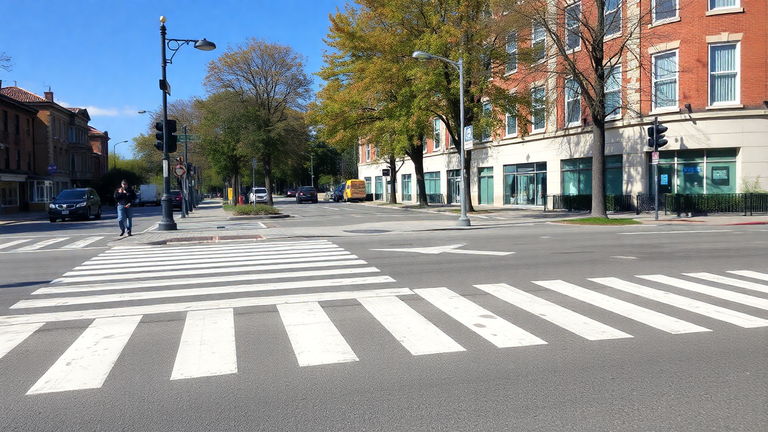
Injuries were reported in a two-vehicle collision at a Hanford intersection on Thursday afternoon. Thursday afternoon’s collision is a reminder of how quickly an ordinary drive through Hanford can change someone’s life. The crash occurred at 3:24 p.m., a time when many local residents are heading home from work, picking up children from school, or running errands along busy roadways in Kings County.
When a white Toyota pickup truck and a red Chevrolet entered the intersection of 17th Avenue and Hanford Armona Road at the same time, the impact left one or more people injured and brought paramedics and other responders to the scene. For those involved, the physical pain may be only the beginning.
Injuries from intersection crashes can lead to missed work, mounting medical bills, and weeks or months of recovery, and families are often left facing difficult questions while the cause of the collision is still being determined. Our thoughts are with everyone affected by this crash, and we hope for a full and speedy recovery for those who were hurt.

What We Know About the Two-Vehicle Collision
According to the California Highway Patrol, the collision happened at 3:24 p.m. at the intersection of 17th Avenue and Hanford Armona Road. Authorities confirmed that a white Toyota pickup truck and a red Chevrolet entered the intersection simultaneously and collided.
Paramedics and several other responders were called to the scene. One or more people were injured, and the injured were treated at the scene. It is not yet known whether anyone was taken to a hospital. The CHP has not released a cause, and no information has been shared about who may be at fault.
Why Intersection Collisions Are So Dangerous
Intersections are where vehicles’ paths cross, and a crash there can send force into the sides of vehicles, where occupants have the least protection. Even at moderate speeds, a pickup truck striking another vehicle can cause head injuries, neck and spine injuries, broken bones, and internal trauma.
Some of these injuries do not show symptoms right away, which is why anyone involved in a collision should be evaluated by a medical professional even if they feel fine at the scene.
When two vehicles enter an intersection at the same moment, determining who has the right of way can be complicated. California Vehicle Code §21800 sets out right-of-way rules for intersections, including what drivers must do when they arrive at the same time.
Traffic signals, stop signs, lane position, speed, and driver attention all affect the analysis, and the details often hinge on physical evidence and witness accounts.
How California Law Determines Fault After a Car Accident
California follows a pure comparative fault system. Under this rule, a person who was partly responsible for a crash can still recover compensation, but the amount is reduced by their percentage of fault. A driver found 20 percent at fault, for example, would see a damages award reduced by 20 percent.
Because fault percentages directly affect what an injured person can recover, how the evidence is gathered and presented matters a great deal. California Civil Code §1714 establishes the general duty of every person to use ordinary care and avoid causing injury to others, which is the foundation of most car accident claims.
Fault in a California car accident is determined by examining the evidence to decide which drivers failed to exercise reasonable care and how much each failure contributed to the crash. Insurance adjusters and, if necessary, a judge or jury consider the police report, photographs of the vehicles, and the scene.
Also, the location and severity of the damage, witness statements, traffic signal timing, and any available video from dashcams, nearby businesses, or traffic cameras. Many modern vehicles also store data about speed and braking in the moments before impact, which can help show what each driver was doing.
A CHP report is valuable evidence, but it is not the final word on fault, and an officer’s conclusions can be challenged when the physical evidence tells a different story. Because California applies pure comparative fault, each party’s share of responsibility is assigned as a percentage, and an injured person’s recovery is reduced by whatever share is attributed to them.
Under Civil Code §1431.2, when more than one party is responsible, each is generally liable for non-economic damages, such as pain and suffering, only in proportion to their own share of fault. In an intersection crash where both drivers say they had the right of way, these percentages can be hotly disputed, which is why preserving evidence early and understanding how fault is assigned can make a meaningful difference in the outcome of a claim.
Damages You May Be Able to Recover
Being hurt in a car accident can be a surprise, as nobody expects it to happen to them. If you have been hurt in a collision, you have options, and while you focus on physical recovery, you should not have to worry about how you will afford the bills that keep piling up.
An attorney can help you file a claim for medical and therapy costs, including emergency care, follow-up treatment, physical therapy, and future care related to the injury. A claim can also seek compensation for lost income when injuries force you to miss work, as well as pain and suffering and the loss of enjoyment of life when an injury keeps you from the activities and routines that mattered to you.
California law divides the compensation available in a car accident claim into economic and non-economic damages, and understanding both can help you see the full picture of what a collision may cost you. Economic damages cover the financial losses that can be documented, including ambulance and emergency room bills, hospital stays, surgeries, prescriptions, physical therapy, and the cost of future treatment your doctors expect you to need.
They also include the wages you lose while recovering and, when an injury limits your ability to return to the same job or work the same hours, the loss of future earning capacity. Property damage, such as repairs to your vehicle or its replacement value, is typically part of the claim as well.
Non-economic damages address the harm that does not come with a receipt, such as physical pain, emotional distress, anxiety after the crash, and the loss of enjoyment of life when an injury keeps you from hobbies, family activities, or simple daily routines.
In most car accident cases, California does not place a cap on these non-economic damages, so the value of a claim depends on the severity of the injuries, the length of recovery, and how thoroughly the impact on your life is documented. Keeping detailed medical records, saving every bill, and noting how your injuries affect your day-to-day life give your attorney the evidence needed to pursue the full compensation you deserve.
How Injury Claims Are Valued
Insurance companies and attorneys commonly evaluate non-economic damages using one of two approaches. The multiplier method takes your documented medical expenses and multiplies them by a number, typically based on the severity of the injury, the length of recovery, and the impact on daily life.
The per diem method assigns a daily dollar value to your pain and suffering and multiplies it by the number of days you are expected to experience it. Neither method is a guarantee, and every claim depends on its own facts, but understanding them helps you see why thorough medical documentation is so important.
Beyond the formulas themselves, several factors determine where a claim falls within a reasonable range. The severity and permanence of the injury carry the most weight, and a documented fracture requiring surgery and months of therapy will generally be valued very differently from a soft-tissue strain that resolves in a few weeks.
The consistency of your medical treatment also matters because gaps between appointments or a delay in seeking care can give an insurance company room to argue that your injuries were not as serious as claimed. Your age, occupation, and the effect of the injury on your ability to work and live normally all factor into the picture, as does the strength of the evidence showing the other driver was at fault.
Insurance adjusters often rely on software and internal guidelines to make a first offer, and those early offers are frequently lower than a thorough evaluation would support. It is also important to know that the multiplier and per diem methods are starting points for negotiation, not guarantees.
Final settlement reflects the available insurance coverage, the percentage of fault assigned to each party, and the willingness of both sides to take the case before a judge or jury if a fair agreement cannot be reached. Because a settlement typically closes the claim for good, it is wise to understand the full extent of your medical needs, including future care, before agreeing to any number.
Important Deadlines for Filing a Claim
In California, the statute of limitations for most personal injury claims is 2 years from the date of injury under California Code of Civil Procedure § 335.1. Claims involving a government entity, such as a crash tied to a dangerous roadway condition, are subject to much shorter notice deadlines under the Government Claims Act.
Government Code §835 governs when a public entity can be held liable for a dangerous condition of public property. Waiting too long can permanently bar your right to compensation, so speaking with an attorney early protects your options.
California law also requires drivers to carry minimum liability insurance. Those limits can be quickly exhausted by serious injuries, which is why it is important to understand all potential sources of recovery, including your own uninsured and underinsured motorist coverage.
What to Do If You Were Injured in a Hanford Collision
Seek medical attention right away and follow your doctor’s treatment plan. Keep records of every visit, bill, prescription, and day of missed work. Photograph the vehicles, the scene, and your injuries if you can, and collect names and contact information for any witnesses. Be cautious about giving recorded statements to an insurance adjuster before you understand your rights, because early statements can be used to limit or deny a claim.
The steps you take in the hours and days after a crash can protect both your health and your legal rights. If you are able, call 911 so that paramedics and the California Highway Patrol can respond, and accept medical evaluation at the scene or at a hospital as soon as possible, because adrenaline can hide pain, and some serious injuries, such as concussions, internal bleeding, and spinal injuries, do not always show symptoms right away.
Once it is safe to do so, exchange names, contact details, and insurance information with the other driver, and gather the names and phone numbers of any witnesses who saw what happened. Take photographs of the vehicles, the intersection, traffic signals or signs, skid marks, and your visible injuries, and write down what you remember while the details are still fresh.
Be careful about what you say at the scene, since apologizing or guessing about fault can be used against you later, and stick to the basic facts when speaking with officers. California law requires drivers to report a collision to the DMV within 10 days if anyone was injured or property damage exceeded $1,000, so do not overlook that step even if the police prepared a report.
Notify your own insurance company promptly, but think carefully before giving a recorded statement to the other driver’s insurer, whose goal is often to limit what it pays. Follow through with every recommended appointment and treatment plan, keep all medical bills and records, and track the days of work you miss.
Speaking with a car accident attorney early can help you avoid costly mistakes, preserve evidence before it disappears, and understand your options while you concentrate on getting better.
Catastrophic Injury Settlement Calculators and Why They Matter
A catastrophic injury settlement calculator is an educational tool that helps injured people and their families estimate what a serious claim may be worth by organizing the major categories of loss into a single projection. Catastrophic injuries, such as traumatic brain injuries, spinal cord damage, amputations, severe burns, and injuries that cause permanent disability, are different from routine collision claims because their costs do not end when the hospital bills stop.
A calculator typically asks you to enter your past medical expenses, the projected cost of future care, lost wages, and the expected loss of future earning capacity, and then applies a multiplier or a per diem rate to estimate non-economic damages such as pain and suffering and loss of enjoyment of life.
Under the multiplier method, the total of your economic damages is multiplied by a number that reflects the severity and permanence of the injury, and catastrophic cases generally fall at the higher end of that range. Under the per diem method, a daily dollar value is assigned to your pain and suffering and multiplied by the number of days you are expected to live with the injury, which can span decades when the harm is permanent.
Calculators matter because they show how quickly the numbers grow once lifelong needs are included, such as ongoing therapy, home modifications, attendant care, adaptive equipment, and years of lost income. They can also help families recognize when an early insurance offer falls far short of what a long-term recovery will actually cost.
Still, a calculator provides only an estimate, not a promise. The final value of a claim depends on the available insurance coverage, the evidence of fault, the percentage of comparative fault assigned to each party, and the opinions of medical and financial experts who can document the full extent of future needs.
For that reason, a calculator is best used as a starting point for an informed conversation with an experienced attorney, who can build a complete picture of your damages before you consider any settlement. Call us now at 1-855-508-9565 to speak with the experts.
Take Action Today: You Won’t Pay Unless We Win
“Being hurt in a crash you never saw coming is frightening, and it is normal to feel overwhelmed by the pain, the medical bills, and the uncertainty about what comes next. You do not have to figure it out alone. Get the medical care you need, write down what you remember, and be careful about what you say to insurance companies before you understand your rights. California law gives you a limited window to act, so please do not wait. We will listen, explain your options, and fight for the compensation you deserve, and you pay nothing unless we win.” – Andy Gillin, Managing Partner, GJEL Accident Attorneys
GJEL Accident Attorneys has more than 40 years of experience and has recovered over $950 million for injured Californians. We handle car accident cases on a contingency fee basis, which means you pay no attorney fees unless we recover compensation for you. If you or someone you love was hurt in a collision in Hanford or anywhere in California, call 1-855-508-9565 or visit our Fresno office for a free consultation.
Local Resources and Helpful Websites for Hanford Collision Victims
California Highway Patrol (CHP) Hanford Area Office. Because the CHP responded to this crash, its Hanford Area Office is the primary source for the collision report. The office is located at 1565 Glendale Avenue, Hanford, CA 93230, and can be reached at (559) 413-6020. Office details are available at https://www.chp.ca.gov/find-an-office/central-division/440-hanford. Drivers, passengers, vehicle and property owners, and other parties of interest can request a copy of a CHP crash report online at https://chp.ca.gov/traffic/request-a-crash-report/ or in person or by mail using the CHP 190 form at the nearest CHP Area office. Your attorney or insurance company can also request the report on your behalf.
Hanford Police Department. For crashes investigated by city officers, the Hanford Police Department is located at 425 North Irwin Street, Hanford, CA 93230 and can be reached at (559) 585-2540. The department’s main page is https://hanfordca.gov/1198/Police. Its Records Division handles traffic accident reports, which the city lists at $10 per report, and the fees and request information are posted at https://hanfordca.gov/1216/Records-Division-Fees. Residents can also file certain police reports online at https://hanfordca.gov/1534/File-an-Online-Police-Report.
Kings County Sheriff’s Office Records Division. Collisions that happen in unincorporated areas of Kings County may be handled by the Sheriff’s Office. Its Records Division maintains incident reports, traffic citations, and related records at https://www.countyofkingsca.gov/departments/public-safety/sheriff/records-division.
California Department of Motor Vehicles (DMV). California law requires drivers to file an SR-1 Report of Traffic Accident within 10 days if anyone was injured, no matter how minor the injury, or if property damage exceeded $1,000. This is required whether or not you were at fault, and it is in addition to any report made to the police, the CHP, or your insurance company. The form can be completed online at https://www.dmv.ca.gov/portal/vehicle-registration/accident-reporting/.
City of Hanford Public Works. If you believe a malfunctioning traffic signal, a missing sign, a pothole, or a roadway defect played a role in a crash within city limits, the Public Works Department can be reached at (559) 585-2550. The city’s Roads and Streets information and reporting tools are available at https://hanfordca.gov/m/faq?cat=33.
Kings County Public Works, Roads Division. For roads maintained by the county rather than the city, the Roads and Bridges Division handles maintenance and can be contacted through https://countyofkingsca.gov/departments/general-services/public-works/roads. Documenting the condition of a roadway or intersection early can be important if a dangerous condition may have contributed to a collision.

Related California legal resources: California car accident lawyers.