Last updated July 17, 2026
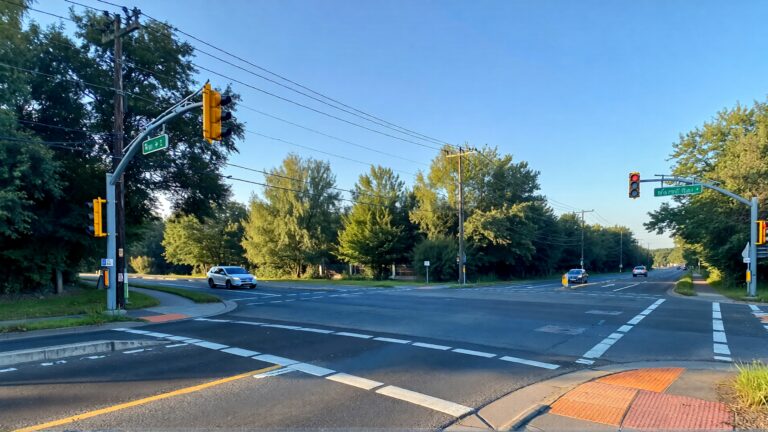
A two-vehicle crash with injuries shut down traffic in the southbound lanes of State Route 99 in Stockton on Monday afternoon, according to the California Highway Patrol. The closure of the southbound lanes created significant delays for afternoon commuters traveling through the SR-99 and SR-120 interchange, one of the busiest junctions in San Joaquin County.
CHP officers worked to redirect traffic and clear the roadway while emergency crews attended to those involved, a process that can take considerable time when injuries are involved and a thorough scene investigation is required. Drivers in the area were urged to seek alternate routes, such as I-5 or local surface streets, until lanes reopened.
Traffic backups following a crash of this nature are common on high-volume corridors like SR-99, underscoring how a single collision can ripple outward, affecting far more people than those directly involved.
What Happened on SR-99 in Stockton
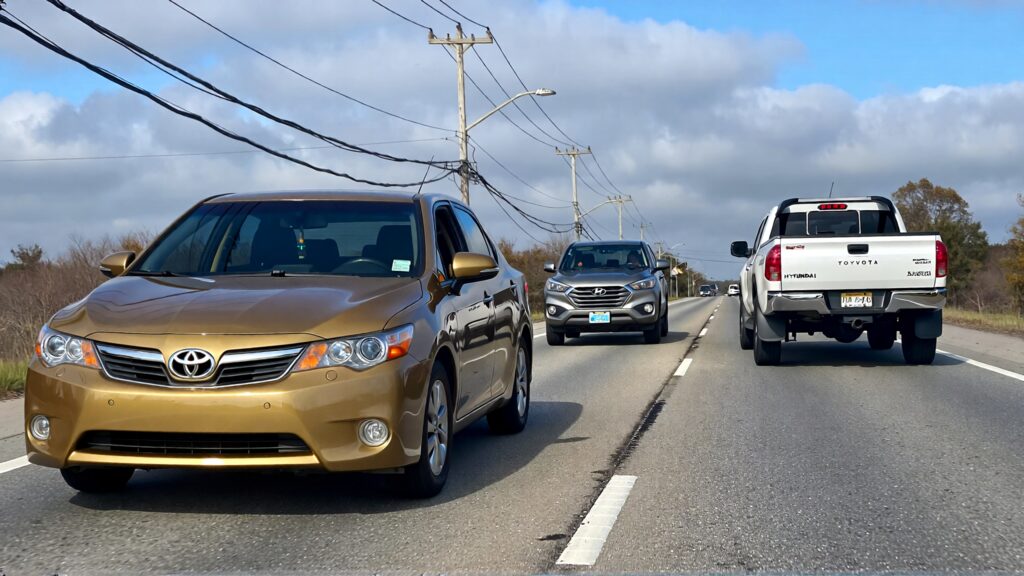
The crash occurred at approximately 3:57 p.m. on July 6, 2026, in the southbound lanes of SR-99 near the area of SR-120. According to the California Highway Patrol, a blue Honda Civic and a blue Toyota Corolla collided for reasons yet to be determined. Both vehicles sustained damage in the impact.
Paramedics and numerous other emergency responders were dispatched to the scene to assist. One or more parties involved in the crash reported injuries, though their conditions have not yet been disclosed. CHP is continuing to investigate the cause of the collision, and further details are expected as the case develops.
Southbound SR-99 near the SR-120 interchange is a heavily trafficked corridor connecting Stockton to Manteca and other San Joaquin County communities, and it has seen ongoing construction activity tied to the SR-120/99 Interchange Improvement Project in recent months. Merging traffic, lane shifts, and congestion in this stretch can all contribute to sudden slowdowns and collisions.
Determining Fault in a Two-Vehicle Collision
California is a fault-based state, meaning the driver responsible for causing a crash can be held financially liable for the resulting damages. Under California Civil Code Section 1714, every person is responsible for injuries caused by their want of ordinary care or skill in managing their property or person, which forms the foundation of most negligence claims arising from car accidents.
Investigators will examine physical evidence, witness statements, and any available surveillance or dashcam footage to determine how the Civic and Corolla collided. California Vehicle Code sections governing basic speed law (22350), unsafe lane changes (22107), and following too closely (21703) are commonly cited in two-vehicle collision investigations, depending on what the CHP’s report ultimately concludes.
California also follows a pure comparative negligence rule, so even if a driver is found partially at fault, they may still recover damages reduced by their percentage of responsibility. Establishing fault in a two-vehicle collision like this one often comes down to the small details: the position of each vehicle at impact, skid marks or their absence, traffic signal timing, and any statements drivers made to responding officers at the scene.
Because the Honda Civic and Toyota Corolla were both traveling in the same southbound lanes, investigators will likely examine whether one vehicle attempted an unsafe lane change, followed too closely, or failed to adjust its speed to the roadway conditions.
Traffic camera footage, if available, and statements from any witnesses who saw the moments leading up to the crash can also play a significant role in reconstructing what happened. Until CHP completes its investigation and issues a formal report, the exact cause will remain unconfirmed, but that report often becomes a central piece of evidence in any insurance claim or legal action that follows.
Injuries and Medical Documentation After a Crash
When a crash results in injuries, prompt medical evaluation is critical for both health and building a strong legal record. Emergency responders transported those hurt in Monday’s collision for treatment, and injuries from vehicle crashes can range from soft tissue damage to more serious trauma that may not be immediately apparent.
Seeking medical attention right away, even if injuries seem minor, helps ensure that a full and accurate record exists connecting any diagnosis to the collision itself. Beyond protecting a victim’s health, thorough medical documentation also plays a central role if a legal claim becomes necessary later on.
Insurance companies frequently scrutinize gaps in treatment or delays in seeking care, sometimes using them to argue that an injury was less serious than claimed or was entirely unrelated to the crash. Keeping copies of emergency room records, follow-up visit notes, imaging results, and any prescribed treatment plans creates a clear timeline connecting the collision to the harm suffered.
For injuries that may not surface right away, such as whiplash, concussions, or soft tissue damage, following through with recommended follow-up care and specialist referrals can be just as important as the initial emergency evaluation in showing the true extent of the harm.
How a Settlement Might Be Calculated
Accident victims often want to understand how compensation is determined. Insurance adjusters and attorneys typically rely on one of two general approaches to estimate damages, particularly for pain and suffering.
The multiplier method takes the total of a victim’s “special damages,” such as medical bills, lost wages, and property damage, and multiplies that figure by a number typically ranging from 1.5 to 5, depending on the severity of the injury and its impact on daily life. More severe or long-lasting injuries generally justify a higher multiplier.
The per diem method instead assigns a specific dollar amount for each day the victim experiences pain and suffering, starting from the date of the crash through the point of maximum medical recovery. That daily rate is often tied to the victim’s daily earnings and is multiplied by the number of recovery days.
Both methods produce estimates, not guarantees, and the actual value of any claim depends on the specific facts, documented losses, and applicable insurance coverage involved.
Catastrophic Injury Settlement Calculators and How They Help Compute Settlement Values
When a collision results in catastrophic injuries, such as traumatic brain injuries, spinal cord damage, amputation, or permanent disability, calculating a fair settlement becomes far more complex than in a typical injury claim. Catastrophic injury settlement calculators used by attorneys and insurance adjusters help organize the many factors involved into a more structured estimate.
These tools typically account for current and future medical expenses, including surgeries, rehabilitation, long-term care, and adaptive medical equipment, as well as lost earning capacity if the victim can no longer work in the same role or at all. Because catastrophic injuries often involve lifelong consequences, calculators also weigh non-economic damages more heavily, such as permanent disability, disfigurement, loss of enjoyment of life, and the emotional toll on both the victim and their family.
Unlike simpler multiplier or per diem methods used in less severe cases, catastrophic injury calculations often incorporate input from medical experts, economists, and life care planners to project costs over decades.
While these calculators provide a useful starting point, the final settlement value in a catastrophic injury case depends heavily on the specific facts, available insurance coverage, and the strength of the evidence presented, making experienced legal guidance essential to ensure no long-term needs are overlooked. Call us now at +1-866-218-3776 to speak with the experts.
Take Action Today – Get the Help You Deserve
“Being involved in a crash like this one can leave you feeling shaken, uncertain, and unsure of what to do next, especially when injuries are involved. I want anyone affected by this collision to know that you don’t have to figure out the medical bills, insurance calls, and paperwork on your own. Take care of your health first, keep track of everything related to your treatment, and consult an experienced attorney before speaking with an insurance adjuster about a settlement. We’ve spent decades helping injured Californians get the compensation they need to move forward, and we’re ready to do the same for you or your loved one,” –Andy Gillin, Managing Partner of GJEL Accident Attorneys
If you or a loved one was hurt in this collision or any traffic accident in Stockton, you don’t have to navigate the aftermath alone. GJEL Accident Attorneys has spent more than 40 years fighting for injury victims throughout California and has recovered over $980 million on behalf of our clients. We work on a contingency fee basis, which means you pay nothing unless we win your case.
Call us today at +1-866-218-3776 for a free, no-obligation consultation or visit our Walnut Creek office to learn more about how we can help you pursue the compensation you deserve.
Local Resources for Those Affected
Anyone involved in this collision or seeking more information can contact the following local resources:
California Highway Patrol – Stockton Area Office
2720 Wilcox Road, Stockton, CA 95215
Phone: (209) 938-4800
Website: chp.ca.gov
St. Joseph’s Medical Center
1800 N California St, Stockton, CA 95204
Phone: (209) 467-6400
Website: stjosephscares.org
San Joaquin County Emergency Medical Services
Website: sjgov.org