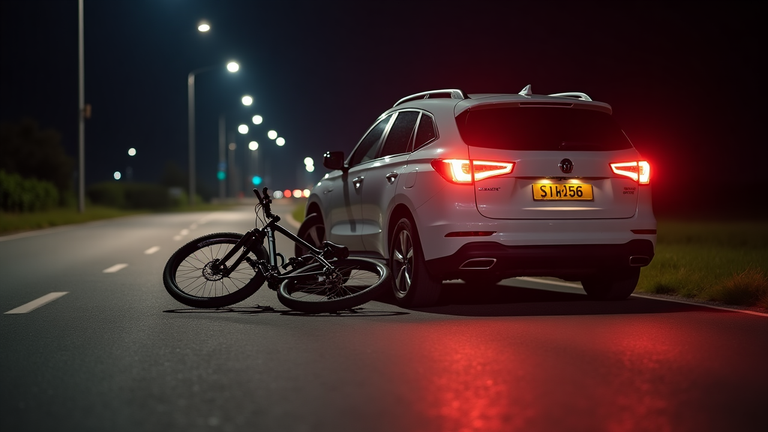
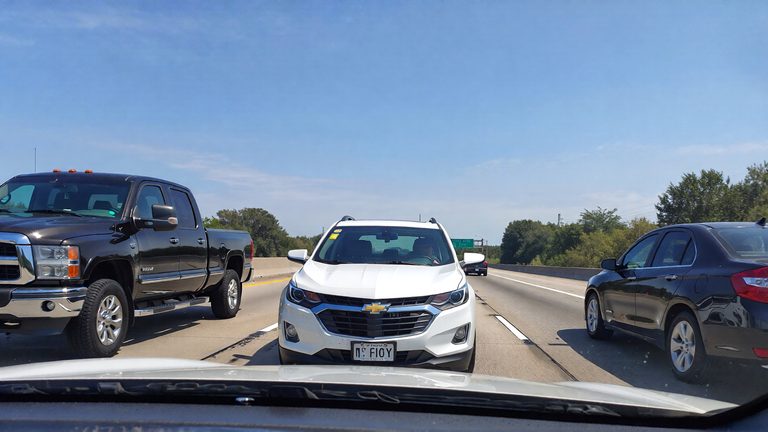
A two-vehicle injury collision occurred at an intersection in Modesto on Thursday, October 29, 2026. According to the California Highway Patrol, the crash happened at about 5 p.m. at the intersection of Roselle Avenue and Plainview Road. Authorities confirmed that a gray sedan and a white SUV collided, causing extensive damage to the vehicles.
Paramedics, fire crews, and several other responders were dispatched to the scene. One or more people were treated for injuries and then taken to the hospital. The cause of the collision has not been released, and the names of those involved and the extent of their injuries have not been made public.

Why Intersection Collisions Often Cause Serious Injuries
Intersections are some of the most dangerous places on any roadway because vehicles approach from multiple directions, and drivers must make quick decisions about right-of-way.
A sedan and an SUV meeting at an intersection can have very different weights and heights, which can change how crash forces are distributed and who absorbs the brunt of the impact.
Common injuries in these collisions include fractures, head and neck trauma, spinal injuries, internal injuries, and soft tissue damage that may not appear right away. Even when a driver walks away from the scene, symptoms can develop in the hours and days that follow, which is why prompt medical evaluation matters.
Another reason intersection crashes are so dangerous is that they frequently involve side impacts, where occupants have far less protection than in a front or rear collision.
The doors and side panels of a vehicle have only a small crumple zone between the point of impact and the people inside, so the force of a collision can transfer quickly to the driver or passenger seated closest to the strike.
This is why side-impact crashes are commonly associated with head, chest, pelvic, and spinal injuries. Drivers who are struck while turning or entering an intersection may also have little time to brake or brace, which means the body can be thrown against the seat belt, the door, or the window with significant force.
Injuries from these forces, including concussions, whiplash, and internal bleeding, are not always obvious at the scene and can worsen over the following hours or days. That is why anyone involved in an intersection collision should be examined by a medical professional as soon as possible, even if they feel relatively fine immediately afterward.
The Road to Recovery After a Car Accident
Being hurt in a car accident can be an overwhelming time in your life. Many serious injuries result from these crashes, and they can signal a long road to recovery.
On top of that, you may not be able to return to work for some time, which can leave you in a challenging position as medical bills arrive and household expenses continue. Having an attorney on your side means you can focus on healing while someone else handles the insurance companies and the legal process.
Recovery after a serious collision rarely follows a straight line. Many injured people begin with emergency care and hospitalization, then move on to follow-up appointments, imaging, specialist visits, and weeks or months of physical therapy.
Progress can come in steps, with good days followed by setbacks, and some injuries require ongoing treatment long after the crash itself. Along the way, the physical pain is often joined by stress about missed paychecks, mounting medical bills, and uncertainty about whether life will ever feel the same.
It is also common to feel anxious when riding in a car or approaching the intersection where the crash occurred. These challenges are real, and they deserve to be taken seriously. Keeping a record of your medical visits, treatment plans, out-of-pocket costs, and how your injuries affect your daily routine can help demonstrate the full impact of the crash when it comes time to seek compensation.
Just as important, following your doctor’s recommendations and giving yourself permission to heal at your own pace puts you in the best position for both your health and your claim. An attorney can handle the insurance process during this time, so you can focus your energy on recovery.
Damages Available to Injured Californians
A person injured in a collision caused by someone else’s negligence may be able to pursue several categories of compensation. Economic damages cover the financial losses directly tied to the crash, including medical and therapy costs, as well as lost income from missed time at work.
Non-economic damages address the human side of an injury, including pain and suffering and the loss of enjoyment of life, which reflects the activities and daily routines a person can no longer fully take part in.
In cases involving especially reckless conduct, such as driving under the influence, punitive damages may also be available under California Civil Code § 3294 to punish the wrongdoer and deter similar conduct.
Beyond the categories above, California law allows injured people to pursue compensation for losses that reach well into the future. Under Civil Code §3333, the goal of tort damages is to compensate a person for the harm caused by another’s wrongful act, which can include future medical care, ongoing therapy, and the cost of adaptive equipment or home modifications when an injury is lasting.
If an injury limits the type of work a person can do or reduces their ability to earn in the years ahead, a claim may also account for that loss of earning capacity, not just the paychecks missed during recovery.
Property damage, including the repair or replacement of the vehicle, is typically part of the claim, and some people also seek compensation for the value of household tasks they can no longer perform. Non-economic damages are often the hardest to quantify, yet they are central to many claims because they reflect how an injury affects daily life, relationships, and personal well-being.
Punitive damages are the exception rather than the rule. They require clear and convincing evidence of oppression, fraud, or malice, and are generally reserved for conduct such as drunk driving. Because every claim depends on its own facts and on the comparative fault of everyone involved, speaking with an attorney early can help ensure that no category of loss is overlooked.
How California Law Determines Responsibility
California Civil Code §1714 establishes that every person is responsible for injuries caused by a failure to use ordinary care. In intersection crashes, investigators often consider right-of-way rules, such as those in Vehicle Code §21800, as well as traffic signal compliance, speed, and driver attention.
California follows a pure comparative fault system, which means an injured person can still recover compensation even if they were partly to blame, although the award is reduced by their percentage of responsibility. Under Code of Civil Procedure §335.1, most personal injury claims must be filed within two years of the date of injury, so acting early helps protect evidence and preserve your rights.
Determining who is legally responsible for an intersection collision usually comes down to negligence, which requires showing that a driver owed a duty of care, breached that duty, and caused the resulting injuries and losses.
Every driver on a California roadway owes others a duty to operate their vehicle with reasonable care, and the question is whether the facts show someone fell short.
Investigators and attorneys often rely on the official collision report, witness statements, photographs of the vehicles and the scene, and the pattern of damage to each vehicle to piece together how the crash unfolded. Traffic camera footage, nearby business surveillance video, and data stored in a vehicle’s event data recorder can also show speed, braking, and timing in the moments before impact.
Traffic laws play a major role as well. Violating a rule such as Vehicle Code §21453, which governs red signals, or §21801, which requires a driver turning left to yield to oncoming traffic, can support a finding that a driver was negligent under California’s Evidence Code §669. Fault is not always assigned to just one person.
Under the pure comparative fault rule recognized in California, a jury or insurer can divide responsibility among everyone involved, and an injured person’s recovery is reduced by their own share of the blame but not eliminated. Because insurance companies may try to shift more fault onto an injured driver than the evidence supports, gathering strong proof early can make a meaningful difference in how a claim is valued.
How Settlement Value Is Commonly Evaluated
Insurance companies and attorneys often use two methods to estimate the value of an injury claim. The multiplier method sums the economic damages, such as medical bills and lost wages, and multiplies the total by a factor that reflects the severity and permanence of the injury.
The per diem method assigns a daily dollar value to pain and suffering and multiplies it by the number of days a person is expected to be affected by their injuries.
Neither method guarantees a particular result, and every case depends on its own facts, the available insurance coverage, and the strength of the evidence. An experienced attorney can use both approaches to build a realistic picture of what a claim may be worth.
Several factors beyond the multiplier and per diem methods shape what a claim is ultimately worth. The severity and permanence of the injury carry significant weight, as do the length of treatment, the consistency of the medical records, and whether a doctor expects lasting limitations or the need for future care.
Timing matters as well. Settling before a person reaches maximum medical improvement, the point at which their condition has stabilized and the long-term outlook is clearer, can mean accepting an offer that does not account for treatment still to come.
The strength of the liability evidence also affects value, because a claim with clear proof of fault is generally easier to resolve than one where responsibility is disputed, and any share of fault assigned to the injured person reduces the final recovery.
Available insurance coverage sets another practical boundary. A negligent driver’s policy limits can cap what is collectible, which is why it is important to look at the injured person’s own underinsured motorist coverage and any other potential sources of recovery.
Insurance adjusters often make early offers that are well below the true value of a claim, particularly before the full extent of the losses is documented. For that reason, it can be wise to have an attorney review any offer before you accept it, since signing a release typically ends your right to seek additional compensation later.
Personal Injury Settlement Calculators and Why They Matter
A personal injury settlement calculator is an online tool that gives injured people a rough estimate of what a claim might be worth based on the information they enter.
Most calculators ask for economic losses, such as medical bills and lost income, and then apply a multiplier reflecting the seriousness of the injury, or a per diem rate multiplied by the expected length of recovery, to account for pain and suffering. Some also let you adjust for your own percentage of fault, which matters in California because the pure comparative fault rule reduces recovery by the share of blame assigned to the injured person.
The main value of a calculator is perspective. It can help you understand how different types of damages combine, set realistic expectations before you speak with an insurance adjuster, and recognize when a first offer appears to be far below a reasonable range.
It can also show why keeping careful records of treatment costs, missed work, and daily limitations is so important, since those figures drive the result. A calculator is only an estimate, however, and it cannot weigh the factors that often decide a case, such as the strength of the liability evidence, the credibility of the medical records, available insurance coverage, or the need for future care that has not yet been determined.
For that reason, the number a calculator produces should be treated as a starting point for a conversation rather than a promise of what a claim will recover. An experienced attorney can use the same methods with the complete facts of your case to build a more accurate and defensible valuation.
Take Action Today: You Won’t Pay Unless We Win
“A serious crash can turn an ordinary afternoon into months of medical appointments, missed paychecks, and uncertainty, and no one should have to face that alone. If you or someone you love was hurt in the Modesto collision, please don’t wait to get answers. Get the medical care you need, be careful about what you say to insurance adjusters, and speak with an attorney who can protect your rights while you focus on healing. California law sets strict deadlines, and evidence can disappear quickly, so a conversation today can make a real difference down the road. Our team is here to listen, explain your options, and fight for the compensation you deserve.” – Andy Gillin, Managing Partner at GJEL Accident Attorneys
If you were involved in a crash, seek medical care right away and follow your doctor’s treatment plan so your injuries are documented. Photographs of the vehicles, the intersection, and any visible injuries can be valuable, as can contact information for witnesses. Be cautious about giving recorded statements to an insurance adjuster before you understand your rights, since those statements can be used to limit your claim.
With more than 40 years of experience and over $950 million recovered for clients, GJEL Accident Attorneys understands what injured Californians face after a serious collision. We work on a contingency fee basis, which means you pay no attorney fees unless we recover compensation for you. If you or a loved one was hurt in the Modesto crash or any other accident, call 1-855-508-9565 or visit our Sacramento office for a free consultation.
Local Resources for Modesto Collision Victims
Modesto Police Department
The Modesto Police Department is the primary law enforcement agency for collisions inside city limits and is based at 600 10th Street, Modesto, CA 95354. Its official website is https://www.modestopolice.com. Visitors can find non-emergency contact options, records information, and instructions for requesting a copy of a traffic collision report, which, for injury collisions, can take longer to release than the standard timeframe.
California Highway Patrol, Modesto Area Office
The CHP Modesto Area office, located at 4030 Kiernan Avenue, Modesto, CA 95356, patrols state routes, freeways, and unincorporated areas of Stanislaus County. Its office page, https://www.chp.ca.gov/find-an-office/central-division/465-modesto/, includes the office’s hours and services. Real-time incident information is available through the CHP traffic incident page at https://cad.chp.ca.gov/Traffic.aspx, which is the source cited for this crash. Collision reports handled by the CHP can be requested through the main CHP website at https://www.chp.ca.gov.
City of Modesto
The City of Modesto’s official website is https://www.modestogov.com. It serves as the central hub for city departments, including Public Works and traffic engineering, and is the place to report hazardous road conditions, malfunctioning traffic signals, or concerns about intersection safety within city limits.
Stanislaus County Public Works
Roads in unincorporated areas of Stanislaus County are maintained by the county Public Works, whose page is at https://www.stancounty.com/publicworks. This is the right resource if a collision happened on a county-maintained road or if poor road conditions may have played a role.
Caltrans District 10
Caltrans oversees state highways in the Modesto area, including Highway 99, through District 10. Information about the district is available at https://dot.ca.gov/caltrans-near-me/district-10. Current road conditions, closures, and highway cameras can be viewed on Caltrans QuickMap at https://quickmap.dot.ca.gov.
California Department of Motor Vehicles
California law requires drivers to report certain collisions to the DMV, generally those involving injury or death, or property damage above $1,000, within 10 days, using form SR-1. Instructions and forms are available at https://www.dmv.ca.gov. Failing to report can put a driver’s license at risk, so this deadline is worth taking seriously.
Stanislaus County Superior Court
Civil and criminal court information, filing procedures, and self-help resources are available from the Stanislaus County Superior Court, located at 800 11th Street, Modesto, CA 95354. Its website is https://www.stanislaus.courts.ca.gov.
Stanislaus County District Attorney
If a collision involved suspected criminal conduct such as drunk driving or hit-and-run, the District Attorney’s office may become involved. Information about the office and its victim services is available at https://www.stanislaus-da.org.
Stanislaus County Sheriff’s Office
The Sheriff’s Office handles law enforcement in unincorporated parts of the county, and its website is https://www.stanislaussheriff.com. It is worth checking if a crash occurred just outside the city limits.
California Department of Insurance
Drivers who are having trouble with an insurance company, or who want to understand their rights as a policyholder or claimant, can visit https://www.insurance.ca.gov. The site includes consumer guides and a process for filing a complaint against an insurer.