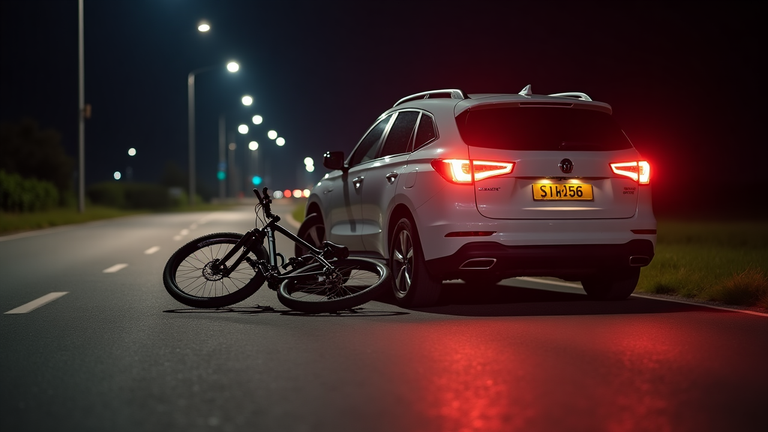
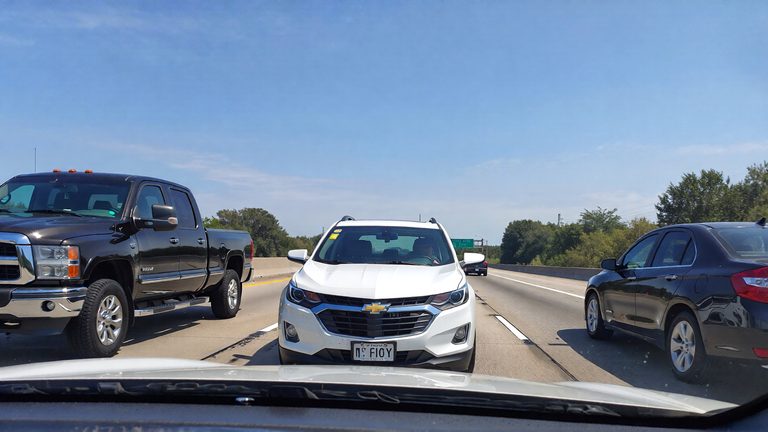
A two-vehicle crash with injuries took place at a busy Fresno intersection on Wednesday afternoon. When a two-vehicle collision with injuries occurs at a busy Fresno intersection on a Wednesday afternoon, the moments that follow are often chaotic for everyone involved. Paramedics, fire crews, and other responders were dispatched to the scene at SR-41 and Divisadero Street to assist those in need.
Traffic in the area may have been affected while crews worked and vehicles were cleared. Drivers and passengers hurt in crashes like this are often taken for medical evaluation, and some injuries, such as concussions, whiplash, and internal trauma, do not show their full effects until hours or even days later.
Because the cause of this collision remains under investigation, it is too early to say who may be responsible, and the details released so far may change as the California Highway Patrol completes its review. For anyone injured in a crash like this one, getting prompt medical care, preserving evidence, and avoiding statements to insurance adjusters before understanding your rights can make a meaningful difference in protecting your recovery.
What We Know About the Two-Vehicle Crash
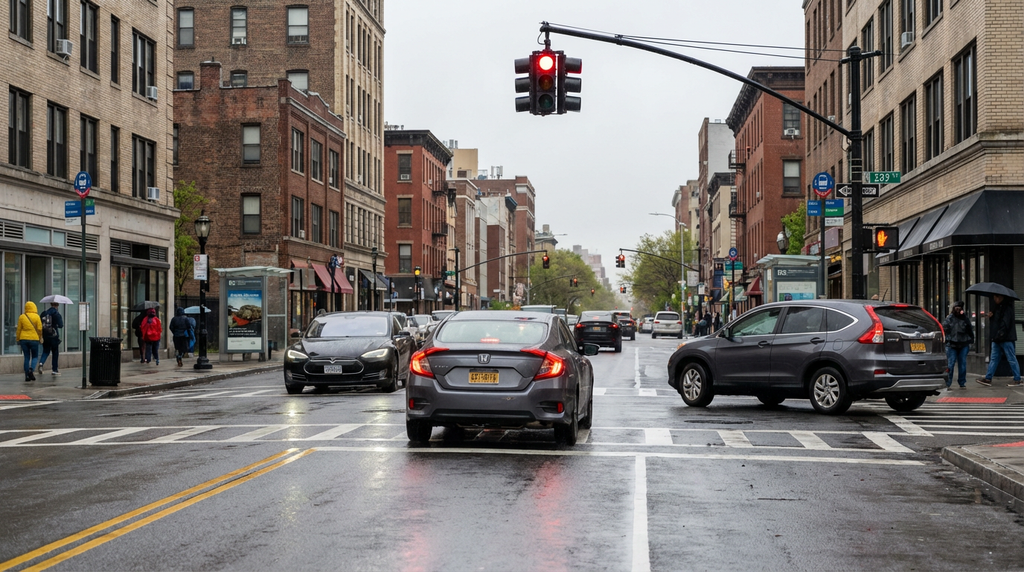
According to the CHP, the crash happened at about 4 p.m. at the intersection of SR-41 and Divisadero Street. Officials confirmed that a Chevrolet pickup truck and a Toyota SUV collided, and the cause remains under investigation. Both vehicles were damaged.
Paramedics, fire crews, and several other responders were dispatched to help those hurt in the crash. At this time, the identities of those involved and the extent of their injuries have not been released. Our thoughts are with everyone affected, and we hope for a full and speedy recovery for those injured.
The collision occurred on Wednesday, October 28, 2026, at approximately 4 p.m., a time when traffic through central Fresno is typically heavy as drivers head home from work and school. The crash involved two vehicles, a Chevrolet pickup truck and a Toyota SUV, which collided at the intersection of SR-41 and Divisadero Street.
The California Highway Patrol has confirmed that the collision resulted in injuries and that both vehicles sustained damage, though the cause of the crash is still under investigation. Officials have not yet said how many people were hurt, how serious their injuries are, or whether any of those involved were taken to a hospital.
Until the investigation is complete, it would be premature to assign blame to either driver, and further details may emerge as investigators review the scene, vehicle damage, and witness accounts. We will continue to follow the case and encourage anyone with information about the crash to contact the California Highway Patrol.
Why Intersection Collisions Can Cause Serious Injuries
Intersections are among the most dangerous places on the road because vehicles cross paths from several directions at once. When two vehicles meet at an intersection, the impact often strikes the side of a vehicle, where occupants have less protection than in a front or rear collision.
A pickup truck and an SUV are heavy vehicles, and even at moderate speeds, a crash between them can produce forces strong enough to cause fractures, head trauma, spinal injuries, and internal damage.
Intersections along State Route 41 in Fresno see heavy traffic during the afternoon commute, when drivers are often hurried or distracted. Common causes of crashes like this one include running a red light, failing to yield on a left turn, speeding, and distracted driving. Investigators will need time to determine what happened here, and no conclusions should be drawn before their findings are complete.
How Fault Is Determined in a California Intersection Crash
California follows a pure comparative fault system. Under this doctrine, an injured person can still recover compensation even if they were partly responsible for the crash, though the amount is reduced by their percentage of fault. For example, a person found 20 percent at fault who suffers $100,000 in damages could recover $80,000.
Under California Civil Code §1714, every person is responsible for injuries caused by their failure to use ordinary care. In intersection cases, the Vehicle Code often provides the standard. Vehicle Code §21453 governs red lights, §21800 addresses right-of-way at intersections, and §22350 requires drivers to travel at a speed safe for conditions.
Evidence such as the CHP collision report, traffic signal timing, nearby surveillance footage, vehicle event data recorders, and witness statements all help establish who was at fault.
Because SR-41 is a state route, an intersection crash can sometimes raise questions about the roadway itself, such as poorly timed signals, obstructed sightlines, or faulty signage. Claims against a public entity are governed by Government Code §835 and carry much shorter notice deadlines, generally six months from the date of the incident. This is one of several reasons injured victims benefit from speaking with an attorney early.
What Damages May Be Available After a Car Accident
Being hurt in a car accident can be a life-altering experience. On top of the injuries you are recovering from, the bills may pile up. The aftermath of a collision can be frightening and leave you with many questions about how you will move forward.
Speaking with a personal injury attorney can help you pursue compensation for the losses you have suffered. These may include medical and therapy costs, both current and future, as well as lost income when an injury keeps you from work and leaves your household struggling.
Many victims also seek compensation for pain and suffering and for the loss of enjoyment of life when injuries keep them from activities and relationships that mattered to them. In cases involving gross negligence, such as extreme recklessness, punitive damages may also be available.
When a collision leaves you injured, California law allows you to seek compensation for both the financial and personal toll the crash has taken on your life. Economic damages cover the measurable costs, including emergency treatment, hospital stays, surgeries, medications, physical therapy, and any future care your doctors expect you to need, as well as the income you lose while recovering and any reduction in your ability to earn a living down the road.
For many households, a missed paycheck can be just as damaging as the medical bills themselves, and these losses can be recovered when another party’s negligence is to blame. Non-economic damages address the harm that does not come with a receipt, such as physical pain, emotional distress, and the loss of enjoyment of life when injuries keep you from the hobbies, routines, and relationships you once valued.
In cases involving gross negligence, such as extreme recklessness behind the wheel, punitive damages may also be available to hold the at-fault party accountable.
Because the value of a claim depends on the severity of your injuries, the strength of the evidence, and your share of fault, if any, speaking with a personal injury attorney early can help ensure that every category of loss is documented and accounted for before you accept any settlement offer.
How Settlement Values Are Calculated
Insurance companies and attorneys commonly use two methods to estimate the value of an injury claim. The multiplier method sums economic damages, such as medical bills and lost wages, and multiplies the total by a factor typically ranging from 1.5 to 5, depending on the severity of the injury, the length of recovery, and the impact on daily life.
The per diem method assigns a daily dollar value to the pain and limitations a person experiences and multiplies it by the number of days it takes to reach maximum recovery.
Neither method is a guarantee, and every case depends on its own facts. These approaches simply offer a framework for understanding how to build a fair demand. Estimating what a car accident claim may be worth is rarely a matter of simple math, but two methods are commonly used to build a starting point.
The multiplier method begins by totaling your economic damages, such as medical bills and lost wages, and then multiplying that total by a number typically between 1.5 and 5. Minor injuries with a short recovery tend to sit at the lower end of that range, while serious or long-lasting injuries, particularly those involving surgery, permanent limitations, or significant disruption to daily life, push the multiplier higher.
The per diem method takes a different approach by assigning a reasonable daily dollar amount to the pain and limitations you experience and multiplying it by the number of days it takes to reach maximum medical improvement.
Neither formula guarantees a particular outcome because insurers weigh other factors as well, including the strength of the liability evidence, the available insurance coverage, the quality of your medical documentation, and your percentage of fault under California’s pure comparative fault rule.
Accepting an early settlement offer before the full extent of your injuries is known can leave you responsible for future costs that were not accounted for, which is why many injured victims have an attorney review the numbers before agreeing to anything.
Important Deadlines for Injured Victims
Under California Code of Civil Procedure §335.1, most personal injury lawsuits must be filed within two years of the date of the injury. If a loved one was killed, wrongful death claims under CCP §377.60 are generally subject to the same two-year window, and a survival action under CCP §377.30 allows the estate to pursue the damages the person could have recovered had they lived. Missing these deadlines can permanently bar a claim, so acting promptly protects your rights.
California law places strict time limits on injury claims, and missing a deadline can permanently end your right to recover compensation, no matter how strong your case may be. Under Code of Civil Procedure §335.1, most personal injury lawsuits arising from a car accident must be filed within two years of the date of the crash, which means a collision that happened on October 28, 2026, would generally need to be filed by October 28, 2028.
When a loved one dies as a result of a crash, wrongful death claims under CCP §377.60 are typically subject to the same two-year period, and the estate may also bring a survival action under CCP §377.30 to recover damages the person could have pursued had they lived.
Shorter deadlines can apply in certain situations, most notably when a government entity may share responsibility, such as a claim involving a dangerous condition on a public roadway under Government Code §835, where a written claim generally must be presented within six months of the incident.
Because the facts of each case can change which deadline applies, and because evidence such as surveillance footage and vehicle data can be lost long before a deadline arrives, it is wise to speak with a personal injury attorney as soon as possible after a collision rather than waiting until time is running out.
Catastrophic Injury Settlement Calculators: A Starting Point for Estimating Your Claim
When a crash causes a catastrophic injury, such as a traumatic brain injury, spinal cord damage, severe burns, or an amputation, the financial impact can stretch across a lifetime, and that makes the value of the claim much harder to estimate. A catastrophic injury settlement calculator is an online tool that helps injured victims and their families get a general sense of what a claim may be worth by organizing the different categories of loss in one place.
Users typically enter figures such as current medical bills, projected future treatment, rehabilitation, and home modification costs, ongoing attendant care, lost wages, and the reduction in future earning capacity, and the calculator then applies a method like the multiplier or per diem approach to account for pain, suffering, and loss of enjoyment of life.
Because catastrophic injuries often require care for decades, these tools can be especially helpful in showing how quickly long-term costs add up and why an early settlement offer based only on today’s medical bills may fall far short of what a person will actually need. A calculator also encourages families to document every expense and limitation from the start, thereby strengthening their claim when negotiations begin.
It is important to remember, however, that a calculator produces an estimate and not a guarantee. It cannot weigh the strength of the liability evidence, the available insurance coverage, the opinions of medical and life care planning experts, or your percentage of fault under California’s pure comparative fault rule.
For that reason, the best use of a calculator is as an educational starting point before speaking with an experienced personal injury attorney who can evaluate the full picture and pursue the compensation your recovery will require.
Take Action Today: You Won’t Pay Unless We Win
“If you or someone you love was hurt in this crash, please know that you do not have to figure out what comes next on your own. Your first priority should be your health, so get the medical care you need and keep every record of your treatment, because those details matter later. Insurance companies move quickly, and it is easy to say or sign something before you understand the full extent of your injuries. California law also sets strict deadlines for injury claims, so waiting can put your rights at risk. Speaking with an attorney early costs you nothing, and it gives you someone in your corner while you focus on healing.” – Andy Gillin, Managing Partner, GJEL Accident Attorneys
With more than 40 years of experience and over $950 million recovered for clients, GJEL Accident Attorneys has helped injured Californians pursue the compensation they deserve. We work on a contingency fee basis, which means you pay no attorney fees unless we recover compensation for you. If you or someone you love was hurt in the SR-41 and Divisadero Street collision or any other crash in the Fresno area, call us at 1-855-508-9565 or visit our Stockton office for a free consultation.
Local Resources for Fresno Crash Victims
Anyone involved in a collision on a Fresno roadway can turn to several local, state, and federal agencies for official records, roadway information, and practical help:
Fresno Police Department
For crashes that occur within Fresno city limits, the Fresno Police Department is the primary agency for collision investigations and records. Its Frequently Asked Questions page explains who is eligible to obtain a traffic collision report, which generally includes drivers, passengers, authorized representatives, and people filing a claim. It also explains how to request records in person, by mail, or through the department’s public records request portal. Collision reports are also available through the department’s online reporting partner, typically for a convenience fee.
California Highway Patrol, Fresno Area Office
Because SR-41 is a state route, crashes along it are often handled by the California Highway Patrol rather than local police. The CHP Fresno Area Office page lists the local office that serves the area. Injured parties and their representatives can request a copy of a collision report through the CHP Collision Reports page, which explains eligibility and how to submit a request. Reports generally take some time to become available after a crash.
Caltrans District 6
Caltrans District 6 oversees the state highway system in the Fresno region, including SR-41. The page offers road conditions, construction updates, and a way to report hazards such as damaged signage or roadway defects. If a dangerous roadway condition may have contributed to a crash, this agency is the one to contact, and an attorney can advise on any notice requirements for claims involving a public entity.
California Department of Motor Vehicles
The California DMV provides information on reporting a collision, obtaining driver and vehicle records, and verifying insurance and registration details. California generally requires drivers to report certain collisions to the DMV, so reviewing the requirements early helps avoid problems with a driver’s license.
Superior Court of California, County of Fresno
Injury lawsuits are filed through the Fresno County Superior Court, where visitors can find forms, filing information, and case lookup tools. While most injury claims resolve before trial, knowing where a case would be filed helps clarify the process.